Beyond the Plate: How the Authentic Mediterranean Lifestyle Unlocks Longevity and Vitality

The global fascination with the Mediterranean diet has endured for decades, supported by an overwhelming body of scientific literature that positions it as the gold standard for preventative nutrition. While medical journals frequently highlight its efficacy in reducing the incidence of cardiovascular disease, mitigating systemic inflammation, and protecting cognitive functions against neurodegenerative conditions like dementia, a purely dietary focus misses the broader picture. True longevity within traditional Mediterranean communities is not merely a product of what sits on a dinner plate. Rather, it is the result of a synchronized ecosystem encompassing nutrient-dense foods, consistent low-intensity movement, profound social integration, and dedicated periods of rest. Understanding this holistic framework offers valuable insights for public health initiatives and individuals seeking to enhance their healthspan—the period of life spent in good health—rather than just their lifespan.
The Historical Evolution and Scientific Validation of the Mediterranean Diet
The modern understanding of the Mediterranean diet originated from the landmark Seven Countries Study, initiated by physiologist Ancel Keys in the late 1940s and 1950s. Keys and his research team observed that populations residing in regions such as Crete, Southern Italy, and other Mediterranean locales exhibited remarkably low rates of coronary heart disease compared to their counterparts in the United States and Northern Europe. This disparity persisted despite similar or even higher intake of dietary fats, prompting a closer examination of regional dietary patterns.
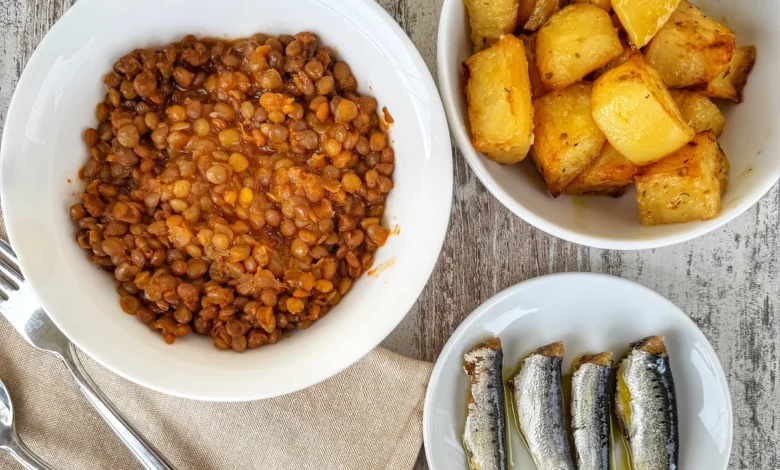
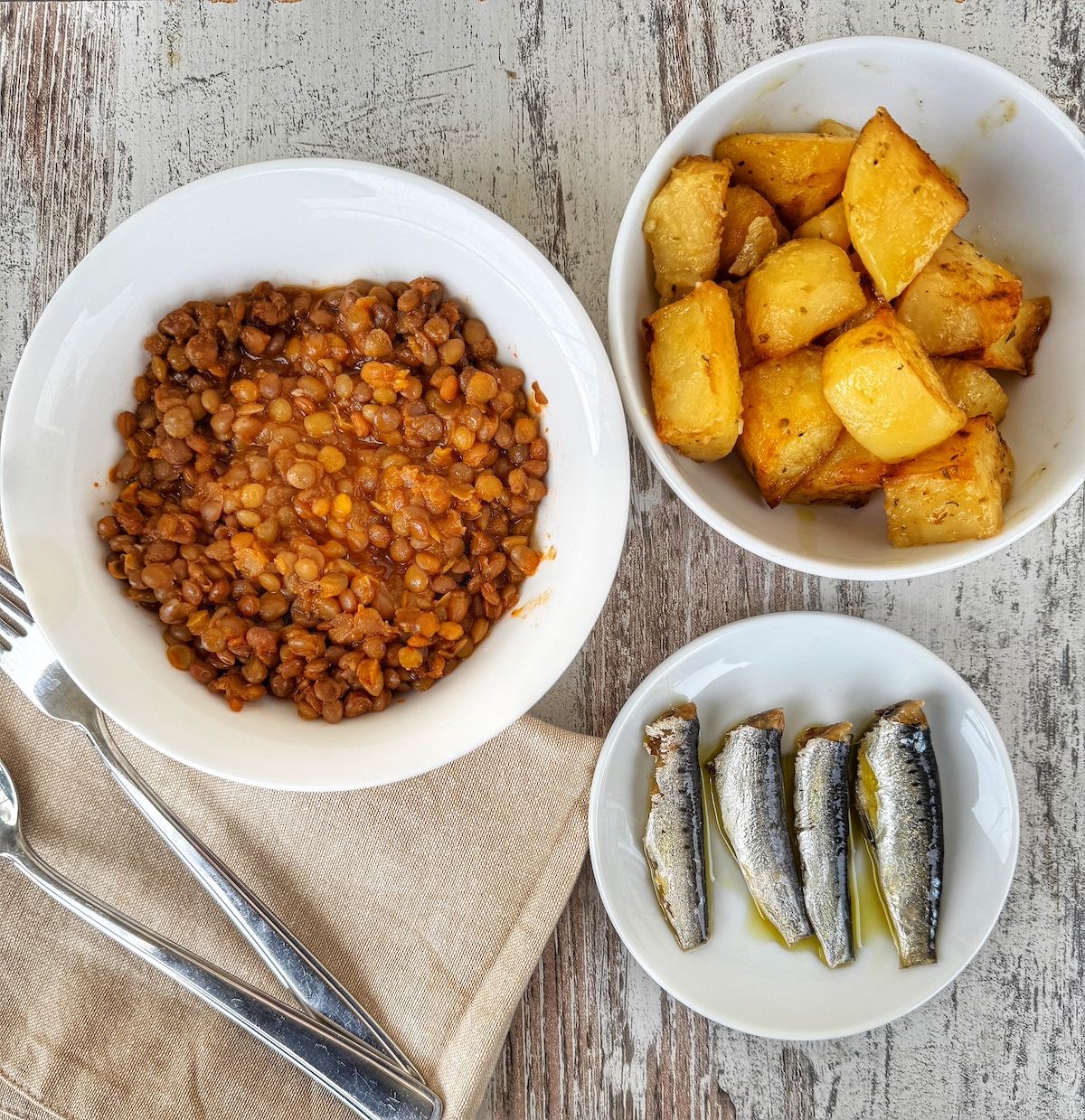
Subsequent decades of epidemiological and clinical research have consistently validated these initial observations. The authentic Mediterranean diet is fundamentally plant-centric. Unlike contemporary Western dietary patterns where vegetables frequently serve as side dishes, traditional Mediterranean culinary traditions place vegetables at the center of the meal. Green leafy vegetables, aromatic herbs, seasonal fruits, legumes, whole grains, and nuts form the foundation of daily consumption. These ingredients are exceptionally rich in exogenous antioxidants, polyphenols, and micronutrients that neutralize free radicals, thereby protecting cellular structures from oxidative stress and chronic inflammation—the underlying drivers of numerous non-communicable diseases.
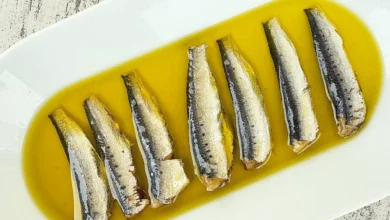
Furthermore, the primary source of dietary fat in this regimen is extra virgin olive oil, which provides a high concentration of monounsaturated fatty acids and powerful phenolic compounds such as oleocanthal. Combined with regular consumption of fatty fish—rich in omega-3 fatty acids—this dietary composition profoundly impacts lipid profiles, endothelial function, and metabolic regulation. Beyond cardiovascular health, extensive neurological studies have correlated long-term adherence to this dietary pattern with a reduced risk of mild cognitive impairment and Alzheimer’s disease. Gerontological research also links the diet to decreased rates of physical frailty among older adults, demonstrating that these nutritional habits preserve both muscular strength and metabolic resilience well into advanced age.
The Architecture of Longevity: The Role of Social Integration
While nutrition provides the biochemical building blocks for health, human biology is equally responsive to psychosocial factors. In the blue zones and traditional communities scattered across the Mediterranean basin, robust social networks serve as a critical buffer against chronic stress and isolation. Public health researchers have long established a direct correlation between social connectedness and longevity, noting that strong community ties can reduce mortality risks comparably to well-known health interventions like smoking cessation.
In these cultures, social structures are woven into the fabric of daily life through extended family systems, neighborhood reciprocity, and communal gatherings. Regular participation in religious services, civic groups, or shared cultural activities fosters a profound sense of belonging and purpose. Sociologists often point to the concept of "third places"—environments distinct from home and the workplace where people gather to converse, relax, and build relationships. In Mediterranean villages, these spaces manifest as local coffee shops, central squares, open-air markets, and neighborhood bakeries. These informal hubs facilitate daily interpersonal interactions, ensuring that individuals remain psychologically anchored and supported by their community throughout their lives.
The Physiological and Psychological Benefits of Informal Physical Activity
Modern fitness culture frequently emphasizes structured, high-intensity exercise performed in specialized gym environments. However, the physical activity profile of long-lived Mediterranean populations diverges sharply from this model. Instead of sporadic, intense workouts, these communities engage in continuous, low-intensity physical activity embedded naturally into their daily routines—a phenomenon often referred to as incidental or lifestyle movement.
Historically and culturally, daily survival and household management in these regions require sustained physical engagement. Activities such as tending home gardens, preparing meals from scratch without processed conveniences, sweeping and maintaining living spaces, and walking to local markets or places of worship constitute the core of physical exertion. This constant movement helps regulate metabolic rate, maintains healthy body composition, and supports cardiovascular fitness without placing excessive strain on the musculoskeletal system.
Geriatric medicine highlights the critical importance of maintaining mobility for older populations. Preserving functional mobility directly correlates with self-efficacy, psychological well-being, and continued social engagement. When older adults can independently navigate their neighborhoods, run errands, and participate in community life, the psychological burden of loneliness and depression diminishes significantly. Thus, informal movement acts as a dual-action intervention, preserving physical vigor while simultaneously reinforcing the social ties necessary for mental health.
Translating Mediterranean Principles into Modern Daily Life
For individuals residing outside the Mediterranean basin, adopting this lifestyle requires conscious restructuring of daily habits to mirror the core tenets of regional longevity. Health experts recommend four foundational changes to integrate these principles into contemporary routines:
First, shift the culinary focus toward a plant-forward paradigm. Rather than treating vegetables as an afterthought, design meals around seasonal produce, legumes, and whole grains, utilizing extra virgin olive oil as the primary culinary fat. Incorporating aromatic herbs and spices can enhance flavor profiles while maximizing antioxidant intake.
Second, cultivate incidental movement throughout the day. Look for opportunities to replace sedentary tasks with active ones—such as walking for short errands, engaging in home gardening, or opting for manual household chores. The objective is to maintain a baseline of continuous physical activity rather than relying entirely on structured exercise sessions.
Third, prioritize intentional social connection. Actively build regular touchpoints into the weekly schedule by scheduling community meals with family, joining local interest groups, or frequenting local establishments that encourage face-to-face interaction and conversation. Mitigating isolation requires deliberate effort in modern, fast-paced environments.
Finally, embrace the rhythm of rest and mindfulness. Traditional Mediterranean lifestyles frequently incorporate moments of daily pause—such as midday rest periods or unhurried evening strolls (the traditional volta)—which help lower cortisol levels and support psychological recovery from daily stressors.
Implications for Modern Public Health and Longevity Research
The enduring relevance of the Mediterranean lifestyle offers a compelling blueprint for modern public health policy. As healthcare systems globally grapple with the rising prevalence of chronic metabolic diseases, healthcare professionals increasingly advocate for lifestyle medicine—an evidence-based approach that utilizes therapeutic lifestyle interventions as primary interventions for chronic conditions.
Epidemiological analysis suggests that fragmented public health campaigns focusing exclusively on dietary restriction or isolated exercise routines yield limited long-term success. True preventative health requires an integrated approach that addresses nutrition, physical movement, mental well-being, and social infrastructure simultaneously. By examining the holistic habits of traditional Mediterranean communities, researchers and clinicians can develop more comprehensive public health strategies that promote not merely the extension of life, but the preservation of vitality, autonomy, and quality of life across the human lifespan.