The Rise of Plant-Based Confectionery
The development of these cookies addresses a long-standing challenge in vegan baking: achieving a "buttery" and soft texture without the use of dairy-based fats. Historically, vegan cookies were often criticized for being overly dense or lacking the structural integrity of their traditional counterparts. However, the integration of high-quality plant-based butter alternatives, which utilize emulsions of plant oils such as coconut, avocado, or sunflower, has allowed pastry chefs to replicate the Maillard reaction and the precise crumb structure associated with conventional cookies.

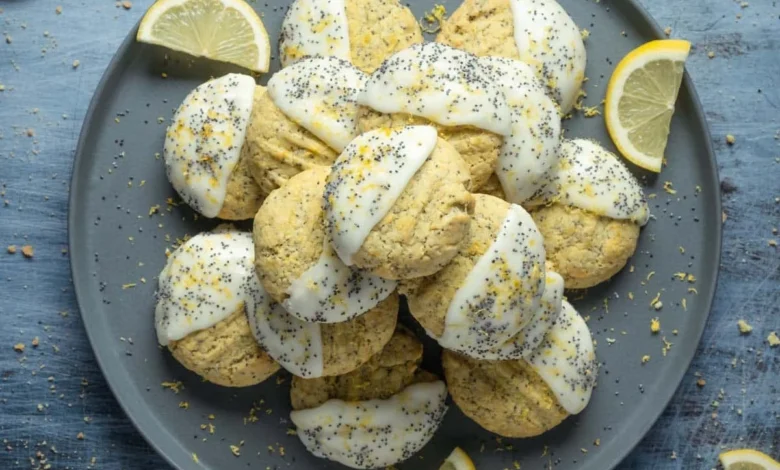
The inclusion of lemon zest and poppy seeds serves as a classic pairing in the culinary arts, rooted in historical European baking traditions where citrus was used to brighten heavy wheat-based desserts. Modern nutritional science highlights the poppy seed (Papaver somniferum) as a nutrient-dense ingredient, providing essential minerals such as manganese and copper, which adds a functional dimension to the dessert beyond mere flavor.

Technical Composition and Formulation
The formulation of these cookies relies on a precise balance of chemical leavening agents and moisture control. Unlike conventional recipes that rely on eggs for binding, this vegan version utilizes a combination of flour hydration and fat-to-sugar ratios to maintain structural stability.

- Lipid Profiles: The use of vegan butter serves as the primary fat, providing the necessary moisture to prevent the cookie from drying out during the baking process.
- Citrus Integration: Fresh lemon zest is used to introduce volatile essential oils (limonene), which provide a more potent aromatic profile than synthetic extracts alone.
- Glazing Methodology: The tangy lemon glaze acts as a moisture barrier, extending the shelf life of the cookie by preventing the interior from hardening when exposed to air.
Comparative Nutritional Analysis
When compared to standard dairy-based lemon cookies, the vegan variant often shows a reduction in saturated fat content, depending on the specific plant-based butter used. A standard serving of these cookies contains approximately 139 kcal, 24g of carbohydrates, and 4g of fat. By eliminating cholesterol-heavy dairy ingredients, these cookies cater to a broader demographic, including those with lactose intolerance or those adhering to heart-healthy dietary guidelines.

Standardized Preparation Procedures
The production of these cookies follows a strict professional sequence to ensure consistency:

- Creaming Phase: Vegan butter and white sugar are emulsified in a stand mixer to aerate the dough, which is critical for the final texture.
- Aromatic Infusion: Lemon zest and extract are added during the creaming stage to ensure the citrus oils are evenly distributed throughout the lipid matrix.
- Dry Ingredient Integration: Flour and dry components are mixed separately before being folded into the wet ingredients to prevent over-development of gluten, which would result in a tough cookie.
- Thermal Regulation: The dough is chilled to allow for proper fat solidification, a step that prevents excessive spreading during the baking phase.
- Baking Dynamics: Cookies are baked in distinct batches to ensure even heat distribution. Because vegan dough lacks the protein coagulation provided by egg whites, proper spacing on parchment-lined trays is required to facilitate airflow and uniform browning.
Culinary Implications and Market Trends
The shift toward vegan cookies is not merely a trend but a response to shifting consumer demographics. Recent data from the Plant Based Foods Association indicates that 71% of households in the United States now purchase plant-based products. By offering recipes that do not sacrifice flavor or texture, the food industry is effectively lowering the barrier to entry for consumers interested in sustainable eating habits.

Furthermore, the longevity of these cookies—being freezer-friendly for up to three months—reflects a growing consumer preference for meal-prepping and sustainable food storage. This aligns with broader trends in food waste reduction, as households can consume smaller portions over an extended period rather than needing to discard perishable goods.

Expert Perspectives on Flavor Chemistry
Food scientists note that the success of the lemon-poppy seed combination lies in the interplay between acidity and texture. The acidity of the lemon glaze cuts through the richness of the buttery base, while the textural contrast of the poppy seeds provides a "mouthfeel" that mimics the complexity of more elaborate desserts. This sensory balance is a key factor in why citrus-based desserts remain top-performers in bakery sales across global markets.

Future Outlook for Vegan Pastries
As ingredient technology improves, the professional baking industry expects to see further advancements in plant-based proteins and fats. Research into aquafaba (chickpea water) and other plant-based emulsifiers is likely to further bridge the gap between vegan and non-vegan pastry outcomes. For home bakers and professional pastry chefs alike, mastering the delicate balance of a vegan lemon poppy seed cookie serves as a benchmark for competency in the expanding field of plant-based culinary arts.

The adoption of such recipes by mainstream audiences signifies a maturation of the plant-based movement, moving away from "substitute" ingredients and toward a focus on high-quality, ingredient-driven baking that stands on its own merits. As supply chains for plant-based fats become more robust and cost-effective, it is anticipated that such recipes will become standard inclusions in general culinary curriculum and home baking repertoires worldwide.