Mastering Sarma: Chef Djordjo Cetkovic Brings Authentic Serbian Cabbage Rolls to the Global Stage

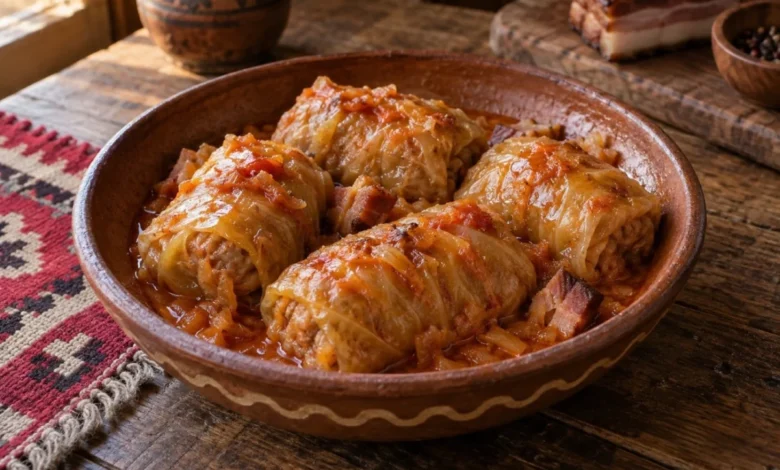
The culinary traditions of the Balkan Peninsula represent a complex tapestry of flavors shaped by centuries of geopolitical shifts, agricultural adaptation, and cultural exchange. Among the region’s most revered gastronomic symbols is sarma—a dish of fermented cabbage leaves stuffed with a savory mixture of minced meat and rice. While variations of stuffed cabbage appear across Eastern Europe, Central Asia, and the Middle East, the Balkan iteration holds a uniquely sacred place in domestic kitchens and ceremonial feasts.
Recently, acclaimed Serbian Chef Djordjo Cetkovic, currently serving as Executive Chef at Pano Kato in Singapore and acting as an ambassador for the Culinary Federation of Serbia in Asia, has stepped forward to champion this foundational comfort food. By sharing his expert techniques and cultural insights, Chef Cetkovic aims to demystify sarma for international home cooks while highlighting the deep-rooted traditions that make the dish an enduring pillar of Serbian heritage.
Cultural Significance and the Tradition of Slava
To understand sarma is to understand the social fabric of the Balkans, particularly in Serbia, where food serves as a primary vehicle for preserving ancestral memory and community bonds. Unlike everyday weeknight cooking, authentic sarma is historically associated with profound milestones, winter sustenance, and major religious and familial observances.
Chief among these is slava, a uniquely Serbian Orthodox tradition wherein a family honors its patron saint. During a slava celebration, households open their doors to relatives, neighbors, and friends, offering a heavily laden table of ritual foods. Sarma invariably occupies a central position at these gatherings. The dish’s labor-intensive preparation process—requiring the meticulous selection of leaves, the careful blending of seasonings, the rolling of individual parcels, and hours of patient, low-heat simmering—demands a communal mindset.
Chef Cetkovic emphasizes that preparing sarma is an exercise in patience and respect for culinary chronology. In an era dominated by convenience and speed, sarma demands time. The cabbage must undergo proper fermentation, the filling must be integrated with precision, and the final dish requires a mandatory resting period after cooking to allow the complex flavors to cohere. This deliberate pace reflects a broader philosophy regarding heritage foods: that the quality of the meal is intrinsically linked to the care and time invested in its creation.
Sourcing Authentic Ingredients: The Foundation of Flavor
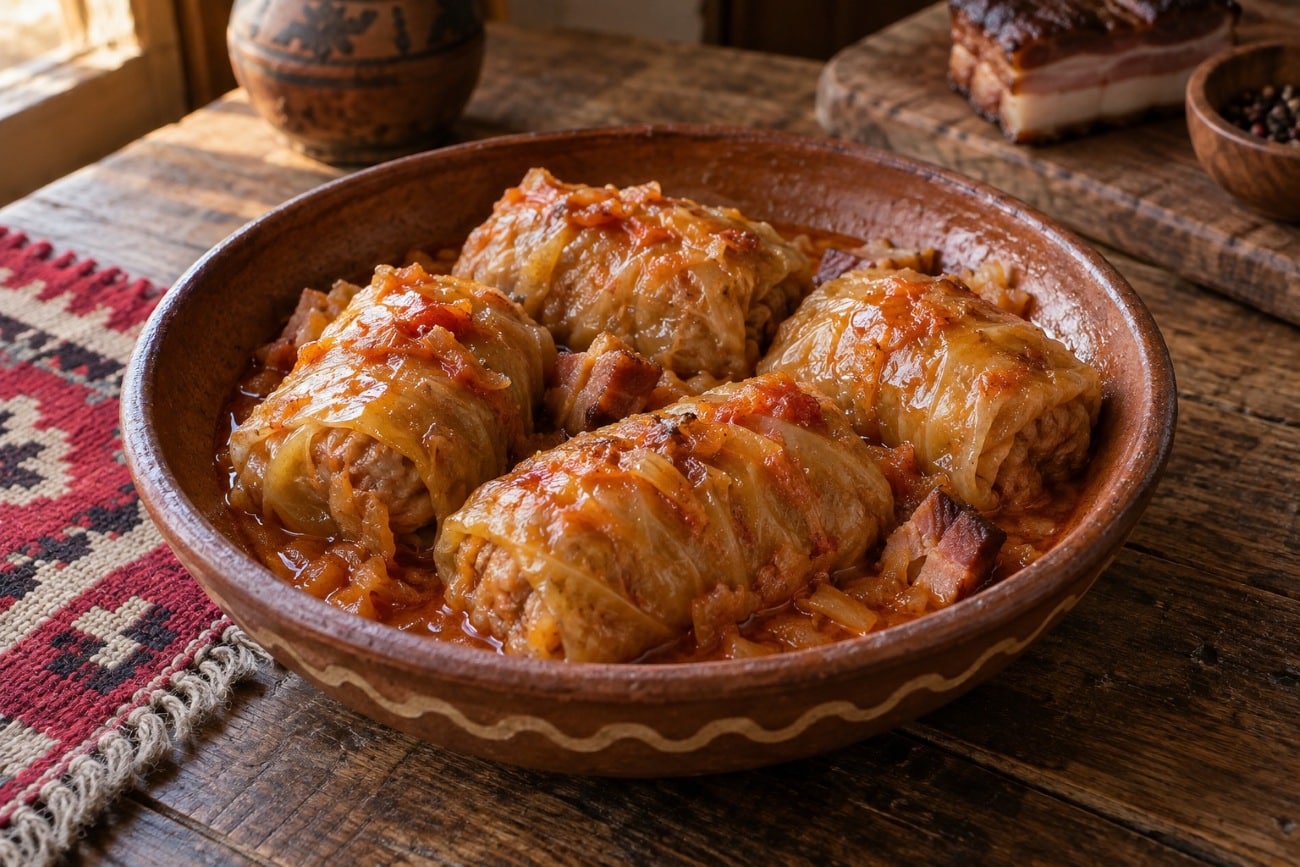
One of the primary challenges facing international cooks attempting to replicate traditional Balkan sarma lies in ingredient procurement. The dish relies fundamentally on whole fermented cabbage leaves, colloquially known as sour cabbage (kiseli kupus), which differ substantially from the shredded, vinegar-pickled sauerkraut commonly found in standard Western supermarkets.
Whole fermented cabbage heads or vacuum-packed leaves can typically be sourced through specialty Eastern European, Mediterranean, or Balkan grocery stores, as well as curated online specialty food retailers. These large, pliable, lacto-fermented leaves provide the structural integrity required to contain the meat and rice filling while imparting a signature tangy complexity that fresh cabbage cannot replicate.
Furthermore, the choice of protein and curing methods plays a critical role in the chemical and flavor profile of the dish. Traditional recipes utilize a blend of ground pork and beef, bound with short-grain rice and seasoned with paprika, black pepper, and garlic. Crucially, authentic preparations incorporate smoked bacon or cured pork ribs layered between and over the cabbage rolls during the braising process.
Balancing Salt and Seasoning Mechanics
A common pitfall for novices attempting sarma is incorrect seasoning, particularly concerning sodium levels. Because fermented cabbage and smoked pork products are naturally salt-cured, traditional recipes frequently omit the addition of table salt during the early stages of assembly.
Chef Cetkovic advises a methodical approach to managing salinity. Cooks should first taste a small piece of the fermented cabbage leaf. If the salt content is overwhelmingly high, a brief rinse under cold water may be necessary. Similarly, the raw meat and rice filling must be evaluated before the rolling process begins. A recommended culinary technique involves pan-frying a small spoonful of the filling mixture to test its flavor balance, allowing the cook to adjust spices before committing the entire batch to the leaves.
During the two-hour simmering process, the salt and smoke from the bacon gradually permeate the cabbage rolls, creating a harmonious infusion of flavors. Consequently, under-seasoning the raw filling slightly is preferable to over-salting, as the braising medium actively contributes to the final seasoning profile.
The Evolution of Balkan Cuisine on the International Culinary Scene
Chef Cetkovic’s efforts to promote Serbian gastronomy in Asia reflect a broader, contemporary movement within the global hospitality industry. For decades, Western European, Mediterranean, and East Asian cuisines dominated international fine dining and media coverage, while Eastern European and Balkan flavors remained largely confined to diaspora communities.
However, a growing appreciation for fermentation, nose-to-tail eating, and comforting heritage dishes has sparked renewed interest in Balkan cookery. Chefs with international platforms, such as Cetkovic—who boasts over two decades of professional experience across Europe and Asia and has authored culinary literature including The Grand Heritage Cookbook—are uniquely positioned to bridge this gap. By operating at the intersection of traditional technique and modern hospitality, these culinary ambassadors elevate regional staples into globally recognized gastronomy.
The Implications of Preserving Heritage Cooking Methods
The resurgence of interest in labor-intensive dishes like sarma carries significant implications for modern food culture. As industrialized food systems increasingly prioritize hyper-convenience, the generational transfer of traditional cooking skills faces a distinct threat of erosion.
Dishes like sarma act as cultural anchors, safeguarding agricultural preservation techniques such as lacto-fermentation and curing that predate refrigeration. When chefs like Cetkovic publicly advocate for the preservation of these methods, they contribute to a wider educational ecosystem. Home cooks are encouraged to look beyond pre-packaged meal solutions and engage with the biological and historical processes that underpin global culinary history.
Moreover, the globalization of regional foods fosters cross-cultural appreciation. Ingredients once deemed obscure—such as whole fermented cabbage heads—find new markets outside their countries of origin, supporting specialty import businesses and encouraging culinary curiosity among diverse demographics.
Anatomy of an Authentic Recipe: Sarma Preparation Framework
For those wishing to replicate the authentic Serbian sarma experience at home, adhering to the foundational parameters outlined by master chefs ensures structural and gustatory success.

Preparation generally begins with thorough planning. Approximately forty minutes of active preparation time is required to prepare the filling, separate and trim the fermented cabbage leaves, and roll the parcels. The process involves combining ground meats, washed rice, and aromatics, ensuring that the heavy central veins of the cabbage leaves are shaved down to facilitate tight, secure rolling.
Once the rolls are constructed, they are arranged tightly in a heavy-bottomed pot, interspersed with chunks of smoked bacon and occasionally dried red peppers. Water or a light broth is added, and the pot is brought to a gentle simmer.
As noted in professional culinary notes, maintaining a low, controlled simmer is critical. A vigorous, rolling boil can disrupt the structural integrity of the cabbage parcels, causing the leaves to unravel and muddying the braising broth. The slow braise must proceed uninterrupted for approximately two hours, allowing the collagen in the meats to break down and the rice to absorb the surrounding liquids.
Finally, the discipline of resting cannot be overstated. Allowing the cooked sarma to rest off the heat before plating allows the internal starches and fats to settle, yielding a cohesive texture and a balanced distribution of flavors.
Conclusion: The Enduring Legacy of Sarma
Sarma remains much more than a seasonal winter meal; it is a living artifact of Balkan history, communal resilience, and culinary artistry. Through the dedicated advocacy of international chefs like Djordjo Cetkovic, the techniques required to craft authentic Serbian cabbage rolls are reaching a broader, more globally diverse audience than ever before.
By respecting the timeline of fermentation, embracing the meticulous nature of hand-rolling, and honoring the balance of traditional ingredients, home cooks everywhere can participate in a culinary tradition that spans generations. As the global palate continues to embrace authentic regional heritage foods, dishes like sarma stand ready to take their rightful place on the international stage.