Beyond the Trend: Why the Authentic Mediterranean Diet Remains a Global Health Cornerstone

For decades, modern nutritional science has cycled through an endless succession of dietary fads, from ultra-low-fat crazes to high-protein exclusions and restrictive caloric countdowns. Yet, amid shifting consumer habits and conflicting health advice, one dietary framework has consistently maintained its standing as a gold standard for longevity and metabolic wellness: the traditional Mediterranean diet. Far from a contemporary corporate wellness product or a rigid regimen built on deprivation, this time-tested approach to eating is rooted in the cultural heritage, agricultural realities, and social traditions of the Mediterranean basin.
Understanding the enduring relevance of this lifestyle requires looking past commercial adaptations and examining the core components that have sustained generations of Mediterranean populations. According to public health data and nutritional experts who have spent decades studying the region, the true foundation of this diet is not about eliminating favored foods or enforcing austere rules. Instead, it relies on the habitual integration of nutrient-dense, minimally processed staples that have anchored local culinary practices for centuries.
Historical Origins and Evolution of the Mediterranean Diet
The recognition of the Mediterranean diet as a distinct and superior health model did not emerge in a corporate laboratory; rather, it was born from epidemiological observation. In the mid-20th century, researchers conducting landmark studies—most notably the Seven Countries Study led by American physiologist Ancel Keys—observed that populations in regions such as Crete, Southern Italy, and other parts of the Mediterranean exhibited remarkably low rates of chronic illnesses, particularly cardiovascular disease, despite socioeconomic challenges following the Second World War.
What researchers discovered was a dietary pattern dictated by geography and agrarian availability. Historically, inhabitants of these regions consumed what the land and sea could readily provide: an abundance of seasonal vegetables, wild greens, legumes, fruits, and whole grains, supplemented by modest amounts of dairy and fish, and bound together by the ubiquitous use of extra virgin olive oil. Meat was traditionally reserved for festive occasions or consumed sparingly as a flavoring agent rather than the centerpiece of a meal.
Over the ensuing decades, nutritional epidemiologists quantified these observations. Clinical trials, including the landmark PREDIMED study in Spain, repeatedly demonstrated that a traditional Mediterranean diet supplemented with extra virgin olive oil or nuts significantly reduced the incidence of major cardiovascular events. These scientific validations transformed the regional habits of a few southern European countries into a globally recognized prescription for preventative medicine.
The Five Indispensable Pillars of Authentic Mediterranean Eating
An analysis of pantries and refrigerators across Greece, Southern Italy, and the broader Mediterranean reveals that longevity and culinary satisfaction are driven by a specific set of foundational ingredients. These elements provide not only essential macronutrients and micronutrients but also the sensory pleasure that prevents dietary fatigue.
1. Whole Grains: The Complex Carbohydrate Foundation
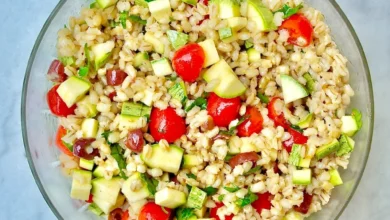
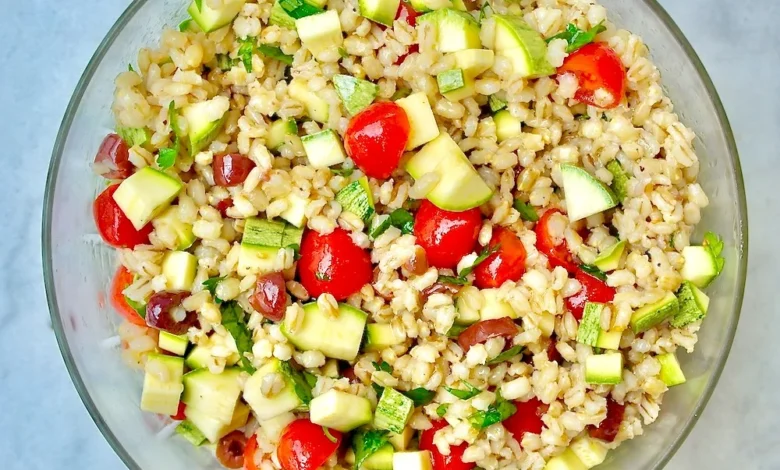
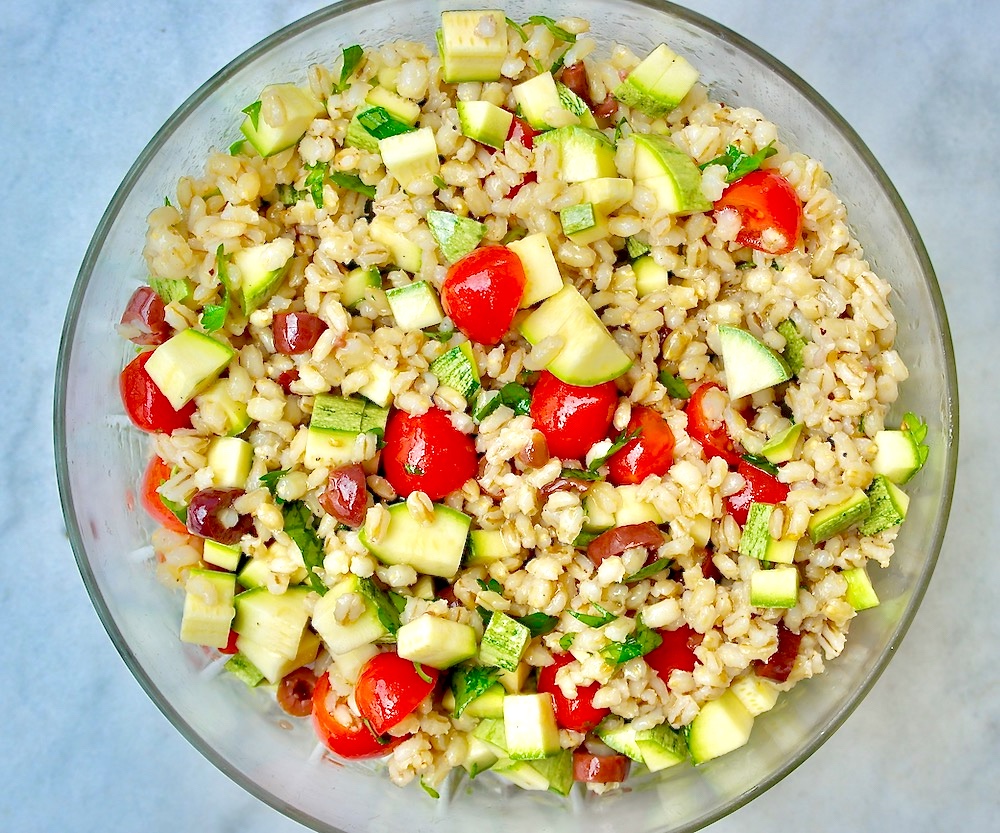
Unlike refined white flours stripped of their nutritional integrity, traditional Mediterranean diets rely heavily on whole grains that retain their bran, germ, and endosperm. Depending on the specific micro-region, these include ancient and robust grains such as barley, bulgur, farro, and whole-grain rustic breads.
From a nutritional standpoint, these complex carbohydrates deliver a steady release of glucose, reducing glycemic spikes while supplying vital dietary fiber, B vitamins, and trace minerals. In traditional households, grains are rarely consumed in isolation. Instead, they serve as the vehicle for fiber-rich vegetables, legumes, fresh herbs, and olive oil, creating satisfying, cohesive meals that promote sustained satiety.
2. Extra Virgin Olive Oil: The Indispensable Lipid
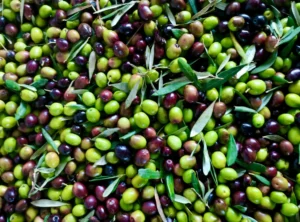
It is a physiological and cultural impossibility to discuss the Mediterranean diet without addressing extra virgin olive oil. Acting as the culinary and nutritional backbone of the region, it is utilized across all meal courses—from cooking and salad dressings to marinades and even traditional baking. Greece, in particular, consistently records the highest per capita consumption of olive oil globally.
Nutritionally, extra virgin olive oil is distinguished by its high concentration of monounsaturated fatty acids, primarily oleic acid, and a robust profile of bioactive antioxidant compounds known as polyphenols. Public health bodies and dietary guidelines emphasize that the Mediterranean diet is inherently high-fat, but specifically high in healthy, plant-based fats. Furthermore, culinary experts note that the generous application of olive oil plays a vital psychological and physiological role: it transforms nutrient-dense yet bitter vegetables into palatable, enjoyable foods, thereby ensuring long-term dietary compliance.
3. Vegetables and Seasonal Produce: Maximizing Micronutrient Intake
The vegetable kingdom occupies the central focal point of the Mediterranean plate. Tomatoes, leafy greens, eggplants, zucchini, peppers, onions, and cruciferous vegetables are consumed in vast quantities, dictated strictly by seasonal availability.
Rather than requiring complex culinary preparations or heavy cream-based sauces, these vegetables are typically roasted simply with olive oil and oregano, simmered slowly in olive-oil-based tomato sauces (known in Greece as ladera), or stuffed with rice and aromatic herbs. This minimalist approach preserves the integrity of the micronutrients, dietary fiber, and diverse phytochemicals present in the produce, while maximizing natural flavor profiles.
4. Greek Yogurt: Fermented Dairy as a Daily Staple
While modern commercial markets have commodified Greek yogurt as a specialized high-protein wellness product, its role in the Mediterranean has always been far more mundane and foundational. Thick, strained yogurt is consumed daily, eaten plain, sweetened naturally with honey and seasonal fruit, or utilized as the primary base for savory preparations like tzatziki, a garlic and cucumber yogurt dip.
From a biochemical perspective, traditional strained yogurt offers a concentrated source of high-quality dairy protein and calcium. Furthermore, varieties containing live and active bacterial cultures contribute to a diverse gut microbiome, supporting gastrointestinal health and immune function as part of a balanced daily intake.
5. Oregano and Indigenous Herbs: Flavor Without Chemicals
Aromatic herbs are utilized not merely as superficial garnishes in Mediterranean kitchens, but as active architectural components of flavor development. Dried Greek oregano, in particular, is a ubiquitous pantry staple across households in the region.
Rich in natural antioxidant compounds, herbs like oregano allow cooks to build deep, complex flavor profiles in simple dishes—such as roasted potatoes, beans, tomatoes, and fish—without relying on excessive sodium, artificial flavor enhancers, or complex, calorie-dense sauces. This reliance on natural botanicals ensures that wholesome, everyday ingredients remain intensely gratifying to the palate.
Socioeconomic and Lifestyle Implications of the Mediterranean Model
Public health authorities increasingly recognize that the efficacy of the Mediterranean diet extends far beyond the biochemical interaction of its constituent nutrients. The paradigm is fundamentally a lifestyle framework. It encompasses the sociological aspects of food consumption: eating seasonally, cooking from scratch using primary ingredients, sharing meals communally, and viewing dining as a deliberate, unhurried daily ritual rather than a rushed biological necessity.
In an era marked by the global proliferation of ultra-processed foods, rising rates of metabolic syndrome, and lifestyle-related chronic diseases, health economists and policymakers frequently look to the Mediterranean model as a sustainable blueprint for public health interventions. The implications suggest that shifting populations away from hyper-palatable, nutrient-deficient industrial foods toward traditional dietary patterns can yield measurable reductions in healthcare expenditures related to obesity, diabetes, and cardiovascular pathologies.
Ultimately, the enduring endurance of the Mediterranean diet offers a reassuring counter-narrative to modern nutritional anxiety. It demonstrates that optimal health and culinary pleasure are not mutually exclusive adversaries, but rather complementary facets of a balanced, sustainable human existence.