Silent Killers on the Asphalt: The Nisqually Tribe and Scientists Fight to Save Pacific Northwest Salmon from Tire Chemical Runoff

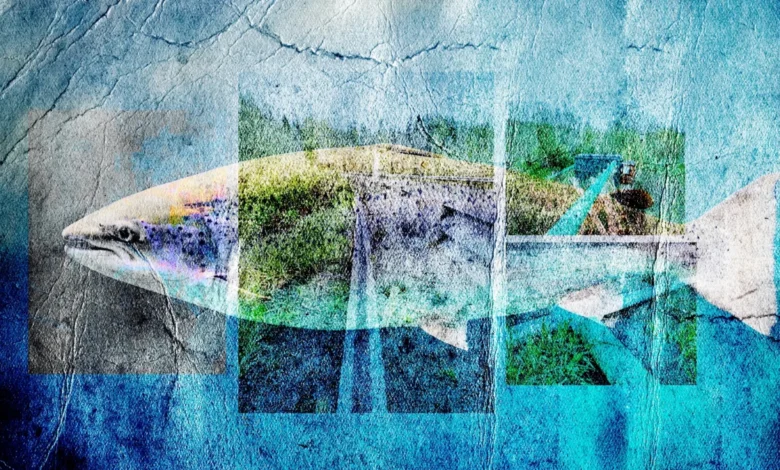
The Pacific Northwest is globally renowned for its dramatic landscapes, temperate rainforests, and vibrant aquatic ecosystems. Yet, a hidden and lethal mechanism operates beneath the tires of millions of vehicles traversing the region’s roadways. Every time rain falls on asphalt, it mobilizes a silent, highly toxic chemical compound that transforms urban and rural watersheds into death sentences for migrating coho salmon. For the Nisqually Tribe, whose identity, culture, and subsistence have been inextricably linked to salmon since time immemorial, this chemical pollution represents an existential crisis. Collaborating with researchers, environmental nonprofits, and state agencies, the Tribe is pioneering engineering interventions to intercept the poison before it decimates the next generation of Pacific Northwest salmon.
The Anatomy of a Crisis Along Highway 7
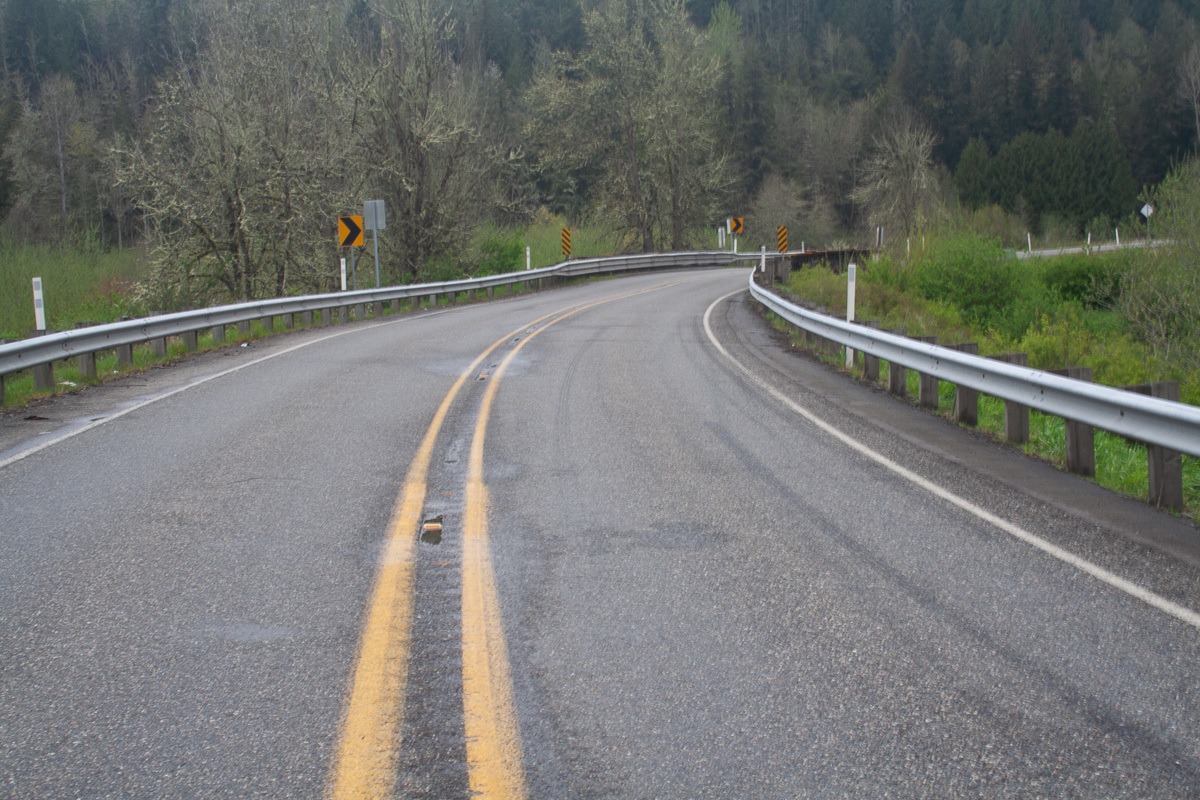
Highway 7 runs north-south through western Washington, cutting through a landscape of sparse residences, family farms, and dense woodlands. The landscape shifts dramatically with the seasons; the heavy, persistent rains of late winter give way to lush green springs marked by blossoming deciduous trees and active wildlife. Flowing beneath this highway is Ohop Creek, a vital regional spawning ground for coho salmon. Here, juvenile fish spend the formative months of their lives before embarking on a perilous downstream journey to the open ocean.
This region is the ancestral homeland of the Nisqually Tribe, an indigenous community with a reservation spanning roughly 5,000 acres nearby. The Tribe’s Department of Natural Resources has long spearheaded extensive ecological restoration projects along Ohop Creek and surrounding waterways. For the Nisqually people, salmon are far more than a dietary staple; they are a cornerstone of cultural continuity and tribal sovereignty.
For decades, the Tribe has fought on the front lines of regional salmon recovery. However, the threat identified in late 2020 is uniquely insidious because it originates not from industrial dumping pipes or agricultural waste, but from the everyday friction of modern transportation. Every vehicle driving along Highway 7—and every parked car leaving behind microscopic tire wear particles—contributes directly to a chemical catastrophe.
Unmasking the Culprit: The Discovery of 6PPD-Quinone
The realization that everyday driving was systematically killing coho salmon came after years of painstaking scientific investigation. For decades, urban stormwater runoff in cities like Seattle and Tacoma had been observed causing a mysterious phenomenon known as "urban runoff mortality syndrome." Adult coho salmon returning from the ocean to spawn in freshwater streams would suddenly exhibit erratic behavior, swimming in disoriented circles, gasping for air at the surface, and dying within hours of encountering urban stormwater.
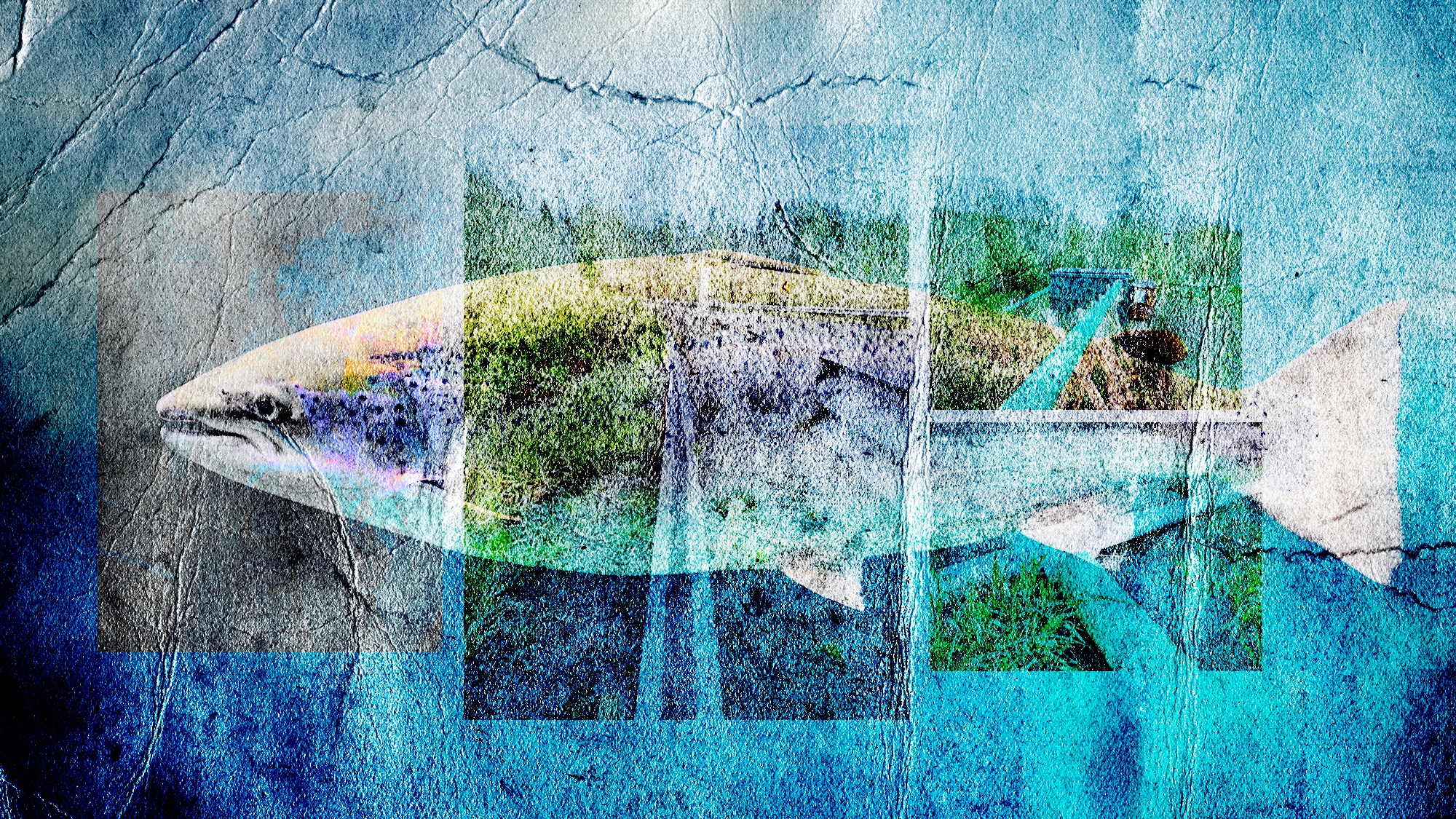
The breakthrough came in December 2020, when a team of researchers published a landmark study in the journal Science. Led by Zhenyu Tian—then a research scientist at the Center for Urban Waters at the University of Washington, Tacoma, and now an assistant professor at Northeastern University—the research team successfully identified the primary agent responsible for the mass die-offs: 6PPD-quinone.
Utilizing high-resolution mass spectrometry, a cutting-edge analytical method capable of identifying individual chemicals in complex water samples based on molecular weight, the researchers isolated the compound. 6PPD is an antioxidant and antiozonant widely added to rubber compounds during tire manufacturing to prevent cracking and degradation caused by atmospheric ozone. However, when 6PPD reacts with ozone in the environment, it transforms into 6PPD-quinone.
When rainfall washes over paved surfaces, it acts as a conveyance system. The damp, rainy climate of the Pacific Northwest exacerbates the problem, combining with impermeable asphalt surfaces to sweep 6PPD-quinone, heavy metals, petroleum byproducts, and lawn fertilizers directly into local watersheds. The chemical is acutely toxic to coho salmon, capable of killing the fish at remarkably low concentrations.
Chronology of Discovery and Response
The identification of 6PPD-quinone catalyzed a swift, albeit challenging, mobilization among scientists, tribal governments, and regulatory agencies. The timeline of this unfolding environmental emergency highlights the urgency required to address legacy chemical pollution:
- Pre-2000s to 2010s: Researchers and local residents document recurrent, unexplained pre-spawn mortality events among coho salmon in urbanized watersheds across the Puget Sound region, initially termed urban runoff mortality syndrome.
- December 2020: Dr. Zhenyu Tian and a team of researchers publish findings in Science, definitively identifying 6PPD-quinone as the toxic transformation product of tire anti-degradants responsible for coho salmon deaths.
- Late 2020: David Troutt and the Nisqually Tribe’s Department of Natural Resources learn of the discovery at a Puget Sound Salmon Recovery Council meeting, recognizing an immediate threat to Ohop Creek and tribal fisheries.
- July 2021: Researcher Jenifer McIntyre testifies before the U.S. House of Representatives regarding the ecological risks posed by 6PPD-quinone, amplifying calls for regulatory action and source elimination.
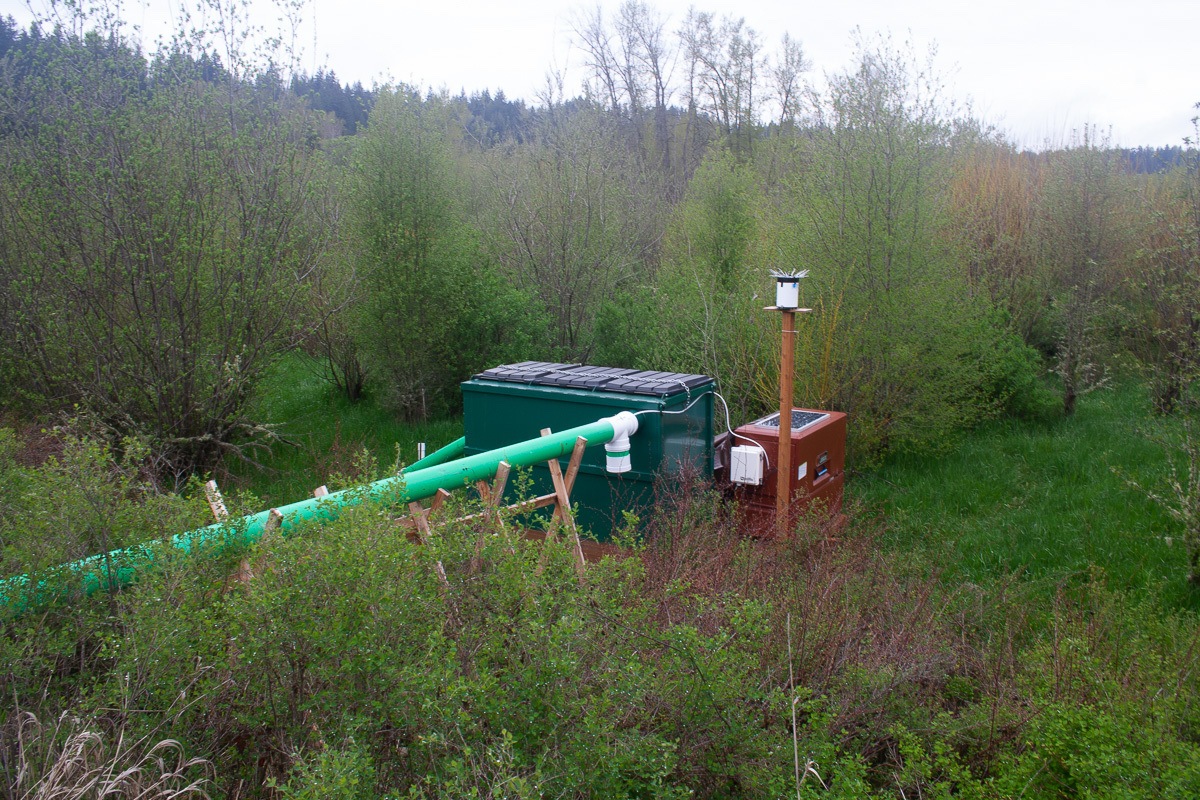
- May 2022: The Nisqually Tribe, in partnership with Seattle-based nonprofit Long Live the Kings and Cedar Grove Composting, installs a dumpster-sized pilot biofiltration system along Highway 7 at Ohop Creek to treat road runoff.
- Ongoing (2022–Present): State agencies, including the Washington State Department of Ecology, collaborate with industrial stakeholders, municipal facilities, and the U.S. Tire Manufacturers Association to explore regulatory controls, permit compliance under the Clean Water Act, and the search for safe chemical alternatives.
Economic and Ecological Stakes
The ecological implications of declining coho salmon populations extend far beyond the borders of Washington State. Coho salmon (Oncorhynchus kisutch) are a foundational species within the broader Pacific Northwest food web, serving as an essential nutrient source for dozens of terrestrial and marine animals, including orcas, eagles, bears, and wolves. Furthermore, the species holds significant commercial and recreational value. In 2019 alone, approximately 27 million pounds of coho salmon were harvested for consumption across the United States.
The sudden mortality rates observed in pre-spawn adults threaten to disrupt this economic and ecological balance. Because these fish die before they are able to deposit and fertilize their eggs, successive generations face severe population bottlenecks. David Troutt, natural resources director for the Nisqually Tribe, noted the psychological weight of the discovery. While terrifying to realize that a ubiquitous consumer product was driving the extinction vortex, having a precise chemical target provided a tangible "smoking gun" to fight against.
Engineering Solutions: The Ohop Creek Biofiltration Pilot
Addressing a pollutant as ubiquitous as tire wear particles requires a multi-pronged strategy. According to environmental experts and tribal leaders, the ultimate solution is source elimination: finding a salmon-safe, ecologically benign alternative to 6PPD for tire manufacturing. However, industry experts caution that even if an ideal replacement were discovered immediately, legacy tire particles embedded on and along roadways would continue to leach 6PPD-quinone into stormwater for 15 to 20 years.
Consequently, immediate infrastructural intervention is mandatory. To bridge this gap, the Nisqually Tribe partnered with Long Live the Kings to deploy an innovative stormwater filtration system along Highway 7 at Ohop Creek.
The pilot installation is designed to capture runoff as it drains from the asphalt surface, channeling the contaminated water into a dumpster-sized containment box. Inside, the water passes through a specialized medium composed of sand and organic matter—materials engineered to bind and neutralize toxic compounds before the treated water is safely released back into the environment.
The design of the Highway 7 filter builds upon previous experiments conducted by Jenifer McIntyre, an environmental toxicologist and researcher at Washington State University. McIntyre previously collaborated with Cedar Grove Composting and the city of Bellevue, Washington, to test Bioretention Urban Retrofits, colloquially known as "BURitos." These systems demonstrated high efficacy in removing toxic contaminants from stormwater retention ponds and reducing overall water toxicity. The Nisqually installation adapts these principles into a mobile, scalable unit that integrates seamlessly with existing roadside drainage infrastructure.
Regulatory Landscapes and Industry Collaboration
As local pilot projects demonstrate engineering feasibility, institutional and regulatory frameworks are shifting to address the crisis at scale. Following her congressional testimony, Dr. McIntyre and her peers have engaged with state and federal agencies to establish stringent guidelines governing stormwater discharges.
The Washington State Department of Ecology has initiated cooperative dialogues with industrial facilities, municipal operators, and transportation authorities. Many of these entities operate under National Pollutant Discharge Elimination System (NPDES) permits authorized by the federal Clean Water Act. Regulators are actively assessing how future permit requirements can incorporate mandates for advanced stormwater treatment technologies capable of capturing micro-pollutants like 6PPD-quinone.
Concurrently, dialogue has opened with the U.S. Tire Manufacturers Association and chemical producers to research safer chemical alternatives. However, finding an additive that can match the performance of 6PPD in protecting rubber from ozone degradation—while ensuring structural safety and longevity for millions of motor vehicles—remains a formidable chemical engineering challenge.
Unresolved Questions and Future Implications
Despite significant scientific advancements, critical knowledge gaps remain regarding the scope of 6PPD-quinone toxicity. Researchers are actively studying the precise physiological mechanisms through which the chemical induces mortality in coho salmon, seeking to determine whether the toxin targets neurological pathways, cardiovascular systems, or gill functions.
Furthermore, scientists are investigating the broader ecotoxicological profile of 6PPD-quinone. Questions persist regarding its impact on other aquatic species, freshwater ecosystems outside the Pacific Northwest, and potential downstream implications for human health. While returning adult coho salmon are generally not harvested for commercial human consumption at the end of their lifecycle, the bioaccumulation potential of tire-derived chemicals in aquatic food webs warrants comprehensive longitudinal study.
Dr. Tian estimates that answering these complex toxicological questions will require at least five years of sustained research. Yet, the more pressing operational challenge lies in mitigating the vast quantities of 6PPD already distributed across global roadways.
For the Nisqually Tribe and their conservation partners, the single biofiltration unit at Ohop Creek is viewed as a foundational proof-of-concept rather than a standalone fix. Tribal leaders intend to evaluate the efficacy of the pilot installation and advocate for its widespread replication across vulnerable watersheds throughout the Pacific Northwest. While high-volume water flows during major storm events may occasionally exceed the capacity of individual biofiltration units, integrating these systems into regional infrastructure offers a vital defense mechanism.
By combining cutting-edge environmental chemistry, indigenous land stewardship, and aggressive stormwater engineering, the communities of the Pacific Northwest are forging a pathway forward. Until the automotive and chemical manufacturing sectors succeed in removing 6PPD from global supply chains, decentralized filtration systems and targeted watershed protections remain the last line of defense for the region’s iconic salmon runs.