The Ultimate Fusion Comfort Food: Philly Cheesesteak Egg Rolls Take the Culinary World by Storm

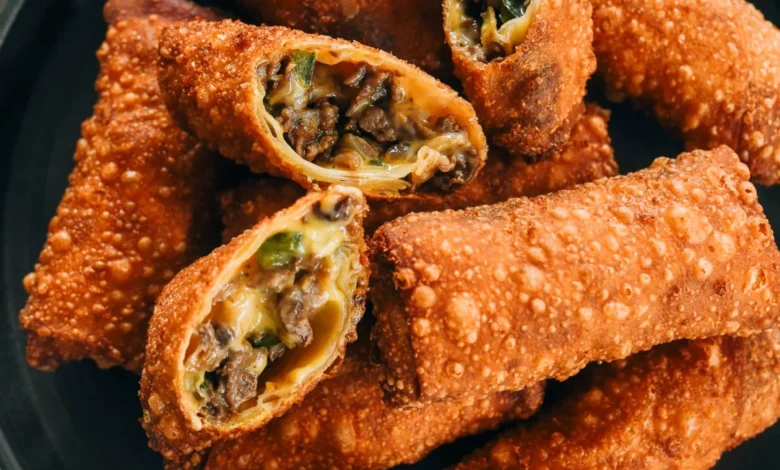
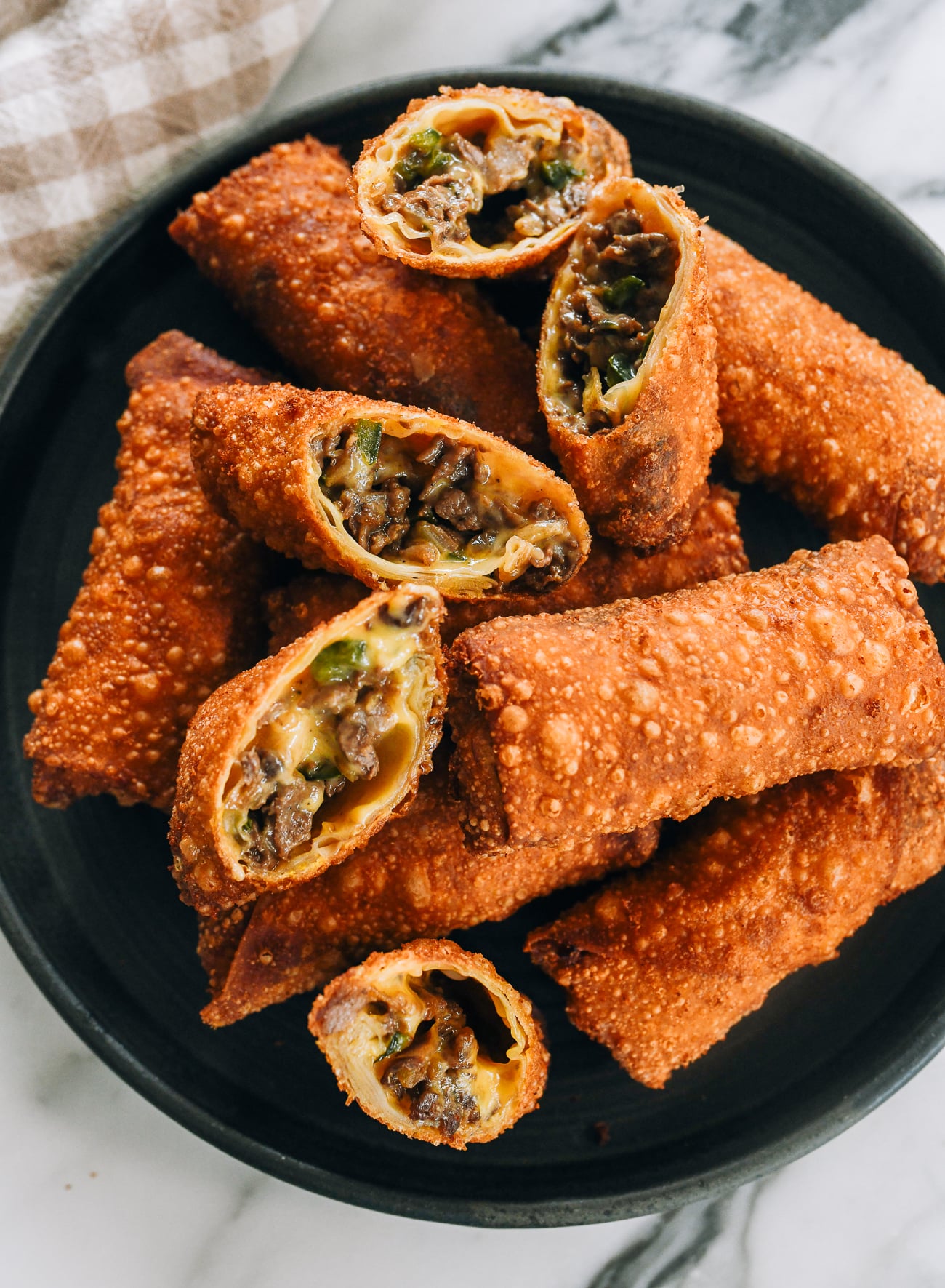
The intersection of classic regional American comfort food and traditional Asian-style preparation has yielded one of the most viral and enduring culinary trends of the digital age: the Philly Cheesesteak Egg Roll. Combining the savory, melt-in-your-mouth profiles of a traditional Philadelphia cheesesteak with the satisfying, golden crunch of a deep-fried egg roll wrapper, this hybrid dish has captured the attention of home cooks and professional kitchens alike. Though culinary historians and food bloggers first began trading variations of the recipe online as early as 2018, the dish has experienced a massive resurgence in popularity, prompting top-tier food creators to officially codify their own definitive versions.
Origins and Evolution of the Hybrid Snack
The conceptual roots of fusion egg rolls trace back decades, born out of the cross-cultural experimentation common in metropolitan American food scenes. While classic egg rolls historically feature fillings centered around pork, shrimp, chicken, or mixed vegetables—and adaptations like the famous Cheesecake Factory avocado egg roll paved the way for non-traditional ingredients—the adaptation of the Philly cheesesteak represents a particularly synergistic pairing.
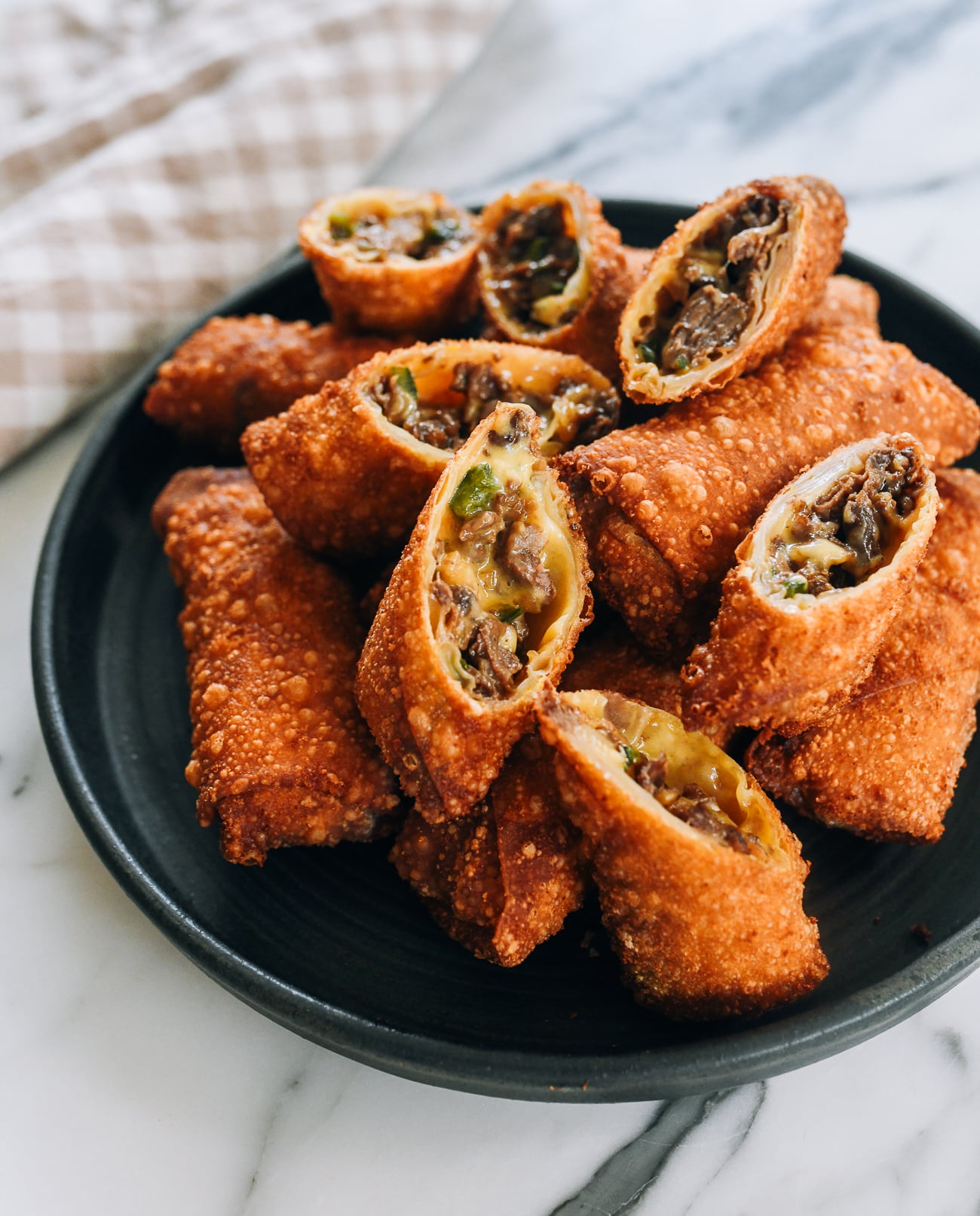
The core components of a traditional Philly cheesesteak—thinly sliced beef, sweet onions, bell peppers, and gooey, melted cheese—are naturally suited for enclosure within a tight pastry wrapper. The barrier of the egg roll skin traps the moisture and rich fats inside during the cooking process, resulting in a portable package that delivers all the flavor profiles of the original sandwich without requiring a traditional hoagie roll. Culinary analysts note that dishes benefiting from high-heat cooking methods tend to perform exceptionally well on social media platforms, driving millions of home cooks to attempt the recipe in their own kitchens.
Recipe Engineering and Culinary Adjustments
Developing a repeatable, high-yield recipe for Philly Cheesesteak Egg Rolls requires careful attention to ingredient ratios and moisture control, factors emphasized by culinary experts who have spent years perfecting egg roll techniques. Traditional cheesesteaks rely on a minimalist seasoning profile—typically salt, black pepper, onions, and beef—but fusion adaptations frequently introduce subtle umami enhancers to elevate the flavor profile.
According to kitchen test notes from prominent recipe developers, incorporating a dash of dark soy sauce into the beef and vegetable mixture introduces a deep umami undertone and enriches the visual appeal of the filling without overpowering the classic profile. Additionally, blending white pepper with traditional black pepper provides a sharper, more complex heat profile.
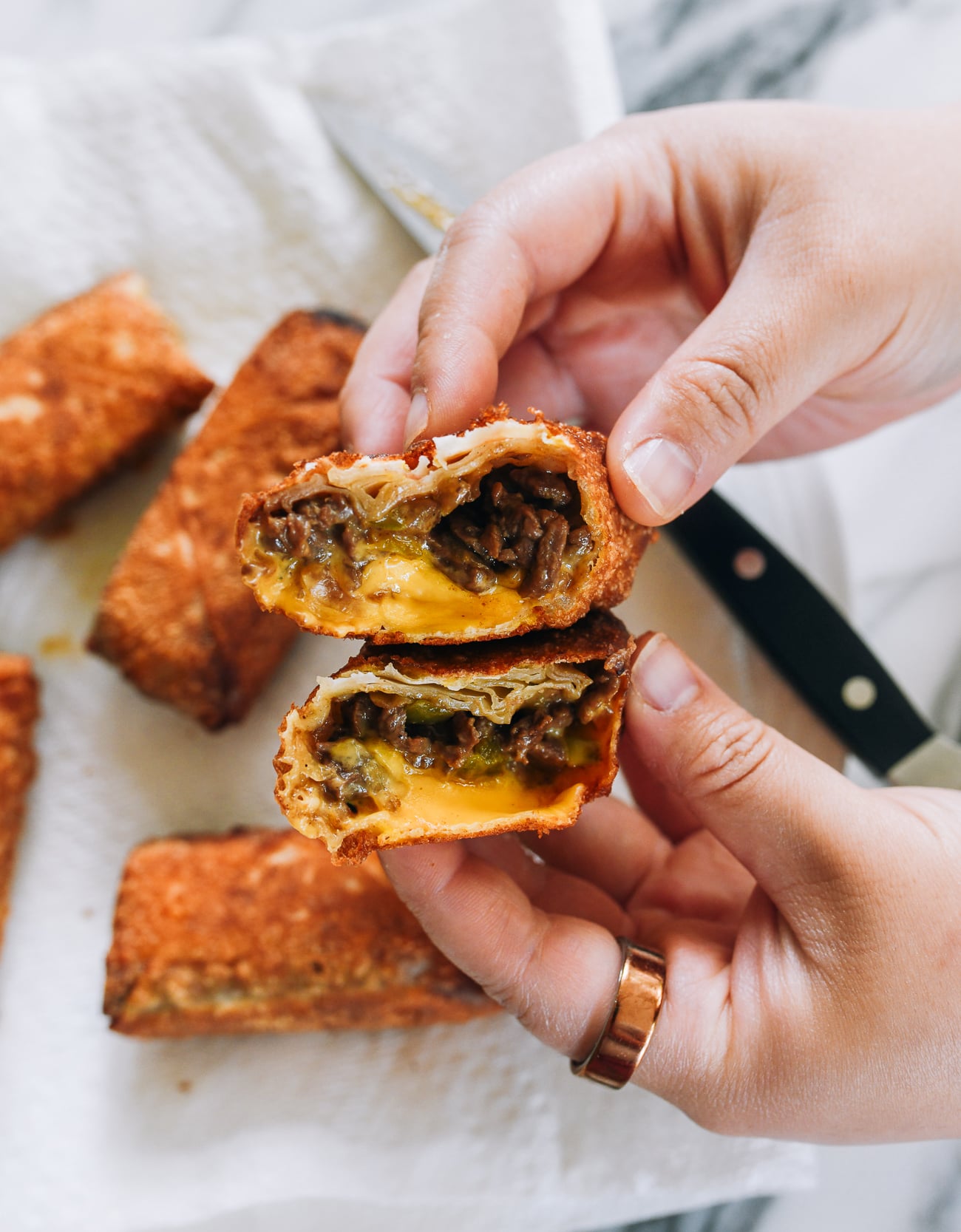
When selecting cheese, culinary purists and developers alike lean toward sliced yellow American cheese for its superior melting capacity and emulsified texture, though sharp provolone serves as a popular alternative. However, working with high-fat melting cheeses inside a frying wrapper presents distinct technical challenges. High heat can cause the cheese to liquefy and escape through minor seams in the wrapper into the cooking oil, creating a cheese “dust” that requires frequent skimming with a fine-mesh strainer during deep-frying.
To mitigate this issue, culinary professionals offer alternative preparation methods, such as shallow pan-frying in a cast-iron skillet, which exposes the wrappers to less aggressive thermal shock while using significantly fewer fats. Furthermore, chilling the assembled egg rolls in a refrigerator for approximately 30 to 60 minutes prior to cooking allows the internal fats and cheeses to firm up, ensuring structural integrity during the frying process.
Step-by-Step Preparation and Assembly Protocol
Creating professional-grade Philly Cheesesteak Egg Rolls at home involves a structured multi-stage protocol, beginning with meat preparation.
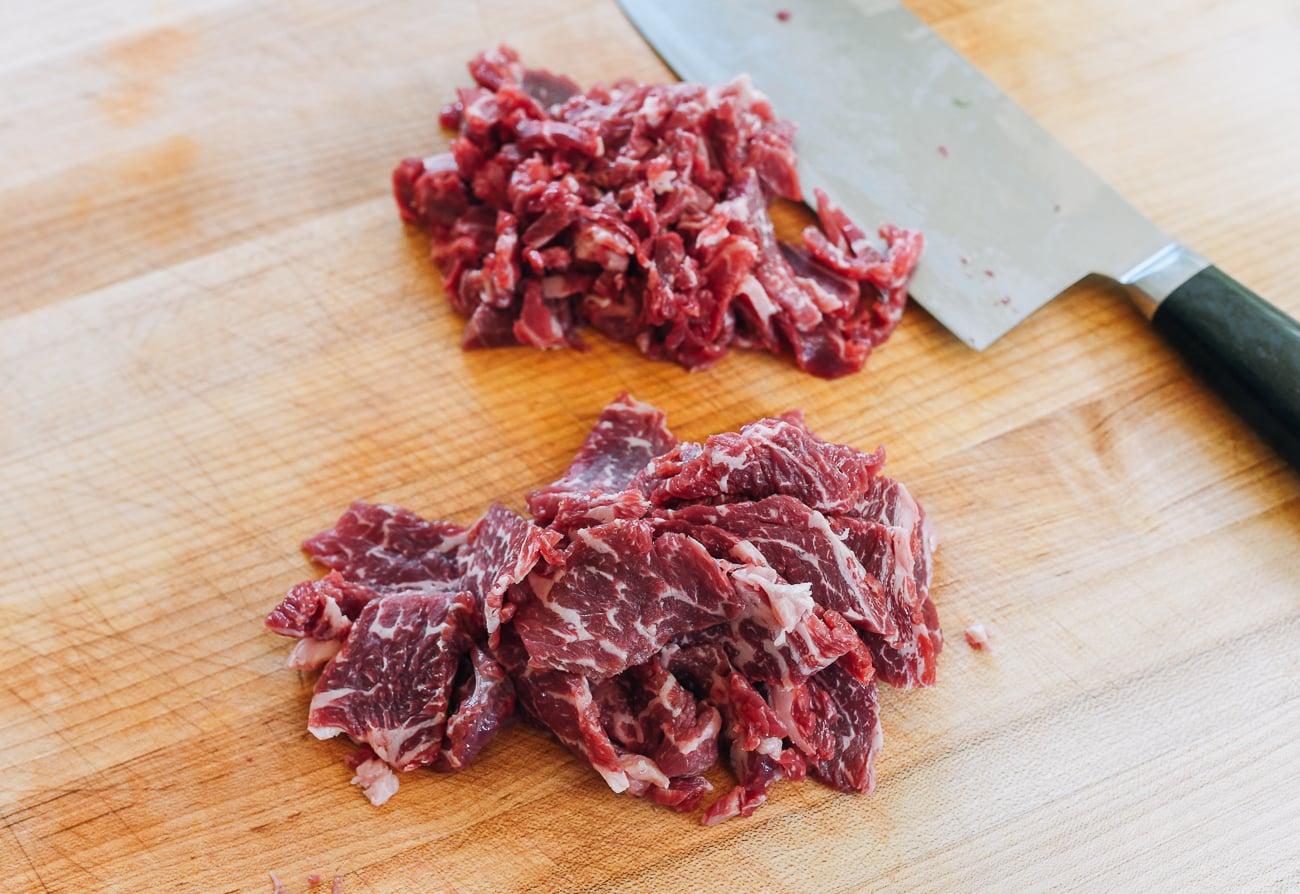
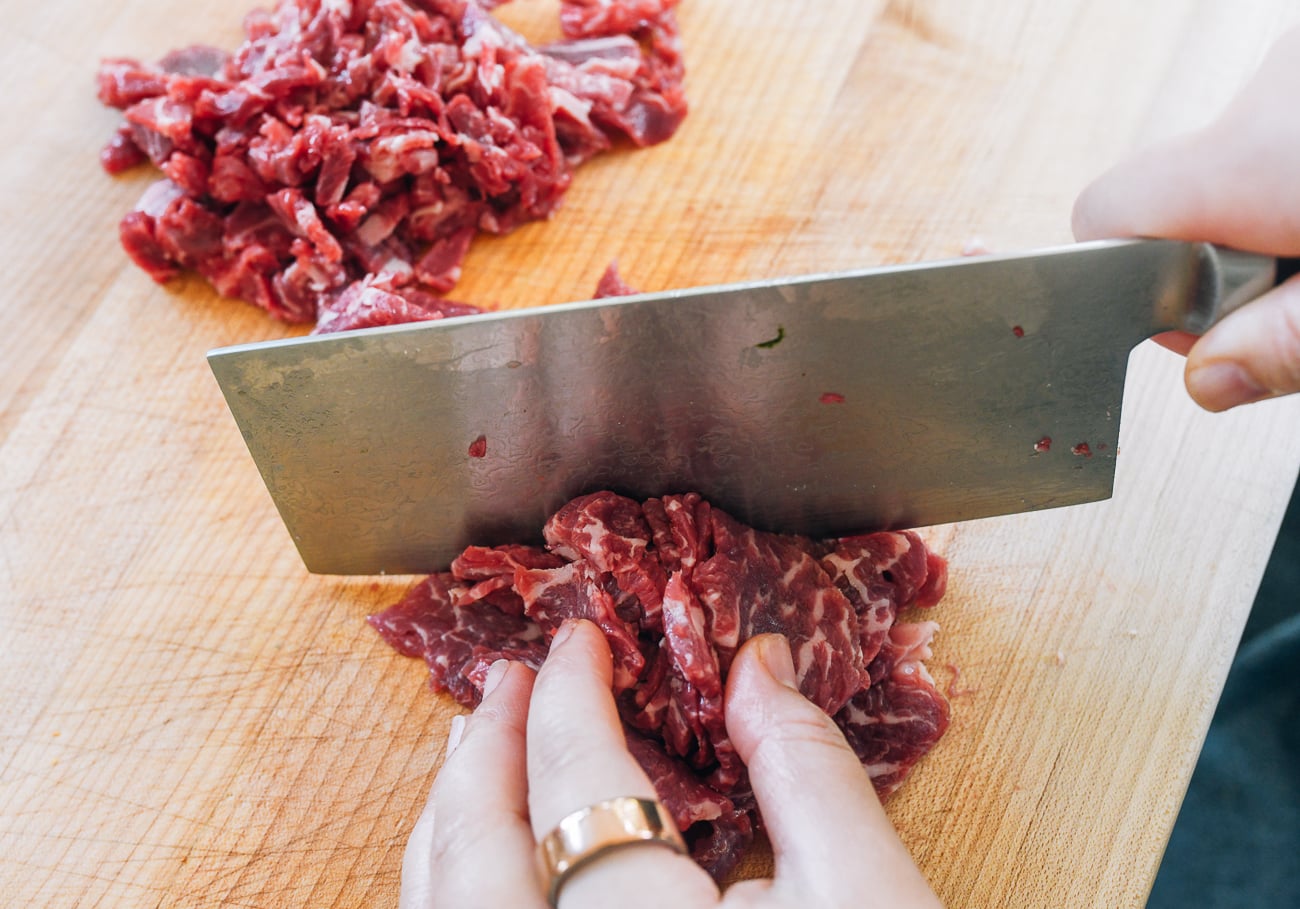
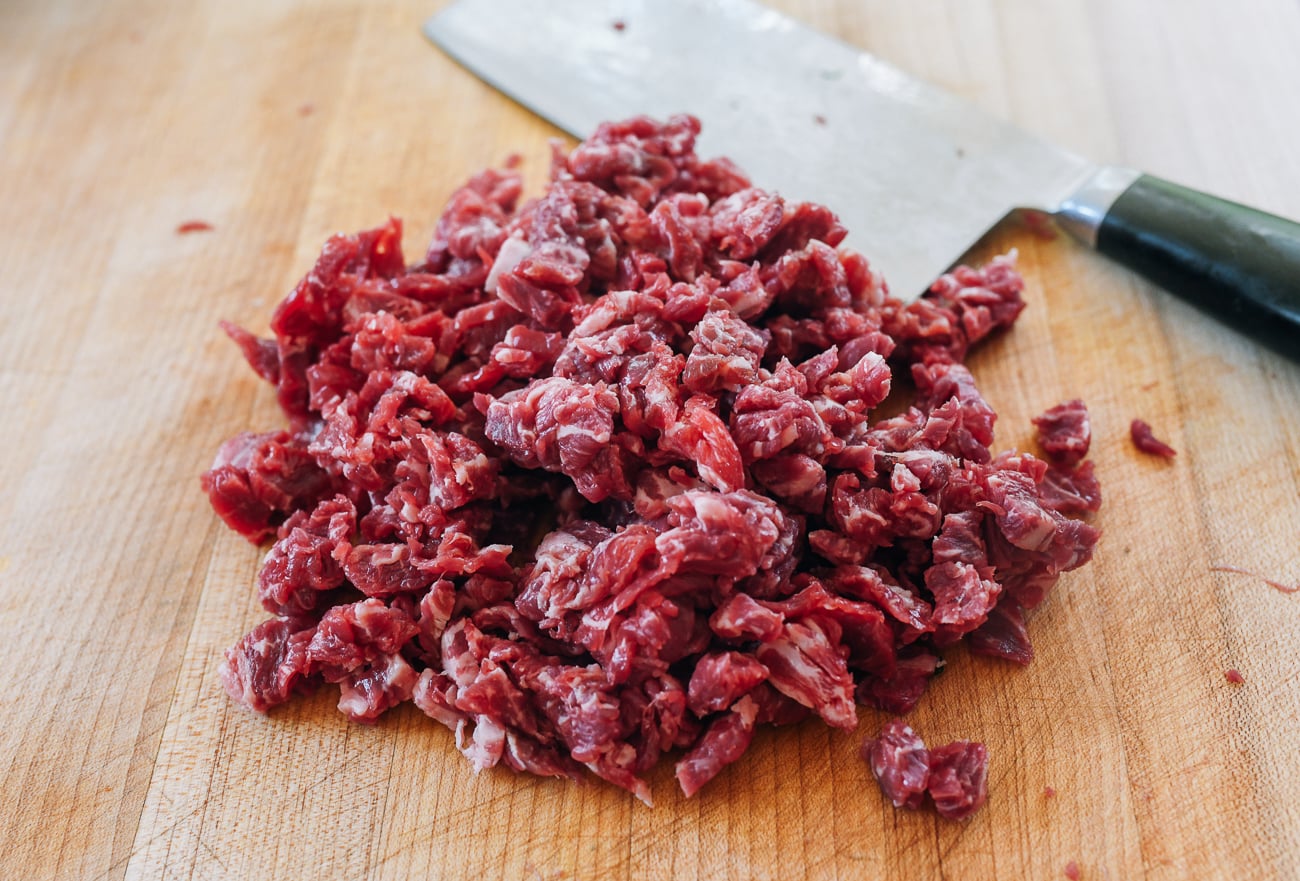
- Beef Preparation: Utilising a well-marbled cut such as chuck roast, partially freeze the beef to facilitate ultra-thin slicing against the grain. Once sliced, gather the strips into a unified pile and roughly chop them into bite-sized pieces to ensure even distribution within the filling.
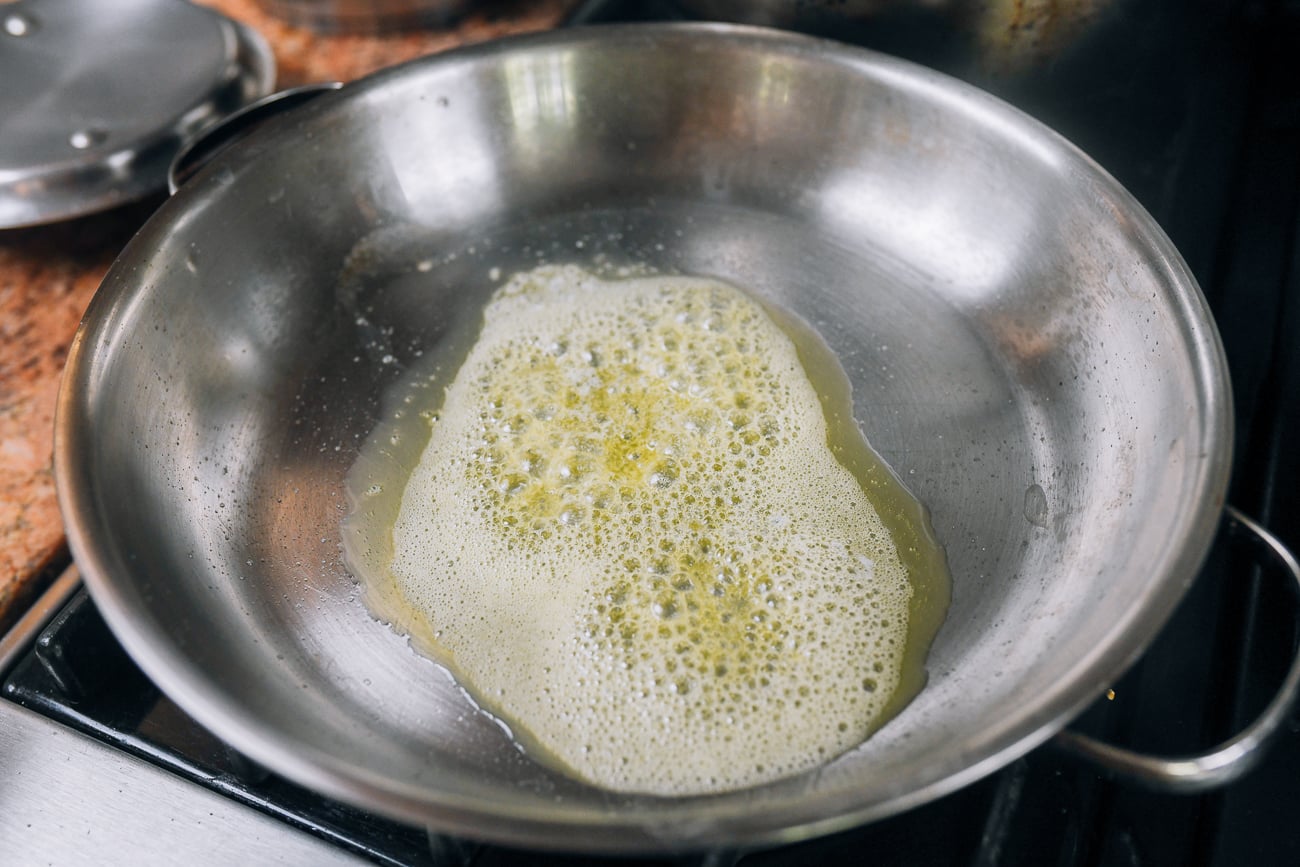
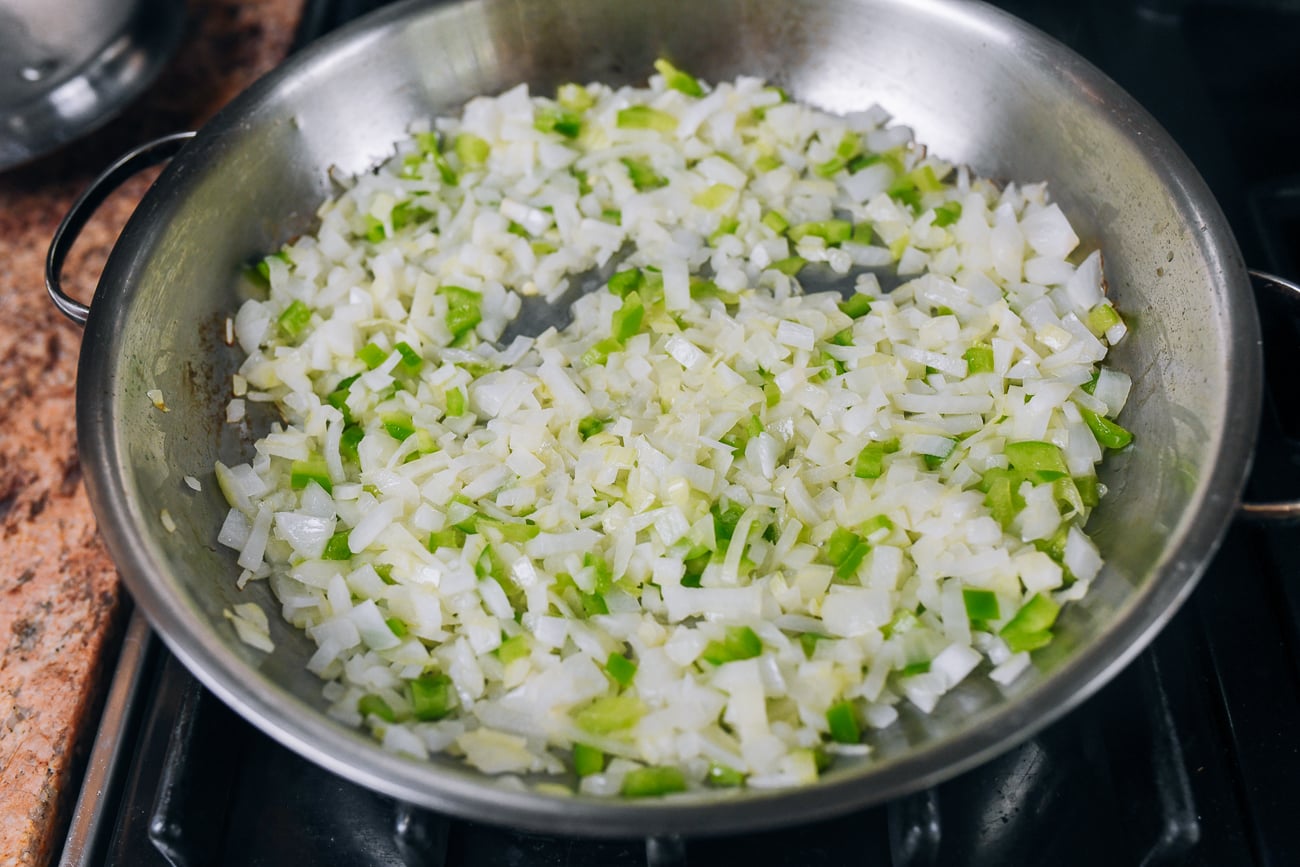
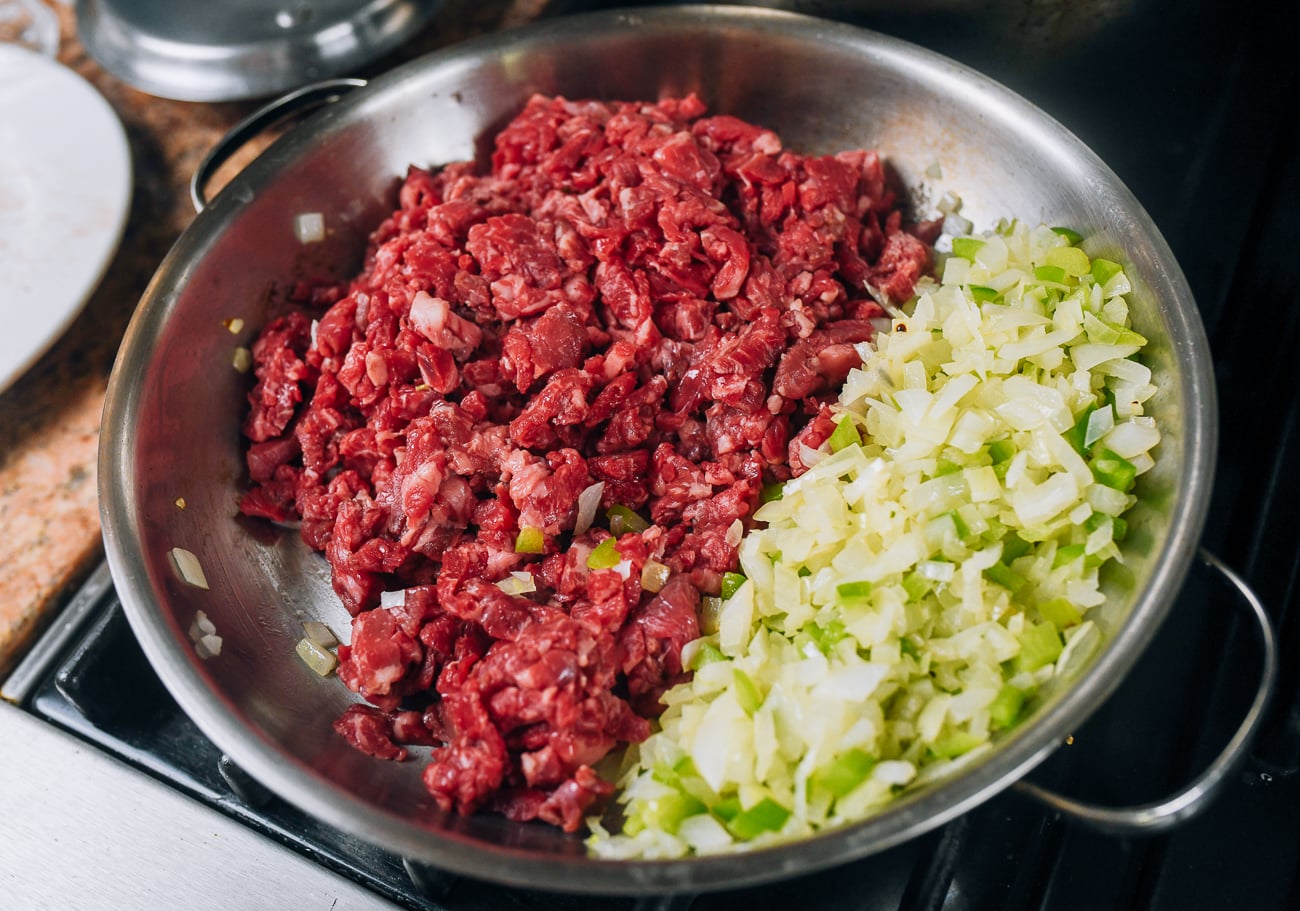
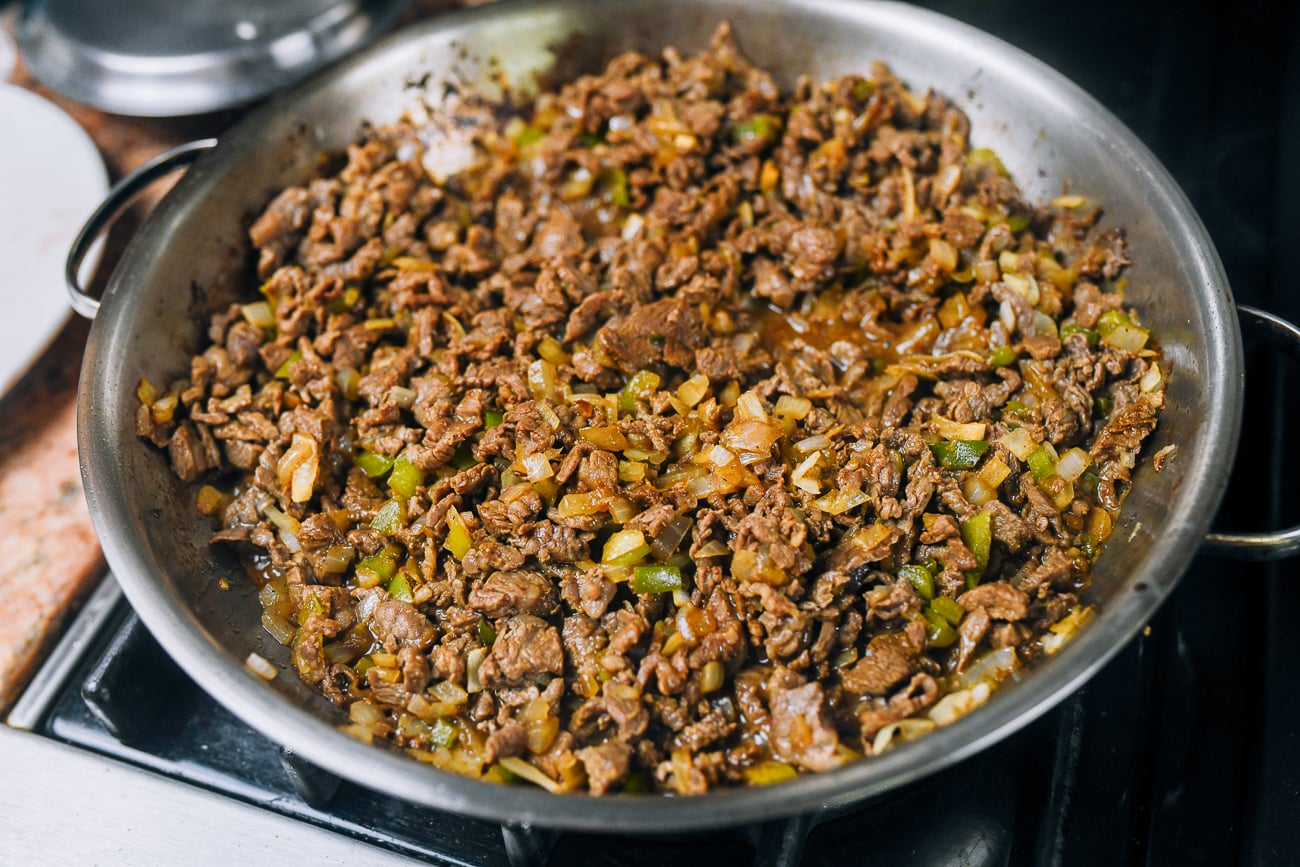
- Sautéing the Filling: In a large skillet over medium heat, melt butter and introduce chopped onions and green bell peppers. Sauté until the vegetables achieve a tender, translucent state. Add the chopped beef, browning it thoroughly without aiming for a dried-out crispness.
- Seasoning: Season the mixture with garlic powder, salt, black pepper, white pepper, and dark soy sauce. Stir continuously for several minutes to meld the flavors before removing the skillet from the heat source. Allow the filling to cool completely, preferably by transferring it to a refrigerator for at least 30 minutes.
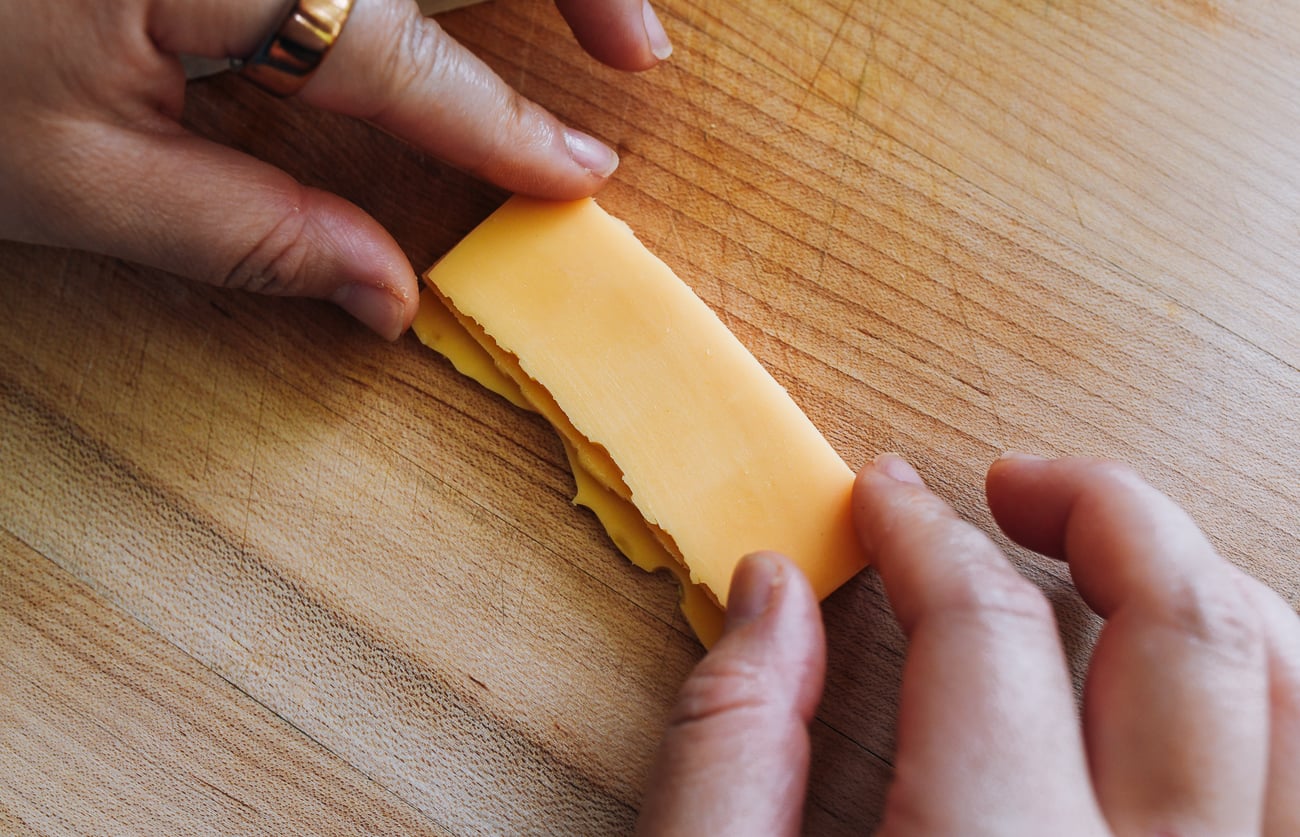
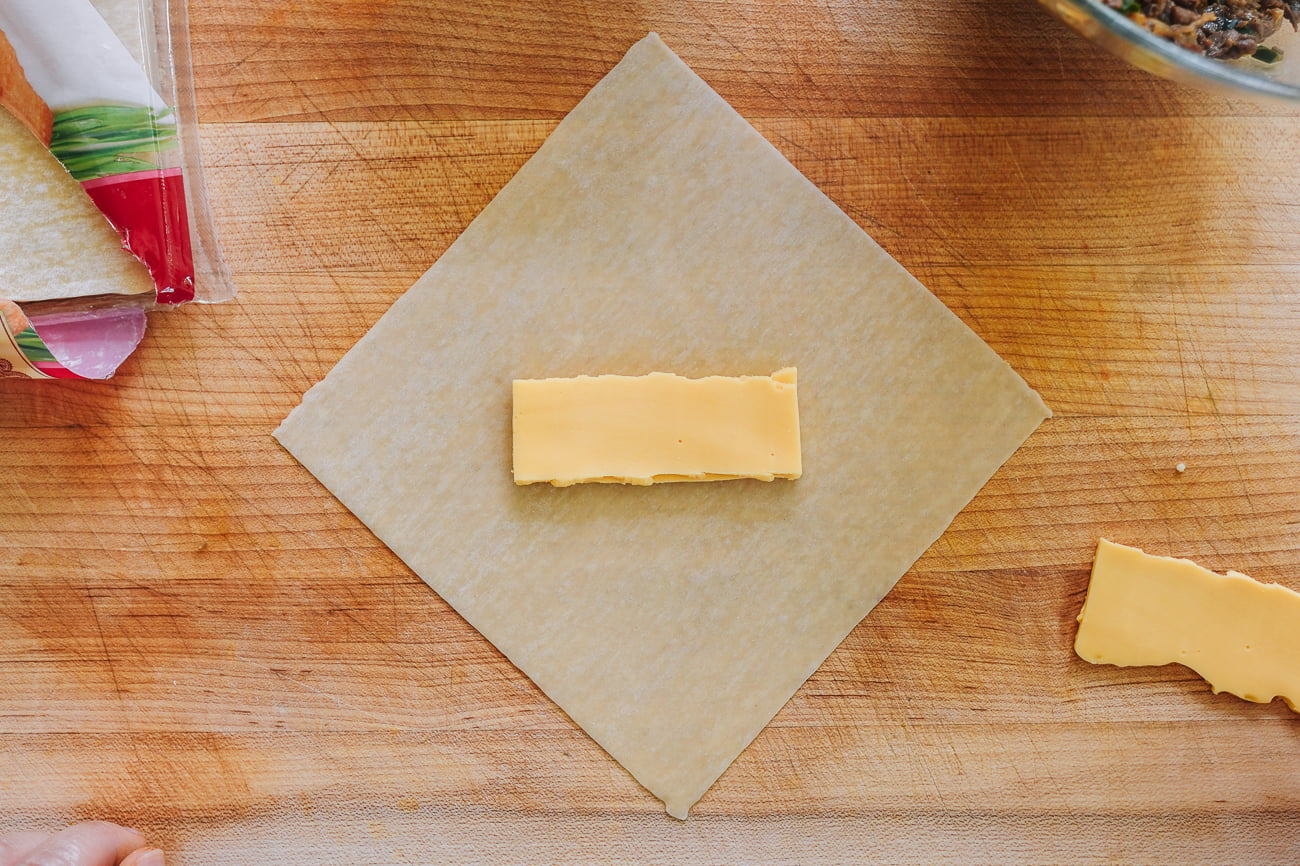
- Assembly: Lay out square egg roll wrappers in a diamond configuration on a parchment-lined baking sheet. Fold a slice of yellow American cheese into quarters to create a central foundation. Place approximately a quarter-cup of the cooled beef and vegetable mixture directly over the cheese, optionally capping it with an additional folded cheese slice depending on desired richness.
- Rolling and Sealing: Fold the bottom corner of the wrapper tightly over the filling, tuck in the lateral sides, brush the remaining exposed upper edges with an egg wash adhesive, and complete the roll into a secure cylinder. Place seam-side down on the tray to prevent unraveling.
Cooking Methodologies: Deep-Frying Versus Pan-Frying
Home cooks are generally presented with two primary methodologies for cooking the assembled egg rolls, each offering distinct advantages regarding texture and preparation complexity.
Option 1: Deep-Frying
- Process: Submerge the egg rolls in batches of three to four within a medium-deep pot containing neutral oil heated to 325°F to 340°F (160°C to 170°C).
- Duration: Cook for approximately 4 minutes until the exterior achieves a deep golden-brown, blistered crunch.
- Considerations: While this method yields the highest degree of crispness, it requires careful monitoring of the oil temperature and frequent removal of escaped cheese particles using a fine-mesh sieve.
Option 2: Pan-Frying
- Process: Heat approximately one-half cup of oil in a heavy-bottomed cast-iron skillet over medium-high heat. Shallow-fry the egg rolls, rotating them methodically across all flat and narrow sides to ensure uniform browning and structural crispness.
- Considerations: This method minimizes oil consumption and largely eliminates the risk of catastrophic cheese leakage, though the exterior crunch is marginally softer compared to deep-frying.
Upon completion, transfer the cooked egg rolls to a paper towel-lined plate to drain excess surface oils. For safety, chefs recommend halving the egg rolls diagonally with a serrated knife prior to consumption to dissipate internal steam and prevent scalding.
Pairing Recommendations and Storage Logistics
To balance the rich, heavy profile of beef, melted American cheese, and fried pastry, culinary experts recommend acidic or sharp dipping accompaniments. Traditional vinegar-based hot sauces—such as Louisiana Crystal—provide a bright, cutting acidity that complements the meat. Alternative dipping options gaining traction among food enthusiasts include Chinese hot mustard, classic steak sauces, ranch dressing, and homemade blue cheese dressings.
For long-term storage, fully cooked and cooled egg rolls can be stored in airtight freezer bags for up to two months. Reheating requires placing the frozen rolls in a conventional oven or air fryer preheated to 350°F (175°C) for 10 to 15 minutes, restoring the exterior crunch and internal cheese melt without requiring additional oil.
Broader Culinary Impact and Market Implications
The widespread embrace of dishes like the Philly Cheesesteak Egg Roll reflects a broader, ongoing evolution within modern American cuisine. As consumers increasingly blur the lines between traditional ethnic takeout and regional comfort food staples, restaurants and food manufacturers have recognized significant commercial viability in hybrid snack foods. By applying standardized Asian-style rolling and frying techniques to classic American sandwich ingredients, home cooks and culinary entrepreneurs continue to demonstrate that culinary boundaries remain fluid, driven by a consumer appetite for novel textures, familiar flavor combinations, and high-impact comfort dining.