The Indispensable Role of Doubanjiang as the Flavor Foundation of Sichuan Cuisine

The culinary landscape of southwestern China relies on a delicate balance of complex flavors, among which the sensations of málà—numbing and spicy—stand paramount. At the absolute center of this tradition lies doubanjiang, a fermented broad bean and chili paste that acts as the indispensable soul of Sichuan cooking. Often described as the "soul of Sichuan," this thick, reddish-brown condiment provides the foundational depth, umami, and moderate heat required for iconic dishes such as mapo tofu, twice-cooked pork, and Sichuan hot pot. Without it, the characteristic profile of southwestern Chinese gastronomy collapses into a mere imitation reliant on basic soy sauce and generic heat.
Understanding Doubanjiang: Composition and Culinary Profile
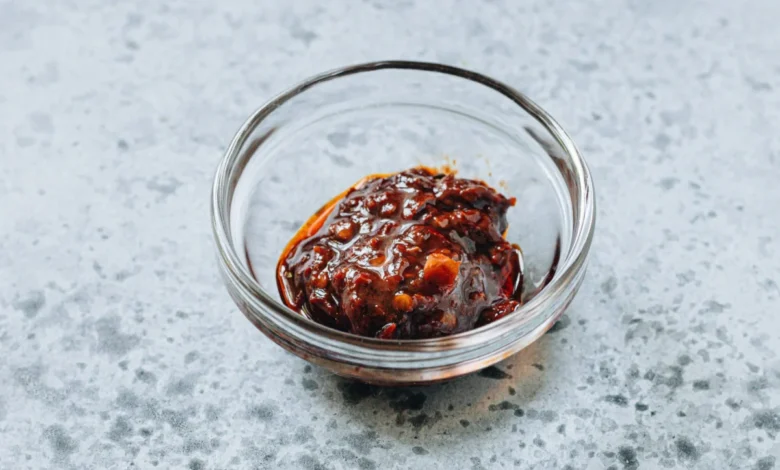
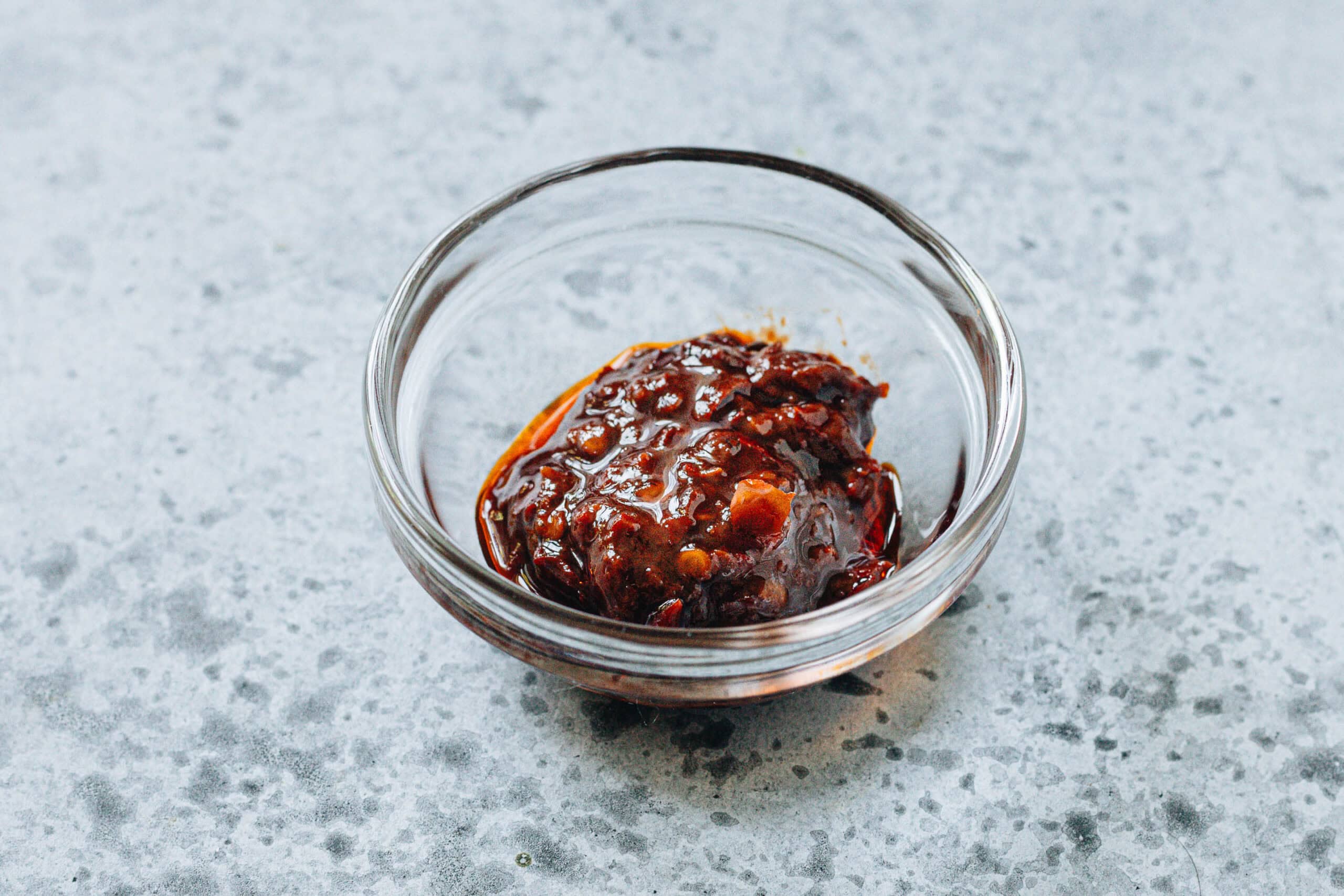
Doubanjiang is fundamentally a fermented paste crafted from broad beans (fava beans), Sichuan chili peppers, salt, and wheat flour. Depending on the specific regional style and producer, specialized formulations may incorporate additional vegetable oils and localized spices. Visually, the finished product is dense, glossy, and heavily textured, visibly flecked with fragments of whole fermented beans and crushed chili skins.
Chemically and sensorially, the paste is intensely saline and savory, anchored by a robust amino acid profile developed during months or years of natural microbial fermentation. This process yields a distinctive fengwei (fermented fragrance) that oscillates between fruity and deeply earthy notes. On its own, the paste is far too concentrated and salty for direct consumption. However, when properly bloomed in hot oil during the initial stages of a stir-fry or braise, its concentrated flavor disperses completely, transforming into a rich, aromatic base that defines the overarching character of the dish.
Historical Evolution and Traditional Production Methods
The production of authentic doubanjiang is steeped in centuries of agricultural tradition in Sichuan province, most notably centered around the town of Pixian, located just outside the provincial capital of Chengdu. Historical records indicate that the commercialized production of Pixian Doubanjiang dates back to the Qing Dynasty, officially taking root around 1688 during the reign of the Kangxi Emperor.
The traditional manufacturing process is labor-intensive and heavily dependent on local climatic conditions, utilizing the high humidity and natural microflora of the Chengdu Plain. The production cycle typically follows a rigorous chronological framework:
- Bean Preparation: Dry broad beans are shelled, de-hulled, and soaked in water before being mixed with roasted wheat flour to form a cohesive mash.
- Koji Cultivation: The bean and flour mixture is inoculated with natural airborne molds (Aspergillus oryzae) and laid out on bamboo mats to ferment under controlled ambient temperatures, a process known as making meiju.
- Chili Processing: Concurrently, local farmers harvest the specialized erjingtiao chili pepper, a cultivar native to Sichuan prized for its vivid red hue, moderate heat level, and distinctively fruity aroma. The chilis are crushed and salted into a separate mash.
- Combined Maturation: The fermented bean koji and the salted chili mash are finally combined in massive, open-air ceramic urns (weng). These vessels are exposed to the intense Sichuan sun during the day and covered at night to capture morning dew, facilitating a slow, enzymatic breakdown lasting anywhere from one to three years.
Economic Significance and Geographic Indications
Given its cultural and economic importance, authentic Pixian Doubanjiang is protected as a Geographic Indication (GI) product under Chinese law, mirroring the protective statuses granted to European regional delicacies like Parmigiano-Reggiano or Champagne. Industrial counterfeiting and generic mass production outside of Pixian have posed significant challenges to regulatory authorities, prompting industry associations to enforce strict labeling requirements.
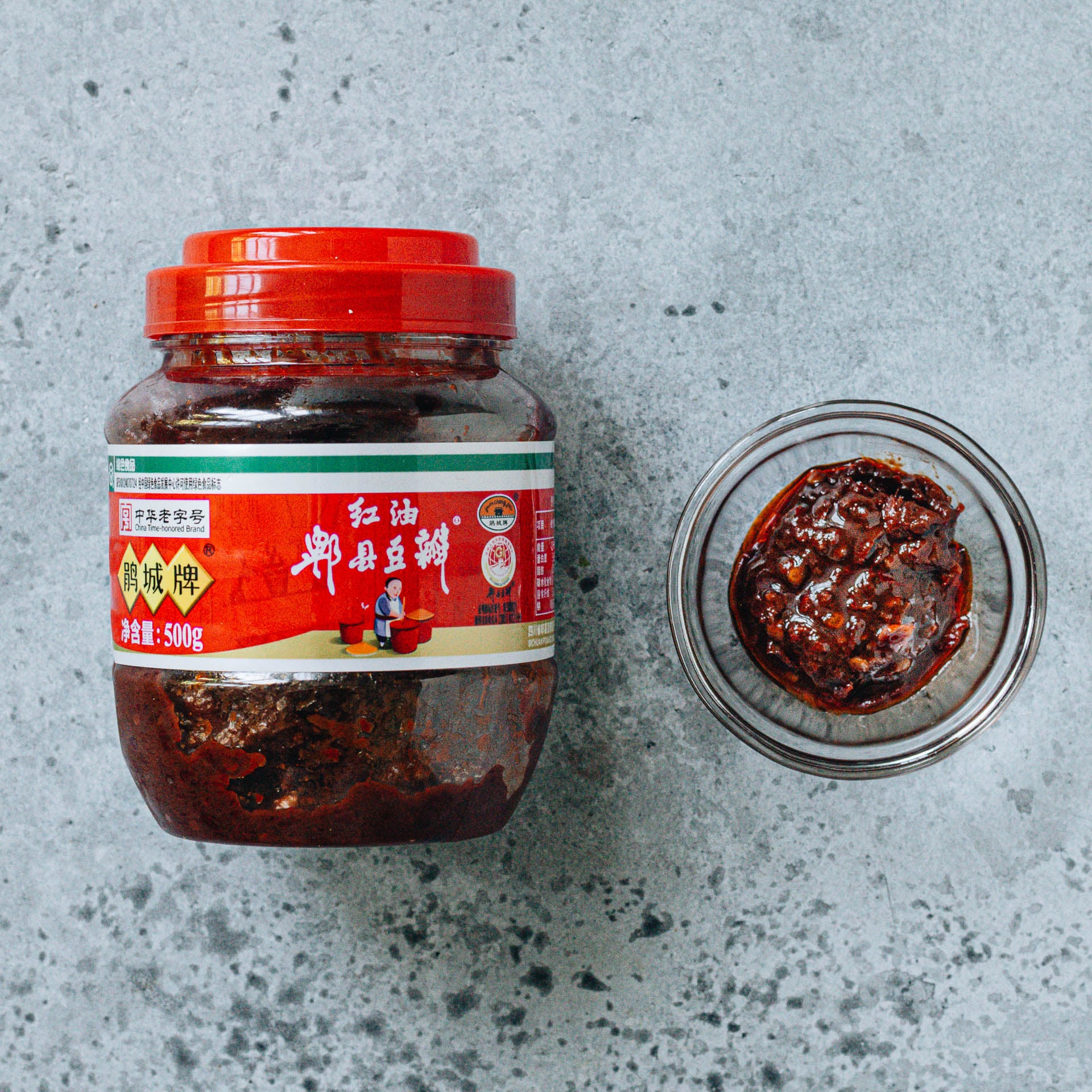
Market analysts note that the global diaspora and the rising international popularity of Sichuan cuisine have driven substantial growth in the export of premium fermented pastes. Major producers, such as Juancheng Pixian Doubanjiang, have scaled distribution networks across North America, Europe, and Southeast Asia. According to trade data from regional agricultural boards, exports of authentic Pixian paste have seen steady incremental gains over the past decade, propelled by consumer interest in authentic regional Asian ingredients popularized by digital media and specialized direct-to-consumer importers like The Mala Market.
Navigating the Marketplace: Identifying Quality and Authenticity
For culinary professionals and home cooks alike, selecting the correct jar of doubanjiang is critical to achieving authentic results. Market experts advise consumers to inspect ingredient labels closely. In an authentic, high-grade Pixian doubanjiang, chili peppers must be listed as the primary ingredient, followed by broad beans, salt, and wheat flour.
Consumers are generally advised to avoid products labeled generically as "bean sauce" (huangjiang) or "sweet bean paste" (tianmianjiang), as these formulations lack both the chili component and the specific microbial profile required for Sichuan dishes. Furthermore, products containing excessive artificial preservatives, color enhancers, or high fructose corn syrup typically diverge significantly from traditional flavor profiles.
Premium tiers of the condiment—such as varieties aged for three full years in open-air ceramic urns—offer a markedly more mellow, complex, and rounded flavor profile compared to standard one-year commercial alternatives. These aged versions carry a higher price point and are typically utilized by chefs seeking to elevate braised preparations, complex hot pot bases, and high-end banquet dishes.
Storage Protocols and Kitchen Maintenance
Due to its high salt content and active fermentation byproducts, unopened doubanjiang possesses an exceptionally long shelf life, remaining stable for several years when stored in a cool, dark pantry.
Once opened, the paste should be transferred to or maintained in an airtight container and refrigerated. Under proper refrigeration, a jar will retain its structural and chemical integrity for approximately twelve months. Food safety experts and professional chefs emphasize the importance of utilizing strictly clean, dry utensils when scooping portions from the container. Introducing moisture, stray food particles, or organic contaminants can trigger secondary, uncontrolled mold growth or bacterial spoilage, ultimately ruining the product before its natural expiration window.
Culinary Applications and Broader Implications
While doubanjiang is tethered inextricably to Sichuan culinary technique, its fundamental chemical properties—high umami content, salinity, and lactic acid-driven funk—allow for successful cross-cultural culinary applications. Modern fusion and contemporary American chefs have increasingly experimented with incorporating minute quantities of the paste into non-Chinese preparations, such as Western-style beef chilis, braised short ribs, and rich meat stocks, utilizing the paste as a sophisticated flavor enhancer akin to fermented black garlic or anchovy paste.
Nevertheless, its primary domain remains firmly within the canon of classic Sichuan cookery. Whether coating the tender pork belly in Hui Guo Rou (twice-cooked pork), infusing the silky bean curd cubes in Mapo Tofu, or flavoring the myriad tossed ingredients of a dry pot (Mala Xiangguo), doubanjiang remains an irreplaceable architectural pillar of flavor.
As global gastronomy continues to embrace regional Chinese flavors beyond standardized takeout fare, the demand for authentic, traditionally crafted doubanjiang highlights a broader consumer shift toward provenance, traditional manufacturing techniques, and uncompromising flavor depth in the modern pantry.