Deconstructing the Diaspora: How Modern Jewish Cookbooks Reflect Identity, Assimilation, and Culture in America


The contemporary culinary landscape has experienced a profound surge in publications dedicated to Jewish and Israeli gastronomy, prompting a deeper critical examination of how these cookbooks reflect and shape modern Jewish identity. Recently, culinary writer Charlotte Druckman and Eater editor Rebecca Flint Marx—both secular New York-based journalists—convened to evaluate five prominent Jewish cookbooks published over the past decade. Their discussion moves beyond recipe testing to analyze how these books function as cultural artifacts, revealing the complex intersections of culture, ethnicity, religion, and nationality within the American Jewish diaspora.
The Evolution of Jewish Cookbooks: From Old World Traditions to Modern Assimilation
To understand the current state of Jewish cookbooks, one must examine the evolution of the genre over the past several decades. Historically, Jewish cookbooks served as preservationist tools for immigrant communities seeking to maintain Eastern European culinary traditions in North America. However, the artisanal food movement of the early 2010s catalyzed a broader shift toward "modernizing" and "elevating" traditional diasporic cuisines.
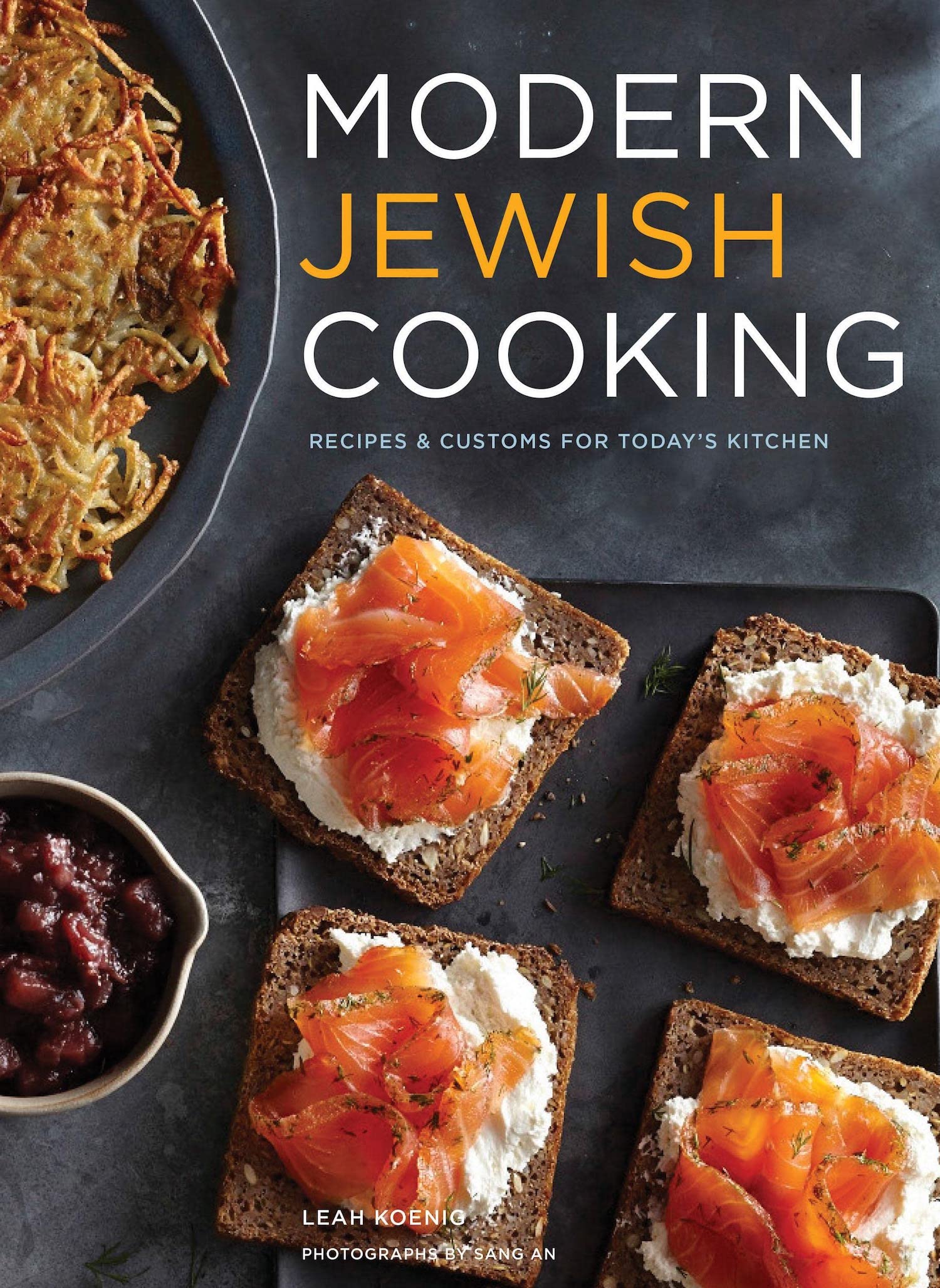
When Leah Koenig published Modern Jewish Cooking in 2015, it arrived at the forefront of this renaissance. Rather than relying solely on heavy, traditional European tropes, the book embraced a vegetable-forward, elegant approach to Jewish cooking. According to Druckman and Flint Marx, the term "modern" in this context frequently serves as a euphemism for assimilation into mainstream American food culture. While praised for its reliable recipes and refined aesthetic, the book—like many of its contemporaries—highlights a recurring tension: the struggle to anchor a vast, shifting diasporic cuisine within a distinct geographic and cultural framework while providing sufficient context for what precisely constitutes "Jewish" food.
The Philosophy and Politics of Food Categorization
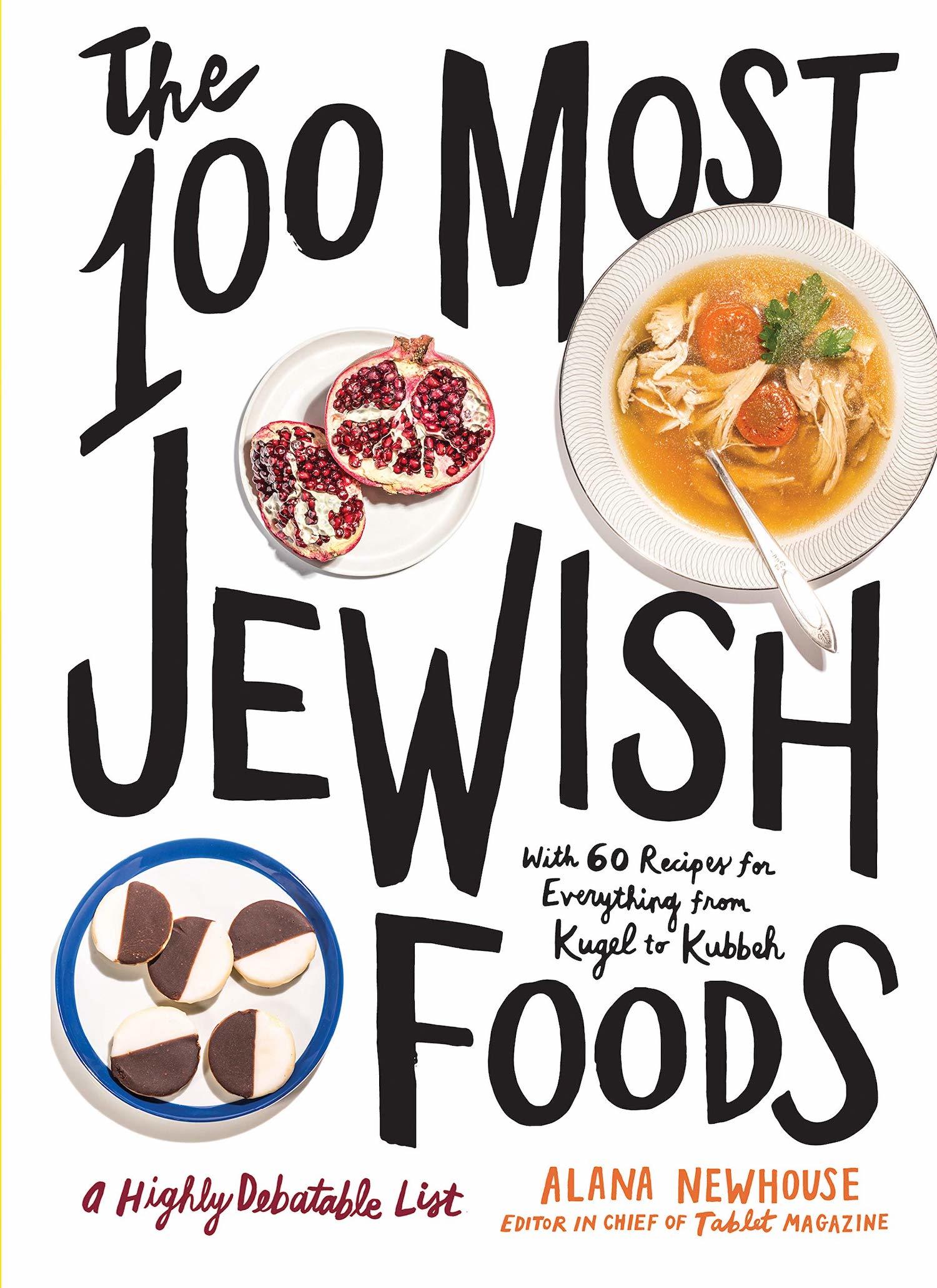
As the genre expanded, subsequent publications began experimenting with format and philosophy. Alana Newhouse’s The 100 Most Jewish Foods, published in recent years, departed from the traditional instruction manual format, opting instead for a collection of essays and debates regarding cultural touchstones. Featuring contributions from a diverse array of writers and chefs—including some non-Jewish figures—the book engaged readers in philosophical arguments about identity and culinary association.
While lauded for its engaging prose and intellectual rigor, the book also drew scrutiny regarding representation. Critics noted that mainstream Jewish food media has frequently centered an Ashkenazi, New York-centric perspective, often overlooking the rich culinary traditions of Sephardic, Mizrahi, and Black Jewish communities. This monochromatic representation risks flattening a globally diverse diaspora into a singular, localized stereotype.
Nostalgia, Suburbs, and Generational Disconnection
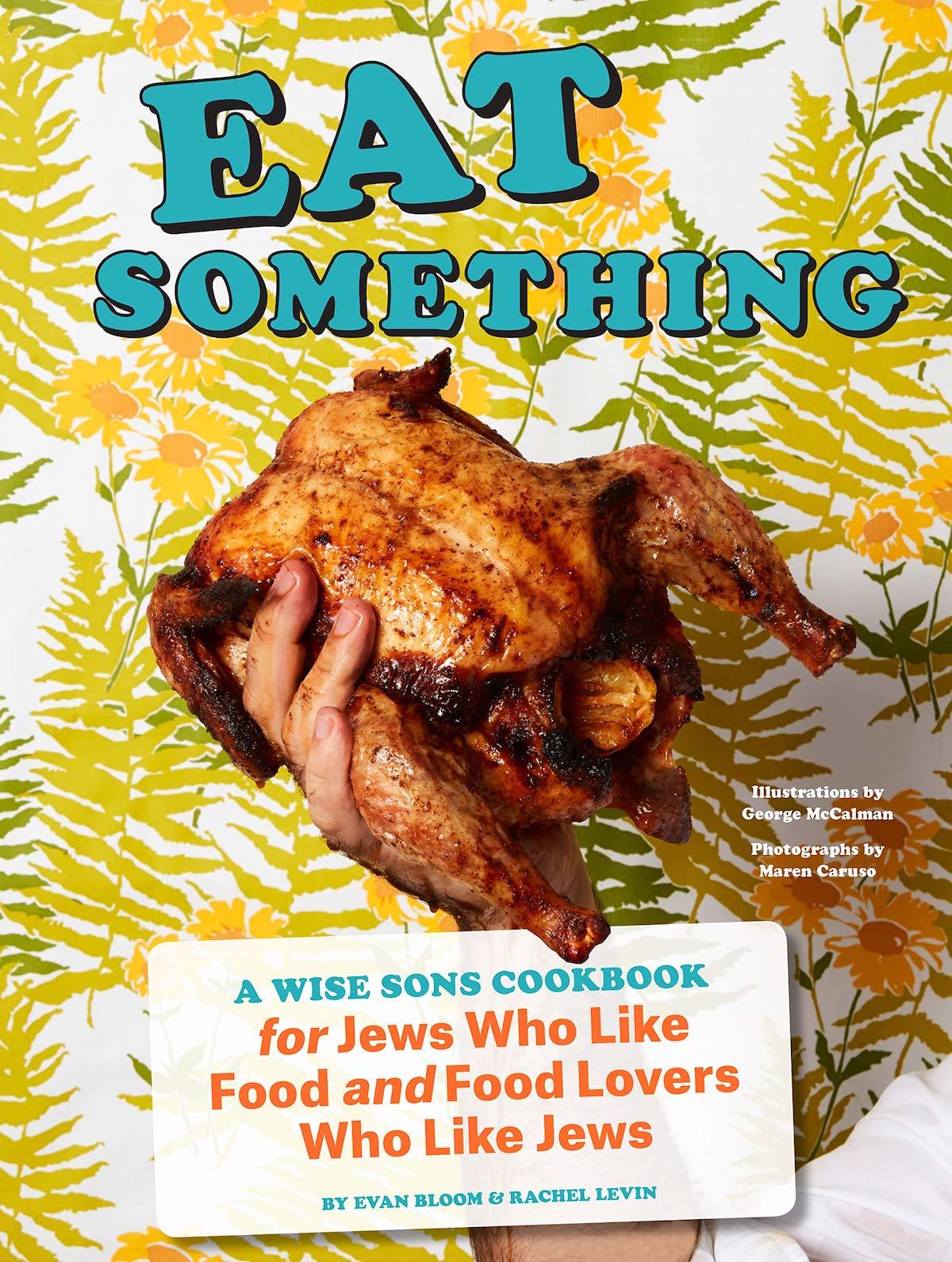
As the genre moved toward lifestyle and entertainment, newer releases began reflecting the cultural anxieties and nostalgic longings of specific generational cohorts. Evan Bloom and Rachel Levin’s Eat Something: A Wise Sons Cookbook for Jews Who Like Food and People Who Like Jews leaned heavily into a Gen-X suburban nostalgia, evoking memories of large family gatherings, bar mitzvahs, and deli culture.
Druckman and Flint Marx observed that such books often address a profound generational gap. As younger generations become increasingly disconnected from immigrant family roots or formal religious practice, cookbooks emerge as vehicles to mimic and reclaim lost traditions. However, critics caution that packaging religious holidays and cultural heritage into hyper-commercialized lifestyle brands risks reducing complex religious practices to caricatures and stereotypes.
The Commercialization of Identity and the Boundaries of Authenticity
The tension between genuine cultural transmission and lifestyle branding reached a focal point with the release of Jake Cohen’s Jew-Ish: Reinvented Recipes from a Modern Mensch. The book, centered on Friday night Shabbat dinners and contemporary entertaining, sparked considerable debate among culinary critics.
Druckman and Flint Marx raised concerns over the book’s framing of Jewish identity, particularly its suggestion that secular Jews who do not frequent synagogues occupy a conditional or "lesser" form of Jewishness. Furthermore, the incorporation of highly unconventional recipe adaptations—such as pumpkin spice babka and everything bagel-seasoned tomato galettes—exemplified a broader trend of decontextualizing traditional foods for commercial appeal. The analysts argued that while the concept of "authenticity" is largely a restrictive trap, branding Judaism as a monolithic lifestyle trend strips away its historical and communal gravity.

Global Perspectives and the Future of Diaspora Cuisine
In contrast to highly localized or lifestyle-driven volumes, Faith Kramer’s 52 Shabbats, published in December, offered a more expansive and historically grounded approach. By organizing recipes around the weekly Sabbath throughout the calendar year, Kramer emphasized the global nature of the Jewish diaspora.
The book highlights how geopolitical migration has shaped Jewish culinary traditions across diverse geographic regions, from Shanghai to North Africa and Europe. By pairing comparative ingredient recipes—such as differing regional approaches to lentils or salmon—Kramer demonstrated how fusion and migration are foundational characteristics of Jewish cuisine. Reviewers noted that this journalistic, research-driven methodology successfully bridges the gap between functional cookbook utility and deep cultural education.
Broader Implications for the Culinary Publishing Industry
The critical dialogue between Druckman and Flint Marx underscores a pivotal turning point for the culinary publishing industry. As readers increasingly interrogate the motivations behind identity-based cookbooks, authors and publishers face mounting pressure to move beyond monolithic representations and commercial shortcuts.
Ultimately, the proliferation of Jewish cookbooks in the 21st century reflects a community actively negotiating its place within a multicultural society. Whether these texts lean into nostalgic entertainment or rigorous historical documentation, they underscore a universal truth: food remains one of the most powerful mediums through which diasporic communities explore memory, belonging, and identity.