California Lawmakers and Advocates Press Governor Newsom to Remove Immigration and Age Restrictions from State Food Assistance Programs

California stands as both the nation’s premier agricultural breadbasket and an economy of global scale, yet nearly half of its undocumented immigrant population faces severe food insecurity. Despite producing a vast portion of the United States’ food supply, the state continues to bar undocumented residents from foundational federal and state nutrition assistance programs. In response, a coalition of state lawmakers, immigrant rights groups, and food policy advocates is ramping up pressure on Governor Gavin Newsom to overhaul the state’s nutrition safety net, demanding the complete elimination of immigration and age restrictions currently embedded within California’s food assistance framework.
The push centers on a two-pronged strategy combining legislative action and direct lobbying over the state budget. While Governor Newsom’s proposed 2022-2023 budget took a preliminary step by allocating funds to remove immigration barriers from the California Food Assistance Program (CFAP)—specifically for undocumented residents aged 55 and older—advocates argue this demographic limitation falls far short of addressing the crisis. Organizations such as Nourish California and the California Immigrant Policy Center, spearheading the Food4All campaign, argue that systemic hunger demands a universal, long-term state investment rather than piecemeal reforms.
Historical Context and Legislative Roadblocks
To understand why millions of essential workers remain locked out of basic public benefits in a progressive state, analysts point to a legacy of exclusionary state and federal policies. Undocumented immigrants have historically been barred from participating in the federal Supplemental Nutrition Assistance Program (SNAP), historically known as food stamps. Furthermore, sweeping federal legislation passed in the 1990s dramatically reshaped the American welfare landscape.
In 1996, President Bill Clinton signed the Personal Responsibility and Work Opportunity Reconciliation Act (PRWORA). This statute drastically overhauled the national welfare framework and imposed a mandatory five-year waiting period on Lawful Permanent Residents before they could access federal public benefits, despite prior full eligibility. Research indicates that PRWORA triggered a sharp decline in safety net participation among eligible immigrant households, largely driven by systemic fear, administrative confusion, and social stigma.
Concurrently, California enacted Proposition 187 in 1994, a controversial ballot measure designed to deny undocumented immigrants access to public education, non-emergency healthcare, and social services, while compelling public officials to report suspected undocumented individuals to authorities. Although federal courts ultimately struck down Proposition 187 as unconstitutional, its legacy—alongside federal statutes like the "public charge" rule—cast a long shadow. The public charge test, a provision historically used to penalize immigrants who relied on government support for more than 12 months, was aggressively expanded under the Trump administration in 2019. Although these specific regulations were subsequently rescinded, recent surveys reveal that approximately 75 percent of immigrant families remained unaware of the reversal, continuing to avoid life-saving safety net programs out of fear of future legal repercussions or deportation.
The Human Toll in the Central Valley
The human cost of these systemic exclusions is acutely visible in California’s Central Valley, often designated as the nation’s "salad bowl" for producing a quarter of the country’s agricultural output. Approximately 45 percent of undocumented immigrants across the state experience food insecurity, and roughly half of all farmworkers in the Central Valley report struggling to secure regular meals.
State Senator Melissa Hurtado, whose district spans the Central Valley, introduced Senate Bill 464 to expand state-funded nutrition benefits regardless of immigration status. As the daughter of immigrants who experienced childhood poverty, Hurtado has repeatedly criticized the paradox of farmworkers toiling through extreme heat, droughts, and wildfires to feed the public while unable to afford groceries for their own families.
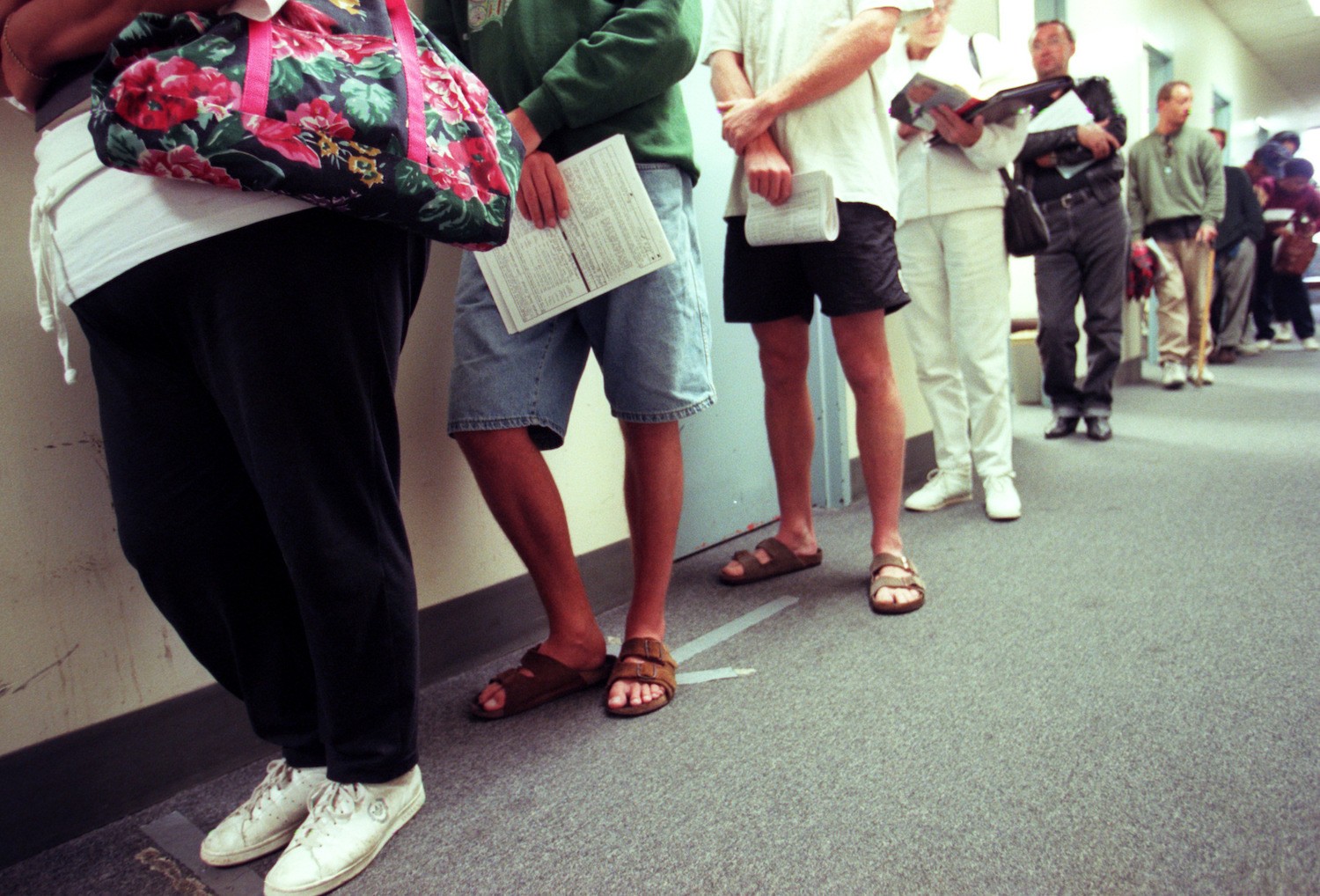
Organizations on the ground observe the daily realities of this crisis. The Central Valley Immigrant Integration Collaborative, based in Fresno, reports that farmworkers frequently queue at food distribution sites hours in advance out of fear that supplies will deplete. Among those affected are thousands of Indigenous migrants from Mexican states such as Oaxaca, Guerrero, and Michoacán—including Mixtec, Zapotec, and Purépecha communities—who often speak only pre-Hispanic native languages rather than English or Spanish.
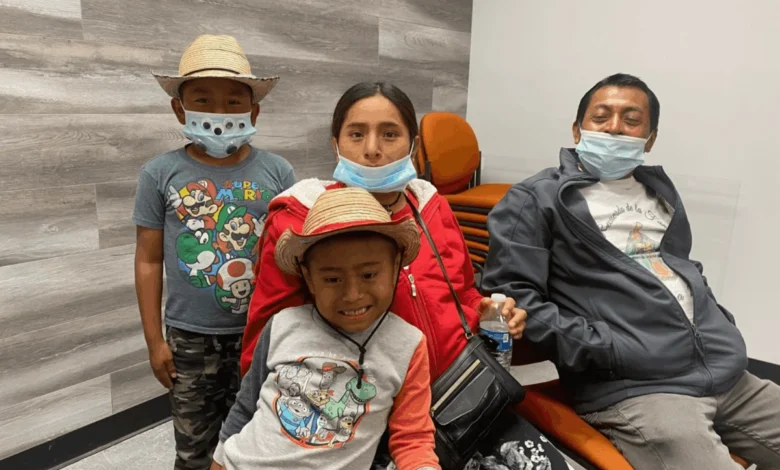
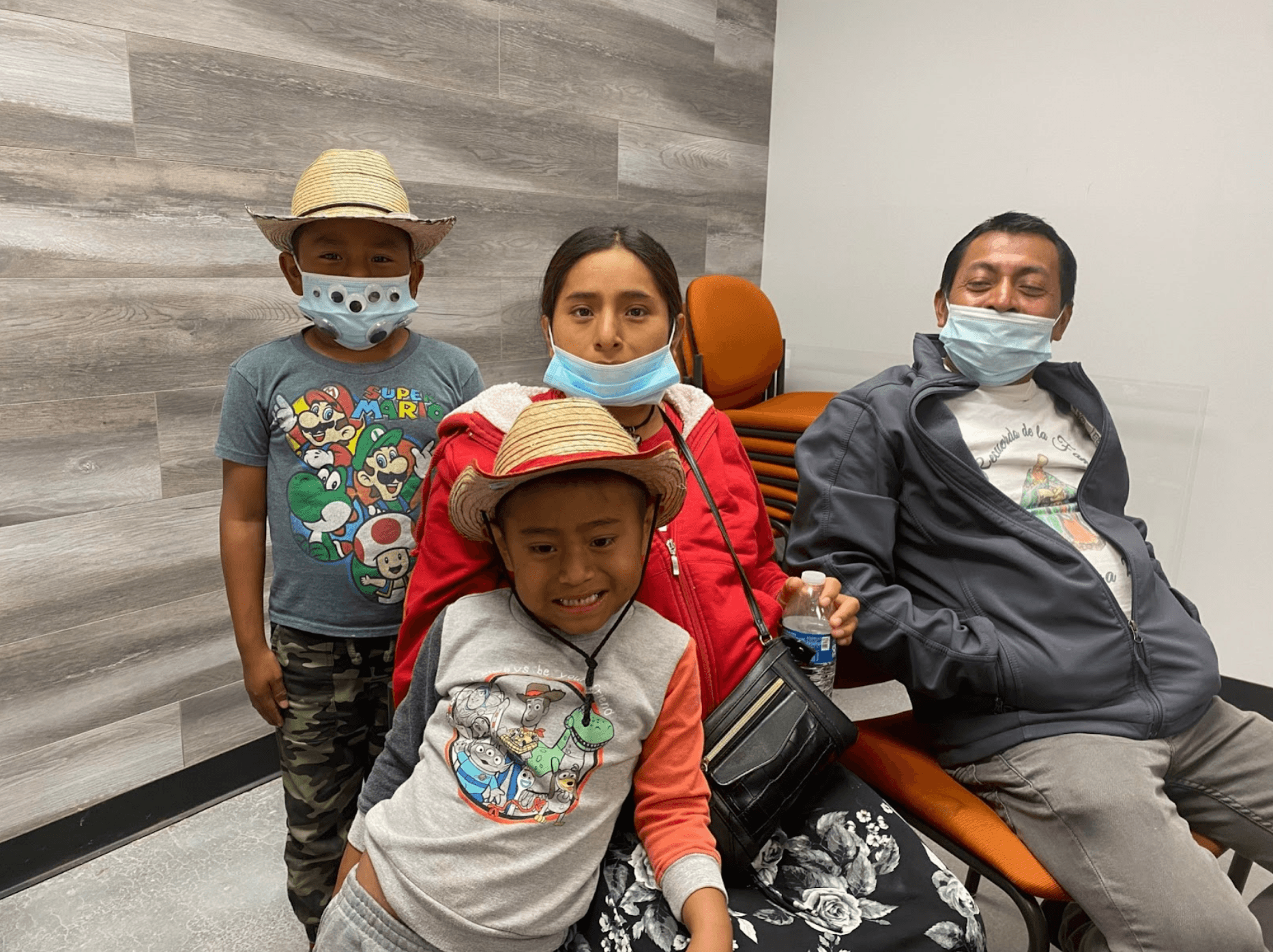
For instance, undocumented Mixtec farmworkers Guillermo and Augustina, who arrived in California from Guerrero in 2019 with their two children, describe the stark financial vulnerability of the agricultural off-season. Relying on inexpensive staples like beans, rice, and corn flour during periods of limited employment, the family struggles to afford fresh produce. While they express cautious interest in state-funded food assistance, deep-seated anxieties persist. Like many in their community, they worry that accepting government support could later be weaponized by changing political administrations, potentially forcing them or their U.S.-citizen children to retroactively repay the benefits.
Economic Disparities and the State Budget Debate
As the legislative path for Senate Bill 464 stalled in its initial sessions, the Food4All campaign pivoted its focus toward the state’s historic budget surplus, estimated at $68 billion. Backed by lawmakers such as Assemblymember Miguel Santiago, advocates urged Governor Newsom to allocate funds in the mid-year budget revisions to expand CFAP eligibility to undocumented residents of all ages.
The debate has sparked broader discussions regarding fiscal priorities within California. While Governor Newsom’s administration has championed progressive milestones—such as expanding Medi-Cal eligibility to all low-income residents regardless of immigration status, investing in universal transitional kindergarten, and increasing migrant childcare funding—critics argue that short-term relief measures fall short of structural reform. During debates over the state surplus, lawmakers proposed one-off initiatives such as $200 direct gas rebate checks to counter soaring fuel costs.
Food policy advocates have pushed back against such temporary fixes, emphasizing that direct financial rebates do not solve systemic hunger for those excluded from the social safety net. Betzabel Estudillo, a senior advocate at Nourish California, noted that while gas rebates provide temporary relief for vehicle owners, they fail to address the core inequities faced by frontline workers who cannot afford basic nutrition.
Broader Implications for State Policy
The ongoing debate over California’s food assistance program highlights a fundamental tension between the state’s progressive reputation on immigration and the persistent structural barriers embedded in its public safety net. Expanding CFAP to include undocumented residents of all ages would represent a significant step toward food equity, potentially mitigating the well-documented developmental, physical, and mental health impacts of food insecurity on children.

However, advocates emphasize that a legislative expansion alone will be insufficient without targeted linguistic and cultural outreach. Because many vulnerable families speak Indigenous languages, face digital literacy gaps, and harbor deep distrust of government agencies, successful implementation will require unprecedented coordination between state departments, community-based organizations, and international consulates.
As California policymakers continue to navigate budget negotiations and competing economic pressures, the question of whether access to basic sustenance should depend on immigration status remains a defining test of the state’s commitment to social equity and human rights.