Sherry Week: A Global Celebration of Spain’s Most Versatile and Historic Fortified Wine


International Sherry Week stands as a cornerstone event in the global wine calendar, serving as an annual bridge between the historic bodegas of Andalusia and an increasingly curious international audience. Held in early November, the seven-day celebration is more than a marketing initiative; it is a meticulously coordinated global activation that highlights the cultural heritage, technical complexity, and gastronomic adaptability of one of the world’s most distinct fortified wines. From the sun-drenched chalky vineyards of the Marco de Jerez to the modern cocktail bars of Tokyo, London, and São Paulo, the event serves as an educational platform that seeks to rebrand Sherry from a dormant historical relic into a vibrant, contemporary lifestyle choice.
The timing of the event is deliberate. By early November, the arduous harvest season in the "Sherry Triangle"—the region encompassing Jerez de la Frontera, Sanlúcar de Barrameda, and El Puerto de Santa María—has concluded. The atmospheric shift toward cooler, shorter days provides the perfect sensory backdrop for the consumption of the more robust, oxidative, and nuttier expressions of Sherry. This seasonal alignment allows producers to shift the consumer narrative from the light, saline manzanillas of summer toward the warming, complex profiles of aged olorosos and Pedro Ximénez.
Historical Context and the Genesis of the Event
The initiative was established in 2014 by Chelsea Anthon, an Australian-Spanish educator who recognized a disconnect between the high esteem in which experts held Sherry and its declining visibility among the general public. Living in southern Spain, Anthon observed that while the region boasted a 3,000-year history of viticulture, the global market was suffering from a legacy of mass-marketed, overly sweetened products that had alienated younger, more sophisticated drinkers.
The event’s growth was catalyzed by the strategic backing of the Consejo Regulador, the governing body of the Denominación de Origen (DO) Jerez-Xérès-Sherry and Manzanilla-Sanlúcar de Barrameda. Since its inception, the week has evolved into a logistical triumph. According to data from the Consejo, the event now encompasses thousands of individual activations across approximately 30 countries, utilizing digital platforms—specifically the #SherryWeek hashtag—to unify a disparate global community of sommeliers, bartenders, and enthusiasts.
The Evolution of the Sherry Market: From Volume to Value
The economic narrative of Sherry is one of profound transformation. In the late 1970s, at the height of its commercial popularity, global sales of Sherry reached an apex of roughly 150 million liters. Much of this volume was driven by inexpensive, entry-level sweet blends. Over the subsequent four decades, the market experienced a significant contraction, with current annual sales hovering around 22 million liters.
However, industry analysts suggest that this reduction in volume masks a significant rise in quality and value. The decline was concentrated almost exclusively in the lower-quality, high-volume segment. Conversely, the market for premium, dry, and rare Sherry styles—such as VOS (Vinum Optimum Signatum, minimum 20 years) and VORS (Vinum Optimum Rare Signatum, minimum 30 years)—has shown remarkable resilience. The current strategy adopted by the Consejo Regulador and major bodegas is best encapsulated by the industry mantra: "selling less, but better."
By shifting the focus to terroir and the specific "pagos" (vineyard sites), the industry is attempting to elevate Sherry to the same level of prestige as fine Burgundy or Bordeaux. The 2022 regulatory changes, which allowed for the specific labeling of these vineyard sites, represent a landmark shift in the region’s legal framework, acknowledging that the albariza chalk soils of the region impart a character as distinct as any Grand Cru site in France.
Technical Complexity: The Solera System
Central to the enduring allure of Sherry is its unique production methodology. Unlike traditional still wines, which are tethered to a specific harvest year, Sherry is a product of time and the solera system—a fractional blending process that ensures stylistic consistency. In this system, wine is moved through a series of casks, with the oldest "solera" being topped up by the "criaderas" (nurseries) of progressively younger wines.
This process ensures that a bottle of high-end Sherry is not merely a reflection of a single season but a liquid repository of history, with some soleras having been maintained for over a century. The biological aging process under "flor"—a layer of yeast that protects wines like Fino and Manzanilla from oxidation—creates a flavor profile defined by freshness and salinity. In contrast, the oxidative aging process of Oloroso allows for the development of rich, savory notes of dried fruit, nuts, and spice.
The British Connection and the Evolution of Trade
The historical entwinement between the United Kingdom and Jerez remains the most significant factor in the internationalization of the drink. British merchants were instrumental in the development of the region’s trade routes, with many prominent bodegas having roots in Anglo-Spanish partnerships. By the 19th century, the UK accounted for nearly 90% of all Sherry exports.
This long-standing relationship had an unintended but profound secondary impact on the spirits industry. The "butts" (large casks) used to ship Sherry to Britain were subsequently repurposed by Scottish distillers to age single malt whiskies. This cross-industry synergy is now a defining feature of the global whisky market, with "Sherry cask-finished" whiskies representing some of the most sought-after spirits in the world. Today, the UK remains the largest export market for Sherry, consuming roughly 25% of the total global output, with the Netherlands and the United States following as key drivers of demand.
The Modern Renaissance: Gastronomy and Mixology
Sherry’s recent resurgence is significantly linked to its versatility as a food pairing partner and a cocktail ingredient. Professional sommeliers have long championed Sherry as the "sommelier’s secret weapon," capable of pairing with difficult ingredients such as asparagus, artichokes, and salted fish. The range of styles—from the bone-dry, briny bite of a Manzanilla to the velvet-like, sugar-rich density of a Pedro Ximénez—provides a full spectrum of flavor for any course of a meal.
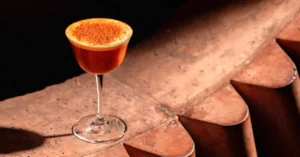
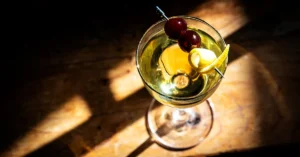
In the world of professional mixology, the low alcohol content of Sherry compared to base spirits like gin or rum has made it an attractive component for "sessionable" cocktails. As the modern consumer trends toward lower-ABV (alcohol by volume) beverages, Sherry has found a natural home in the world’s most prestigious bars. A dash of Amontillado can add depth and toastiness to a drink without overwhelming the palate, while the salinity of Fino provides a natural bridge to citrus and herb-forward profiles.
Official Reactions and Future Implications
Industry representatives view the continued success of Sherry Week as a vital tool in overcoming the "stigma of the sideboard"—the outdated perception that Sherry is a drink relegated to the back of a cupboard during the holidays. The Director General of the Consejo Regulador has frequently emphasized that the goal of the event is to demystify the wine for a younger demographic, inviting them to engage with the product in a dynamic, high-energy environment.
The future of the region lies in this dual approach: protecting the ancient, labor-intensive traditions of the solera system while embracing modern marketing and environmental stewardship. The fact that fewer than 1% of all Sherries qualify for VOS or VORS status underscores the exclusivity and the painstaking nature of the production, providing a narrative of scarcity and quality that appeals to modern collectors.
As the industry looks toward the coming years, the challenge will be to maintain this momentum without sacrificing the artisanal nature of the product. The success of Sherry Week has proven that there is a global appetite for wines with deep history and distinct regional character. By continuing to leverage the expertise of educators, the creativity of bartenders, and the quality-first mentality of the bodegas, the Marco de Jerez is well-positioned to maintain its relevance in an increasingly crowded global wine market. Whether through a glass of chilled, crisp Fino served alongside fresh seafood or a glass of deep, mahogany-hued Oloroso enjoyed by the fire, the message of the week remains clear: Sherry is a wine of infinite nuance, waiting to be rediscovered by the next generation of consumers.