The aroma of freshly baked bread wafting through a home is universally recognized as one of life’s most comforting sensory experiences, particularly as seasonal temperatures drop during the autumn and winter months. Culinary traditions surrounding homemade yeast breads often evoke deep nostalgia, tracing back to family kitchens where warm pastries and loaves were staples of daily life. Among the vast array of homemade bread varieties, potato bread rolls occupy a unique position due to their exceptional texture, moisture retention, and culinary versatility. Culinary historians and bakers alike note that incorporating real mashed potatoes into yeast dough alters the scientific composition of the crumb, resulting in a pillowy softness that standard flour-and-water doughs struggle to replicate. As home cooking trends continue to prioritize comforting, scratch-made comfort foods, potato bread rolls have surged in popularity for both everyday family dinners and elaborate holiday feasts.
The Culinary Science Behind Potato Bread
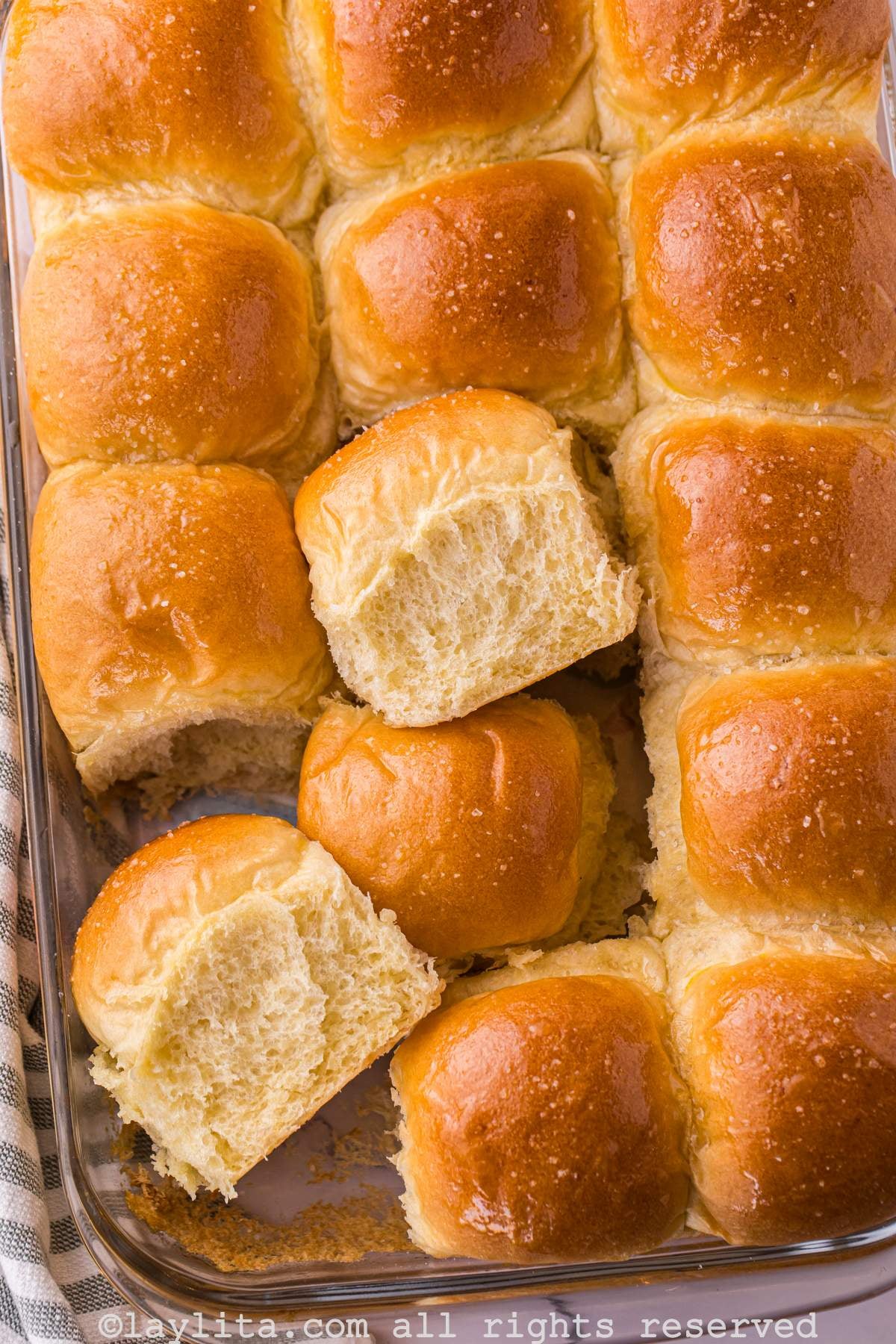
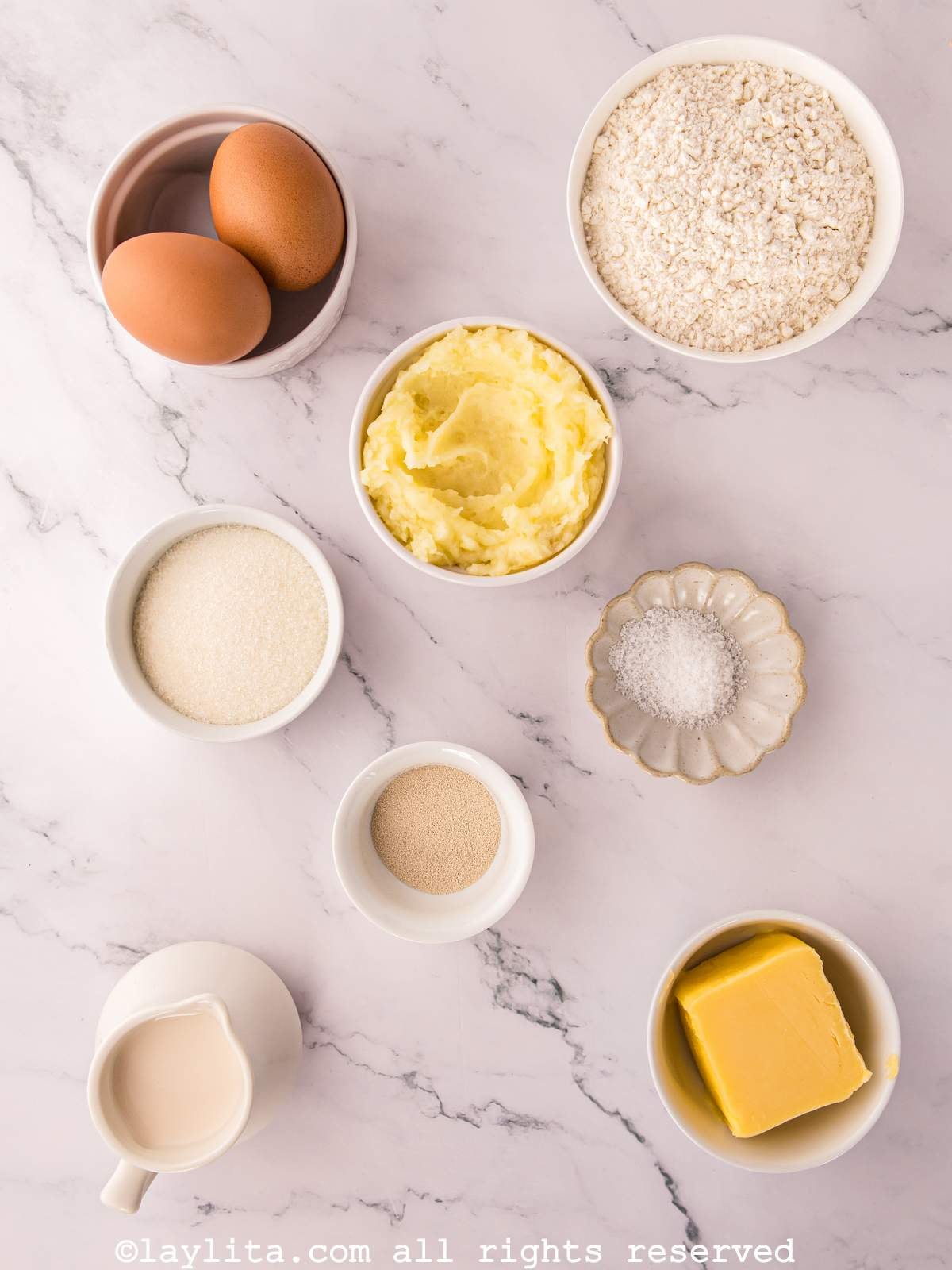
To understand why potato bread rolls achieve such a distinct texture, one must examine the interaction between potato starch and wheat gluten. Potatoes are naturally rich in starch and moisture. When mashed potatoes are folded into a standard yeast dough comprised of active dry yeast, whole milk, sugar, flour, butter, and eggs, the starch molecules absorb free water and swell during the mixing and kneading phases.
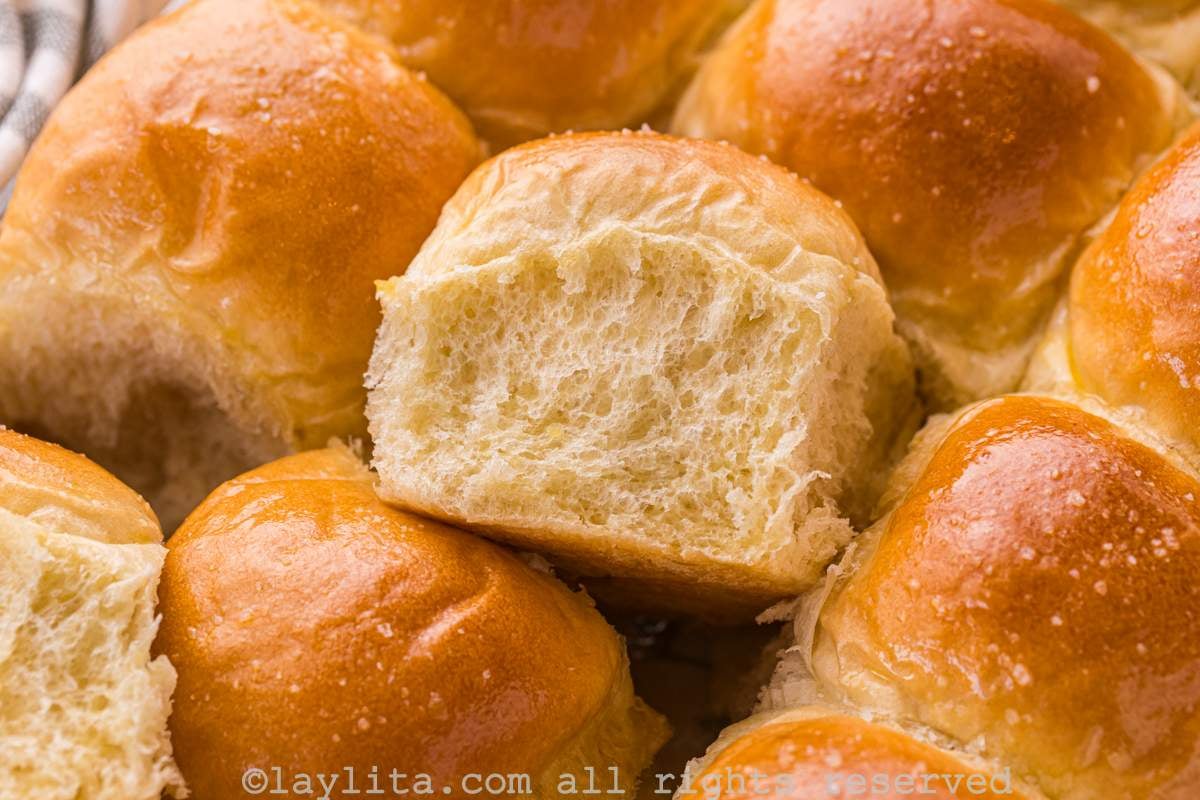
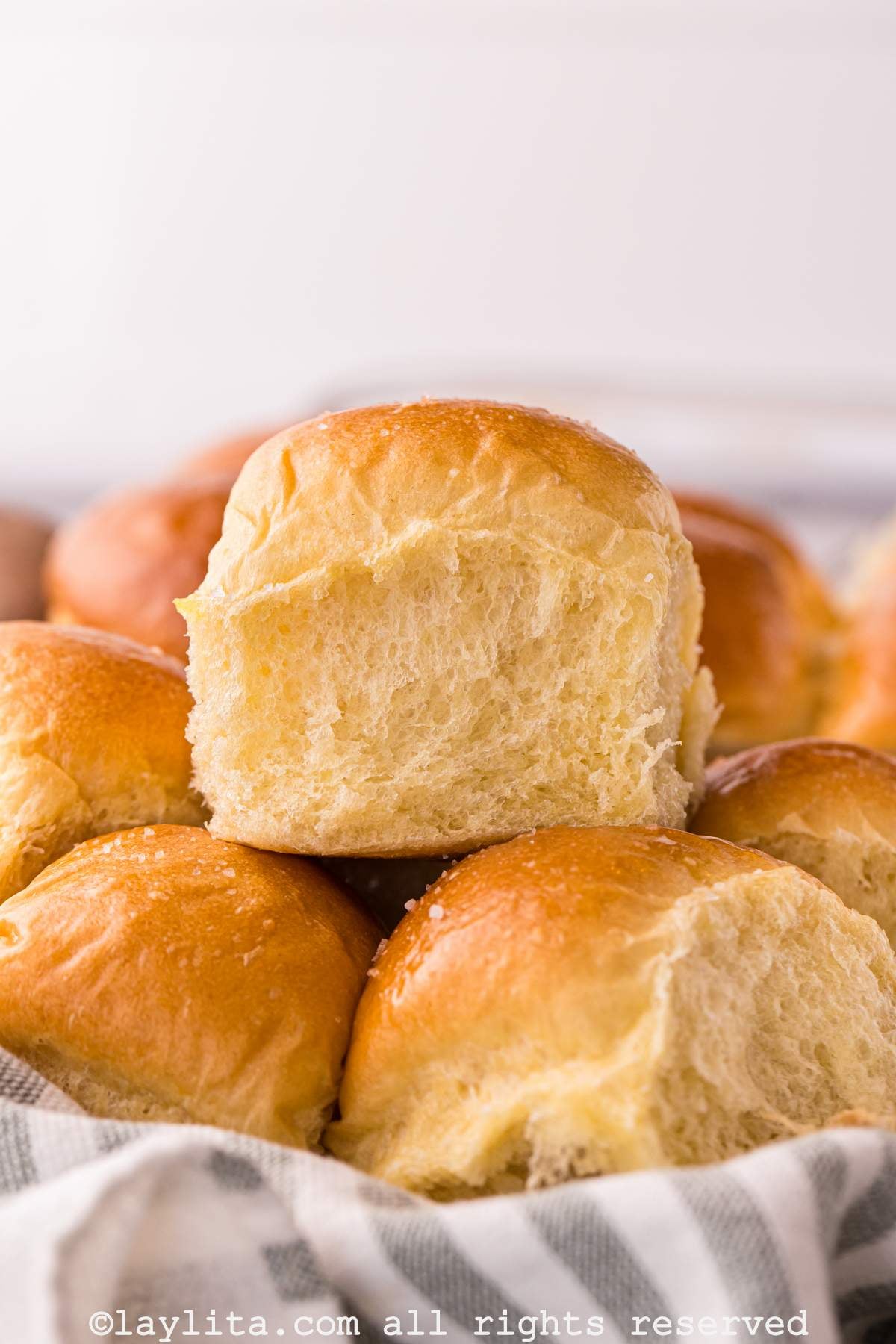
This moisture retention prevents the bread from staling as quickly as traditional artisan loaves. While standard dinner rolls often begin to dry out within twenty-four hours of baking, potato rolls maintain their tender, moist crumb for up to four days at room temperature. Furthermore, the natural sugars present in potatoes act as an efficient food source for the active dry yeast, promoting a vigorous rise during the proofing stages and yielding a light, airy, pull-apart structure.
Historical Context and Evolution of Potato Baking
The practice of adding potatoes to bread dough is not a modern culinary innovation; rather, it is a resourceful baking technique deeply rooted in economic history. During periods of flour scarcity or economic hardship throughout the 18th and 19th centuries across Europe and North America, bakers discovered that substituting a portion of expensive wheat flour with inexpensive, readily available boiled and mashed potatoes stretched their pantry supplies.
Over generations, what began as a survival mechanism evolved into a deliberate culinary preference. Cooks realized that the inclusion of potatoes did not merely economize ingredients—it dramatically improved the quality of the bread. Today, potato rolls are celebrated fixtures in American comfort food culture, particularly during major autumnal and winter holidays such as Thanksgiving and Christmas, where they frequently serve as a centerpiece side dish designed to complement savory roasted meats and rich gravies.
Step-by-Step Preparation and Professional Baking Techniques
Achieving bakery-quality potato bread rolls at home requires adherence to specific preparation milestones, proper ingredient temperatures, and precise environmental conditions for yeast activation. The production process can be categorized into several distinct chronological phases.
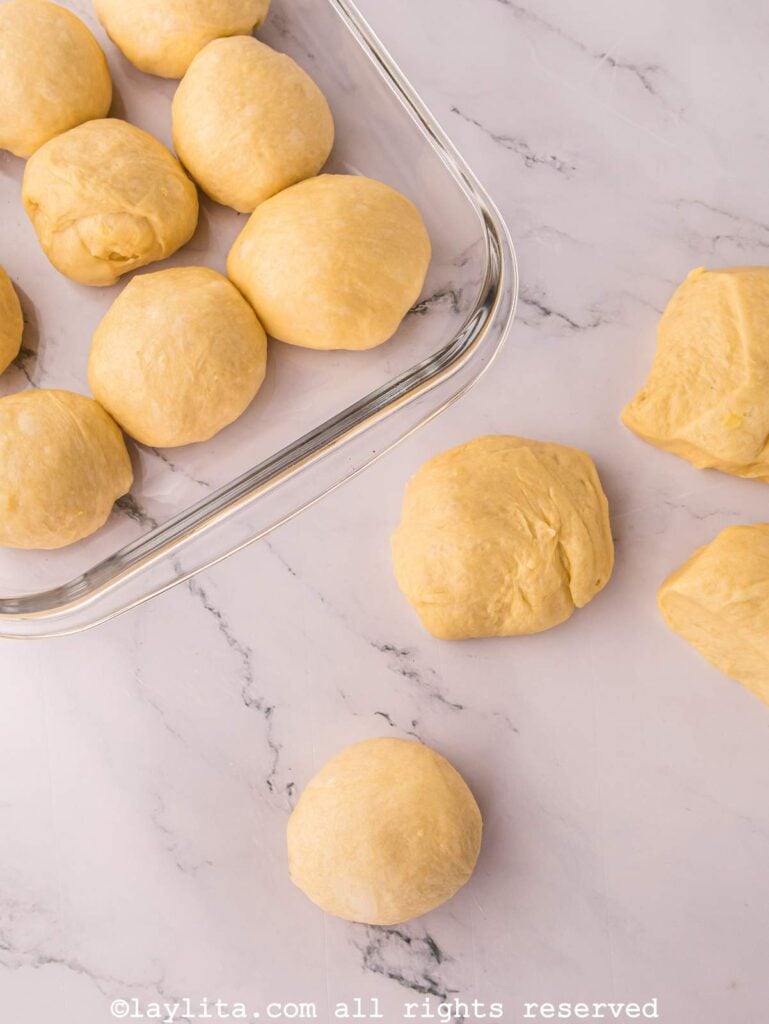
Dough Formulation and Kneading
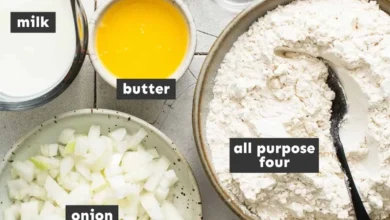
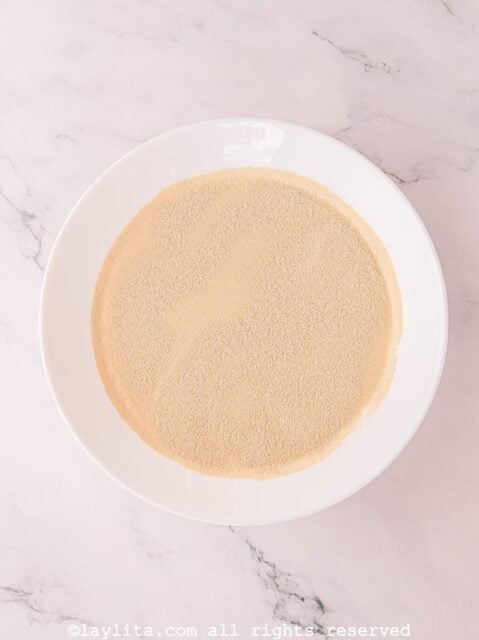
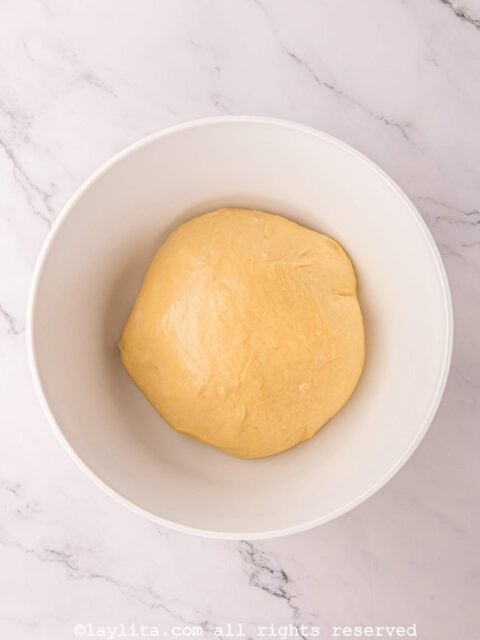
The foundation of the recipe begins with the preparation of a smooth, lump-free batch of mashed potatoes, which must be allowed to cool to lukewarm temperature before coming into contact with the active dry yeast to prevent thermal shock. Active dry yeast is typically dissolved in warm whole milk alongside a small amount of sugar to initiate fermentation.
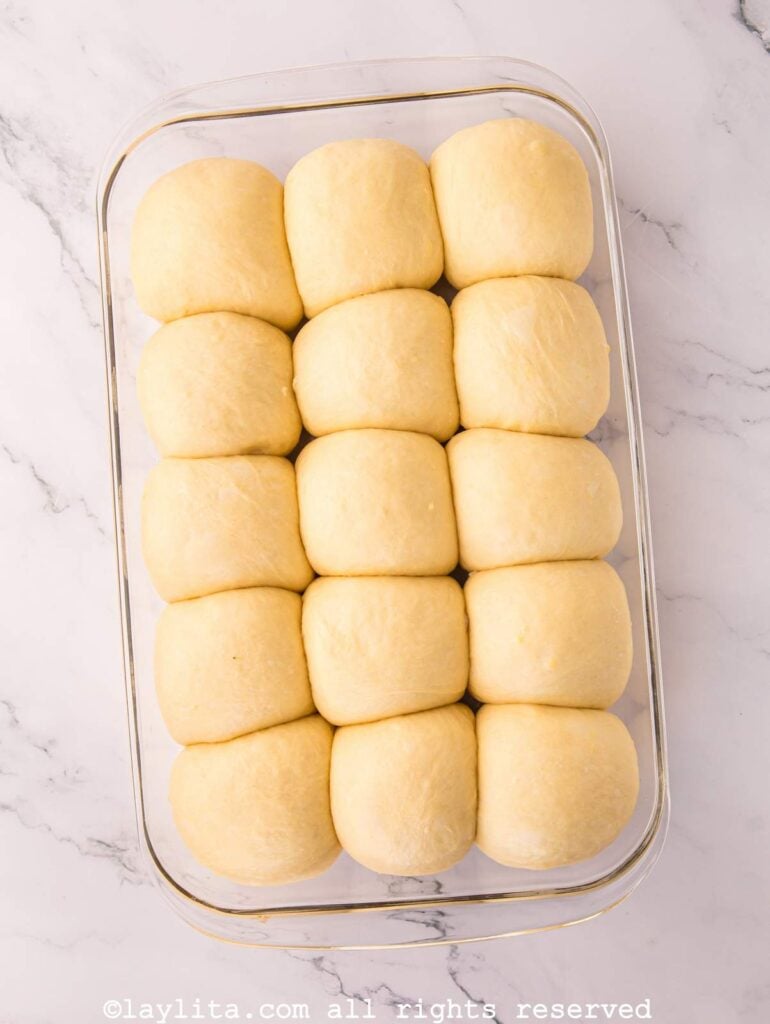
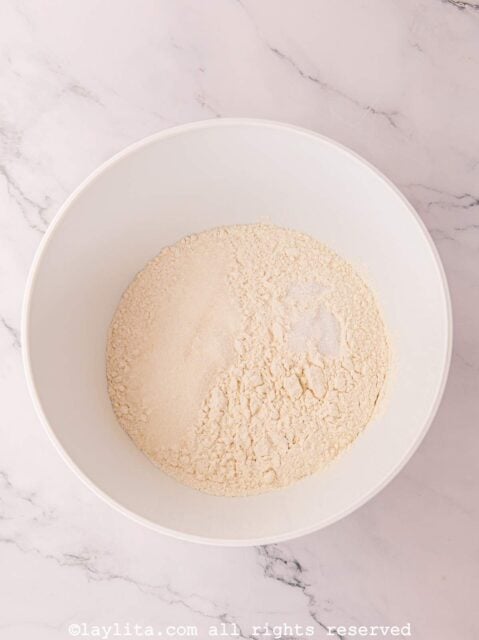
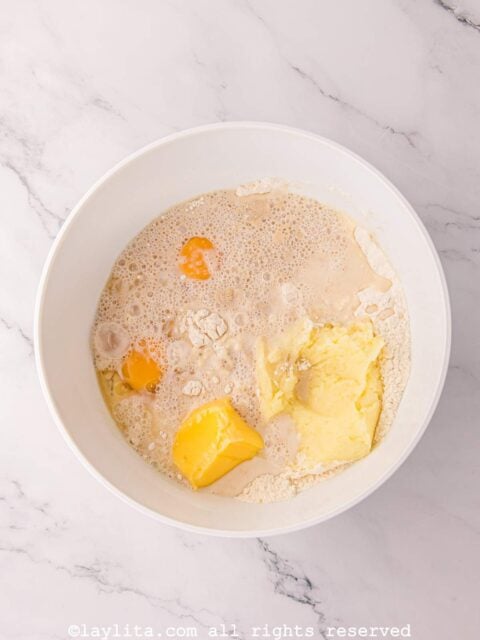
Once the yeast exhibits signs of activity—characterized by a frothy surface layer—it is combined with the mashed potatoes, eggs, melted butter, and all-purpose flour. Thorough kneading is essential to develop the gluten matrix, which traps the carbon dioxide gas produced by the yeast. The dough should be kneaded until it transitions from a sticky mass into a smooth, elastic ball that springs back lightly when pressed.
First Rise and Shaping
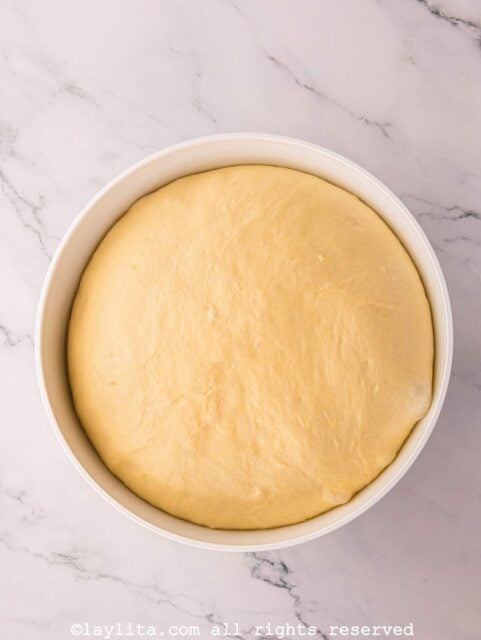
Following the initial kneading, the dough is placed in a lightly greased bowl, covered with a damp towel or plastic wrap, and left in a warm, draft-free environment to undergo its first proofing. This bulk fermentation phase typically requires one to two hours, or until the dough has doubled in volume.
Once doubled, the dough is gently deflated to release excess gas and divided into equal portions—typically yielding fifteen individual rolls. Each portion is tightly rounded into a smooth ball to ensure an even rise and placed closely together in a greased baking pan. This arrangement allows the rolls to rise upward and fuse together, creating the characteristic pull-apart style.
Second Proofing and Baking
The shaped rolls undergo a second, shorter rise inside the baking pan, allowing them to puff up and fill any remaining gaps. Prior to entering the oven, the rolls may be brushed lightly with an egg wash or milk to promote a golden-brown exterior finish. Baking occurs in a preheated oven, monitored closely to prevent over-browning.
Determining Doneness
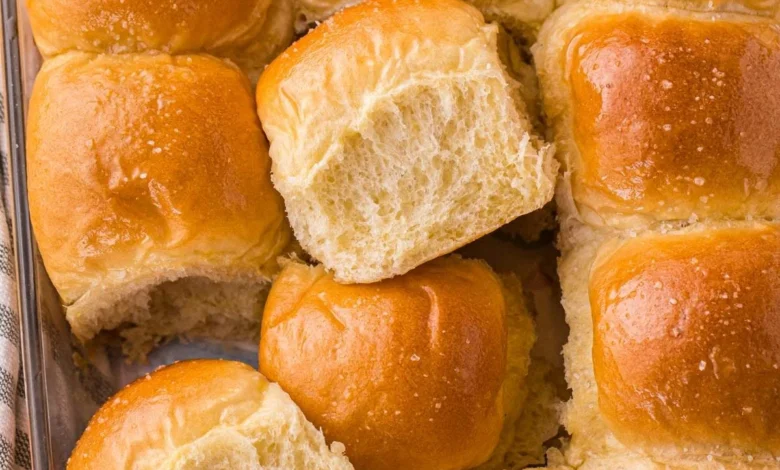
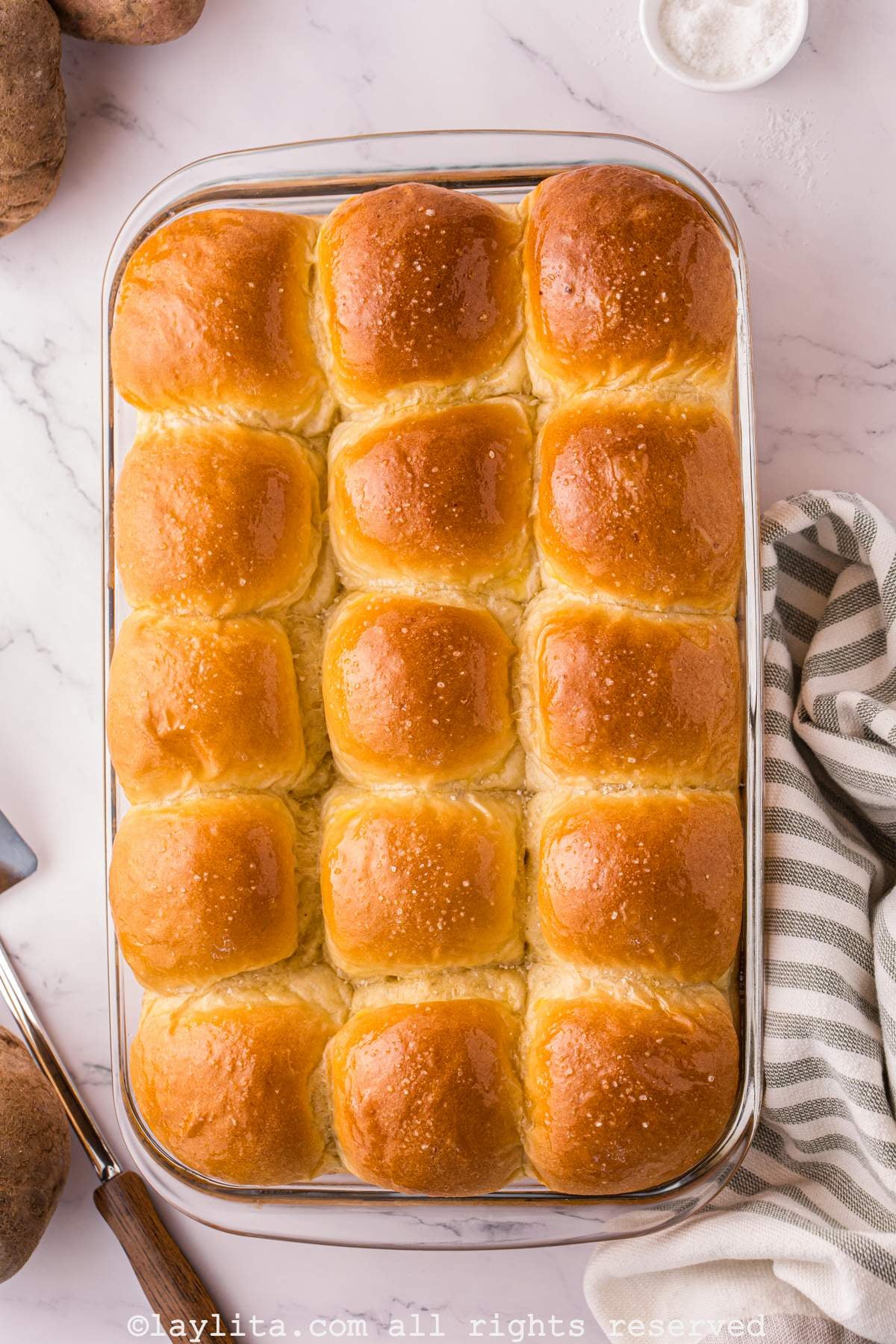
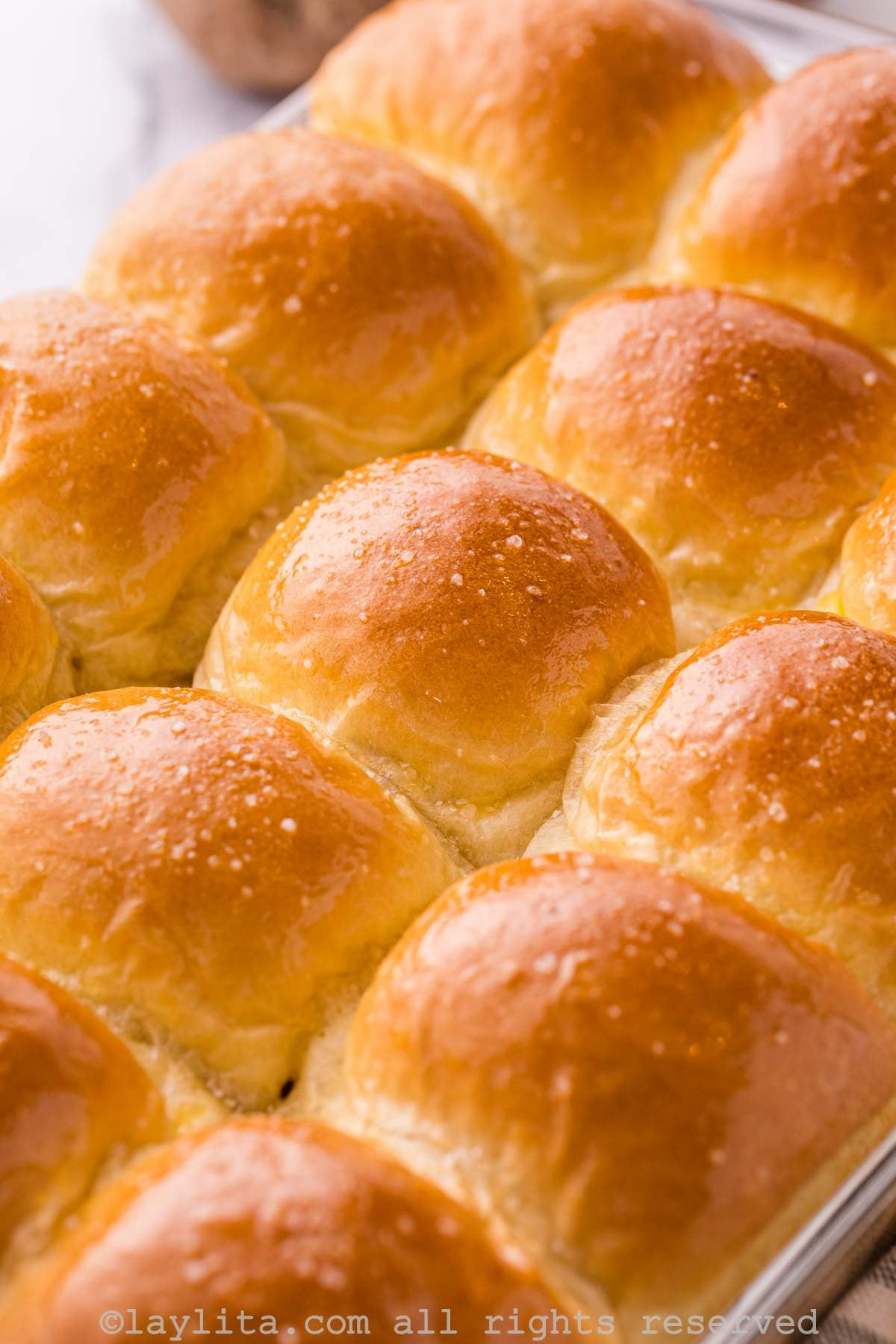
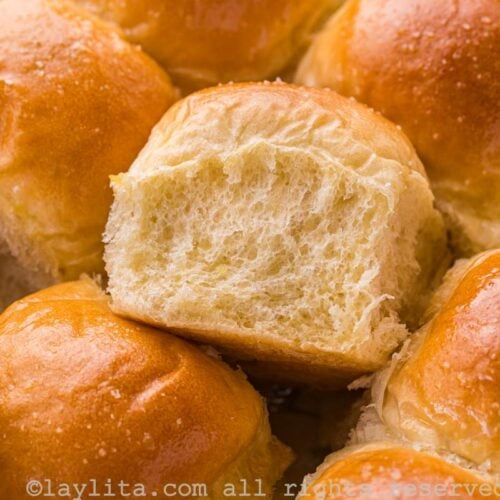
Professional bakers rely on specific sensory and instrumental indicators to confirm that bread rolls are thoroughly baked. The exterior crust should exhibit a uniform golden-brown hue with a matte or lightly buttered sheen.
When gently tapped on the bottom or side, a perfectly baked roll should produce a hollow sound, indicating that the interior crumb is fully set and free of gummy pockets. Alternatively, bakers utilizing a digital instant-read thermometer can verify doneness when the internal temperature of the center roll reaches approximately 190°F to 200°F (88°C to 93°C). Immediately upon exiting the oven, brushing the hot crust with melted butter and sprinkling a light layer of flaky sea salt enhances both flavor and visual presentation.
Storage, Preservation, and Reheating Protocols
One of the primary logistical advantages of potato bread rolls is their longevity relative to standard yeast breads. Because potatoes retain moisture inherently, leftover baked rolls can be successfully stored in an airtight container or wrapped securely in aluminum foil at room temperature for up to four days without losing their soft texture.
For long-term preservation, fully baked and cooled rolls can be placed inside heavy-duty freezer bags and stored in a standard household freezer for up to three months. When reheating from frozen or refrigerated states, placing the rolls on a baking sheet in a preheated oven set to 300°F (150°C) for five to seven minutes restores their freshly baked warmth and soft crumb. For single-serving convenience, individual rolls can be warmed in a microwave for eight to ten seconds, though oven-reheating remains the preferred method for maintaining crust integrity.
Culinary Applications and Serving Suggestions
While potato bread rolls are most frequently encountered as a traditional dinner side dish served alongside butter, gravies, and roasted entrees, their versatility extends far beyond the evening meal. The slight sweetness and rich, buttery crumb make them an exceptional base for breakfast and brunch preparations.
Culinary enthusiasts frequently pair warm potato rolls with fruit preserves, such as guava jam, alongside slices of fresh cheese like queso fresco, creating a balanced flavor profile that bridges savory and sweet dimensions. Furthermore, the structural integrity and soft texture of the rolls render them ideal vessels for constructing gourmet sliders, pulled pork sandwiches, or holiday leftover turkey sliders.
Broader Culinary Implications and Cultural Significance
The enduring popularity of potato bread rolls underscores a broader movement within contemporary home cooking: a return to foundational baking techniques that prioritize quality ingredients, natural preservation methods, and tactile culinary engagement. As commercial bakeries increasingly rely on chemical additives and artificial emulsifiers to extend shelf life, scratch-made potato rolls demonstrate how traditional ingredients—specifically root vegetables like potatoes—can achieve superior sensory results through natural chemical and physical interactions.
Whether prepared for a quiet weeknight family supper or integrated into large-scale holiday celebrations, homemade potato bread rolls continue to serve as a testament to the comforting, unifying power of traditional baking.