The Culinary Evolution of Chinese-Inspired Crispy Prawns with Creamy Mayonnaise in Modern Gastronomy

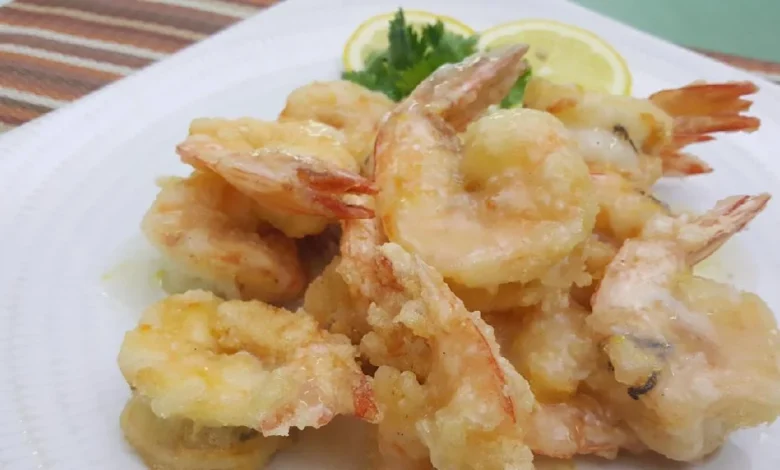
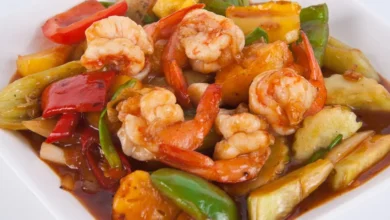
The global culinary landscape has long embraced the delicate balance of textures and flavors characteristic of traditional and contemporary Chinese cuisine. Among the vast array of seafood preparations that have transcended regional boundaries, crispy fried prawns served with a rich, creamy mayonnaise emulsion have emerged as a universal favorite. This dish, bridging the gap between comforting home-cooked meals and sophisticated restaurant gastronomy, continues to captivate diners across demographics. The enduring appeal of this culinary creation lies in its sensory contrast: the satisfying crunch of a meticulously battered exterior yielding to the tender, succulent bite of fresh shrimp, complemented by the velvety richness of a sweetened mayonnaise dressing.
As culinary enthusiasts increasingly seek restaurant-quality experiences within their home kitchens, the demand for accessible yet gourmet recipes has surged. The preparation of Chinese-inspired crispy prawns with mayonnaise not only highlights the versatility of seafood in Asian-influenced cooking but also demonstrates the seamless integration of global ingredients into everyday cooking. Culinary experts and food historians note that while mayonnaise is traditionally associated with Western condiments, its adaptation in modern Asian fusion cuisine has created a distinct flavor profile characterized by a harmonious blend of sweetness, tanginess, and rich umami undertones.
Historical Context and Cultural Significance of Prawn Preparation in Chinese Cuisine
Seafood has historically occupied a prominent position in Chinese gastronomy, particularly in coastal regions where fresh catches dictate the rhythm of daily culinary practices. Prawns and shrimp, revered for their natural sweetness and springy texture, are frequently featured in celebratory banquets, family gatherings, and everyday dining alike. In traditional Chinese culinary philosophy, the preparation of prawns often emphasizes retaining the natural moisture and crispness of the seafood through quick cooking methods, such as rapid frying or steaming.
The evolution of crispy fried prawns with mayonnaise represents a fascinating intersection of traditional Chinese frying techniques and Western condiment integration. While classic Cantonese cuisine often utilizes light, aromatic sauces or simple savory reductions, contemporary iterations—popularized in dim sum parlors and upscale seafood restaurants across Hong Kong, mainland China, and the international diaspora—introduced the concept of coating deep-fried seafood in a luscious, creamy glaze. This modern classic has since become a staple in international Chinese restaurants, admired for its universal palatability that bridges cultural preferences from younger generations to older connoisseurs.
Nutritional Profile and Selection of Quality Seafood Ingredients
Achieving the quintessential texture and flavor profile of this dish begins with the careful selection of raw ingredients. Culinary professionals recommend utilizing high-quality prawns, such as tiger prawns (Penaeus monodon) or banana prawns, known for their robust size, firm flesh, and naturally sweet flavor profile. When properly prepared, these crustaceans provide a substantial source of lean protein, essential amino acids, and vital micronutrients such as selenium, vitamin B12, and iodine.
From a nutritional perspective, seafood remains a cornerstone of a balanced diet recommended by health organizations globally. However, the incorporation of a rich mayonnaise dressing and the deep-frying process introduce additional caloric density and lipid content. Culinary nutritionists suggest that while the dish is typically reserved for occasional indulgence or special dining occasions, portion control and the use of high-smoke-point vegetable oils for frying can mitigate potential health impacts. Furthermore, substituting standard mayonnaise with lighter alternatives or incorporating a hint of freshly squeezed citrus juice can brighten the heavy dressing without compromising the authentic flavor profile.
Comprehensive Culinary Guide: Recreating the Restaurant-Quality Prawn Dish at Home
For home cooks aspiring to replicate the exquisite standard of fine-dining establishments, precision in technique is paramount. The preparation process involves several methodical steps, ranging from meticulous cleaning and deveining to the final art of emulsification and coating.
Recipe Specifications:
- Preparation and Cooking Duration: 45 minutes
- Difficulty Level: Moderate
- Yield: 3 servings
- Origin: China
- Culinary Category: Seafood
Ingredients Selection and Preparation
To execute this dish successfully, practitioners require a specific array of fresh components:
- Fresh prawns (windu or banana prawns): 500 grams, peeled, deveined, and thoroughly washed, leaving the tails intact for presentation purposes if desired.
- Fine sea salt: 1 teaspoon, for initial seasoning and moisture extraction.
- Ground white pepper: Half a teaspoon, offering a subtle warmth without overpowering the delicate seafood flavor.
- Cornstarch or all-purpose flour: 1 cup, serving as the primary coating agent to create a shatteringly crisp exterior.
- Egg white: 1 large, acting as a binding adhesive to ensure the flour adheres evenly to the prawn surface.
- Vegetable oil: Sufficient quantity for deep-frying, maintained at a stable temperature of 175°C to 180°C.
- High-quality mayonnaise: Half a cup, forming the base of the creamy sauce.
- Condensed milk or honey: 1 tablespoon, introducing the signature touch of sweetness characteristic of this contemporary style.
- Lemon juice: 1 teaspoon, adding essential acidity to balance the richness of the fat.
- Toasted sesame seeds or finely chopped scallions: For final garnishing.
Step-by-Step Chronological Cooking Methodology
-
Initial Seafood Preparation: Begin by thoroughly washing the prawns under cold running water. Peel away the shells completely while optionally retaining the tail segment for aesthetic appeal. Make a shallow incision along the back of each prawn to remove the dark digestive tract. Pat the cleaned prawns completely dry using paper towels; excess surface moisture is the primary enemy of a crisp, uniform batter.
-
Marination and Seasoning: Transfer the dried prawns into a mixing bowl. Season evenly with sea salt and ground white pepper. Toss gently to ensure the seasonings are distributed across every piece. Allow the prawns to marinate at ambient temperature for approximately 10 to 15 minutes, permitting the flavors to penetrate the delicate flesh.
-
Coating Application: Whisk the egg white in a separate bowl until slightly foamy. Dip each marinated prawn into the egg white, allowing any excess to drip off, then immediately dredge the prawn in the cornstarch or flour mixture. Ensure each piece is uniformly coated with a thin, even layer of dry starch, shaking off any heavy clumps to prevent a doughy texture during frying.
-
Deep-Frying Process: Heat the vegetable oil in a deep wok or heavy-bottomed skillet over medium-high heat. To test whether the oil has reached the optimal temperature of approximately 175°C, drop a small pinch of flour into the oil; it should sizzle and rise to the surface immediately without burning. Carefully introduce the coated prawns into the hot oil in small batches to prevent overcrowding, which can cause the oil temperature to drop drastically. Fry for 2 to 3 minutes until the coating turns a pale, golden hue and achieves a crisp consistency. Remove the prawns using a slotted spoon or wire mesh strainer and drain thoroughly on a wire rack or paper towels.
-
Sauce Preparation and Assembly: In a clean, spacious mixing bowl, combine the mayonnaise, condensed milk or honey, and fresh lemon juice. Whisk vigorously until the mixture is completely smooth and homogeneous. Just before serving, add the freshly fried crispy prawns into the bowl containing the mayonnaise sauce. Toss gently and rapidly to ensure every prawn is lightly and evenly coated with the creamy dressing without compromising the crispness of the fried exterior.
-
Plating and Presentation: Transfer the coated prawns onto a pre-warmed serving platter. Garnish immediately with a sprinkle of toasted sesame seeds or finely sliced scallions for added visual contrast and aromatic complexity. Serve alongside steamed jasmine rice or a simple crisp green salad to complete the dining experience.
Broader Economic and Culinary Implications of Fusion Seafood Trends
The enduring popularity of dishes such as crispy prawns with mayonnaise underscores a broader economic and cultural phenomenon within the global food and beverage industry. Fusion cuisine, when executed with respect for traditional flavor foundations and modern culinary science, continues to drive restaurant patronage and influence home-cooking trends. Market research indicates that seafood consumption patterns increasingly favor preparations that offer convenience without sacrificing gourmet appeal, positioning versatile recipes like this one as staples in modern recipe curation.
Furthermore, the globalization of culinary knowledge through digital platforms, culinary broadcasts, and food journalism allows home cooks to experiment with sophisticated techniques that were once exclusive to professional restaurant kitchens. As culinary boundaries continue to blur, dishes that successfully merge contrasting textures—such as the crisp crunch of fried seafood paired with the smooth richness of flavored emulsions—will undoubtedly remain at the forefront of international gastronomic evolution.
Related posts: