The Great Pizza Schism: When Culinary Tradition Collides with Global Innovation in the Workplace

The intersection of professional kitchen protocol, cultural authenticity, and labor rights has once again ignited international debate following a high-profile employment dispute in Australia involving an Italian chef’s steadfast refusal to prepare Hawaiian pizza. While culinary purists often defend traditional standards with intense passion, this recent legal case highlights the complex realities of modern restaurant operations, where globalization, shifting consumer preferences, and rigid cultural heritage frequently clash.
Main Facts of the Legal Dispute
The controversy centers on Davide Tamburella, an Italian-born chef employed at the now-closed La Costa restaurant in Brisbane, Australia. In May 2026, Tamburella was dismissed from his position following a series of workplace disputes, chief among them his persistent refusal to prepare ham-and-pineapple pizzas for a private function. According to official records from Australia’s Fair Work Commission, Tamburella justified his refusal by asserting that the pineapple topping constituted a profound "insult to his culture."
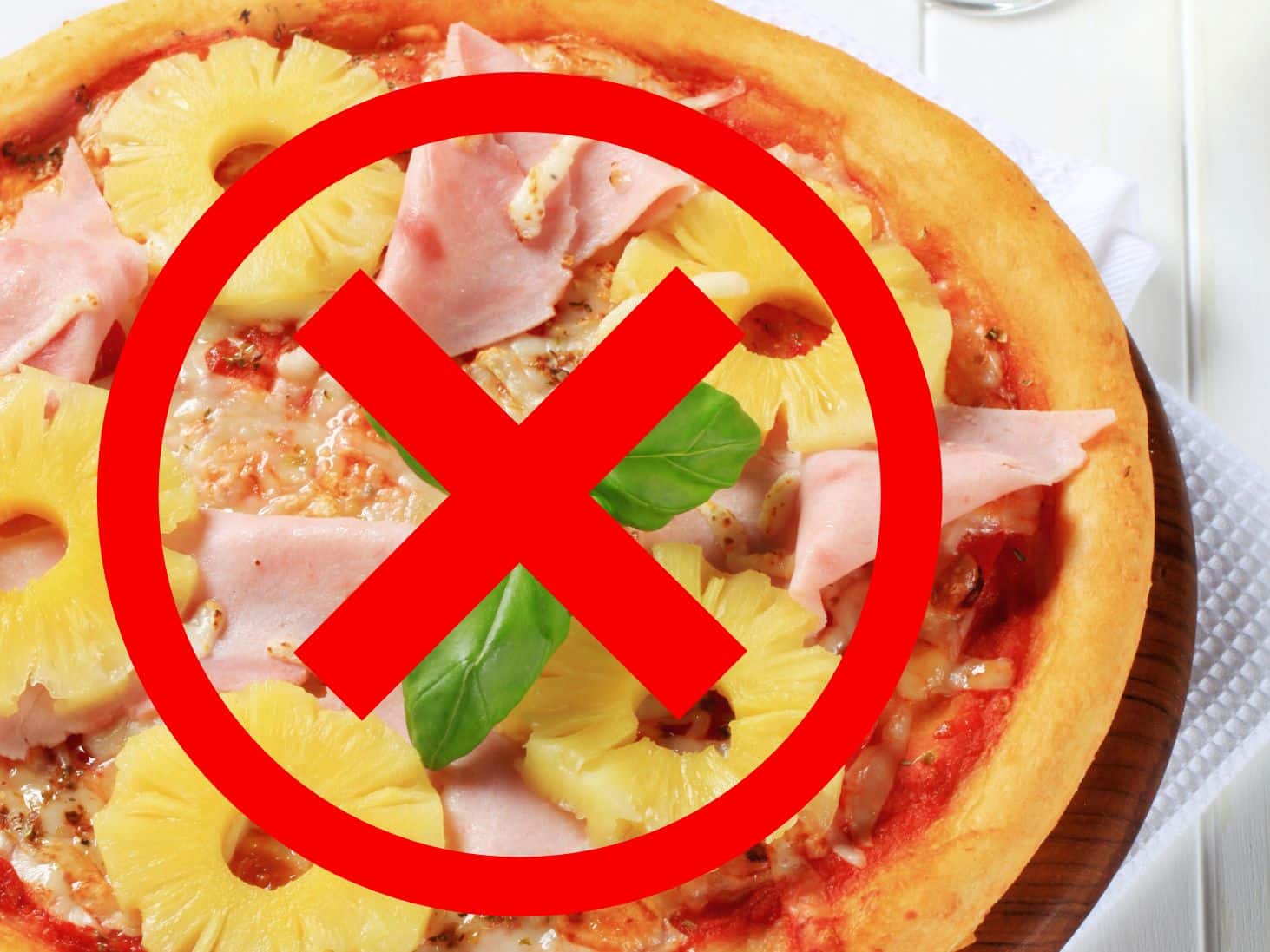
The dismissal, however, was not solely triggered by a single culinary disagreement. Restaurant management cited a cumulative pattern of friction, including concerns regarding workplace conduct and communication styles. Court filings revealed that this incident marked the third time over a four-year period that Tamburella had formally or informally refused to incorporate pineapple onto a pizza base for customers.
Restaurant owner Elliot Ingram subsequently clarified to regional media outlets that while the ongoing friction over menu items contributed to the termination, it was part of a broader set of operational and behavioral grievances. Ultimately, the Fair Work Commission issued a formal decision on November 3, 2026, rejecting Tamburella’s unfair dismissal application. The commission’s ruling hinged primarily on procedural grounds—specifically that the legal application was filed past the statutory deadline—rather than establishing a definitive legal precedent on whether pineapple rejection constitutes lawful grounds for termination.
Chronology of Events
The events leading to the Fair Work Commission ruling unfolded over several years, reflecting deep-seated tensions in multicultural hospitality environments:
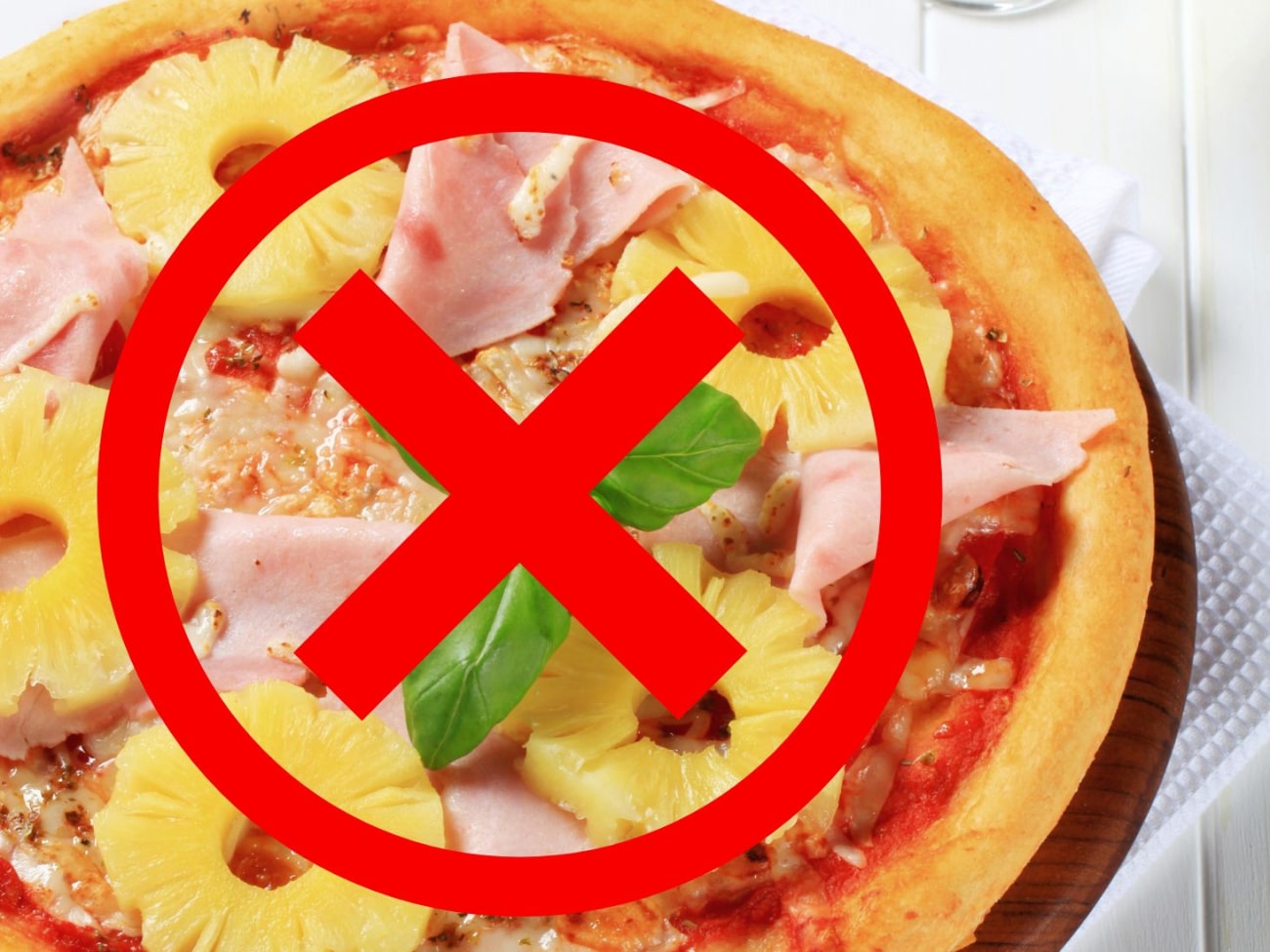
- 2022–2025: Chef Davide Tamburella reportedly objects on multiple occasions to preparing pineapple-topped pizzas at Brisbane establishments, maintaining that doing so violates fundamental Italian gastronomic principles.
- May 2026: Tensions peak at La Costa restaurant in Brisbane during a catered function requiring ham-and-pineapple pizzas. Tamburella refuses the order, leading to escalated workplace friction and his subsequent dismissal alongside cited concerns over professional conduct.
- May through October 2026: Legal filings are prepared, and the matter is brought before Australia’s Fair Work Commission to evaluate the legality of the termination under local employment law.
- November 3, 2026: The Fair Work Commission officially dismisses Tamburella’s application, ruling that the submission was filed outside the permitted timeframe, thereby concluding the administrative review of the case.
Global Perspectives on Pizza Innovation
Beyond the courtroom drama in Brisbane, the incident underscores a broader global phenomenon: the continuous evolution and frequent distortion of traditional Italian cuisine as it adapts to international palates. While Italian culinary tradition famously emphasizes simplicity, regional integrity, and strict ingredient combinations, international markets have embraced extensive culinary experimentation.
In Sweden, for instance, regional pizzerias regularly feature combinations that challenge orthodox definitions. Varbergs Pizzeria, located south of Gothenburg, lists the Africana pizza under its classic menu category. This variation combines traditional ham and cheese with pineapple, sliced banana, and yellow curry powder. Far from being a fringe novelty, market research from 2026 indicates that approximately 53% of Swedish adults express approval for pineapple on pizza, while 27% report an affinity for banana-topped iterations. Furthermore, demographic data reveals that among Swedish consumers aged 18 to 29, half regularly incorporate French fries onto their pizzas, and one-third routinely utilize béarnaise sauce as a crust dip.
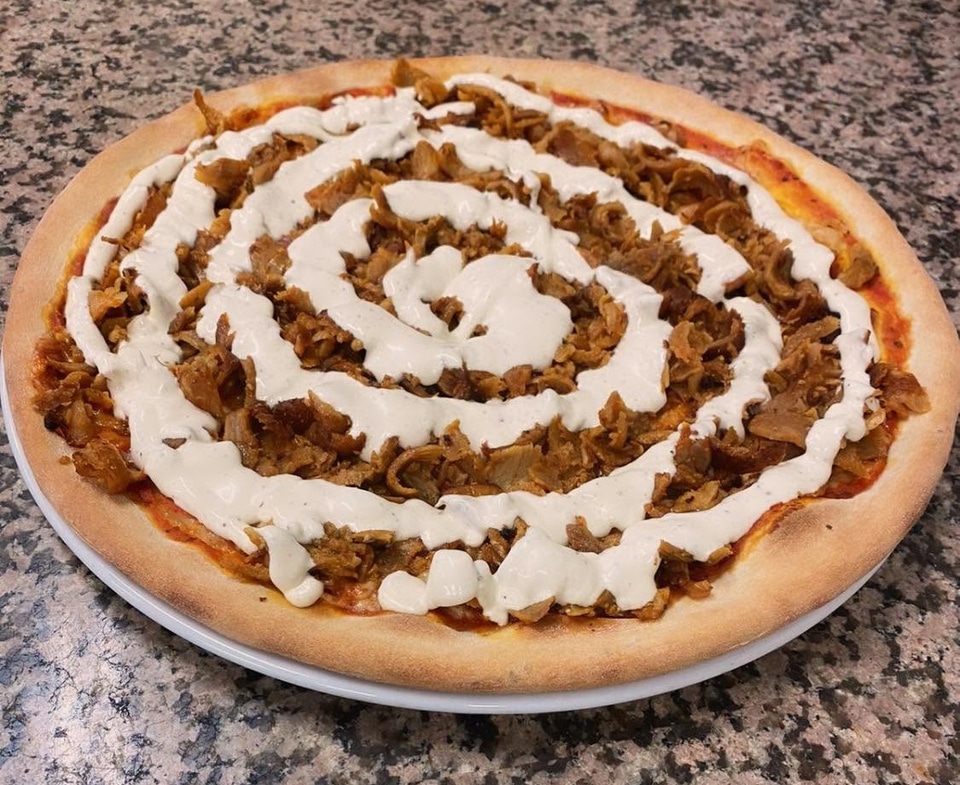
Similar divergences from Mediterranean norms appear globally. In Japan, Domino’s menu features the Mayo Jaga, a heavy comfort-food combination comprising sliced potatoes, pork sausage, corn, tomato sauce, and a double layer of mayonnaise. In official 2024 popularity rankings published by Domino’s Japan, the Mayo Jaga secured the seventh position nationwide, demonstrating robust commercial success. Meanwhile, North America popularized the barbecue chicken pizza—exemplified by California Pizza Kitchen’s iteration featuring smoked Gouda, red onions, and cilantro—which replaces cured Italian meats with American barbecue profiles. In Brazil, establishments such as Caleche offer beef stroganoff pizza, which layers rich, creamy beef stew, olives, and batata palha (crisp potato sticks) directly onto the crust, effectively transforming a complete dinner into a handheld pastry.

Traditional Defenses Within Italy
Paradoxically, rigid adherence to culinary orthodoxy is not universally shared even within Italy’s borders. Culinary historians note that various Italian regions maintain historical variations that modern purists might find unconventional. For example, Pesaro’s traditional pizza Rossini is defined by its toppings of hard-boiled eggs and mayonnaise, a local specialty celebrated annually through civic festivals and endorsed by regional tourism boards. Additionally, certain Italian children’s menus routinely feature pizza Americana, which pairs pizza dough with French fries and sliced hot dogs.
High-profile Italian chefs have also begun reevaluating previously taboo ingredients. Noted Neapolitan pizza artisan Gino Sorbillo made headlines by introducing a curated pineapple pizza to his menu. Sorbillo utilized pre-roasted pineapple combined with smoked provola cheese, fresh basil, and alternative cheeses on a white base, arguing that the viability of an ingredient depends entirely on preparation technique and flavor balancing rather than dogmatic exclusion. Concurrently, a 2024 YouGov survey revealed that while 54% of Italians surveyed had never tasted Hawaiian pizza and maintained an aversion to doing so, roughly 31% indicated a willingness to sample the combination or had already incorporated it into their dining habits.
Broader Industry Implications and Analysis
The Brisbane dismissal case and the accompanying global debate illuminate structural challenges within the contemporary hospitality industry. Restaurants operate at the intersection of cultural heritage and commercial hospitality. For chefs trained in traditional European academies, culinary preparation is frequently viewed as an extension of cultural identity, making demands to alter foundational recipes a matter of professional and personal ethics. Conversely, restaurant proprietors must navigate consumer demand, commercial viability, and customer satisfaction in diverse, multicultural markets where culinary fusion is the norm rather than the exception.
Labor law experts note that while cultural or professional convictions can influence a worker’s engagement, employment contracts generally obligate staff to fulfill reasonable operational duties requested by management, provided those duties do not breach safety or legal standards. The Fair Work Commission’s decision to dismiss Tamburella’s case on procedural technicalities bypassed the deeper philosophical question of whether refusing a specific recipe constitutes insubordination or valid cultural expression.
Ultimately, the persistent controversy surrounding pineapple, banana, mayonnaise, and other unconventional toppings highlights the dynamic, ever-changing nature of global cuisine. As international culinary boundaries continue to blur, the tension between preserving historical authenticity and accommodating modern consumer tastes remains a defining characteristic of the modern restaurant industry.