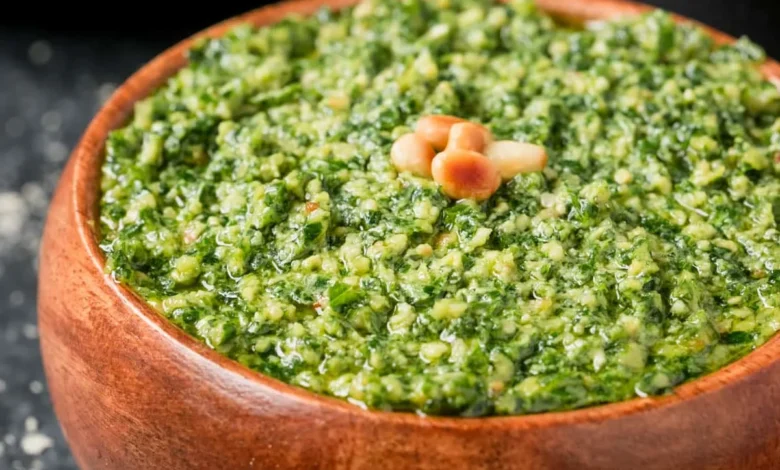
The emergence of plant-based culinary techniques has transformed the traditional Italian pesto from a niche regional specialty into a global staple of health-conscious, environmentally aware home cooking. The recent development of a simplified, high-efficiency vegan kale pesto recipe—capable of being prepared in under 10 minutes—marks a notable shift in how professional and home kitchens approach nutrient-dense ingredient substitution. By replacing traditional basil and parmesan with kale, nutritional yeast, and toasted nuts, this dish addresses contemporary consumer demands for shorter preparation times, ingredient accessibility, and sustainable dietary options.

Historical Context and Evolution of Pesto
Traditional pesto alla genovese originated in the Liguria region of Italy, historically consisting of crushed garlic, European pine nuts, coarse salt, basil leaves, Parmigiano-Reggiano, Pecorino Sardo, and olive oil. As global dietary habits have shifted toward plant-forward nutrition, culinary experts have increasingly sought to replicate the texture and savory profile of the original recipe without the use of dairy or specialized herbs.
The adoption of kale—a hardy cruciferous vegetable—as a primary base reflects a broader trend in the food industry toward using "superfoods" in accessible, everyday preparations. Nutritionally, kale offers a dense profile of vitamins A, K, and C, along with fiber and antioxidants. When integrated into a blended condiment like pesto, these nutrients remain highly bioavailable, providing a significant upgrade over traditional basil-only iterations in terms of overall dietary quality.

Culinary Methodology and Efficiency
The mechanics behind the 10-minute preparation window rely on the optimization of food processing technology. Modern food processors allow for the rapid emulsification of oils with fibrous greens, a process that historically required extensive manual labor using a mortar and pestle.
The preparation sequence is categorized into three technical phases:

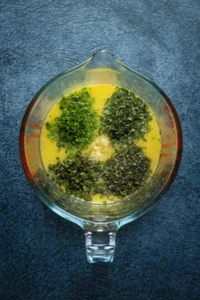
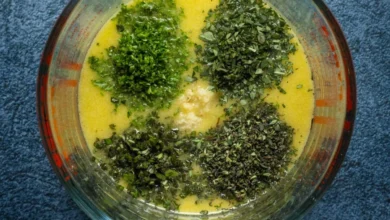
- Preparation and Activation: The infusion of minced garlic into acidic lemon juice acts as a chemical tenderizer, reducing the raw bite of the garlic and creating a balanced flavor profile.
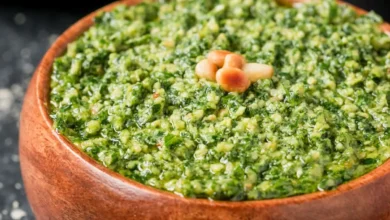
- Toasting and Texture: The inclusion of lightly toasted pine nuts provides the necessary fatty base to mimic the mouthfeel of traditional dairy-based pesto, contributing both texture and a nutty undertone that offsets the inherent bitterness of kale.
- Emulsification: The steady incorporation of high-quality olive oil during the final blending phase ensures a stable, uniform emulsion that clings to pasta or bread surfaces effectively.
Nutritional Data and Dietary Implications
For the modern consumer, the nutritional profile of this vegan alternative is a key factor in its adoption. Based on standard ingredient metrics, a single serving of this vegan kale pesto contains approximately 183 kcal. The breakdown includes roughly 6g of carbohydrates, 4g of protein, and 17g of fats, largely derived from monounsaturated fats in olive oil and healthy fats in the nuts.
Data from the food science sector indicates that the use of nutritional yeast as a substitute for parmesan cheese provides a significant source of B-vitamins, including B12—a critical nutrient for individuals following a strictly plant-based diet. This substitution does not merely replicate the "cheesy" flavor; it provides an essential nutritional fortification that was absent in the original, dairy-heavy formulation.

The Rise of Plant-Based Substitutions
The shift toward vegan pesto is part of a larger, systemic change in consumer behavior. According to industry reports from the last five years, the demand for dairy-free alternatives has grown by double digits annually. Consumers are increasingly scrutinizing labels for sustainability and ethical sourcing.
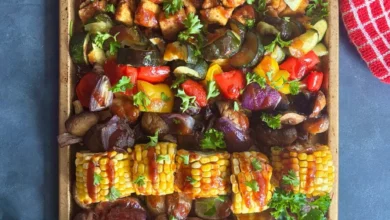
Culinary professionals observe that the versatility of this specific recipe—extending beyond pasta to applications on toast, pizza, and as a component in salad dressings—demonstrates a "cross-utility" design. By creating a condiment that functions as a base for multiple meal types, home cooks can reduce food waste by utilizing a single batch of pesto across several days of meals. This multifunctional approach is a cornerstone of modern, sustainable household management.

Storage and Preservation Standards
Food safety protocols for this preparation emphasize the importance of controlled storage. Because the recipe lacks preservatives, it remains stable for approximately seven days when stored in an airtight container under refrigerated conditions.
From an industry standpoint, the ability to freeze this preparation for up to three months without significant loss of color or flavor integrity makes it a high-value meal-prep item. Chefs suggest that portioning the pesto into ice cube trays before freezing allows for single-serving usage, which prevents the waste associated with thawing larger quantities. This scalability is a primary driver in the recommendation of this recipe for busy, time-constrained urban demographics.

Broader Economic and Environmental Impact
The environmental footprint of a kale-based condiment is notably lower than that of traditional dairy-heavy counterparts. The carbon footprint of kale production is significantly lower than that of industrial dairy farming, which is associated with higher methane emissions and significant water consumption.
Furthermore, the integration of such recipes into the mainstream culinary lexicon signals a maturation of the plant-based movement. It is no longer defined by strict restriction, but by the expansion of flavor profiles through the creative application of readily available, nutrient-dense produce. As households continue to face the rising costs of groceries, the ability to create high-flavor, low-cost sauces from basic vegetables like kale represents a sensible economic choice that does not compromise on culinary quality.

Conclusion and Future Outlook
The 10-minute vegan kale pesto serves as a case study for how traditional recipes are being reimagined for a modern context. By prioritizing speed, nutritional density, and versatility, this preparation aligns with the needs of the contemporary kitchen. As culinary technology continues to integrate into the home, it is likely that such nutrient-optimized, plant-based preparations will continue to replace traditional, resource-intensive staples, reinforcing a global shift toward sustainable and efficient gastronomic practices.