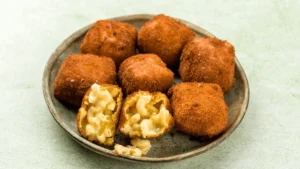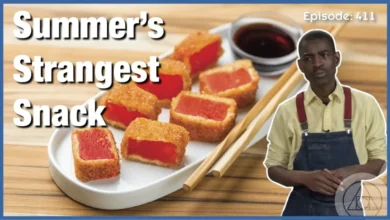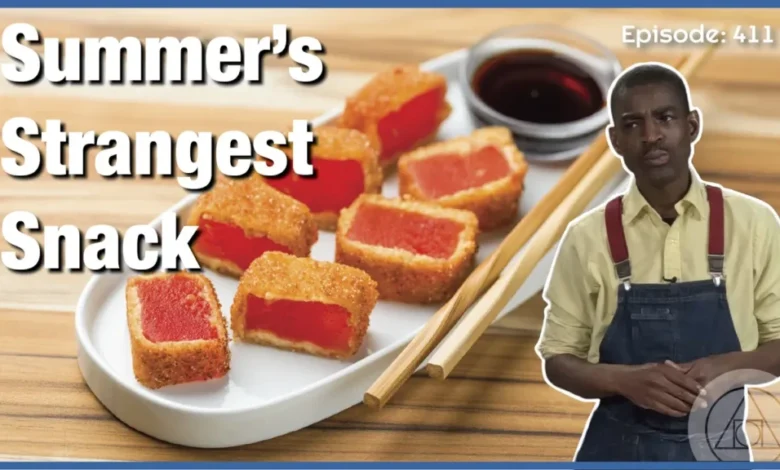
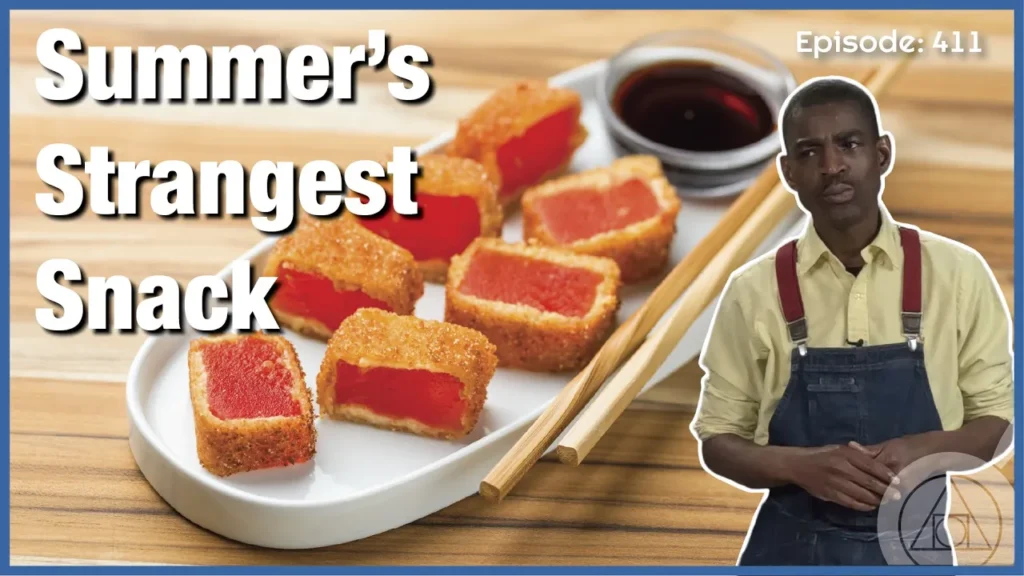
The culinary landscape has long been defined by the tension between tradition and innovation, particularly regarding how heat alters the chemical composition of fruit. While deep-frying has traditionally been reserved for starches, proteins, and fats, recent explorations by Modernist Pantry in their "We Transform Food" series have challenged the limitations of fruit preparation. By applying high-heat immersion to watermelon, cantaloupe, and honeydew, culinary experimenters are uncovering new textural and flavor profiles that diverge significantly from the raw, chilled state typical of summer produce. This technical assessment examines the feasibility, chemical reactions, and broader gastronomic implications of deep-frying high-moisture fruits.
The Science of High-Heat Fruit Transformation
The primary challenge in deep-frying fruit lies in its high water content. Watermelon, for example, is approximately 92% water. When a high-moisture food is submerged in oil heated to 350°F–375°F (175°C–190°C), the rapid evaporation of water creates an outward pressure that typically prevents oil from penetrating the food, provided the coating is structurally sound.
In the experiments conducted by Modernist Pantry, the application of a specialized batter serves two functions: it acts as a thermal barrier and a structural vessel. As the moisture within the fruit cells reaches its boiling point, it undergoes a transformation akin to poaching within its own skin. The cellular walls of the melon break down, leading to a softer, more viscous texture often described as custard-like. Simultaneously, the Maillard reaction—the chemical reaction between amino acids and reducing sugars that gives browned food its distinctive flavor—is facilitated within the batter, providing the necessary contrast in texture between the crisp exterior and the succulent interior.
Chronology of Experimental Culinary Techniques
The history of deep-frying fruit is not entirely new; variations exist across global cultures. The Italian frittelle di mela (apple fritters) and the American deep-fried peach pie are long-standing examples. However, the move toward deep-frying high-water-content melons represents a shift toward modernist techniques, where the goal is not to preserve the fruit as a dessert pie filling, but to isolate and enhance the fruit’s natural sensory properties.
- Early 20th Century: Deep-frying primarily focused on starch-heavy fruits like plantains or apples, which maintain structural integrity under thermal stress.
- Mid-2000s: The rise of molecular gastronomy introduced the concept of "deconstruction," where chefs began testing the limits of thermal applications on unconventional ingredients.
- 2015–2020: The "fair food" movement popularized deep-fried delicacies, though often relying on heavy breading that masked the primary ingredient.
- 2024: Modernist Pantry’s systematic exploration (WTF Ep 411) shifts the focus from "gimmick" to "technique," utilizing precise frying temperatures to ensure the melon remains structurally intact while the flavor profile is deepened through controlled heat.
Data Analysis: Thermal Conductivity and Fruit Composition
To understand why melons react differently to frying than other fruits, one must analyze the sugar and fiber content. Honeydew and cantaloupe contain higher concentrations of glucose and fructose compared to watermelon. When subjected to heat, these sugars caramelize more readily.
| Fruit Type | Water Content | Typical Sugar Content | Structural Integrity Post-Fry |
|---|---|---|---|
| Watermelon | ~92% | ~6% | Moderate (Fragile) |
| Cantaloupe | ~90% | ~8% | High (Stable) |
| Honeydew | ~89% | ~9% | High (Stable) |
The data indicates that the stability of the fruit post-fry is inversely proportional to its water content. The "custard" texture mentioned in recent trials is a direct result of the breakdown of pectin—the structural polysaccharide found in the primary cell walls of plants. High-heat exposure accelerates the softening of pectin, which, when trapped inside a sealed, fried batter, creates a smooth, creamy interior that would not be achievable through baking or steaming.
Culinary Implications and Professional Reception
The professional culinary community has reacted to these techniques with a blend of skepticism and curiosity. Traditionalists argue that the cooling, hydrating nature of melon is its primary value, and that heating it defeats the purpose of the fruit’s consumption. Conversely, proponents of modernist techniques, such as the team at Modernist Pantry, argue that heat provides a new dimension of flavor.
Chef responses suggest that the key to success lies in the preparation of the fruit prior to frying. Techniques such as salt-curing or brief vacuum-sealing (sous-vide) can remove excess surface moisture, allowing for a better bond between the batter and the fruit flesh. This prevents the "soggy" effect often associated with failed attempts at frying high-moisture items.
From an economic perspective, this experimentation allows restaurants to utilize fruit that might be nearing the end of its shelf life. By transforming the texture, chefs can incorporate items that are no longer aesthetically perfect for raw presentation into sophisticated, hot-appetizer menus.
Broader Impact on Home Cooking and Culinary Innovation
The exploration of deep-fried melon is part of a larger trend of "democratized modernism." Through platforms like YouTube, professional-grade techniques are becoming accessible to home cooks. The implications for the home kitchen are significant:
- Waste Reduction: Culinary experimentation often emphasizes the use of the whole ingredient. Learning to process high-moisture fruits through frying or dehydration allows for less food waste.
- Technological Literacy: Modernist cooking encourages the use of tools like digital thermometers, vacuum sealers, and precision fryers. This shifts the home cook’s focus from "following a recipe" to "understanding the science of heat."
- Expansion of Palate: By recontextualizing familiar ingredients, chefs challenge the consumer’s expectations. A melon is no longer just a breakfast item or a side dish; it becomes a canvas for textures and flavors that were previously unexplored in Western culinary traditions.
Safety and Technical Considerations
When attempting to fry high-moisture items, safety is a critical factor. The interaction between water and hot oil can be dangerous if the moisture is released too quickly. Modernist Pantry’s method highlights the importance of:
- Drying the Surface: Ensuring the melon is completely dry before applying batter is the most critical step to prevent oil splatter.
- Batter Consistency: A thick, viscous batter is required to create a seal that prevents the fruit from disintegrating in the oil.
- Oil Management: Maintaining a consistent temperature is vital. If the oil is too cool, the batter will absorb the oil and become greasy before the fruit has time to reach the desired "custard" texture. If the oil is too hot, the exterior will burn before the interior has a chance to soften.
Future Trajectories in Fruit Preparation
As the intersection of technology and gastronomy continues to evolve, the study of how heat affects cellular structures will likely become more refined. Future developments may include the use of hydrocolloids—gums and stabilizers—within the batter to further enhance the texture of fried fruits, or the integration of pressurized frying, which would allow for even more precise control over internal moisture levels.
The "We Transform Food" series serves as a catalyst for this ongoing dialogue. By documenting the successes and failures of these experiments, they provide a roadmap for others to explore the boundaries of traditional cooking. Whether or not deep-fried watermelon becomes a staple of restaurant menus is secondary to the primary achievement: the demonstration that with the right application of science, even the most familiar ingredients can be transformed into something entirely new.
In conclusion, the experiment of deep-frying melons is not merely a novelty; it is a technical exercise in managing moisture and heat. Through careful preparation and an understanding of the chemical reactions at play, the humble melon is elevated from a simple summer fruit to a complex, textured component of modern cuisine. As culinary tools continue to advance, it is highly probable that we will see further experimentation with fruits that were previously thought to be unsuitable for high-heat cooking, continuing the cycle of innovation that defines the contemporary food movement.