Raspberry Cream Pie: A Sophisticated Fusion of Culinary Traditions and Modern Convenience

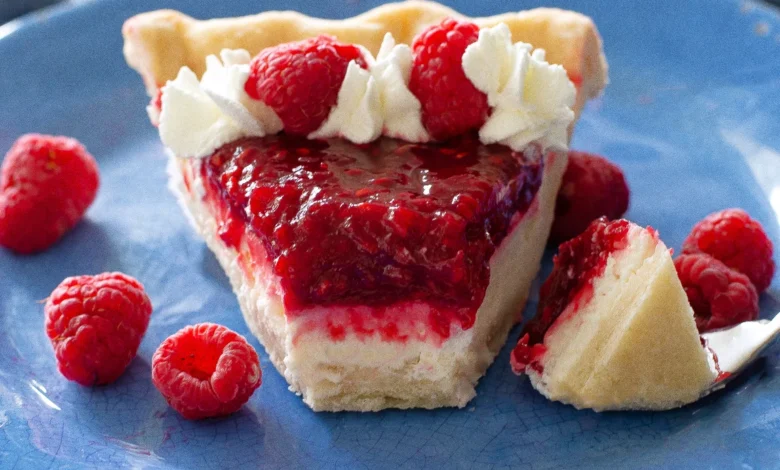
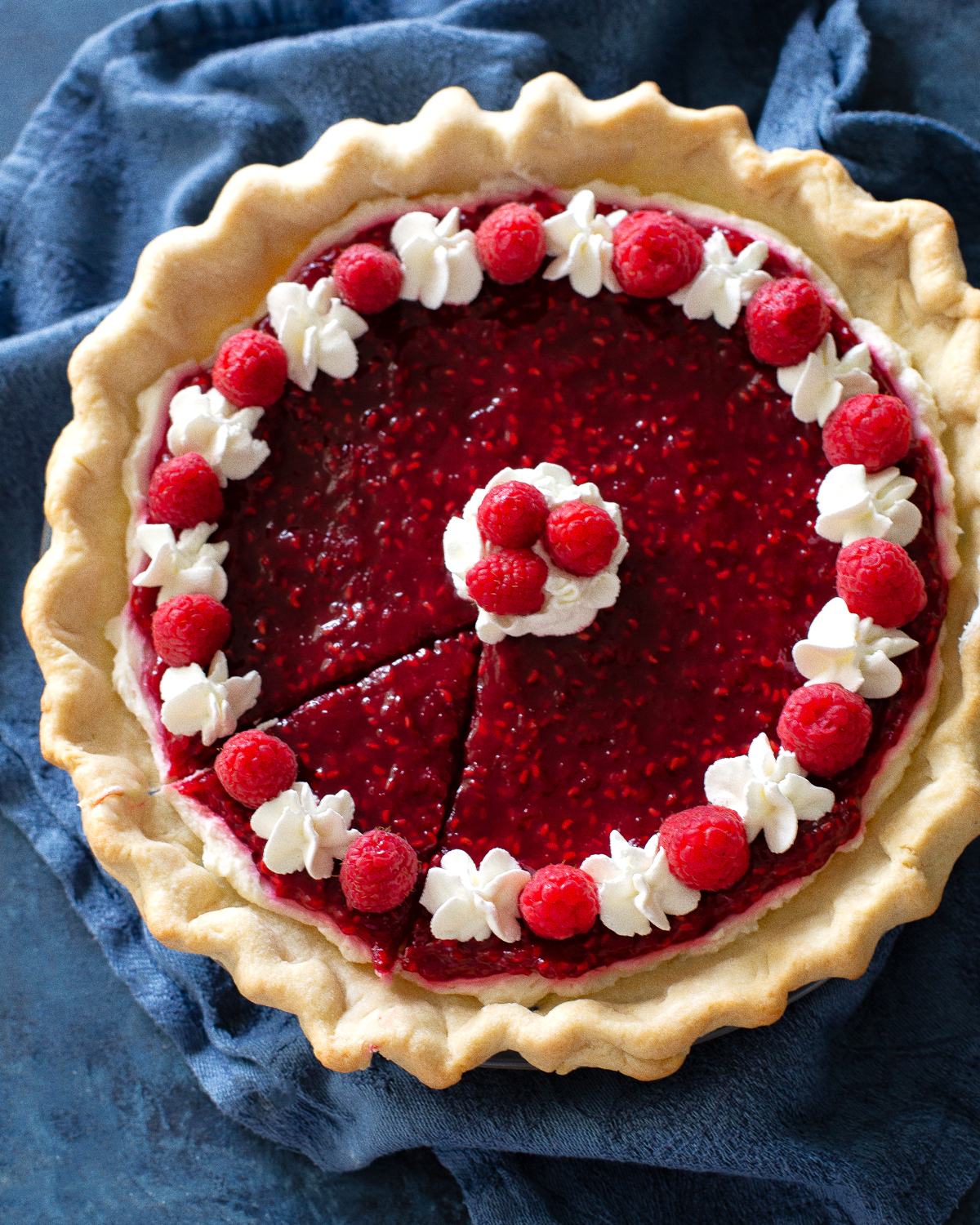
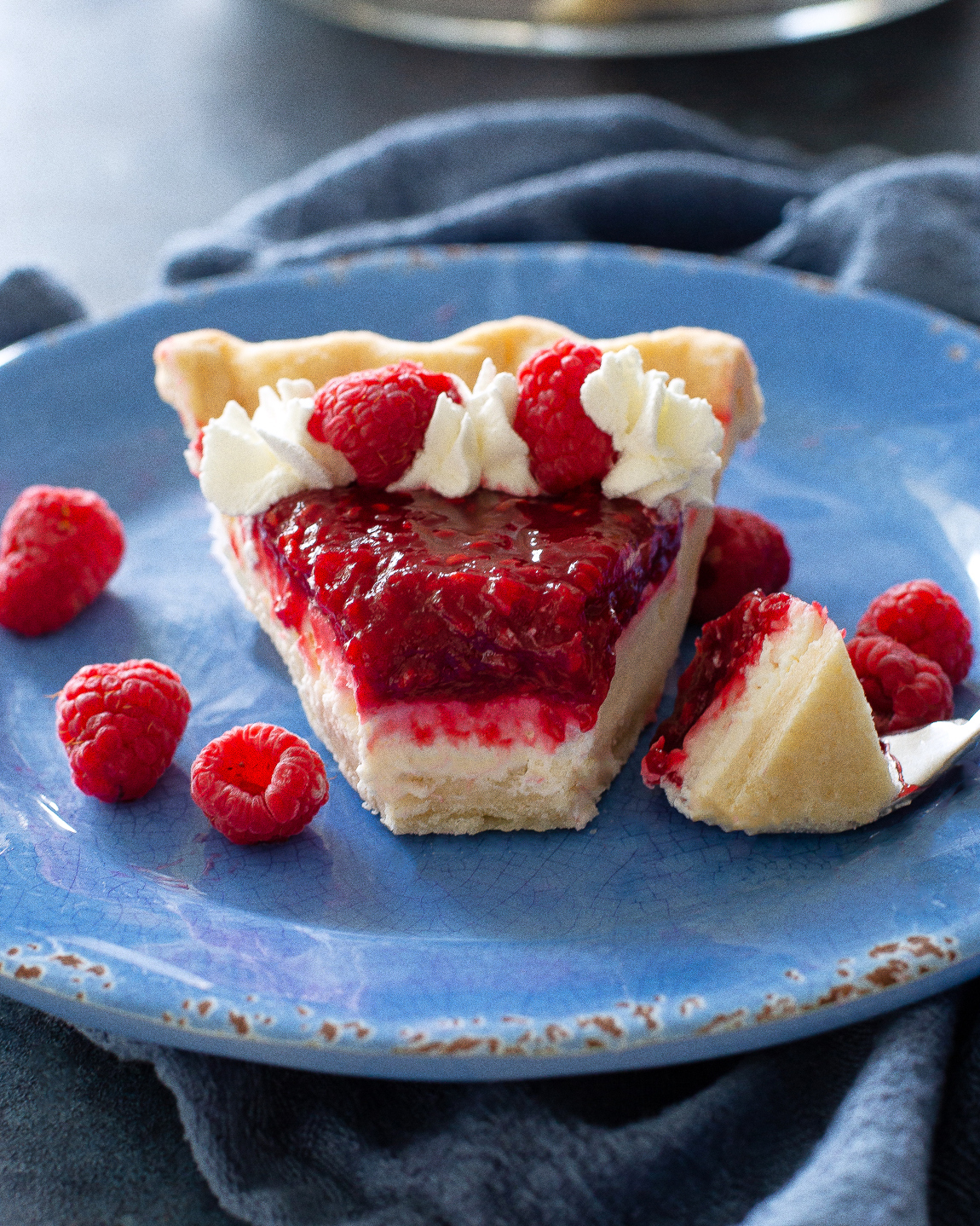
The evolution of American dessert culture has increasingly favored the synthesis of classic pastry techniques with time-saving, chilled preparation methods. A primary example of this shift is the emergence of the Raspberry Cream Pie, a dual-layered confection that effectively bridges the gap between the traditional fruit-based tart and the indulgent, chilled texture of a cheesecake. By utilizing a foundational layer of sweetened cream cheese topped with a reduction of fresh or frozen raspberries, this dessert provides a study in contrasting textures and flavor profiles that have made it a staple in contemporary home baking and professional catering alike.
Historical Context and Culinary Evolution
The history of fruit-based pies in the United States traces back to colonial traditions, where early settlers relied on hand-harvested berries and stone fruits as primary sources for seasonal desserts. Traditionally, these were baked as double-crust pies or cobblers, requiring significant time and heat exposure. The mid-20th century, however, brought a marked change in consumer preferences toward "no-bake" or "chilled" desserts, driven by the widespread adoption of domestic refrigeration.
The Raspberry Cream Pie represents a specific innovation within this timeline. By incorporating a cream cheese base—a hallmark of American cheesecake traditions—the dessert adds a savory, dense mouthfeel that balances the sharp acidity of the raspberries. This structural innovation allows for a more stable slice and a richer profile than a traditional fruit-filled pie, which relies on cornstarch or flour thickeners that can sometimes compromise the flavor clarity of the fruit.
Analytical Breakdown of Components
The construction of a professional-grade Raspberry Cream Pie is divided into three distinct phases, each requiring technical precision to ensure success.
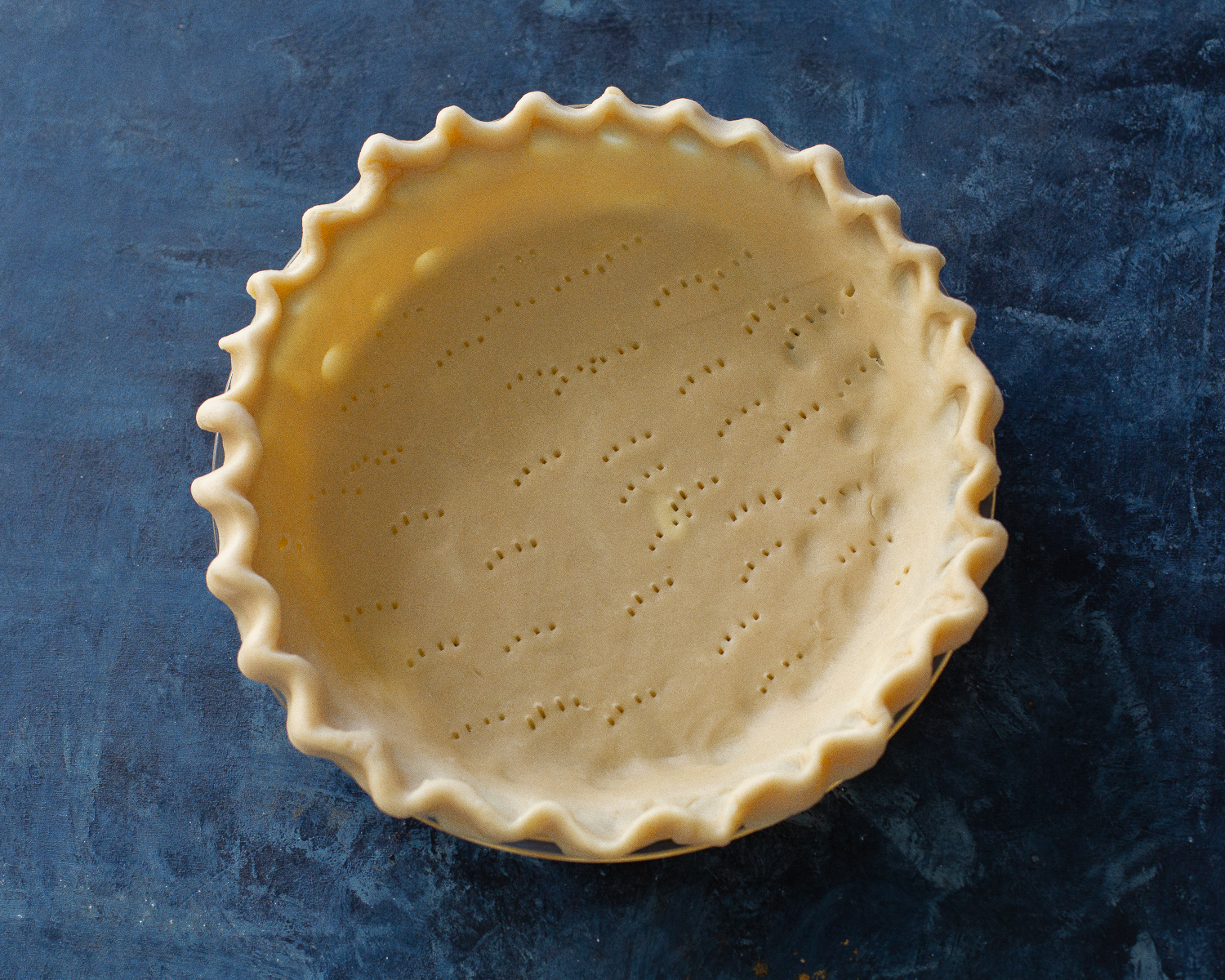
- The Crust Foundation: Whether utilizing a traditional flaky pastry shell or a modern graham cracker crust, the crust serves as the structural load-bearing element. For traditionalists, a blind-baked pie crust (pastry dough) provides a crisp, buttery contrast to the soft filling. For those seeking efficiency, a crushed graham cracker crust—bound with melted butter and solidified through chilling—offers a granular texture that complements the smoothness of the cream layer.
- The Cream Layer: This layer typically consists of a blend of softened cream cheese, granulated sugar, and occasionally a leavening agent like whipped cream or sour cream. The objective is to achieve a stable, aerated structure that holds its shape upon slicing.
- The Raspberry Topping: This is the most technically sensitive component. Culinary experts emphasize the need to monitor the reduction process. If the fruit mixture is not heated to the correct temperature—where the pectin naturally found in raspberries interacts with sugar and a thickening agent—the topping may remain runny.
Supporting Data and Seasonal Availability
A significant advantage of the modern Raspberry Cream Pie is its versatility regarding ingredient sourcing. Agricultural data indicates that while peak raspberry harvests occur during the summer months, the availability of high-quality Individually Quick Frozen (IQF) berries ensures that the dessert can be prepared year-round.
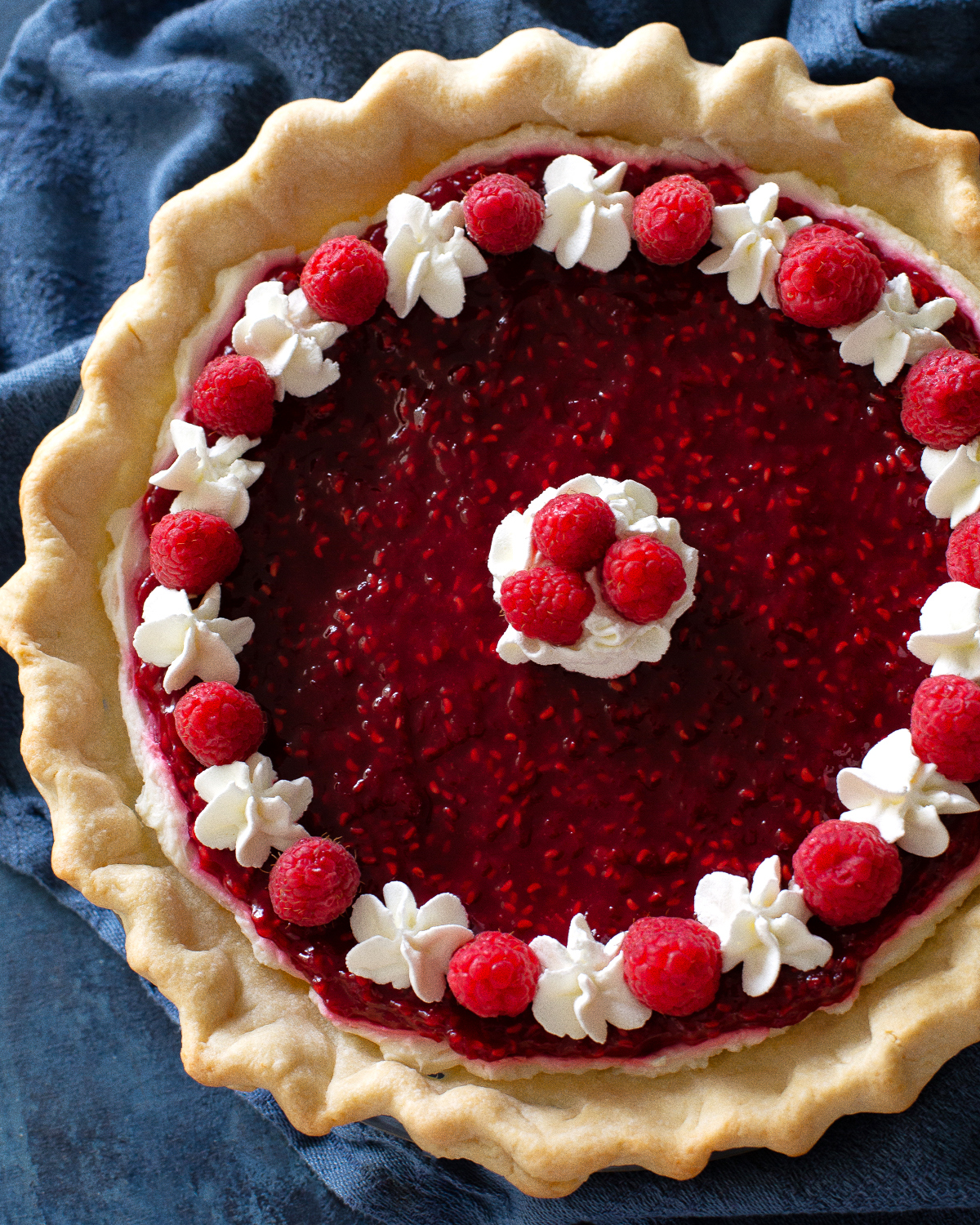
Frozen raspberries, when processed correctly, maintain their nutritional profile and structural integrity. Studies in food science suggest that the freezing process actually breaks down the cellular walls of the berry slightly, which can accelerate the thickening process when the fruit is reduced on a stovetop. This makes the recipe particularly resilient to fluctuations in fresh fruit pricing and seasonal availability, as frozen berries offer a consistent cost-per-ounce value throughout the year.
Professional Guidance and Best Practices
Culinary professionals often highlight several technical "best practices" to ensure a superior result. Among these, the importance of "blind-baking" cannot be overstated when using traditional pastry. Blind-baking involves filling the crust with pie weights or dried beans during the initial bake to prevent the dough from rising or shrinking, ensuring an even, crisp surface for the subsequent layers.
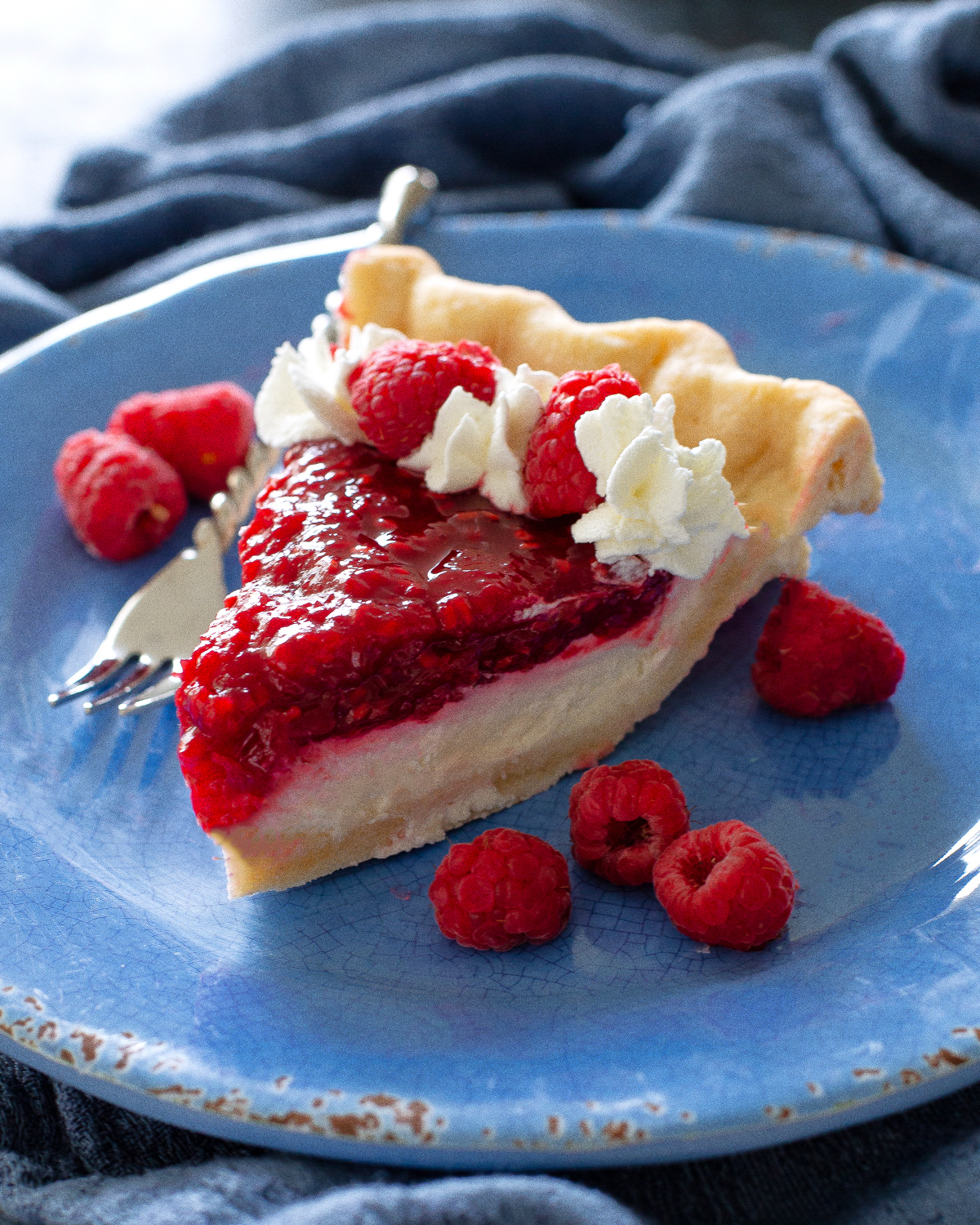
Regarding the cooling process, industry standards suggest a minimum chill time of four to six hours. This duration allows the cream cheese layer to reach its optimal viscosity and allows the raspberry topping to set completely. Furthermore, experts recommend that whipped cream toppings—a common garnish—should only be applied immediately prior to service to prevent the dairy from weeping or losing its structural integrity due to the osmotic pressure from the fruit layer.
Economic and Social Implications
The rise of the Raspberry Cream Pie reflects a broader trend in home cooking: the demand for "low-labor, high-presentation" desserts. In the context of modern social gatherings, such as potlucks or holiday events, the efficiency of a dessert that can be prepared up to 24 hours in advance provides a significant logistical advantage.
Data regarding food consumption patterns indicates that desserts which offer a balance of "sweet and tart" consistently outperform those that are purely saccharine. The acidity of the raspberries serves as a palate cleanser, effectively cutting through the richness of the cream cheese, which enhances the consumer’s ability to enjoy larger portions without the fatigue associated with overly dense, chocolate-based desserts.
Frequently Asked Questions and Technical Troubleshooting
When analyzing the success rate of this dessert, common technical issues frequently arise, providing a basis for ongoing culinary refinement:
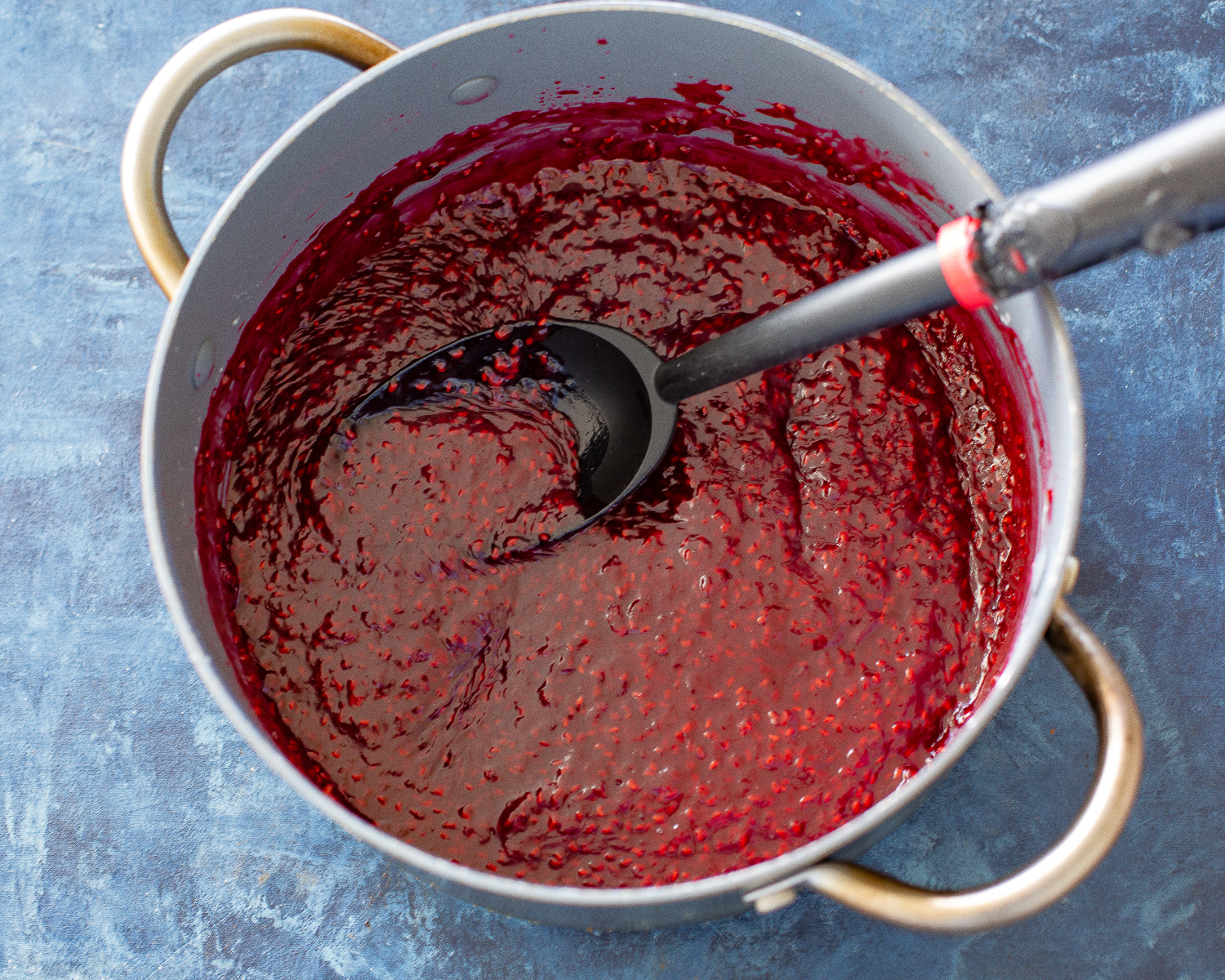
- The Problem of Runny Fillings: This is almost universally caused by an insufficient reduction of the raspberry mixture. The solution is to continue heating until the mixture reaches a "bubbly" state, indicating that the starch (typically cornstarch or flour) has gelatinized.
- The Issue of Texture: Using low-fat or "whipped" cream cheese is generally discouraged by pastry chefs. The higher moisture content in these products can destabilize the pie, leading to a "weeping" effect where the cream layer releases liquid into the crust, turning it soggy.
- Adaptability: The base recipe is highly modular. While raspberries are the standard, the chemistry of the dish allows for the substitution of other stone fruits or berries, such as blackberries or strawberries, provided the sugar content is adjusted to account for the varying natural acidity levels of the fruit used.
Conclusion: A Modern Dessert Standard
The Raspberry Cream Pie has transitioned from a niche recipe to a versatile, reliable fixture in the American culinary repertoire. Its success is rooted in its structural logic—using cold-set layers to manage the inherent moisture of fruit—and its aesthetic appeal, which mimics the complexity of restaurant-grade pastry with accessible home-kitchen techniques. As culinary preferences continue to shift toward high-quality, seasonal, yet convenient options, the Raspberry Cream Pie remains an exemplar of how simple, high-quality ingredients can be elevated through thoughtful, systematic assembly. Whether for a formal event or a casual family gathering, the dish offers a consistent, balanced experience that underscores the enduring popularity of fruit-based cream desserts.