The Comprehensive Guide to Online Wine Courses: Elevating Palates From Home

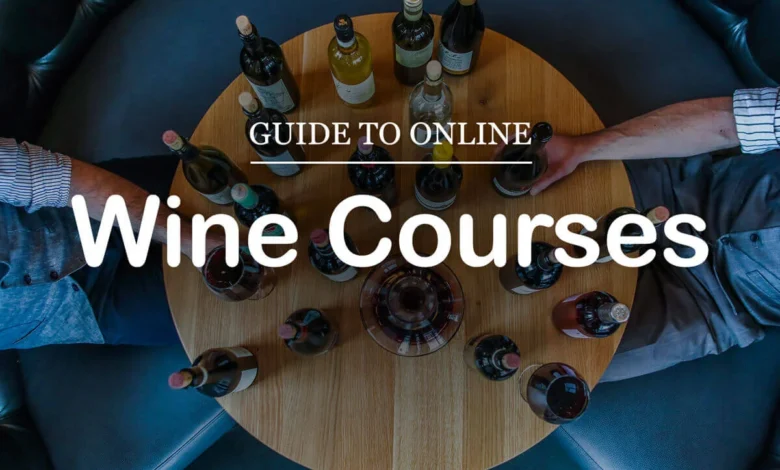
The global landscape of culinary and beverage education has undergone a profound transformation, moving far beyond the traditional confines of physical classrooms and metropolitan tasting rooms. Whether driven by professional necessity within the hospitality sector or a personal desire to refine one’s palate, enthusiasts and industry professionals alike are increasingly turning to digital platforms to build foundational and advanced expertise. Today, remote wine education offers a robust spectrum of learning opportunities, ranging from self-directed, budget-friendly digital archives to rigorous, college-level certification programs complete with official credentials.

Market evolution and the democratization of wine education have been accelerated by technological advancements and a growing consumer interest in gastronomy. Historically, mastering viticulture, enology, and regional classifications required relocating to major urban centers, enrolling in expensive residential academies, or securing apprenticeships under master sommeliers. The modern digital ecosystem dismantles these geographical and financial barriers, allowing individuals to access world-class instruction from the comfort of their own homes. Industry data indicates that online professional development courses have seen a steady surge in enrollment, with wine education tracking closely alongside shifts toward remote culinary arts training.
Choosing the right digital curriculum depends largely on an individual’s goals, budget, and desired level of depth. Programs generally divide into two primary categories: free, unstructured resources and structured, paid certification tracks. Each avenue presents distinct advantages and limitations regarding depth of knowledge, interactivity, and credentialing value.
Free Wine Learning: Curated Archives and Self-Directed Study
For learners operating on a strict budget, the internet offers an abundance of high-quality instructional content produced by reputable industry organizations and expert educators. However, the primary challenge of free learning lies in its fragmented nature. Because information is often scattered across various platforms, unstructured browsing can lead to gaps in understanding.
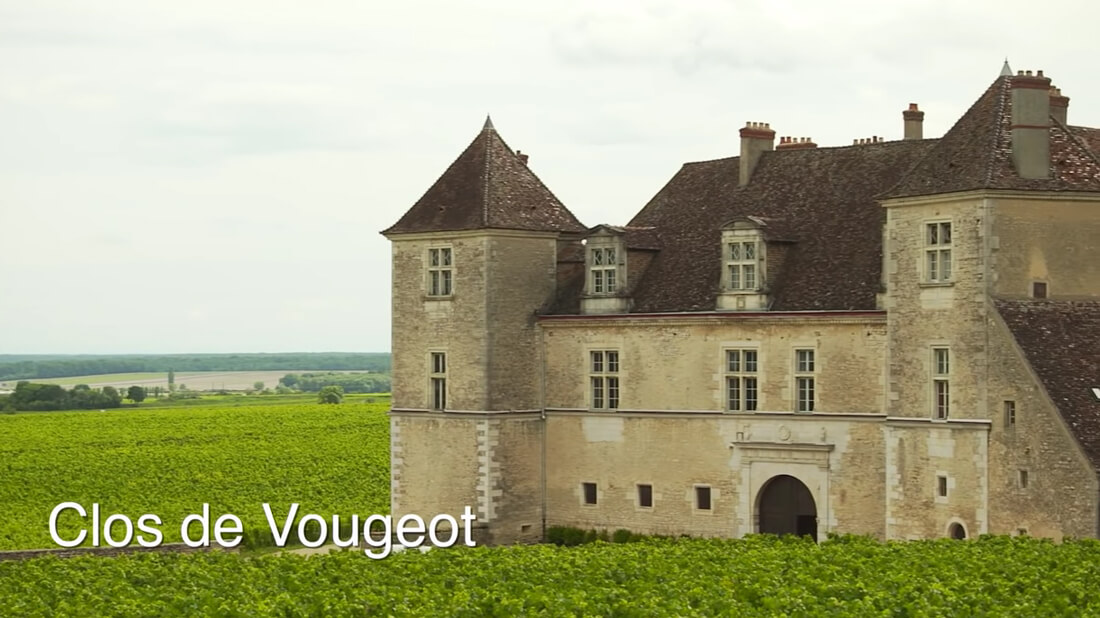
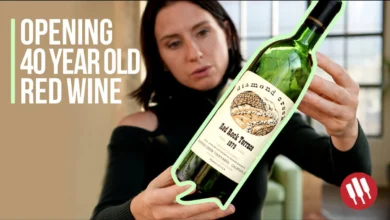
To bridge this gap, educational curators have organized comprehensive YouTube playlists that synthesize theory, service techniques, and palate-training exercises. A prominent example is the general wine knowledge playlist, which aggregates approximately seven hours of instructional video from established sources such as Wine Folly, GuildSomm, and the Liquor Control Board of Ontario (LCBO). These series typically cover the fundamental pillars of wine appreciation: professional tasting methodologies, grape varietal profiles, and the geographical characteristics of the world’s most prominent wine-producing regions.
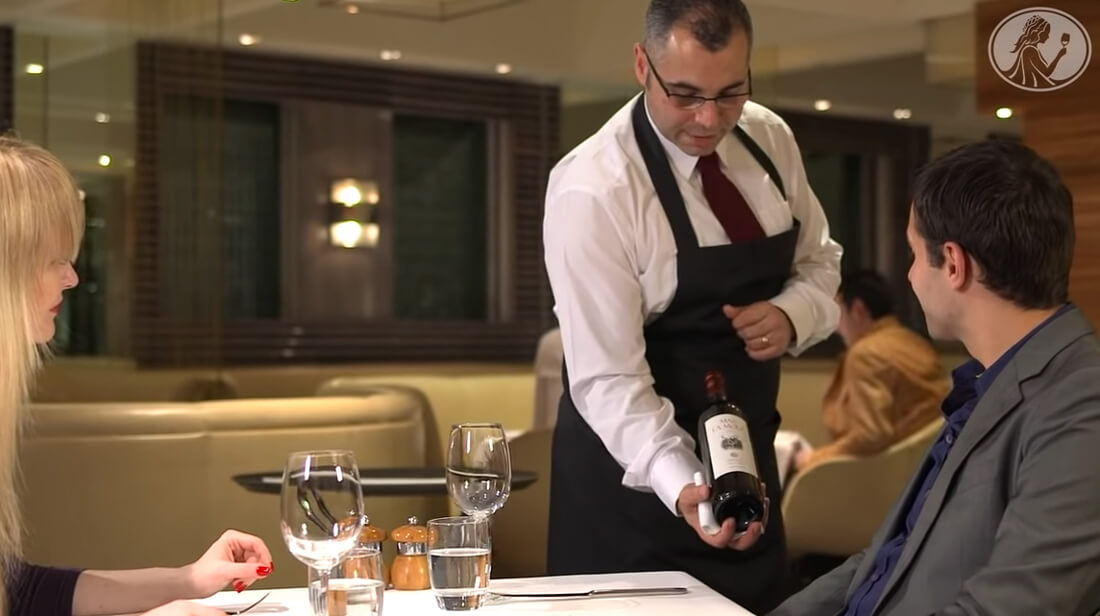
Beyond general theory, specialized free playlists address practical applications within the hospitality industry. For restaurant servers, sommeliers-in-training, and hospitality professionals, targeted modules demonstrate essential operational skills. These include proper bottle presentation, the mechanics of opening a bottle with a waiter’s friend corkscrew, and pressure management techniques to ensure safe Champagne service. Furthermore, curated modules focusing on wine etiquette, restaurant navigation, and food-and-wine pairing strategies provide consumers with the confidence to interpret complex wine lists and interact effectively with wine stewards. Educators such as Master Sommelier candidates and veteran wine communicators heavily feature in these instructional archives.
Paid Online Wine Courses: Structured Curricula and Professional Certification
For those seeking systematic instruction, accountability, and recognized credentials, paid online wine courses offer a structured alternative. The commercial landscape features offerings from independent digital publishers, celebrated wine critics, academic institutions, and internationally recognized wine education bodies.
Among introductory digital offerings, proprietary platforms like Wine Folly provide tiered learning modules ranging from foundational principles, such as Wine 101, to advanced, college-level analytical classes like Wine 201. These courses emphasize flexible, self-paced learning and often culminate in digital certificates suitable for professional portfolios.
Renowned figures in the global wine community have also expanded into the digital education space. Jancis Robinson, a Master of Wine and prominent author, partnered with BBC Maestro to produce "An Understanding of Wine," a foundational masterclass designed to demystify bottle selection and tasting mechanics. Similarly, critic James Suckling utilizes digital masterclasses to impart his 100-point scoring methodology, encouraging students to conduct blind tastings to develop objective analytical skills. While such masterclasses offer high production values and philosophical insights from industry titans, they often require supplementary study materials to cover granular technical details.
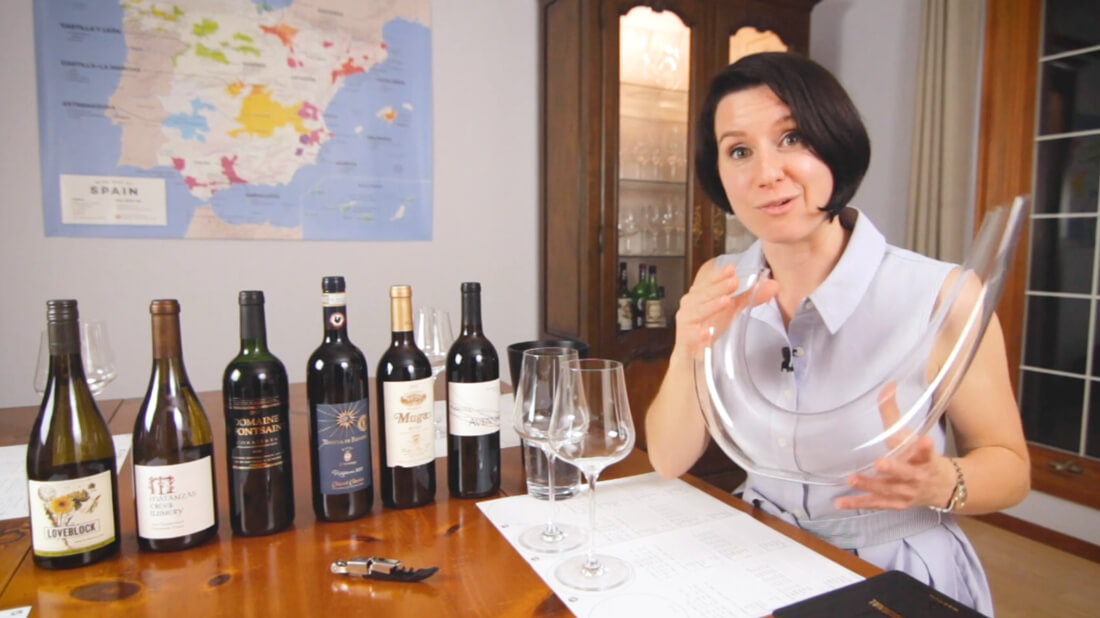
For deep, academic immersion, established institutions have adapted their curricula for remote delivery:
The Napa Valley Wine Academy offers the Wine and Spirit Education Trust (WSET) Level 2 Certificate via a structured five-week online format. This curriculum examines environmental factors influencing wine styles, major grape varieties, label terminology, and regional classifications. Notably, the academy incorporates live, instructor-led online group tastings, shipping curated tasting portions directly to students’ homes to facilitate interactive sensory evaluations.

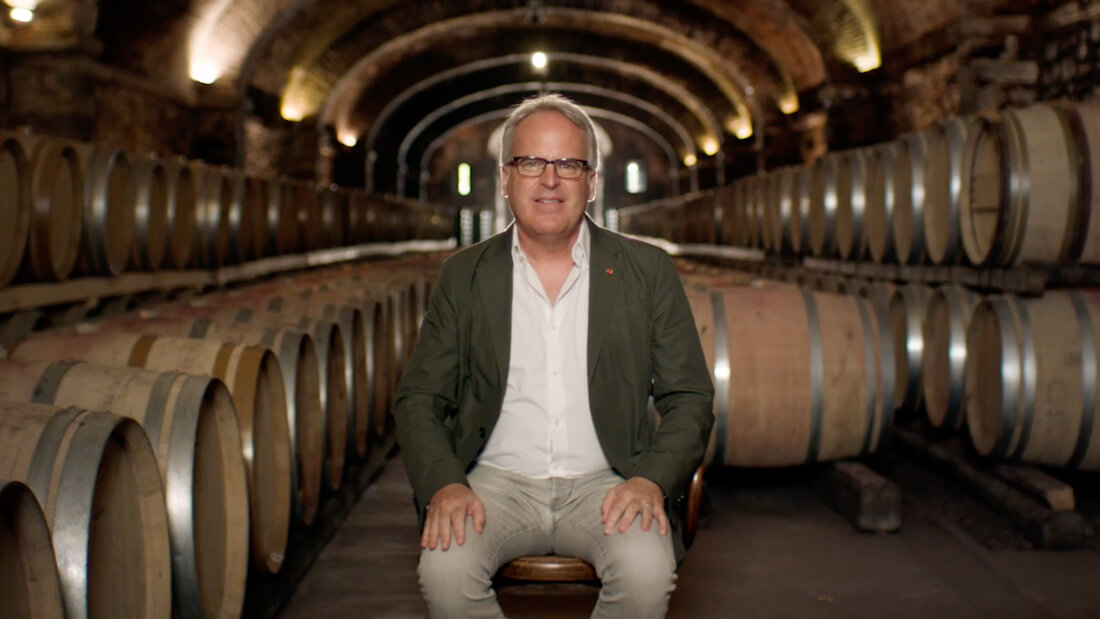
The San Francisco Wine School presents a nine-week Certified Specialist of Wine (CSW) online program led by Master Sommelier David Glancy. Encompassing viticulture, enology, wine chemistry, flaws, and global appellations, the course requires active peer engagement through live webinars and weekly tasting assignments. Successful completion yields the official CSW credential and lapel pin.
The Wine Scholar Guild delivers specialized, highly rigorous regional programs focusing on the vinicultural landscapes of France, Italy, and Spain. Tailored for serious enthusiasts and educators, these programs utilize comprehensive study manuals, digital modules, regular quizzes, and instructor support, culminating in specialized regional certifications.
Implications and Strategies for Maximizing Remote Learning
While online wine courses liberate students from physical classroom constraints, independent study introduces distinct challenges—chiefly, the procurement of sample wines for tasting exercises and the absence of spontaneous peer interaction. Educational research consistently demonstrates that collaborative learning environments significantly enhance knowledge retention and sensory calibration.
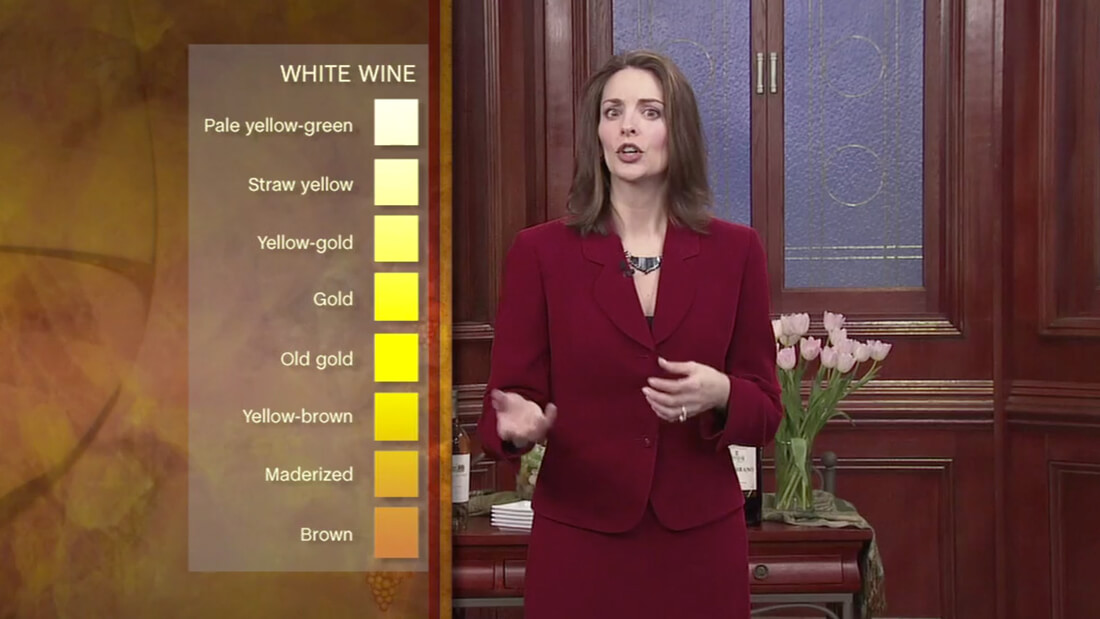
To mitigate the isolation of remote study, experts recommend establishing localized tasting groups. By assembling a cohort of three to five enthusiasts, learners can pool financial resources to purchase the diverse array of wines required for coursework. Group leaders or rotating hosts can then facilitate structured, collaborative tastings, mirroring the interactive benefits of a traditional classroom environment.
As digital pedagogical tools continue to evolve, online wine education stands as a viable, rigorous pathway for both career advancement and personal enrichment. Whether through free, curated archives or intensive certification programs, the global wine community remains accessible to anyone equipped with an internet connection, intellectual curiosity, and a properly shaped glass.