When diners step into a restaurant, they place a high degree of trust in the establishment, relying on the menu descriptions and the expertise of the kitchen staff to deliver a memorable meal. However, those who work behind the swinging doors of professional kitchens view dining out through an entirely different lens. Professional chefs possess an intimate understanding of inventory cycles, food costs, profit margins, and the practical limitations of restaurant operations. This behind-the-scenes knowledge, paired with a palate continuously refined by tasting ingredients day in and day out, shapes a distinct set of rules for what culinary professionals will—and will not—order when they are on the other side of the pass.
To uncover the items that industry insiders consistently avoid, we spoke with eight accomplished chefs and culinary directors from across the United States. Their insights reveal a fascinating look at kitchen psychology, red flags in menu design, and the hidden pitfalls of ordering certain types of dishes.
The Anatomy of a Restaurant Menu: Understanding Kitchen Realities
The relationship between a restaurant’s inventory and its menu offerings is a delicate balancing act. Every restaurant operates on tight food cost percentages—typically ranging between 28% and 35%—meaning that kitchen managers must carefully calculate the cost of raw goods against the final menu price. This economic pressure often leads to heavily marked-up dishes featuring inexpensive base ingredients, such as pasta, certain grains, and bulk proteins.
Beyond economics, logistics play a massive role in what is safe to order. As famously noted by the late Anthony Bourdain in his culinary memoir, ordering seafood on a Monday is often a gamble because traditional seafood purveyors make deliveries on Tuesdays, meaning Monday fish specials may be lingering remnants from the previous week’s inventory.
Chefs are acutely aware of these supply chain rhythms. They understand how prep schedules work, when ingredients are turned over, and how a busy weekend service impacts the Monday and Tuesday menus. When a chef sits down as a customer, they are scanning the menu not just for appetizing flavors, but for structural and logistical integrity.
The Red Flags: What Chefs Look For Before Ordering
Several interviewed chefs emphasized that avoiding certain dishes is less about a specific food item and more about recognizing warning signs in the service and preparation.
Aarthi Sampath, chef and founder of Drãvida in New York City, points directly to the front-of-house staff for cues. "If there’s one dish I’ll never order at a restaurant, it’s the one the server isn’t enthusiastic about," Sampath explains. "I watch their expression when I ask, ‘Would you order this?’ If they hesitate, look unconvinced, or subtly steer me toward something else, I always take the hint. Your server knows—listen to them."
Sampath also extends her scrutiny to the menu’s treatment of vegetarian options. While she expresses a deep appreciation for seasonal produce, she avoids vegetable sides that feel thoughtlessly written or included merely as an afterthought. In her view, a vegetarian dish requires the same level of culinary intention and creativity as any meat- or seafood-centric centerpiece.
Similarly, Chris McLaurin, a chef at Lutra Cafe & Bakery in Durham, North Carolina, echoes the importance of heeding server feedback. While he avoids asking a server for their subjective favorite item, he frequently asks for recommendations. A lukewarm endorsement—such as a server stating that a dish is "fine" or that "people like it"—serves as an immediate deterrent.
The Pitfalls of Over-Complication and Over-Modification
Culinary execution requires a fine balance between showcasing high-quality ingredients and over-engineering a plate. Chefs often lean toward simplicity, recognizing that a dish cluttered with too many components usually signals a kitchen trying to mask mediocre ingredients with complex plating.
Chris Meier, executive chef at The Curtis in Denver, deliberately searches out the simplest item on a menu. "I tend to avoid anything that sounds overly complicated because, in my experience, it can become contrived and convoluted—overthought and ultimately fall flat," Meier notes. "I want something that showcases how a few premium components can elevate a dish to unexpected heights. That tells me the chef and their kitchen know how to perform. As chefs, we’re conduits and facilitators, not the story itself. Let the food shine and leave the ego behind."
This philosophy of preserving authenticity also applies to specific regional dishes that frequently suffer from Americanized localization. Rafa de la Rosa, sous chef at Minetta Tavern and executive chef consultant for Techo Palma in Washington, D.C., avoids ordering gambas al ajillo (garlic shrimp) at standard American establishments. Traditionally, the dish relies on a minimalist approach: small rock shrimp, high-quality olive oil, paper-thin sliced garlic, and cayenne pepper. When variations stray too far from this simple formula, de la Rosa notes that the dish loses the very qualities that make it special.
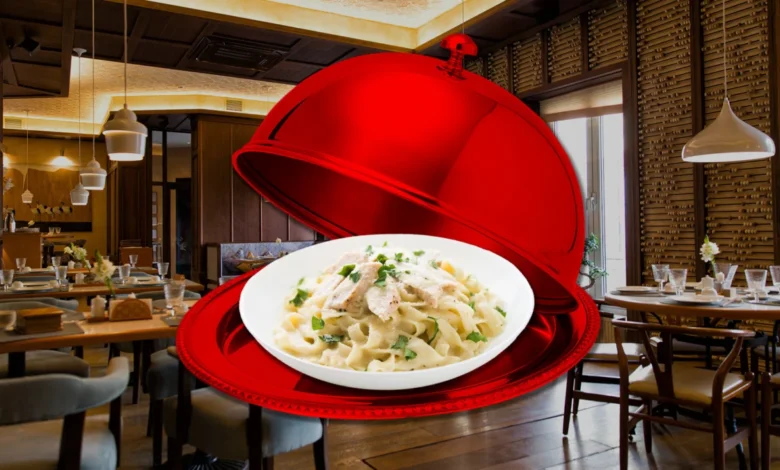
A similar sentiment applies to classic pasta dishes. Glenn Rolnick, director of culinary operations at Carmine’s Italian Restaurant in NYC, bypasses pasta Alfredo when visiting Italian establishments. Beyond the heavy nature of cream sauces, Rolnick points out a structural flaw in the dining experience: "With Alfredo, every bite tends to taste exactly the same to me. I prefer dishes where the flavors and textures change from forkful to forkful, which makes the experience more interesting and enjoyable."
Chronology and Culinary Hazards: Specials and Misunderstood Classics
Timing and historical missteps also play a significant role in a chef’s ordering habits. Carlos Barroz, executive chef and partner at Palermo Argentinian Bistro in NYC, adheres strictly to the rule of avoiding Monday specials. "Specials on Mondays because they are often leftovers from the weekend," Barroz warns, highlighting the risk of ordering perishable items that have sat through a slow transition period between the weekend rush and the start of the new work week. Additionally, Barroz maintains a personal aversion to liver dishes due to childhood overexposure, steering clear of chicken liver pâté and calf liver regardless of the restaurant’s reputation.
Sometimes, avoiding a dish stems from a memorable linguistic or cultural misunderstanding. Brian Rae, culinary director for ES Hospitality in Boston, recalls a travel mishap in Lyon, France, where he spotted andouillette on a brasserie menu. Mistaking it for standard andouille sausage, he ordered it, only to discover that andouillette is a traditional French sausage heavily stuffed with pork chitterlings, stomach, and intestines—known for a notoriously pungent aroma derived from the colon. "It’s definitely something I won’t order again," Rae says.
The Counter-Perspective: Embracing the Banal
While many chefs have strict parameters for what they leave off their plates, others argue that maintaining rigid exclusions can cause diners to miss out on exceptional culinary experiences.
Erik Niel, chef and owner of Easy Bistro & Bar, Main Street Meats, and Little Coyote in Chattanooga, Tennessee, adopts a more open-minded approach. Rather than blacklisting specific items, Niel cautions against judging a dish solely by its title. "As a chef and restaurateur, I would never single out a certain dish that I wouldn’t order! You’d be surprised how often the most banal item on a menu can be the best thing happening in a kitchen," Niel explains. "A wedge salad, the chicken dish, the sweetbreads—all can change your life if done right. If you immediately say no, how would you ever know if you’re limiting yourself?"
Broader Implications for Diners
The collective wisdom of these culinary professionals highlights a larger truth about the restaurant industry: dining out is an exercise in communication and observation. Whether evaluating the subtle hesitation of a waiter, questioning the origin of a Monday special, or appreciating the restraint required to execute a simple dish, understanding how kitchens operate empowers diners to make better choices. By paying attention to these insider cues, everyday restaurant-goers can elevate their dining experiences, avoid culinary disappointments, and gain a deeper appreciation for the craft of professional cooking.