Celebrating the Global Legacy and Resurgence of Grenache on International Grenache Day

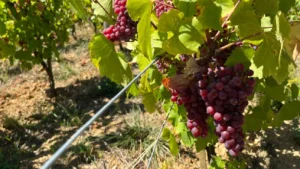
Grenache stands as the silent workhorse of the global viticultural landscape, providing the structural backbone and aromatic profile for some of the most prestigious wines produced in the Northern and Southern Hemispheres. From the sun-drenched, iconic vineyards of Châteauneuf-du-Pape in the Rhône Valley to the rugged, slate-strewn hillsides of Priorat in Spain and the ancient, gnarled vines of Australia’s Barossa Valley, this versatile variety has cultivated a reputation for both consistency and complexity. Known interchangeably as Garnacha in its Spanish homeland and Cannonau on the Italian island of Sardinia, the grape serves as a vital component in legendary blends and a compelling protagonist in its own right. As consumers and producers mark the third Friday of September as International Grenache Day, the industry reflects on the journey of a variety that has transformed from an undervalued commodity to a celebrated icon of modern winemaking.
The historical trajectory of Grenache is marked by a transition from being a utilitarian filler to a prestige variety. While it has been widely planted for centuries, it often spent decades in the shadow of more fashionable counterparts like Cabernet Sauvignon or Merlot. The turning point for the variety’s global recognition occurred in 2010, when a landmark event shifted the narrative surrounding the grape.
A Chronology of the Grenache Renaissance
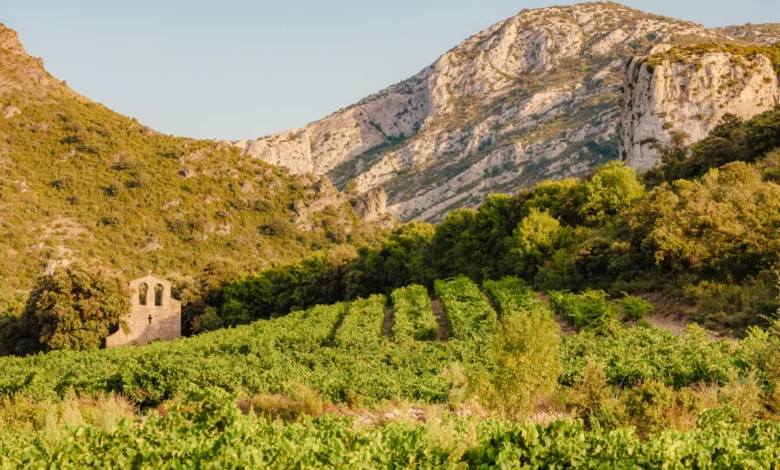
The modern movement to elevate the status of Grenache began in earnest at the first International Grenache Symposium, held in 2010. Organized at a restored monastery in the Rhône Valley, the symposium brought together more than 250 producers from over 20 countries. Co-chaired by renowned French critic Michel Bettane and the late Steven Spurrier—a seminal figure in the wine world and a co-founder of the Decanter World Wine Awards—the event served as a clarion call for the industry to recognize the intrinsic value of the variety.
The symposium’s organizers aimed to address a paradox: despite being one of the most widely planted grapes in the world, Grenache lacked a cohesive global identity. The gathering facilitated a dialogue between journalists, experts, and viticulturists, ultimately leading to the formation of the Grenache Association. It was at this event that Master of Wine Nancy Gilchrist proposed the establishment of an annual International Grenache Day. By scheduling the celebration for the third Friday of September, organizers aligned the date with the peak of the Northern Hemisphere harvest, rooting the celebration in the physical reality of the vineyard.
Since its inception, the day has evolved from a niche industry event into a global consumer phenomenon. Retailers, fine dining establishments, and independent wine bars utilize the date to curate specialized menus and educational tastings, focusing on the stylistic diversity of the grape—from the pale, delicate rosés of Provence to the high-alcohol, concentrated reds of the Mediterranean.
Origins and Etymological Debate
The precise origins of Grenache remain a subject of professional debate among ampelographers. Most scientific evidence suggests the grape emerged in the arid, windswept region of Aragón in Spain, where it is known as Garnacha. During the height of the medieval Crown of Aragon, the variety was disseminated across the Mediterranean, reaching the Roussillon region in France and the island of Sardinia.
However, the Sardinian perspective provides a persistent counter-narrative. Known locally as Cannonau, the grape is deeply embedded in the culture of the island’s "Blue Zone," where residents are famously known for their longevity. Sardinian vintners have long maintained that the variety is indigenous to the island, suggesting a path of expansion that contradicts the mainstream historical consensus. While current genetic mapping largely supports the Spanish origin theory, the enduring debate underscores the deep cultural attachment producers have to this specific variety.
The Anatomy of a Team Player
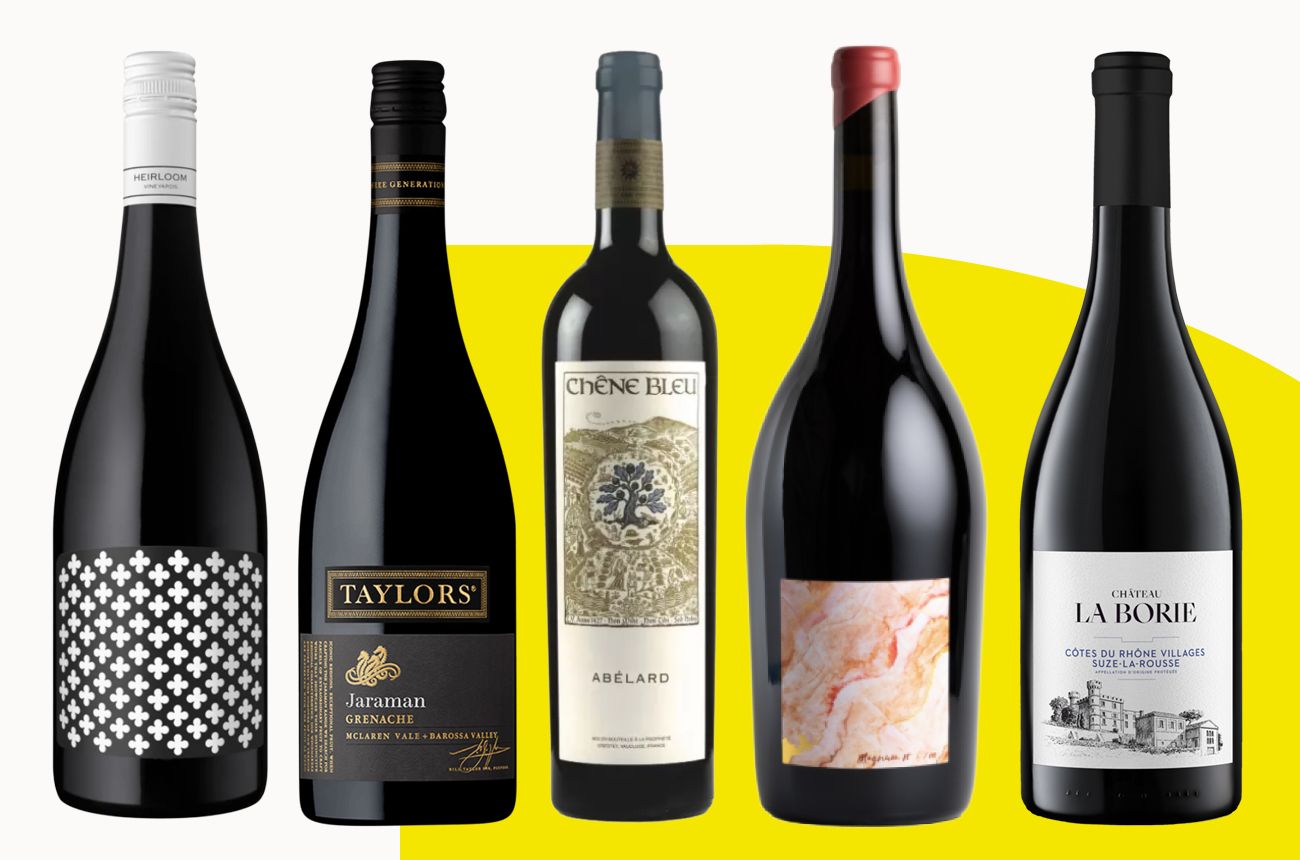
The enduring popularity of Grenache in blending—most notably the classic GSM (Grenache, Syrah, Mourvèdre) trio—is rooted in its chemical and physical profile. The grape is characterized by soft, approachable tannins, high sugar content (which translates into generous alcohol levels), and a primary fruit profile of strawberry, raspberry, and white pepper.
In the southern Rhône, specifically in Châteauneuf-du-Pape, these characteristics provide the necessary breadth to balance the more austere, structured profiles of Syrah and the tannic grip of Mourvèdre. In the context of rosé production, the variety is unparalleled. It is the fundamental component of the world’s most sought-after pale rosés in Provence, where it provides the requisite acidity and subtle red-fruit aromatics. Conversely, in the Navarra region of Spain, the same grape is utilized to create darker, more robust rosados that showcase a different spectrum of the variety’s potential.
Adapting to a Warming Climate
Perhaps the most significant factor in the current resurgence of Grenache is its inherent resilience. As global climate patterns shift and rising temperatures challenge traditional viticulture, Grenache is increasingly viewed as a "climate-proof" asset. The variety is remarkably heat-resistant and thrives in drought conditions, particularly in sandy or slate-rich soils that force the vine’s roots to penetrate deep into the subsoil.
In Australia, particularly in the Barossa and McLaren Vale, producers are now highlighting vines that were planted as early as the 1840s. These old-vine examples have gained significant critical acclaim, with many experts noting their silky, perfumed textures, which bear a striking resemblance to fine Pinot Noir. In California, producers inspired by the Rhône style have significantly expanded their acreage of Grenache, finding that the variety maintains its aromatic integrity even in the intense heat of the Central Coast.
Economic and Industry Implications
The commercial viability of Grenache has been further solidified by the emergence of high-end, single-varietal expressions. In Priorat, the steep, slate-covered slopes (locally referred to as llicorella) produce yields that are small but intensely concentrated, resulting in wines that fetch premium prices on the global market. Simultaneously, regions like Campo de Borja and Calatayud continue to provide immense value, demonstrating that the grape can function at both the entry-level and luxury ends of the price spectrum.
Industry analysts observe that the "Grenache renaissance" is driven by a shift in consumer preference toward wines that offer freshness, elegance, and a sense of place. As consumers move away from overly oaked or excessively extracted wines, the inherent charm of Grenache—which often requires little intervention to express its fruit—aligns perfectly with current demand for transparency in winemaking.
Looking Forward
International Grenache Day serves as more than a marketing initiative; it is a vital checkpoint for the wine industry to reassess the status of a foundational variety. With recent data from the Decanter World Wine Awards reflecting consistently high scores for Grenache-led wines across diverse geographical origins—including notable entries from Texas, Washington State, and the Languedoc—the trend toward global, high-quality production shows no sign of slowing.
As the industry moves toward more sustainable agricultural practices, the low-water requirement and hardy nature of Grenache position it as a key player in the future of viticulture. Whether enjoyed as a component of a complex blend or as a pure, single-varietal expression, Grenache remains a testament to the importance of heritage varieties in a changing world. For producers and enthusiasts alike, the annual celebration is an opportunity to toast a grape that has proven itself not just as a reliable workhorse, but as a genuine cornerstone of global wine culture. By embracing the diversity of its expressions—from the mineral-driven reds of the French Mediterranean to the succulent, fruit-forward examples from the Australian outback—the global wine community continues to ensure that Grenache remains relevant, celebrated, and deeply understood for generations to come.