The Rise of Functional Breakfasts: How Apple Streusel Meal Prep Muffins Captured the Autumn Culinary Trend

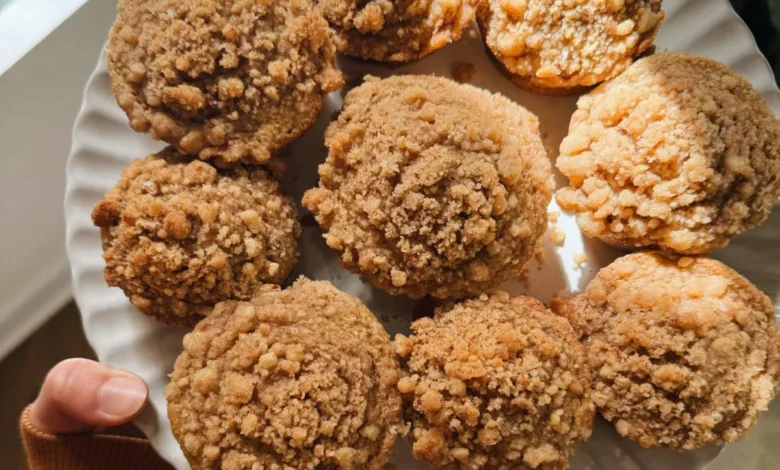
The culinary landscape of autumn morning routines has increasingly shifted toward convenient, nutrient-dense breakfast options, with wholesome baked goods leading consumer trends for early-day meal preparation. Among the seasonal frontrunners capturing the attention of home cooks and families alike is the apple streusel meal prep muffin, a recipe that blends traditional seasonal flavors with the practical demands of modern morning schedules. As consumers balance busy work weeks with children’s school schedules, the demand for portable, make-ahead breakfast solutions has surged, positioning batch-baked items as a staple of contemporary household nutrition.
The Evolution of the Meal Prep Breakfast Culture
The concept of meal preparation has expanded significantly over the past decade, moving away from strict fitness-focused regimens toward general lifestyle management and time-saving household efficiency. Breakfast, historically cited as the most skipped or rushed meal of the day, has become a primary target for weekend batch cooking. Culinary trends data indicates that searches for make-ahead breakfast items spike annually between September and November, driven by a cultural affinity for autumnal flavor profiles such as cinnamon, nutmeg, and orchard-fresh apples.
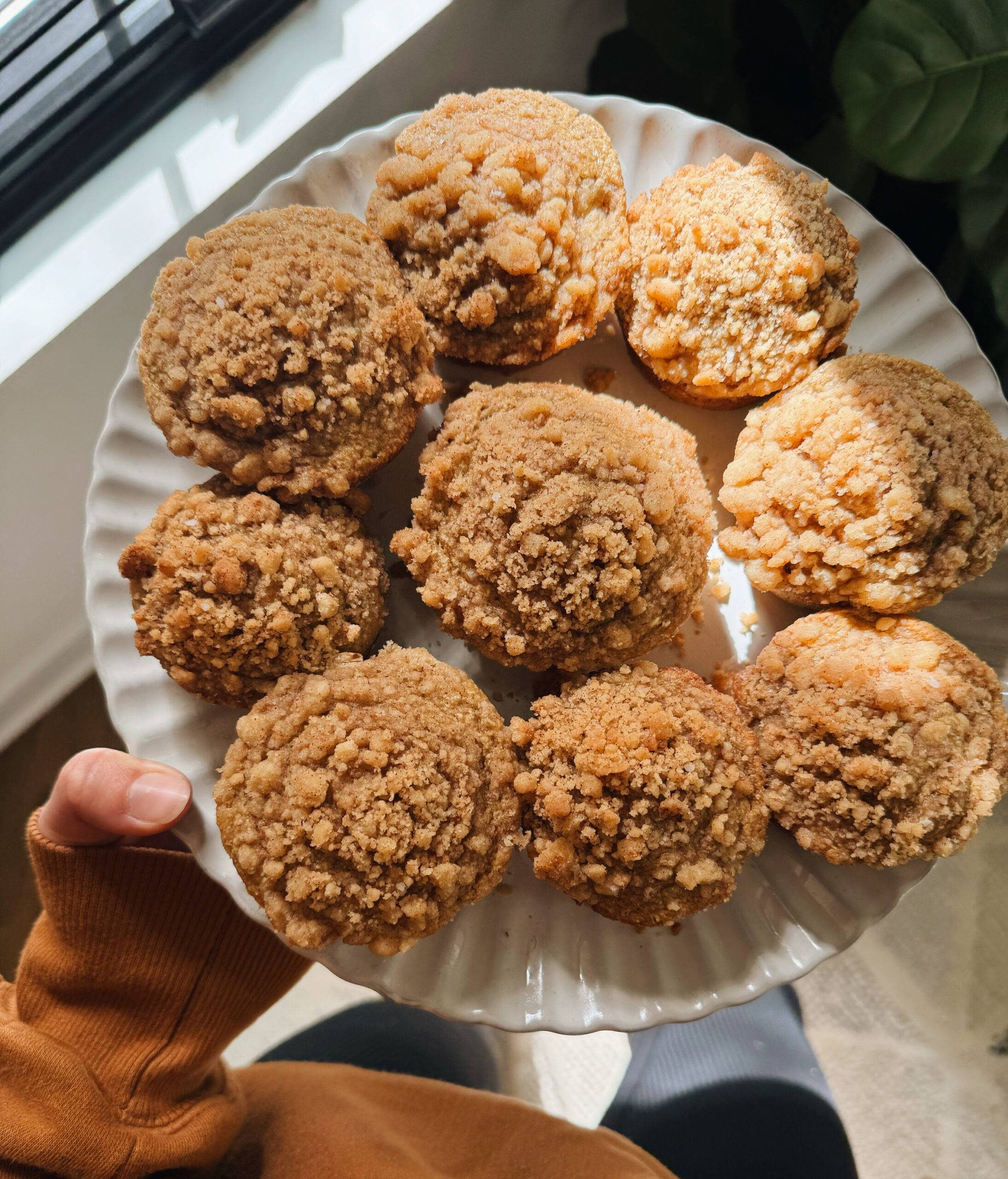
Historically, homemade breakfast pastries were viewed as weekend indulgences requiring substantial morning preparation. However, contemporary home cooking authorities have adapted these traditional recipes to emphasize wholesome ingredients—such as whole grains, natural sweeteners, and fiber-rich fruits—while retaining the comfort-food appeal that consumers seek during cooler months. The integration of sweet toppings, such as traditional brown sugar streusel, highlights a culinary balance between health-conscious baking and satisfying sensory experiences.
Nutritional Profile and Ingredient Selection
Modern nutritional standards emphasize the importance of balanced macronutrients to sustain energy throughout the morning. The formulation of contemporary meal prep muffins typically relies on fundamental, accessible baking staples designed to deliver sustained energy. Key components frequently include whole-wheat flour or oats for complex carbohydrates, healthy fats like coconut oil or Greek yogurt for moisture, and natural binding agents such as eggs.
Apples, serving as the central flavor and textural element, provide essential dietary fiber, vitamin C, and various antioxidants. According to nutritional science research, incorporating whole fruits into baked goods not only enhances moisture without requiring excessive added oils but also contributes to glycemic management by slowing the digestion of carbohydrates. The inclusion of cinnamon further aligns with functional food trends, as the spice is widely studied for its potential role in supporting healthy blood sugar levels.

Family Integration and On-the-Go Convenience
The practical utility of batch-baked breakfast items extends beyond individual meal planning to address family logistics, specifically school lunches and after-school routines. Parenting and lifestyle analysts note a growing consumer preference for portable, pre-portioned snacks that minimize preparation time during peak morning hours.
Households frequently utilize a rotation of seasonal variations—including pumpkin and zucchini-based recipes alongside apple varieties—to maintain dietary variety while simplifying grocery shopping and meal assembly. This rotational approach ensures that children receive consistent nutritional value while enjoying familiar, comforting textures. Food safety and storage experts recommend proper cooling and airtight refrigeration or freezing techniques for these items, allowing batches prepared on weekends to remain fresh and safe for consumption throughout the week.
Market Implications and Economic Impact
The popularity of homemade meal prep recipes reflects broader economic and consumer behaviors observed in recent years. With fluctuating grocery prices and a sustained consumer interest in home economics, baking from scratch has seen a resurgence. Families are increasingly looking for cost-effective alternatives to commercially manufactured breakfast bars and pre-packaged pastries, which often carry a significant retail markup and higher sodium or preservative content.
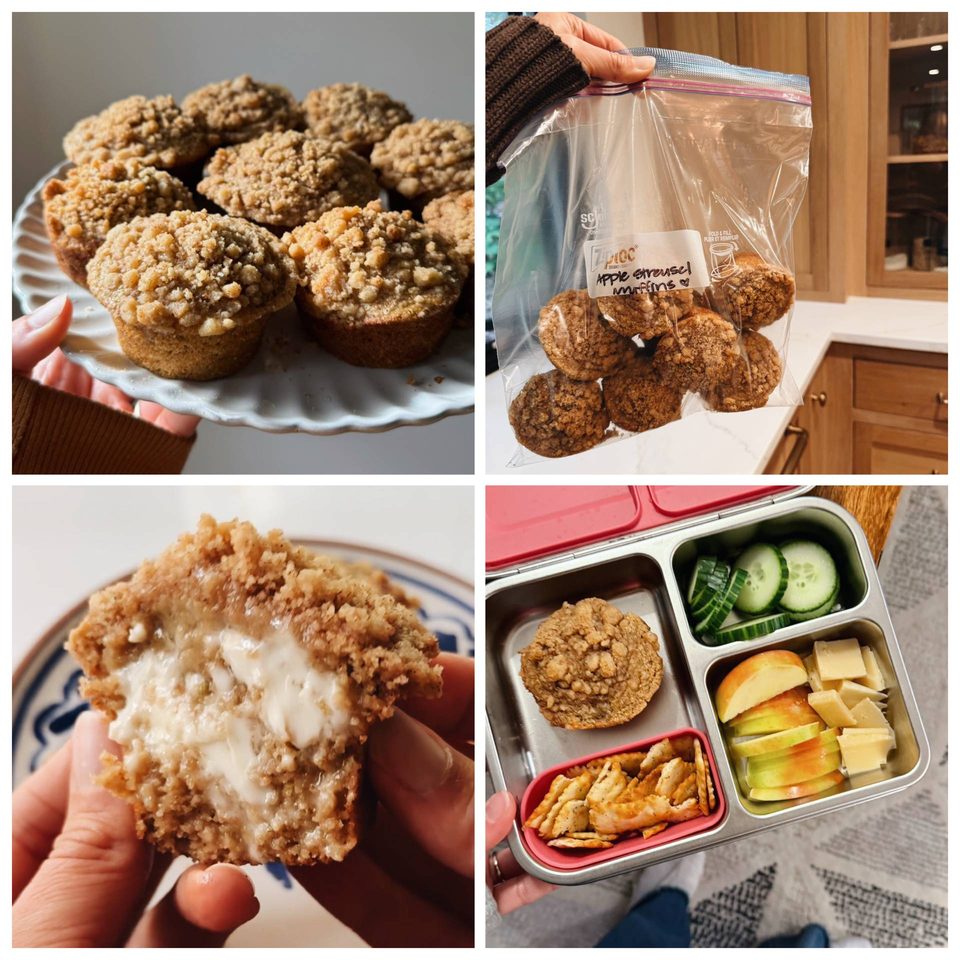
Furthermore, digital food media and culinary blogs continue to drive engagement through step-by-step recipe sharing, print-friendly formats, and community-driven recipe modifications. The ability to customize base recipes to accommodate dietary restrictions—such as gluten-free, dairy-free, or vegan preferences—has broadened the appeal of these baked goods across diverse demographic segments.
Broader Nutritional Trends and Future Outlook
As consumer preferences continue to favor foods that offer both emotional comfort and functional health benefits, the role of baked goods in everyday nutrition is undergoing a reevaluation. The dichotomy between indulgence and wellness is narrowing, with bakers and recipe developers focusing on nutrient density without sacrificing taste.
Industry observers anticipate that the demand for seasonal, make-ahead breakfast solutions will remain robust. As agricultural cycles bring fresh produce to markets each autumn, recipes utilizing apples, root vegetables, and warm spices will likely continue to dominate household meal preparation schedules, bridging the gap between traditional home baking and the fast-paced demands of modern family life.