Unlocking the Secrets of Longevity: Inside the Kitchen and Lifestyle of a Mediterranean Diet Expert

The contemporary global wellness landscape is saturated with fleeting nutritional trends, restrictive macro-nutrient calculations, and high-tech dietary supplements designed to optimize human health. Yet, for decades, nutrition scientists and public health researchers have consistently pointed back to a legacy eating pattern that predates modern food science: the traditional Mediterranean diet. Far from a contemporary fad, this way of eating is deeply rooted in the cultural history, agricultural realities, and social traditions of countries bordering the Mediterranean Sea.
To understand the mechanics of this dietary framework, one must look past commercial adaptations and examine authentic household practices. Registered Dietitian Nutritionist Elena Paravantes, an expert on the Mediterranean diet with over 25 years of clinical, academic, and writing experience, has spent her career bridging the gap between traditional foodways and modern nutritional science. Raised within this cultural tradition in Greece, Paravantes argues that the foundational philosophy of the Mediterranean lifestyle relies on abundance and flavor rather than deprivation and rigid calorie counting.
Main Facts and Core Nutritional Pillars
At its core, the authentic Mediterranean dietary pattern is characterized by a high consumption of plant-based foods—including vegetables, fruits, whole grains, legumes, nuts, and seeds—with extra virgin olive oil serving as the primary source of dietary fat. Moderate consumption of fish, poultry, and dairy products, alongside a low intake of red meat and processed foods, completes the nutritional matrix. However, the efficacy of this diet is not merely found in isolated food groups; it is driven by the synergistic biochemical interaction of its components.
An inspection of a traditional Mediterranean pantry reveals specific staples that have sustained generations of populations in regions like Crete, mainland Greece, Southern Italy, and Spain. Five essential foods anchor this dietary architecture, providing the precise macronutrients, micronutrients, and bioactive compounds necessary for long-term health outcomes.
- Whole Grains: The Complex Carbohydrate Base
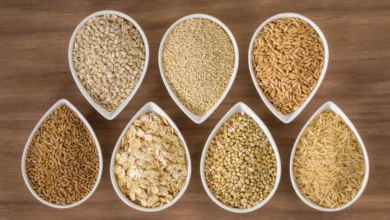
Unlike the refined white flours that dominate Western industrial diets, traditional Mediterranean kitchens heavily utilize whole grains such as barley, bulgur, farro, and whole-grain breads. Botanically, whole grains retain all three original parts of the seed: the bran, the germ, and the endosperm. This structural integrity ensures that consumers receive a dense matrix of dietary fiber, B vitamins, trace minerals, and antioxidants.
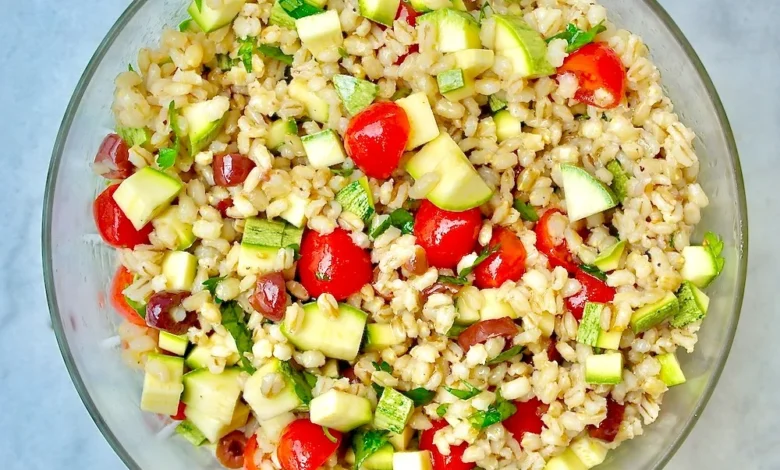
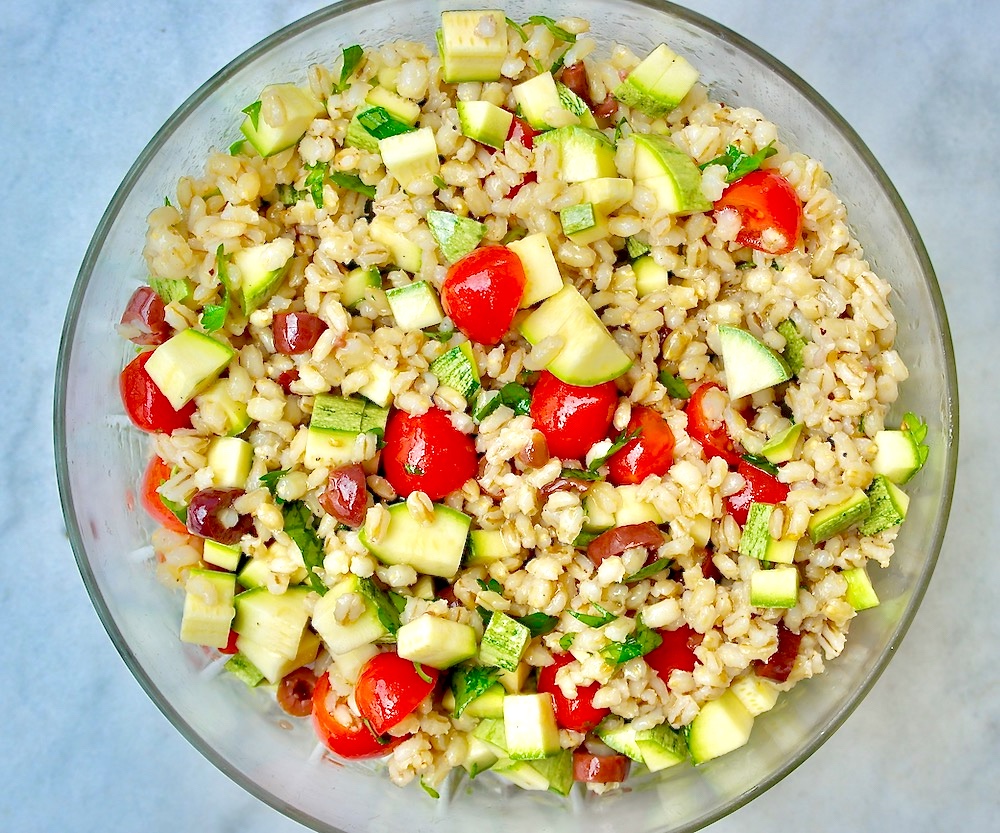
From a nutritional standpoint, the integration of whole grains alongside vegetable-based dishes enhances glycemic control and promotes prolonged gastric satiety. Epidemiological data consistently associate high whole-grain intake with a reduced incidence of type 2 diabetes, cardiovascular disease, and certain gastrointestinal malignancies. In traditional preparation, these grains are rarely consumed in isolation; instead, they are combined with legumes, fresh herbs, aromatic vegetables, and extra virgin olive oil to create cohesive, nutrient-dense meals.
- Oregano: More Than a Culinary Garnish
Herbs and spices are frequently overlooked in standard nutritional assessments, yet in the Mediterranean diet, they play a critical biochemical and culinary role. Dried Greek oregano, in particular, is utilized not merely as a surface garnish, but as a primary flavoring agent for legumes, roasted vegetables, fish, and tomato-based dishes.
Beyond its ability to enhance palatability without the addition of heavy, sodium-rich sauces or saturated fats, oregano is exceptionally rich in phenolic antioxidant compounds, including carvacrol and thymol. These phytochemicals exhibit potent antimicrobial, anti-inflammatory, and free-radical scavenging properties. The heavy reliance on aromatic herbs encourages the consumption of otherwise unpalatable nutrient-dense foods, thereby increasing overall vegetable intake across populations.
- Greek Yogurt: Fermented Dairy and Gut Health
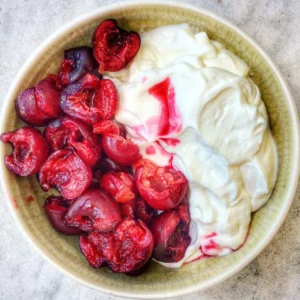
While commercialized markets have recently commodified Greek yogurt as a specialized high-protein health food, it has functioned as a daily dietary staple in Greece for generations. Characterized by its strained, thick texture, authentic Greek yogurt is produced by removing the liquid whey, resulting in a concentrated source of high-quality protein, calcium, and phosphorus.
Furthermore, traditional yogurts containing live and active bacterial cultures introduce beneficial probiotics into the gastrointestinal tract. Nutritional immunology research highlights the critical link between gut microbiota diversity and systemic immune function, metabolic regulation, and mental health. In the Mediterranean household, this ingredient is versatile, consumed plainly, paired with honey and seasonal fruit, or utilized as the base for traditional savory preparations like tzatziki.
- Extra Virgin Olive Oil: The Indispensable Lipid Foundation
No discussion of the Mediterranean diet is scientifically or culturally accurate without acknowledging the centrality of extra virgin olive oil (EVOO). Serving as the absolute foundation of traditional cooking, EVOO is consumed in generous quantities across Greece, which consistently ranks among the highest per capita consumers of olive oil globally.
Biochemically, extra virgin olive oil is distinguished by its high concentration of monounsaturated fatty acids—predominantly oleic acid—and a complex profile of minor components, including polyphenols such as oleocanthal and oleuropein. These bioactive compounds exhibit significant anti-inflammatory and cardioprotective effects, mirroring the mechanisms of non-steroidal anti-inflammatory drugs in laboratory settings.
Public health nutritionists emphasize that the traditional Mediterranean diet is fundamentally a high-fat dietary pattern, but one dominated by healthy unsaturated fats rather than trans fats or excessive saturated fats. The inclusion of EVOO is essential not only for its physiological benefits, but because it acts as a culinary vehicle that transforms fibrous, bitter, or otherwise "difficult" vegetables into pleasurable, highly palatable culinary experiences.
- Seasonal Vegetables: Phytochemical Diversity
Vegetables occupy the central position on the Mediterranean plate. Tomatoes, leafy greens, zucchini, eggplants, bell peppers, onions, and cruciferous vegetables are consumed in abundance, dictated strictly by seasonal availability. These foods provide a vast array of dietary fiber, vitamins A, C, and K, potassium, and thousands of unique phytochemicals that protect cells from oxidative stress.
Rather than subjecting vegetables to elaborate or destructive culinary techniques, traditional methods favor roasting with olive oil and oregano, slow-cooking in olive oil-based tomato sauces (known as ladera), or stuffing with rice and fresh herbs. This culinary philosophy ensures that the structural and nutritional integrity of the produce is preserved while maximizing consumer adherence through superior flavor profiles.
Historical Context and Evolution of the Dietary Pattern
The historical roots of the Mediterranean diet trace back millennia, shaped by the arid climate, mountainous topography, and coastal geography of the Mediterranean basin. Historically, populations in these regions relied heavily on what the land could sustainably yield: olives, wheat, grapes, legumes, and wild greens, supplemented by small amounts of sheep or goat milk cheese and occasional catches of coastal fish. Meat was historically reserved for festive or religious occasions, serving as a condiment or secondary component rather than the centerpiece of daily nutrition.
The modern scientific interest in this dietary model began to take shape in the mid-20th century, most notably through the pioneering epidemiological work of American physiologist Ancel Keys. The Seven Countries Study, initiated in the 1950s, systematically investigated the relationship between lifestyle, diet, and cardiovascular disease across diverse global cohorts. Keys and his researchers observed that despite varying caloric and total fat intakes, populations residing in Crete and rural Southern Italy exhibited remarkably low rates of coronary heart disease and exceptionally high life expectancies compared to their counterparts in the United States and Northern Europe.
Subsequent clinical interventions and large-scale trials, such as the PREDIMED (Prevención con Dieta Mediterránea) study conducted in Spain, provided robust randomized controlled trial data. The findings demonstrated that a Mediterranean diet supplemented with extra virgin olive oil or nuts significantly reduced the incidence of major cardiovascular events, including stroke and myocardial infarction, even in populations at high baseline risk.
Socio-Cultural Dimensions of Wellness
Nutritionists and public health experts increasingly recognize that the health benefits of the Mediterranean diet cannot be decoupled from the socio-cultural lifestyle that surrounds it. The diet is inherently communal. Meals are rarely rushed or consumed in isolation; instead, they function as central social rituals designed for family and community interaction.
This lifestyle incorporates mindful eating habits, adequate physical activity linked to agrarian or walking-based daily routines, and a profound respect for seasonal rhythms. By prioritizing commensality—the act of eating together at a shared table—the Mediterranean framework naturally moderates eating speeds, enhances psychological well-being, and fosters social support networks, all of which are recognized determinants of longevity and stress reduction.
Implications for Modern Public Health and Dietary Guidelines
As chronic
lifestyle-related diseases—such as obesity, metabolic syndrome, and cardiovascular disorders—continue to burden global healthcare systems, public health authorities frequently look to the Mediterranean diet as a viable therapeutic model. Unlike restrictive commercial diets characterized by high attrition rates, the Mediterranean approach offers a sustainable, highly adaptable framework that can be integrated into diverse cultural cuisines worldwide.
Dietetic experts stress that adopting this lifestyle does not require adherence to rigid dietary dogmas or the purchase of expensive specialty products. Rather, it requires a structural shift toward whole, minimally processed foods, an increased reliance on plant-based proteins and seasonal produce, the replacement of industrial cooking fats with extra virgin olive oil, and a conscious re-engagement with the social rituals of food preparation and consumption.
Ultimately, the enduring relevance of the Mediterranean diet lies in its synthesis of pleasure and health. By prioritizing flavor, cultural heritage, and shared human connection around the dining table, this centuries-old tradition offers a blueprint for sustainable wellness in the twenty-first century.