The Ultimate Evolution of a Classic: Revisiting the Lemon Meringue Layer Cake for the Modern Baker

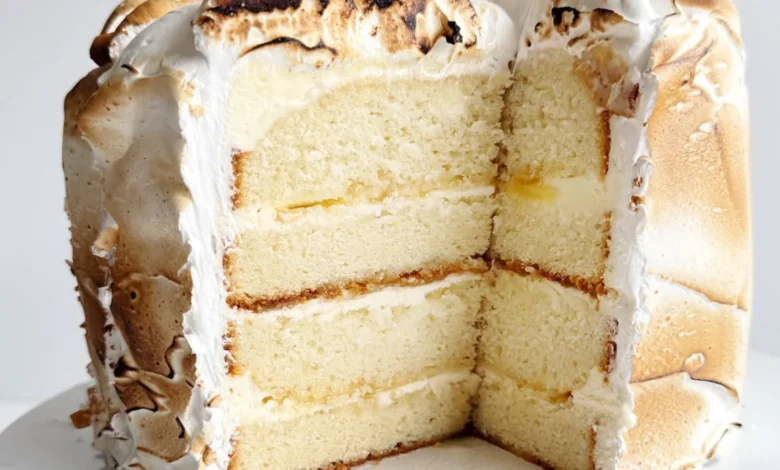
The landscape of modern baking is constantly evolving, driven by precision, improved technique, and a relentless pursuit of texture and flavor balance. Renowned baking expert and cookbook author Sarah Kieffer has captured the attention of culinary enthusiasts worldwide with the release of a thoroughly updated and elevated version of her signature Lemon Meringue Cake. Originally featured in her debut publication, The Vanilla Bean Baking Book, this beloved dessert has undergone a comprehensive transformation. By shifting from a traditional yellow cake base to a delicate white cake, incorporating a rich lemon curd layer, and utilizing the precise reverse creaming method, this recipe offers a masterclass in modern pastry development.
The Evolution of a Signature Recipe: From Debut to Masterpiece
The journey of this reimagined dessert began out of a personal culinary challenge. Last year, Kieffer’s mother-in-law requested the original lemon meringue cake for her birthday. While the initial recipe from The Vanilla Bean Baking Book had earned a loyal following since its publication, the occasion presented an opportunity to re-evaluate and refine the formula.
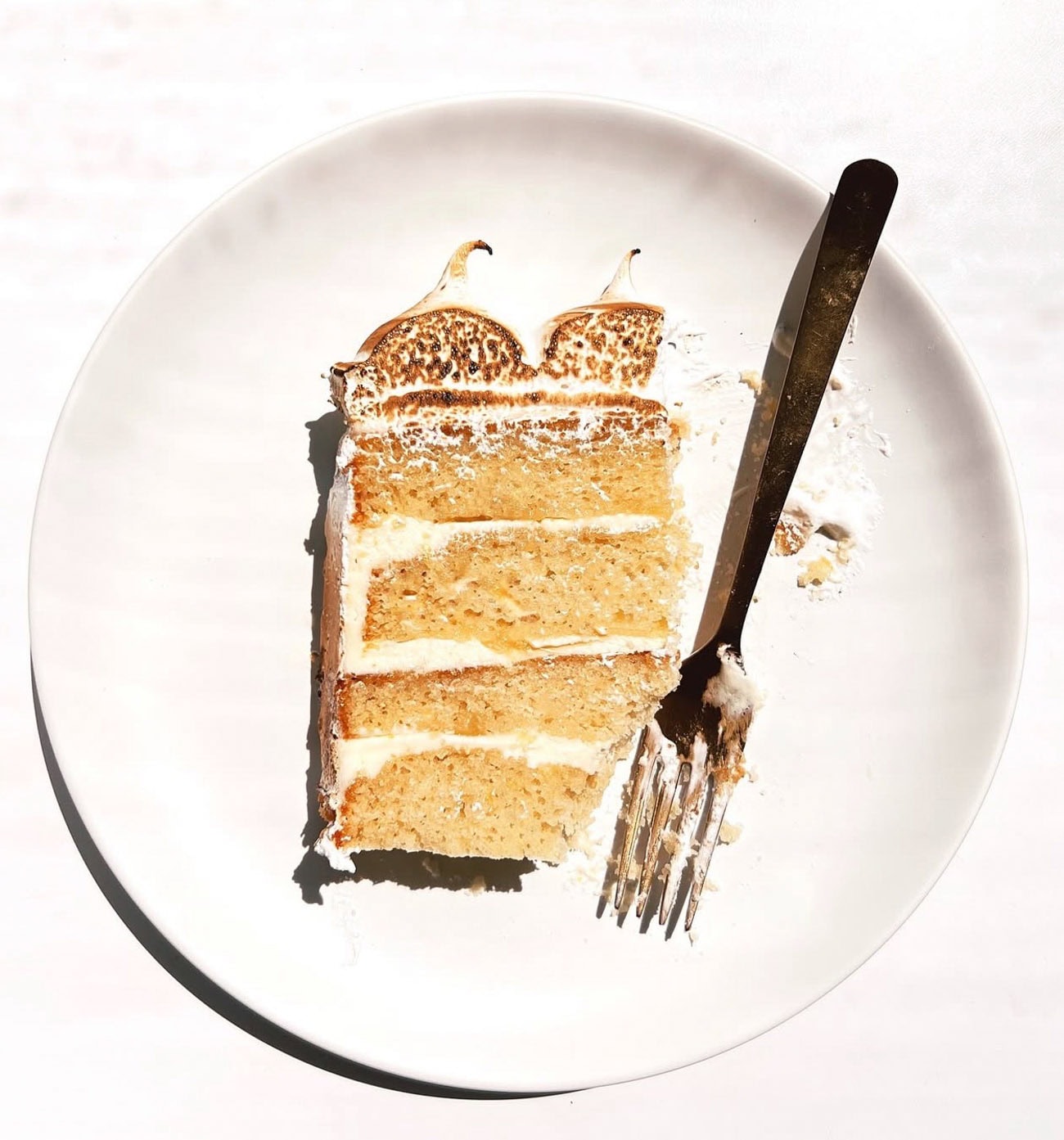
In the baking world, revisiting foundational recipes is a common practice among professional pastry chefs seeking to align older concepts with modern palates and technical advancements. Kieffer immediately identified several areas for improvement. The most significant structural alteration was replacing the traditional yellow cake base with a white cake foundation. This seemingly subtle substitution yields a markedly lighter and more tender crumb, which proves essential when balancing the heavier, richer profiles of buttercream and torched meringue.
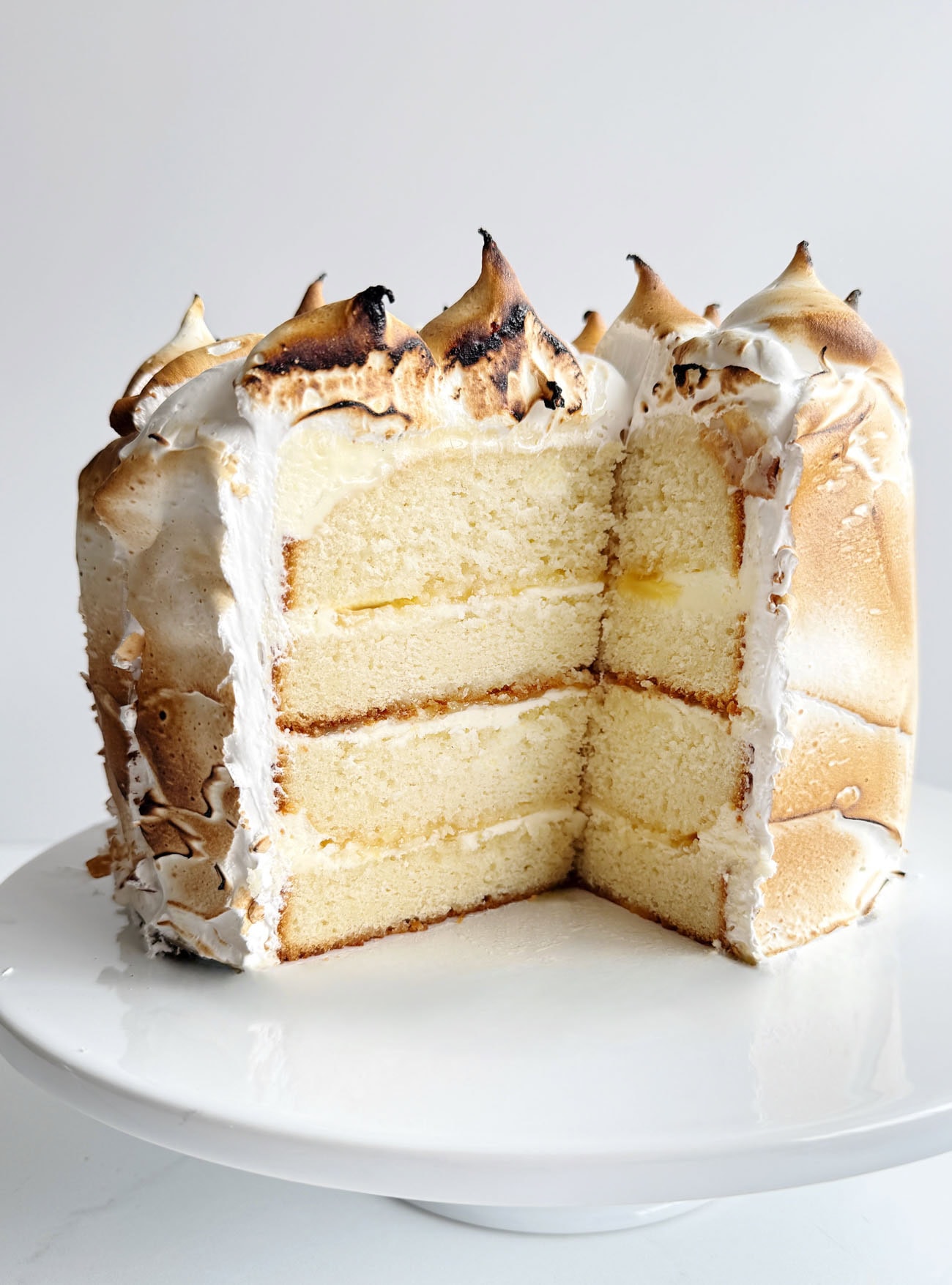
Furthermore, while the original iteration relied on a specialized lemon soak to infuse moisture and flavor into the layers, the updated version introduces an explicit lemon curd layer. This addition dramatically amplifies the citrus intensity, providing a tart, vibrant contrast to the sweet meringue topping. The result of these incremental adjustments transformed a nostalgic favorite into what many culinary critics and home bakers alike have classified as an extraordinary dessert, securing its status as a permanent fixture for annual family celebrations.
The Science of Texture: Why Reverse Creaming Matters
At the heart of this updated recipe is a deliberate technical choice: the reverse creaming method. Unlike traditional baking techniques where butter and granulated sugar are beaten together first—incorporating air pockets to create a fluffy, domed structure—the reverse creaming method introduces softened butter directly into the dry ingredients.
Food scientists and professional bakers praise this method for its unique structural impact on delicate cakes. By coating the flour particles in fat before any liquids are introduced, gluten development is severely restricted. This produces a cake with an exceptionally fine, even crumb that is velvety rather than sponge-like. Additionally, cakes produced via the reverse creaming method exhibit minimal doming during the baking cycle. This characteristic is particularly advantageous for layer cakes, as it eliminates the need for extensive trimming to achieve flat, stable tiers for stacking and frosting.
Kieffer notes that this technique is not exclusive to white cakes; she frequently employs reverse creaming for various delicate layer cakes, including her popular White Sprinkle Cake. The resulting texture provides a sturdy yet meltingly tender vehicle for rich fillings and elaborate toppings, ensuring that the structural integrity of the cake remains uncompromised under heavy layers of curd and buttercream.
Precision in Baking: The Importance of Weight Over Volume
One of the most critical discussions surrounding modern baking methodology is the debate between volumetric measurements (cups) and mass measurements (grams). In her updated notes, Kieffer emphasizes the imperative nature of weighing ingredients, particularly all-purpose flour.
Culinary data consistently demonstrates that volumetric measuring of flour can introduce a significant margin of error. Depending on how flour is scooped, packed, or aerated, a single cup can vary wildly in weight—anywhere from 120 grams to upwards of 142 grams. To eliminate this inconsistency, Kieffer standardizes her recipes based on rigorous testing, determining that one cup of flour in her formulas consistently averages 142 grams.
For home bakers and professional kitchens alike, adopting a digital kitchen scale is the single most effective way to replicate recipe developer intentions precisely. By weighing ingredients, bakers avoid the common pitfalls of dry, dense cakes or structurally unsound layers, ensuring reproducible results regardless of geographical location or atmospheric humidity.
Storage, Preparation, and Practical Implications for Home Bakers

As culinary trends shift toward efficiency and advance preparation, the logistical feasibility of complex desserts becomes a major selling point. Layer cakes featuring meringue components are notoriously sensitive to moisture and time, often requiring immediate consumption to prevent weeping or structural degradation.
However, the structural adaptations in this updated recipe offer significant practical advantages. The unfrosted white cake layers can be baked in advance, tightly wrapped in plastic film, and stored in a standard freezer for up to two weeks without compromising their integrity or moisture levels. This allows home bakers to segment the labor-intensive process of baking, curd-making, buttercream preparation, and meringue whipping across multiple days, making an advanced dessert approachable for casual entertainers and serious hobbyists alike.
Broader Culinary Impact and the Longevity of Cookbook Classics
The re-release and modernization of classic recipes highlight a broader trend within the culinary publishing industry. As authors grow and refine their techniques over decades of recipe testing, their subsequent digital platforms serve as living laboratories where older works are continuously optimized.
By openly sharing the rationale behind these adjustments—such as the switch to white cake, the incorporation of curd, and the technical defense of reverse creaming—authors demystify the recipe development process. This transparency empowers a more educated community of home bakers who understand not just how to follow a recipe, but why specific ingredients and methods interact.
Ultimately, the updated Lemon Meringue Cake stands as a testament to the fact that even well-established culinary triumphs can be elevated through critical evaluation, precise measurement, and an unwavering commitment to texture and flavor equilibrium. As this recipe transitions from a book page into modern kitchens, it reinforces the enduring appeal of bright citrus profiles balanced against the delicate, cloud-like artistry of French and Swiss meringue techniques.