The Art and Science of Baking Lemon White Chocolate Scones: A Seasonal Culinary Exploration

As the calendar turns toward late spring, kitchens across the Upper Midwest and similar northern climates often see a prolonged reliance on vibrant, citrus-based baking. The transitional months of March and April frequently present a meteorological paradox characterized by lingering snow cover, gray skies, and unpredictable cold snaps, a phenomenon colloquially referred to by regional residents as a "second winter" or deceptive spring. In response to these dreary conditions, home bakers and culinary professionals alike frequently turn to bright, tart citrus fruits—such as lemons and blood oranges—to inject color, acidity, and sensory warmth into domestic spaces. Among the myriad baked goods suited for this seasonal adaptation, scones occupy a unique space in Anglo-American baking traditions, balancing the structural integrity of a biscuit with the delicate crumb of a pastry.
The Culinary Evolution of the Scone
The scone traces its origins to the Scottish quickbread tradition, historically cooked on a griddle before evolving into the oven-baked wedge format popular in contemporary bakeries and tearooms worldwide. Traditionally made with flour, fat, baking powder, and a dairy binder, the classic scone has undergone substantial culinary experimentation over the past century. While purists often argue that mix-ins like chocolate compromise the delicate, crumbly texture and neutral base flavor of a traditional afternoon tea scone, modern pastry arts embrace a more adventurous approach.

The pairing of citrus and white chocolate represents a sophisticated flavor dynamic rooted in culinary science. High-quality white chocolate, composed primarily of cocoa butter, sugar, and milk solids, offers a rich, buttery sweetness that naturally counteracts the high acidity and sharp bite of fresh lemon zest and juice. When incorporated correctly, the white chocolate provides pockets of velvety texture that contrast with the flaky, layered architecture of a well-made pastry.
Deconstructing the Recipe: Technique and Ingredients
Achieving the ideal scone requires precision in ingredient selection and mechanical execution. Culinary tests over decades of baking development highlight several key components necessary to avoid the common pitfalls of dry, dense, or overly crumbly scones:
- The Dairy Foundation: Substituting standard milk or heavy cream with crème fraîche introduces a higher fat content and a subtle tang, enhancing both the moisture retention and the tender crumb of the baked good.
- Enrichment: The addition of an extra egg yolk provides supplementary lecithin and fat, which acts as a tenderizer and promotes a rich golden hue without toughening the dough through excessive moisture.
- Layering Mechanics: Rather than mixing all ingredients into a homogenous mass, contemporary artisan techniques incorporate a gentle folding process. By rolling and folding the dough multiple times prior to cutting, bakers create micro-layers of butter and flour that steam and expand during baking, resulting in a tall, lofty, and flaky final product.
- Chocolate Preparation: White chocolate possesses a lower melting point and a different chemical composition than dark or milk chocolate, often remaining stubborn when subjected to high oven temperatures. Experts recommend chopping white chocolate bars into fine, small fragments rather than utilizing uniform commercial chips to ensure even distribution and prevent dense pockets of unmelted confection.
Ergonomics and Efficiency in the Modern Kitchen
Baking methodologies have similarly adapted to accommodate physical wellness and culinary efficiency. Traditional scone recipes mandate the use of a handheld pastry cutter or manual finger-blending to cut cold butter into flour—a process that can induce repetitive strain injuries over time, particularly for individuals experiencing arthritis or chronic wrist fatigue.
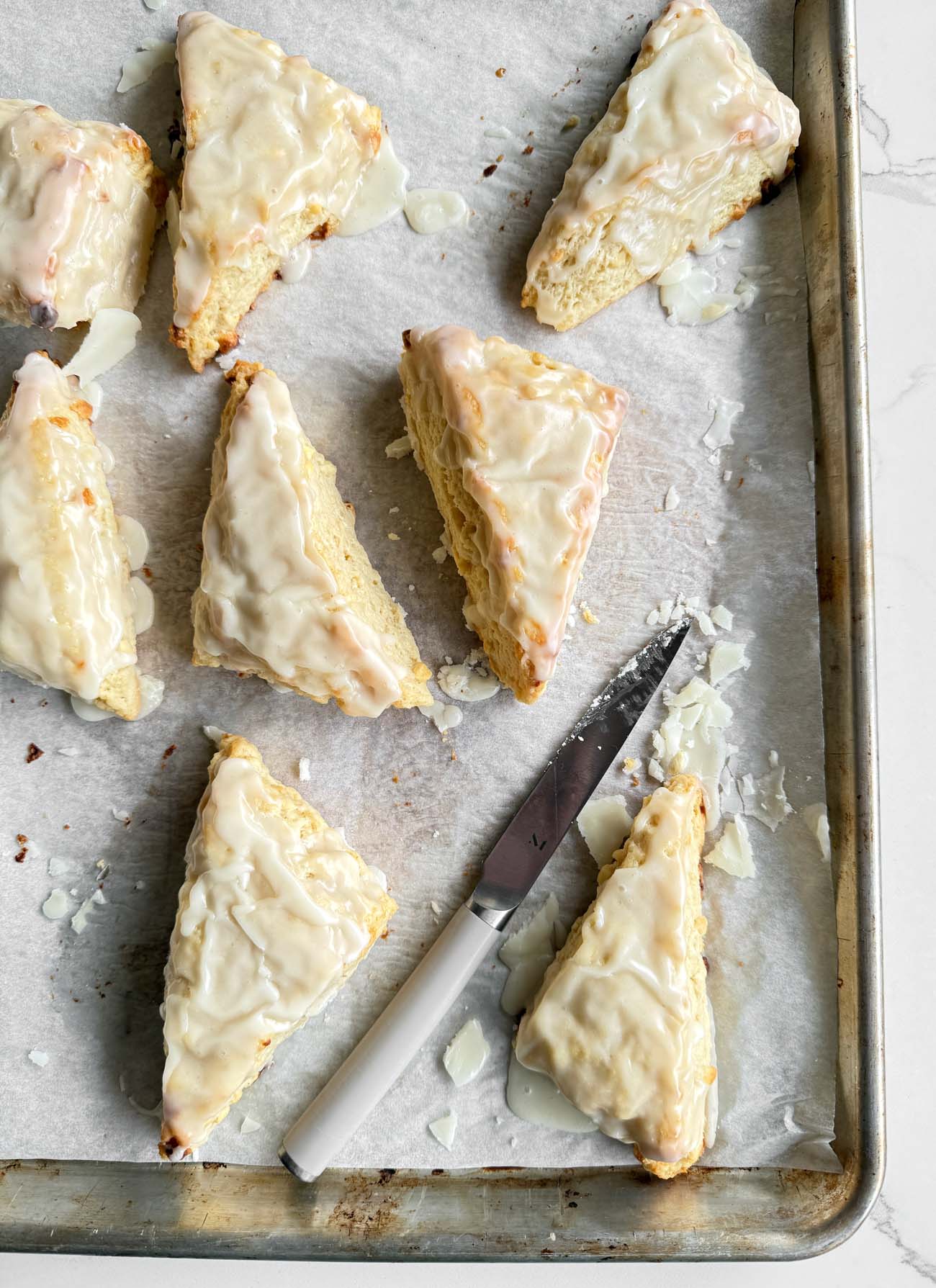
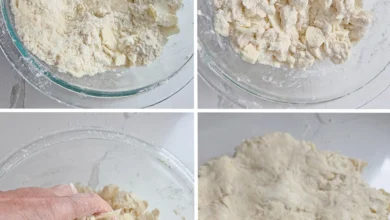
Culinary researchers and experienced bakers increasingly advocate for the utilization of standard stand mixers equipped with paddle attachments. By pulsing cold butter and flour until the mixture resembles coarse meal with pea-sized butter chunks, bakers can achieve identical structural results while mitigating physical strain. However, culinary instructors emphasize the necessity of manual finishing; once the liquid binders and white chocolate are introduced, folding the dough by hand using a flexible spatula prevents over-development of gluten, ensuring the pastry retains its characteristic tenderness.
Broader Economic and Cultural Trends in Home Baking
The sustained popularity of specialized baking projects underscores broader socioeconomic shifts observed over the past decade. Culinary arts analysts note a significant resurgence in scratch-cooking and home baking, driven initially by lifestyle changes and cultural shifts toward comfort foods. Even as commercial supply chains normalize, consumer interest in artisanal techniques—such as mastering laminated quickbreads, utilizing seasonal produce, and experimenting with flavor pairings like lemon and white chocolate—remains robust.
Furthermore, the integration of digital recipe platforms and food journalism has democratized access to advanced culinary techniques. Home cooks are no longer limited to regional cookbooks; instead, they can access detailed instructions, troubleshooting guides, and professional tips that bridge the gap between amateur cooking and professional pastry arts. As seasonal shifts continue to influence domestic routines, the humble scone remains a resilient canvas for creativity, comfort, and culinary exploration.