Authentic Moo Shu Pork Rediscovering the Traditional Beijing Homestyle Stir-Fry

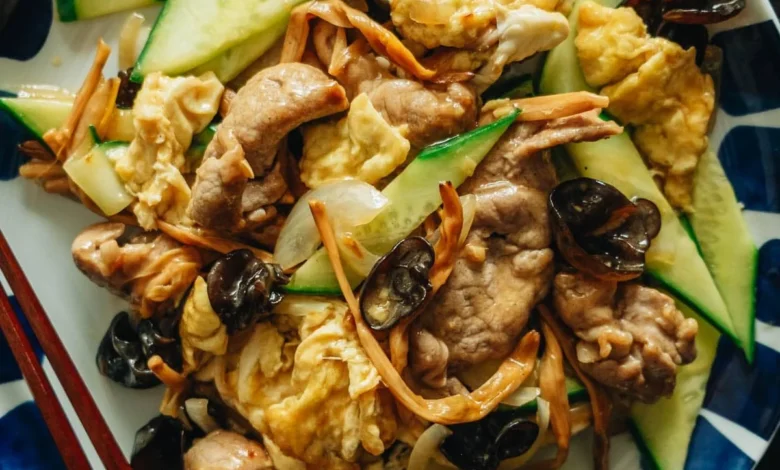
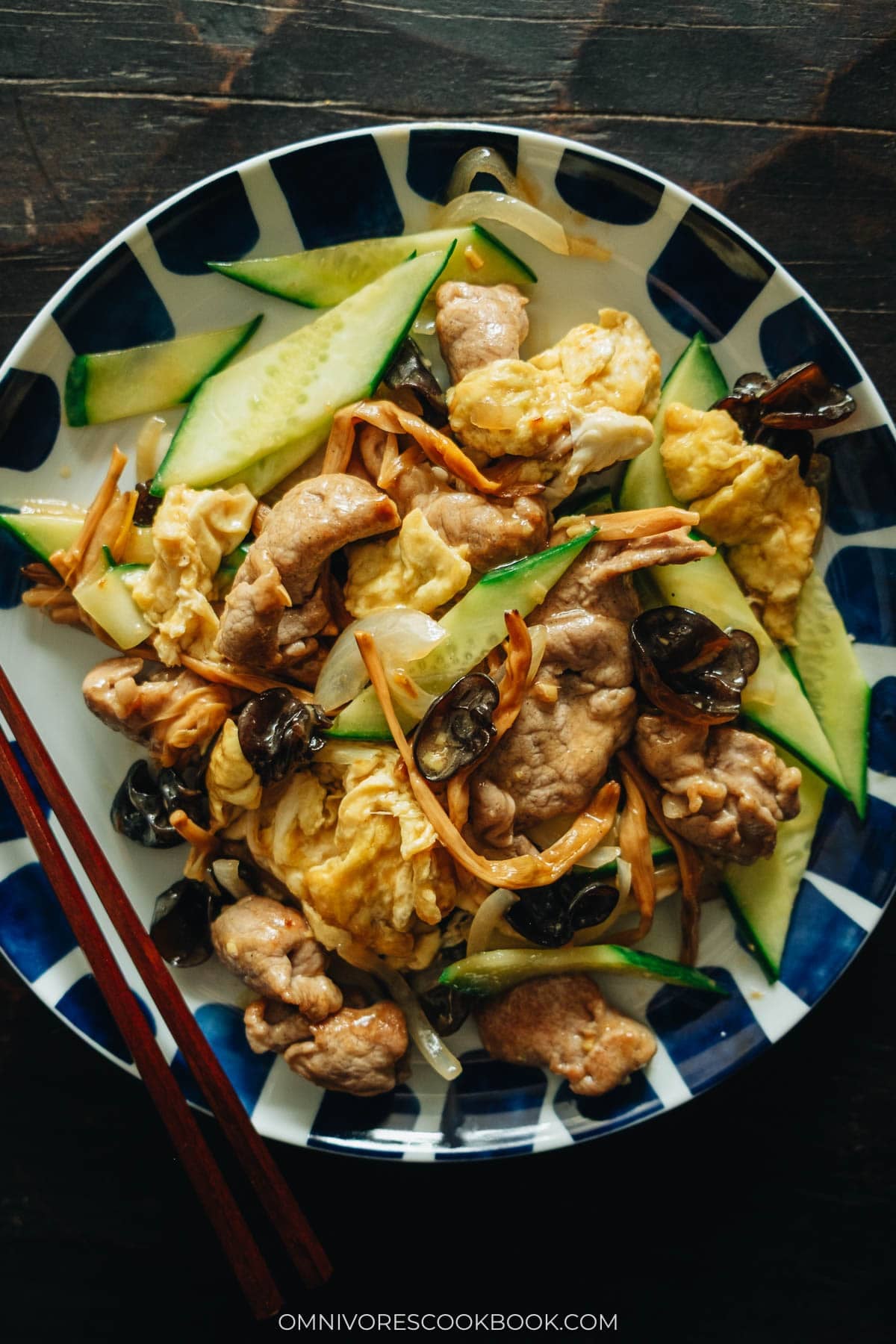
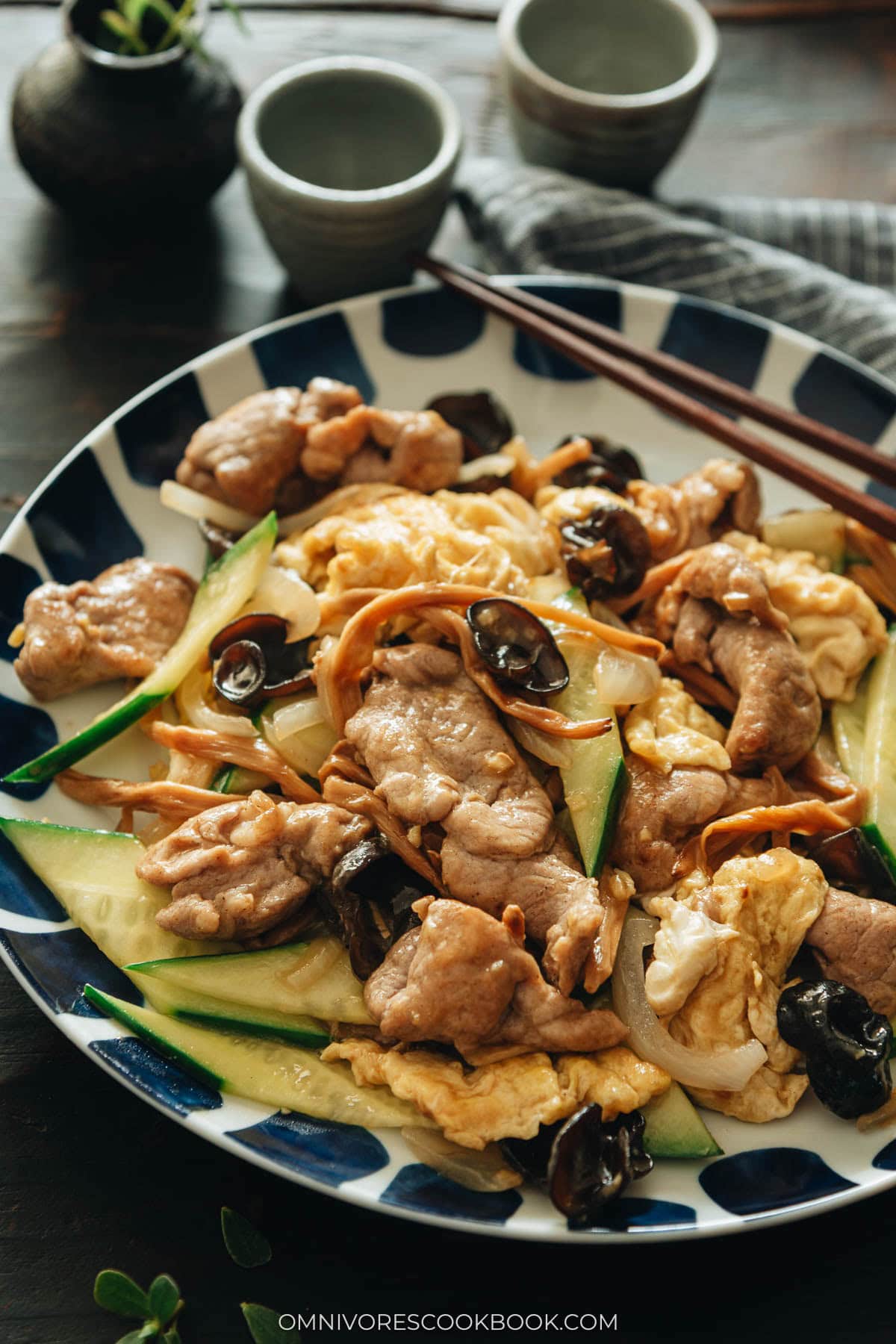
The culinary landscape of international cuisine often undergoes significant transformation when introduced to foreign markets, a phenomenon well-documented in the evolution of Chinese gastronomy abroad. While Americanized Chinese restaurants have long popularized a version of Moo Shu Pork characterized by shredded cabbage, heavy hoisin sauce, and service with thin wheat pancakes, the authentic northern Chinese home-style preparation remains vastly different. Rooted in the culinary traditions of Beijing, traditional Moo Shu Pork is a light, balanced stir-fry designed to maximize limited protein resources by blending them with nutrient-dense pantry staples, served traditionally over steamed white rice rather than wrapped in pancakes.
Historical Context and Cultural Significance
In the domestic kitchens of northern China, particularly during eras when meat was utilized sparingly as a flavoring agent rather than the central bulk of a meal, dishes like Moo Shu Pork were developed out of economic necessity and culinary ingenuity. A modest quantity of pork tenderloin—often only a fraction of a whole cut—is sufficient to feed an entire family when stretched with protein-rich eggs and rehydrated dried forest products.
Unlike the heavy, sweet, and thick flavor profiles often found in Westernized adaptations, authentic Beijing-style Moo Shu Pork relies on a minimalist approach to seasoning. The primary flavor profile is achieved through high-heat wok cooking, known locally as wok hei, combined with basic pantry staples such as light soy sauce, Shaoxing rice wine, Chinkiang vinegar, and minimal chicken stock. This technique highlights the natural textures and subtle flavors of the core ingredients without masking them in heavy sauces.
Anatomy of the Dish: Ingredients and Preparation
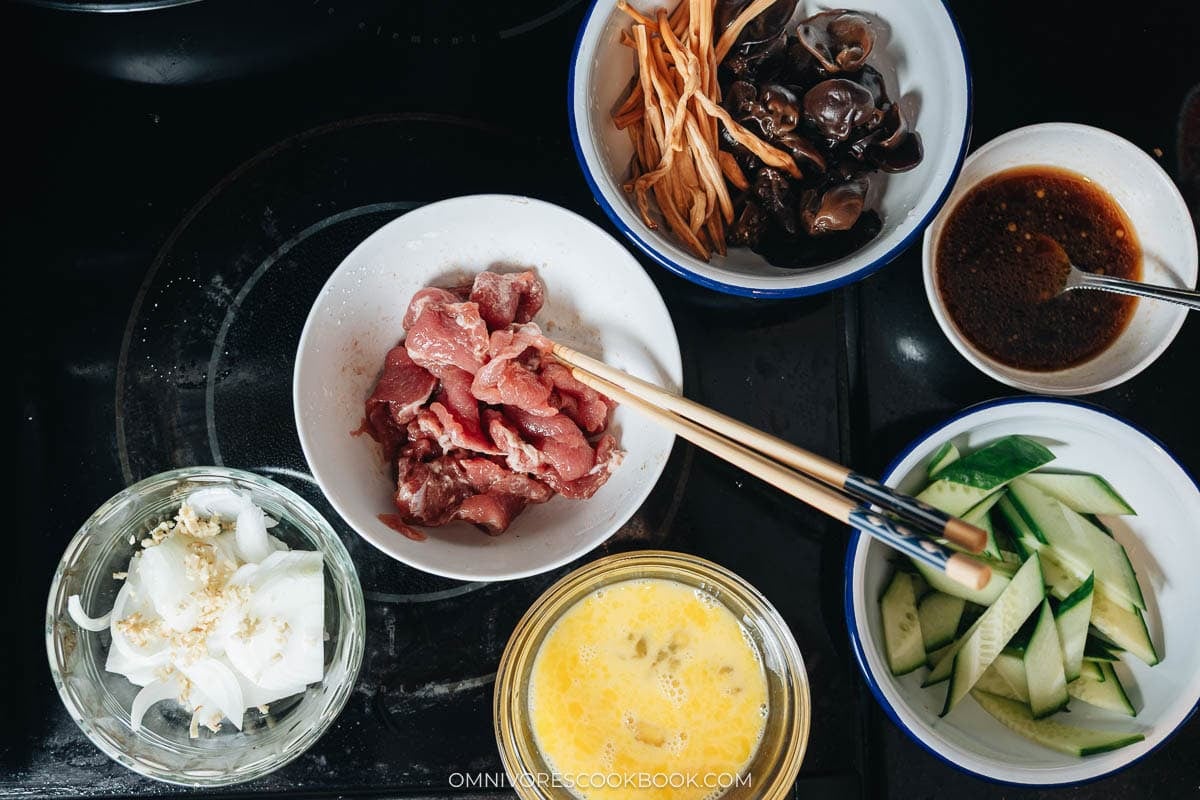
The traditional composition of this northern Chinese staple relies on a precise balance of textures and preparation methods. The ingredient list typically features specific components chosen for their contrasting mouthfeels and shelf-stable qualities:
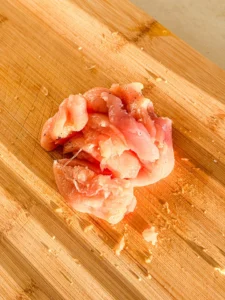
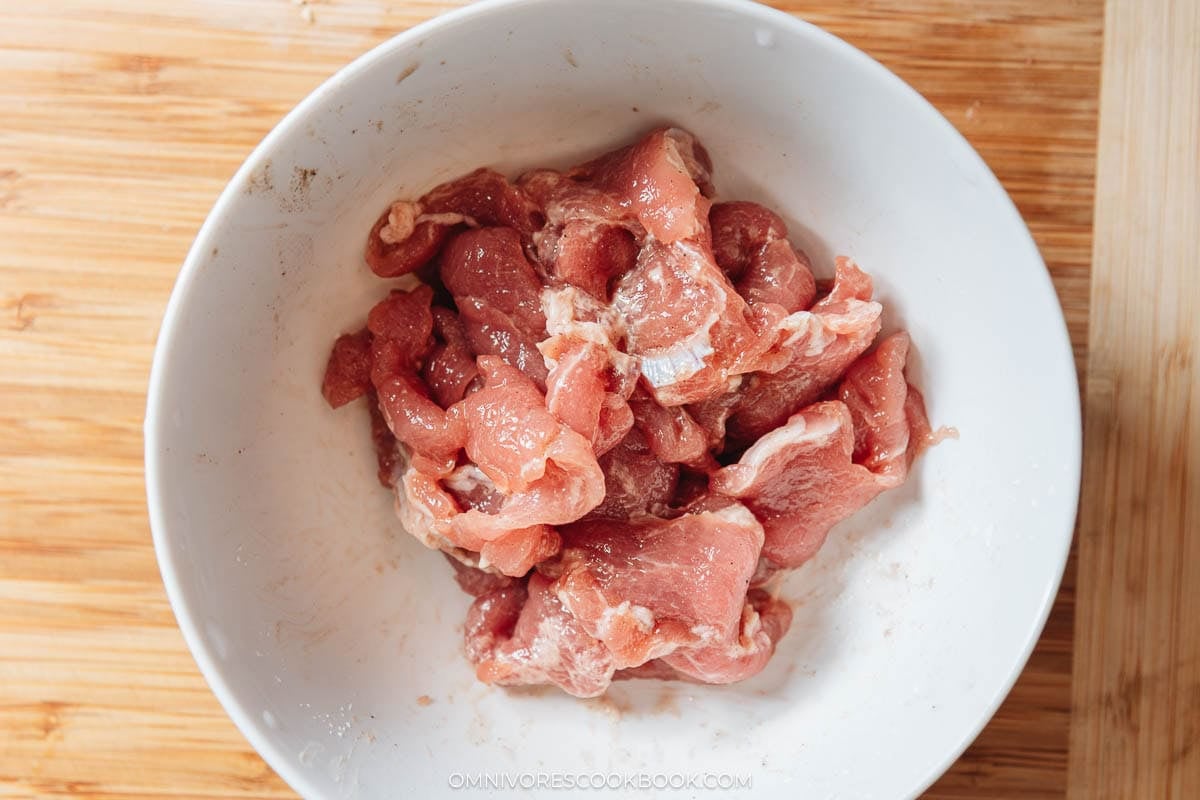
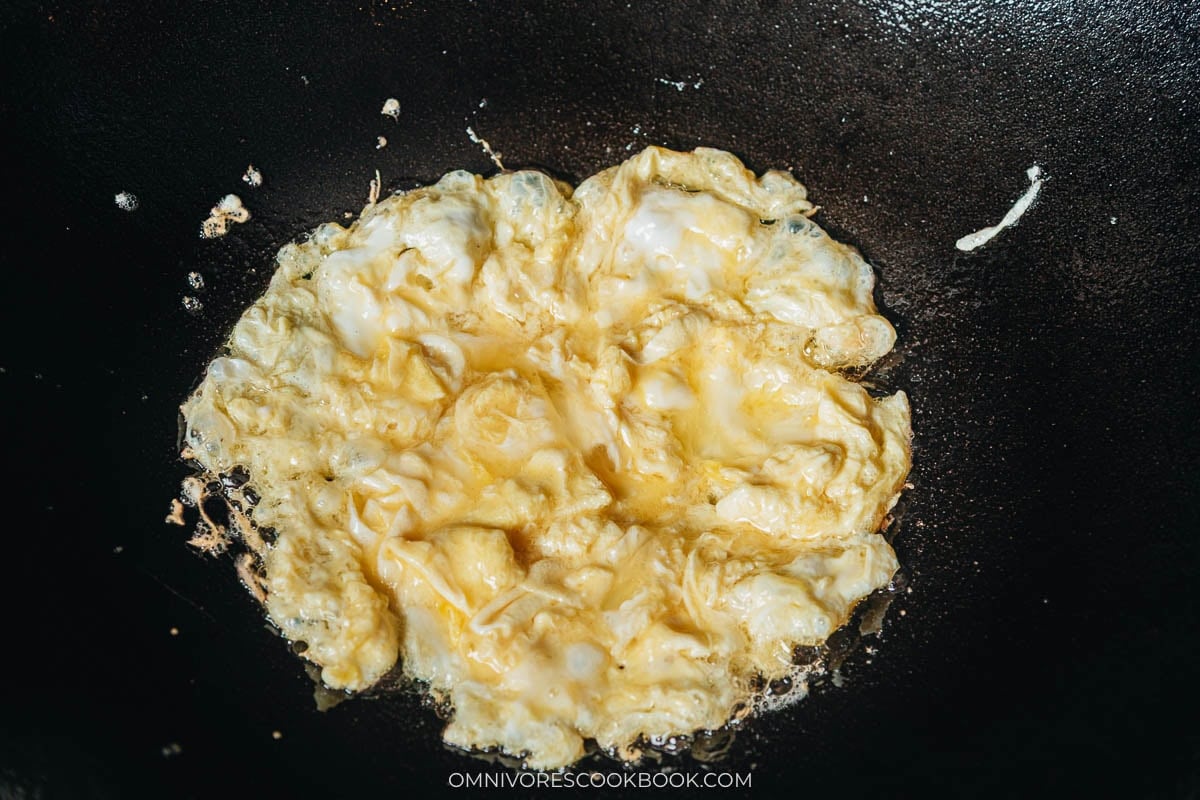
- Proteins: Finely sliced pork tenderloin, marinated briefly in a mixture of Shaoxing wine, salt, white pepper, and cornstarch. This technique, known in Chinese culinary science as velveting, seals in moisture and ensures the lean meat remains tender despite exposure to extreme wok temperatures. Whole beaten eggs are also incorporated, typically cooked quickly and set aside before being reintroduced at the final stage of cooking.
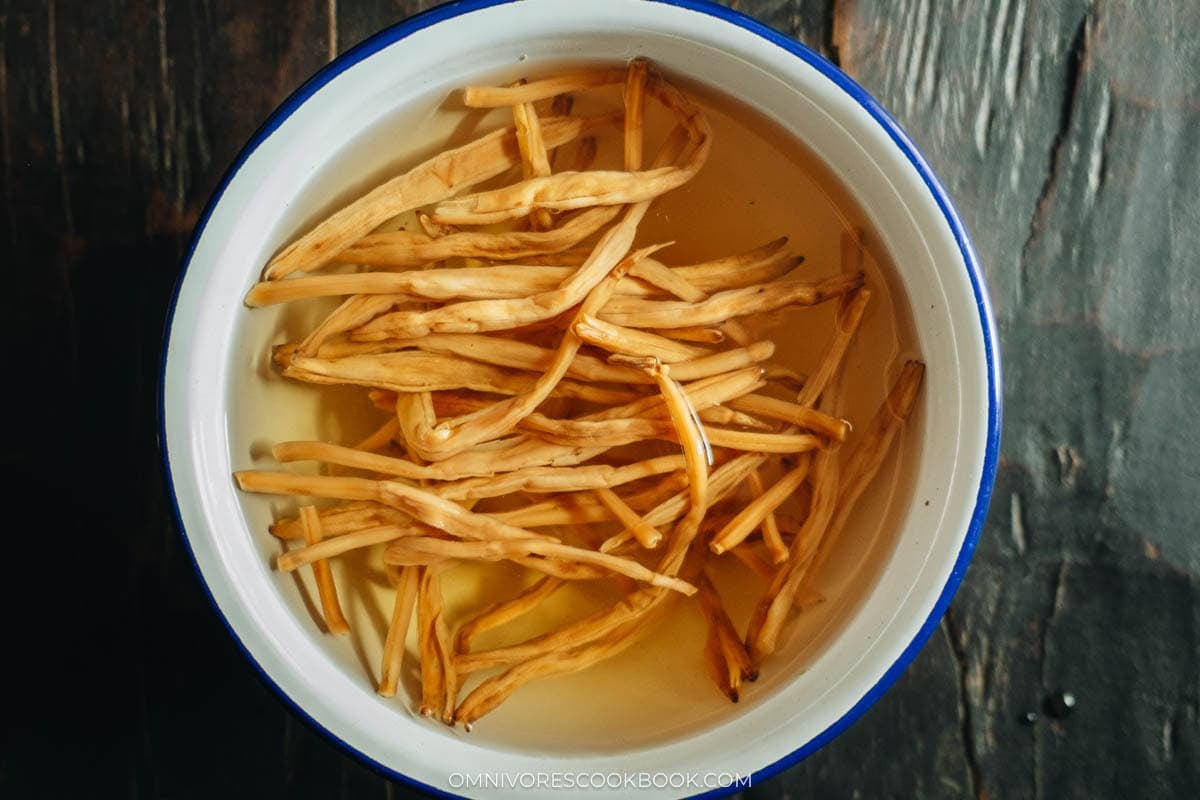
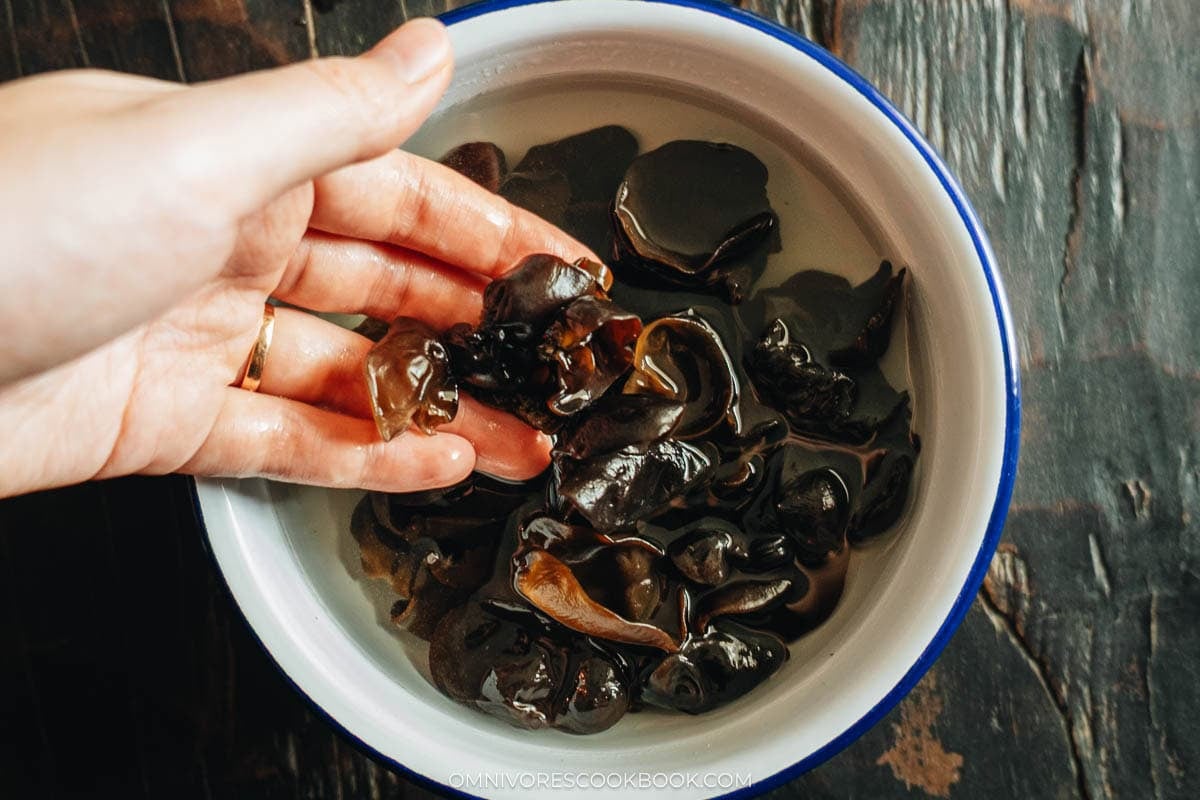
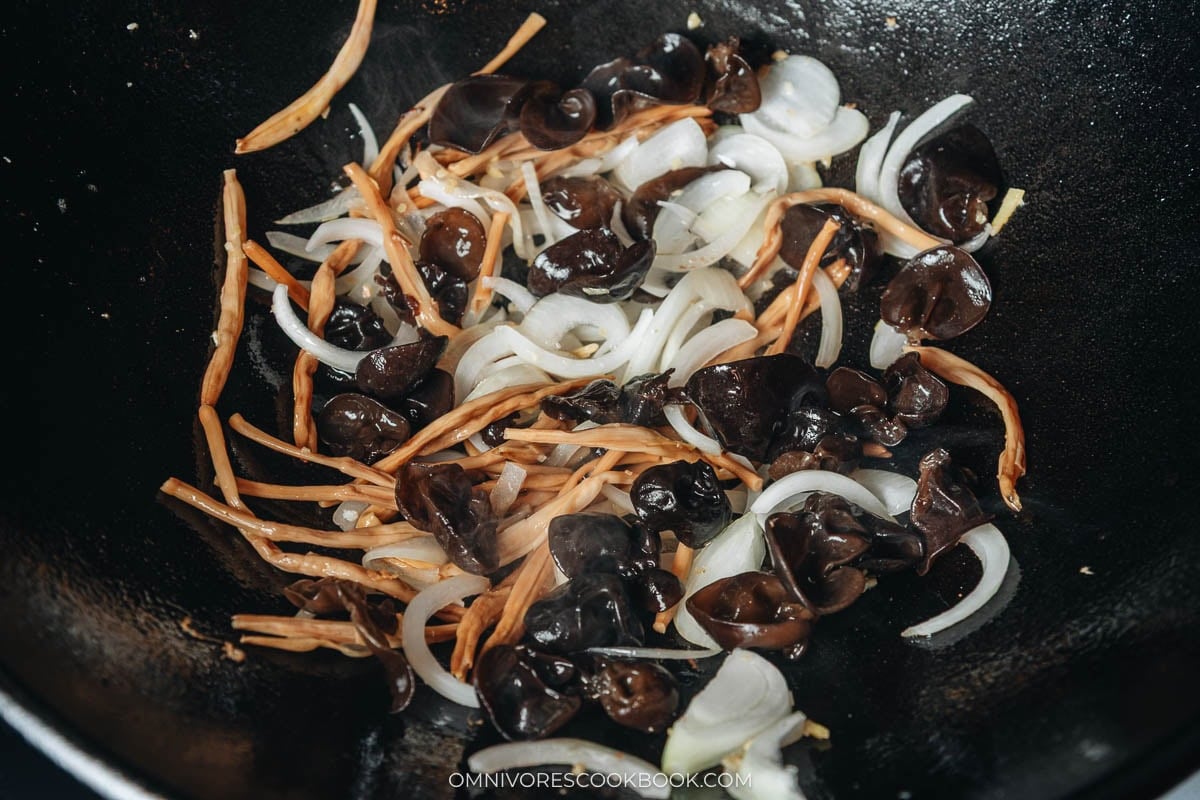
- Dried Forest Goods: Wood ear mushrooms and dried lily flowers are foundational to the northern variant. Rehydrated in warm water, wood ear mushrooms impart a distinct, pleasant crunch, while dried lily flowers contribute an earthy flavor profile and a chewy texture.
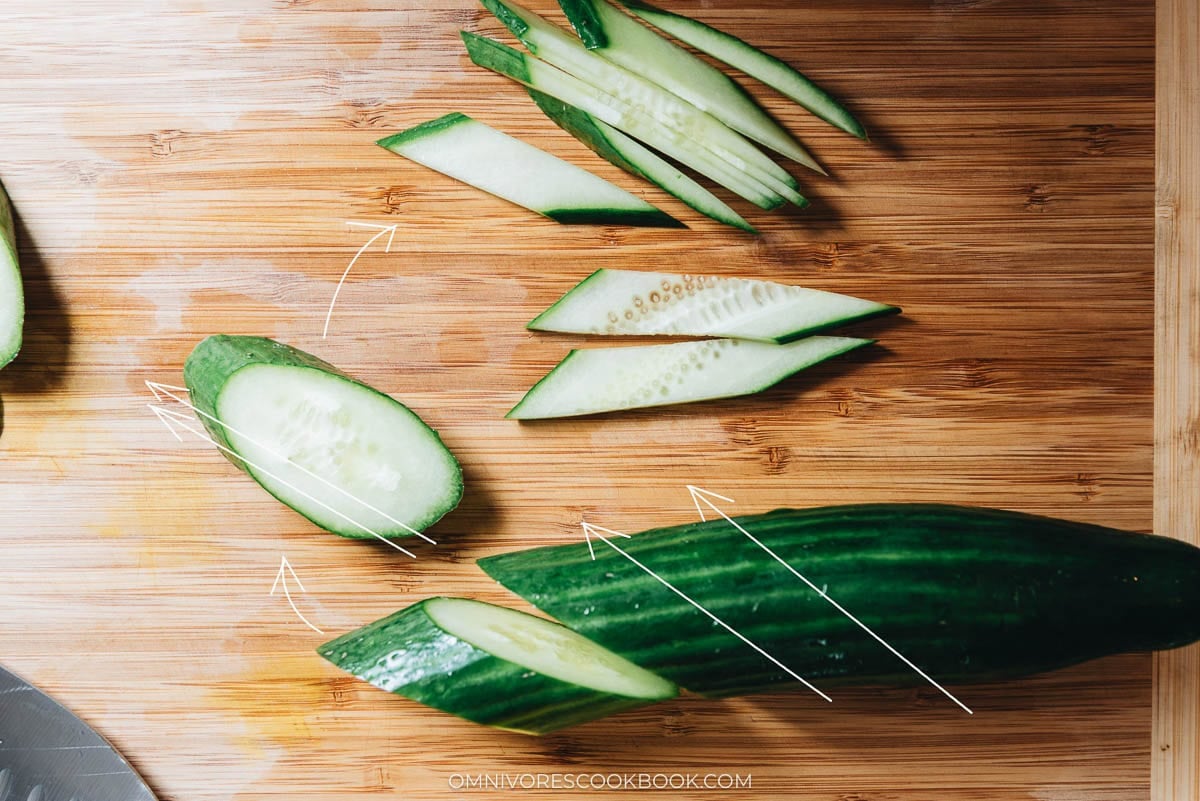
- Aromatics and Fresh Vegetables: Sliced onions or scallions, minced ginger, and fresh English cucumbers. The inclusion of cucumber, cut into characteristic diamond shapes on a bias, provides a refreshing, crisp contrast. English cucumbers are specifically preferred for their low seed count and firm flesh, preventing the dish from becoming watery during the rapid stir-fry process.
Chronological Execution in the Kitchen
The preparation of authentic Moo Shu Pork is defined by speed, requiring the cook to move swiftly once the cooking vessel reaches optimal temperature. The process follows a strict chronological sequence:
- Rehydration: Dried wood ear mushrooms and lily flowers are submerged in warm water for 20 to 30 minutes until fully softened, followed by thorough rinsing and trimming to eliminate grit and tough stems.
- Marinade: Pork tenderloin is sliced thinly against the grain to shorten muscle fibers, then hand-mixed with seasonings and cornstarch to create a protective coating, resting for up to 15 minutes.
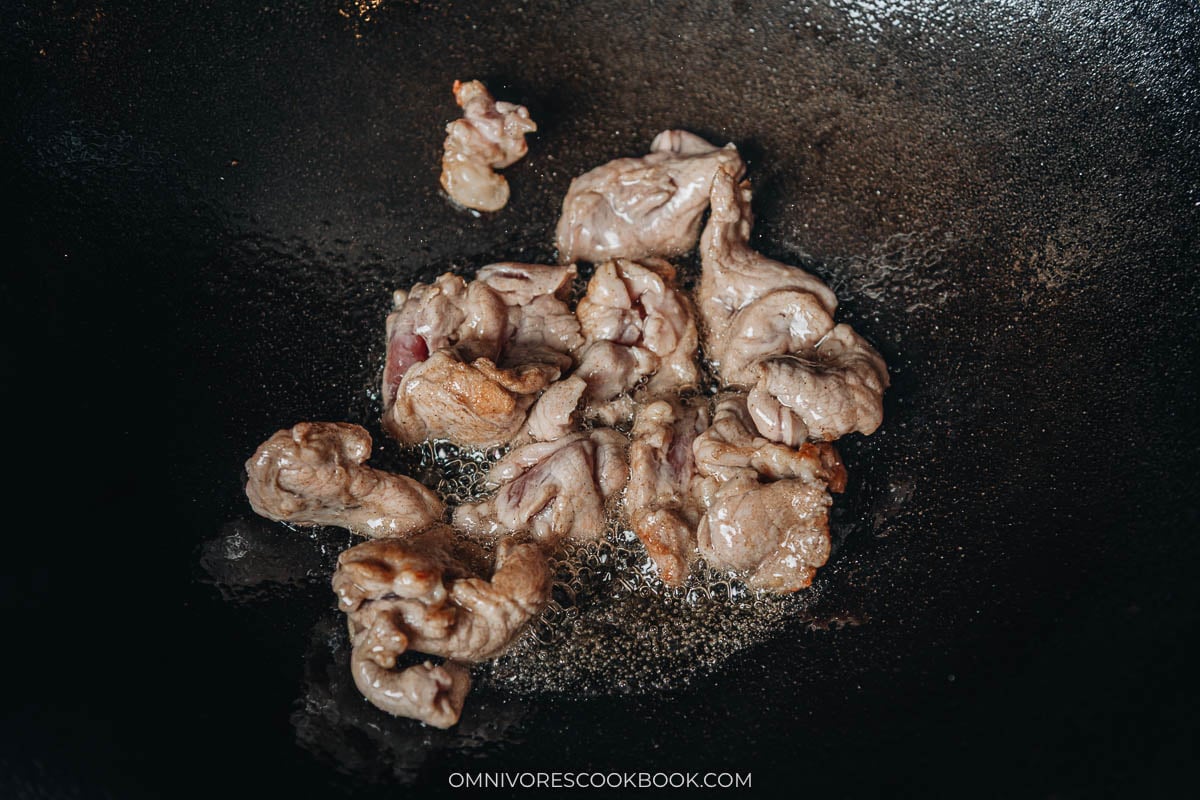
- Wok Searing: A seasoned wok is heated over high flame until smoking. Pork is seared rapidly in a single layer to develop color while keeping the interior partially cooked, then transferred to a plate. Eggs are similarly scrambled quickly and reserved.
- Aromatics and Sauce Reduction: Aromatics and rehydrated vegetables are tossed in the hot wok, followed by a liquid blend of chicken stock, soy sauce, vinegar, and sesame oil, which reduces rapidly into a light glaze.
- Final Integration: The reserved pork, eggs, and freshly sliced cucumber are returned to the wok for a final, brief toss before immediate service over steamed rice.
Culinary Analysis and Broader Implications
The persistent divergence between authentic regional Chinese dishes and their overseas adaptations offers insight into the adaptation of immigrant cuisine. As global palate awareness shifts toward regional authenticity rather than generalized "Asian" cuisine, home cooks and culinary historians alike have sought to document and revive traditional recipes.
The emphasis on technique over heavy flavoring in dishes like traditional Moo Shu Pork demonstrates foundational principles of Chinese home cooking: resourcefulness, chemical tenderization through starch marination, and precise timing to preserve nutritional value and texture. By moving away from heavy commercial sauces and returning to the minimalist seasoning of Beijing households, contemporary food culture continues to bridge the gap between diaspora adaptations and their historical roots.