The foundation of Colombian gastronomy is deeply rooted in the agricultural diversity of the Andean, Caribbean, and Pacific regions, where side dishes serve not merely as accompaniments but as essential structural elements of the national diet. In most Colombian households and traditional restaurants, the composition of a meal is dictated by a balance of carbohydrates, starches, and fresh produce, reflecting centuries of indigenous, Spanish, and African culinary synthesis. While the primary proteins—often grilled beef, pork, or fish—draw significant attention, the cultural identity of Colombian cuisine is most accurately measured by its diverse range of side dishes.

The Nutritional and Cultural Context of Colombian Staples
The ubiquity of plantains, rice, and tubers in Colombia is a result of the country’s unique geography. With three ranges of the Andes mountains and extensive coastal lowlands, the nation produces a vast array of crops. Nutritional data from the Colombian Ministry of Agriculture indicates that starchy staples provide the primary caloric intake for a significant portion of the population. These side dishes are not supplemental; they are functional, designed to pair with the heavy, savory profiles of regional soups and meat-centric main courses.
Historical Evolution of the Colombian Table
The evolution of these side dishes follows a clear chronology tied to the colonial period and the subsequent integration of global agricultural products. The introduction of rice by Spanish settlers in the 16th century, combined with the indigenous cultivation of various potato varieties and the proliferation of plantains—an African crop introduced via trade routes—formed the "trinity" of the Colombian starch profile.

By the mid-20th century, these staples became standardized in urban dining culture. The 1950s and 1960s saw a rise in the "corriente" lunch—a standardized, affordable meal consisting of soup, a protein, rice, a starch (often plantain or yuca), and a salad. This format remains the benchmark for daily dining in Colombia today.
The Taxonomy of Essential Side Dishes
1. The Versatile Plantain: Tajadas and Patacones
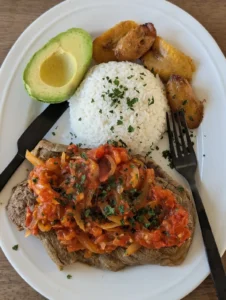
Plantains occupy a central role in the Colombian diet, differentiated by their ripeness. Tajadas de Plátano Maduro consist of mature, yellow plantains sliced and fried until caramelized. The Maillard reaction during the frying process creates a natural sweetness that balances savory proteins. Conversely, Patacones (or Tostones) are derived from green, unripe plantains. These are sliced, fried once to soften, flattened with a press, and fried a second time to achieve a crisp, neutral base often topped with hogao (a tomato and onion sauce) or salt.

2. The Caribbean Influence: Arroz con Coco
The coastal regions of Colombia, particularly the Bolivar and Atlántico departments, exhibit a distinct culinary profile heavily influenced by Afro-Caribbean traditions. Arroz con Coco Titote is a hallmark of this region. It involves extracting coconut milk and reducing it until the solids—the "titote"—begin to caramelize, creating a dark, nutty base for the rice. This dish is frequently served alongside fried fish, providing a necessary contrast to the salinity of the seafood.
3. The Andean Influence: Papas Chorreadas and Salada
In the high-altitude Andean zones, where the climate is conducive to potato cultivation, the Papa is king. Papas Chorreadas represent a sophisticated application of the tuber, involving boiled red potatoes smothered in a rich sauce of heavy cream, cheese, scallions, and tomatoes. This dish reflects the influence of the Altiplano Cundiboyacense, where dairy-heavy, calorie-dense foods are preferred for the cooler climate. In contrast, the Papa Salada—boiled in highly salted water until the skins shrink and turn white—serves as a minimalist, essential pairing for grilled meats at asados.

4. Roots and Vegetables: Yuca Frita and Fresh Salads
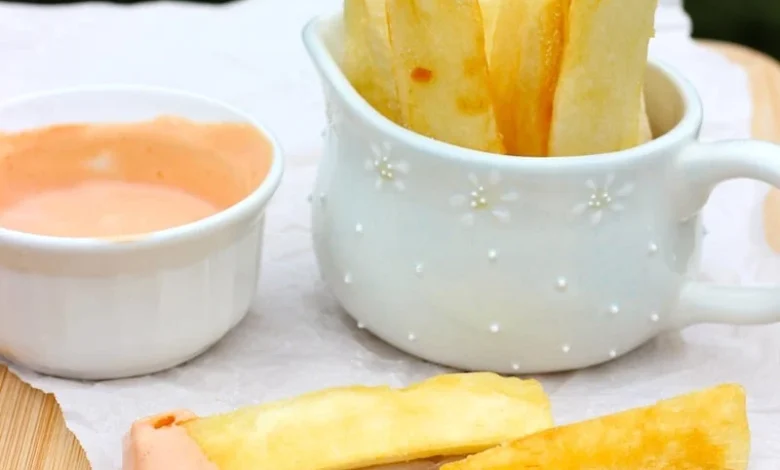
Yuca Frita (fried cassava) offers a denser, starchier alternative to the potato. It is a staple of traditional Antioquian and coastal diets. When prepared correctly, the exterior is glass-like and crunchy, while the interior remains fluffy. To offset the heavy starch profiles of these meals, the Ensalada de Tomate y Aguacate and the Ensalada Rusa are frequently utilized. The former relies on the abundance of the Hass avocado in Colombia, while the latter, an adaptation of the European Olivier salad, demonstrates the cross-cultural exchange that occurred in urban centers during the 20th century.
Economic and Sociological Implications
The reliance on these specific side dishes has profound economic implications. Because many of these ingredients—potatoes, plantains, and yuca—are grown domestically, the cost of a traditional meal remains relatively insulated from global commodity price volatility. Small-scale farmers provide the bulk of these staples, and the labor-intensive nature of their preparation—such as the double-frying of patacones or the careful reduction of coconut milk—supports a vast network of local food businesses.

From a sociological perspective, the consistency of these side dishes acts as a unifying factor. Despite the regional diversity of Colombia, where a person from the coast might eat entirely differently than someone from the mountains, the presence of rice and plantains in some form is a shared national experience.
Analysis of Modern Culinary Trends
Contemporary chefs in Bogotá, Medellín, and Cartagena are currently undergoing a process of "re-valuing" these side dishes. While previously viewed as standard, filler items, they are now being elevated in high-end dining. For instance, the use of ancient potato varieties in Papas Chorreadas or the incorporation of indigenous spices into Arroz con Coco signifies a move toward gastronomic tourism.

However, nutritionists have raised concerns regarding the health profile of these staples. With a high dependency on fried carbohydrates, some health agencies in Colombia have begun advocating for a shift toward more steamed or baked versions of these traditional sides. Despite these recommendations, the cultural inertia of traditional frying methods remains strong, as these techniques are intrinsically linked to the identity and sensory experience of the food.
Conclusion
The ten side dishes discussed—Tajadas, Patacones, Arroz con Coco, Arroz Blanco, Yuca Frita, Papas Chorreadas, Papa Salada, Ensalada Rusa, Plátanos Asados, and Ensalada de Tomate y Aguacate—are the architecture of the Colombian meal. They provide the texture, flavor, and cultural continuity required to sustain the country’s diverse population. As culinary trends shift toward global fusion and health-conscious alternatives, these foundational elements remain the true markers of a traditional Colombian table, proving that the simplest ingredients, when treated with cultural reverence, form the bedrock of a nation’s culinary heritage. Whether in a bustling urban restaurant or a family home, these dishes continue to be the essential link between the past and the present of Colombian gastronomy.