Mastering Sichuan Dry Fried Green Beans: A Culinary Exploration of Gan Bian Si Ji Dou

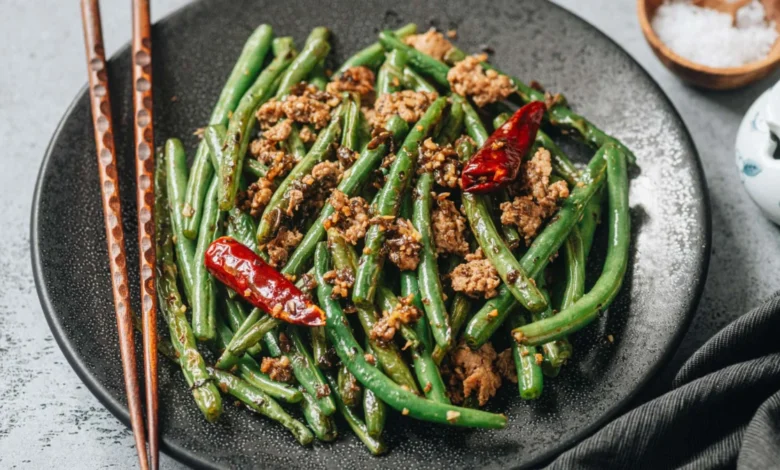
Sichuan cuisine, renowned globally for its complex flavor profiles and the signature numbing sensation of mala, continues to captivate international palates through dishes that elevate humble vegetables to gastronomic centerpieces. Among these, Sichuan Dry Fried Green Beans—traditionally known as Gan Bian Si Ji Dou—stands out as a masterclass in texture and technique. While fine-dining establishments and neighborhood eateries alike have long relied on commercial deep-fryers to achieve the dish’s characteristic blistered exterior, home cooks are increasingly adopting refined, oil-conscious methodologies that preserve both authenticity and structural integrity.
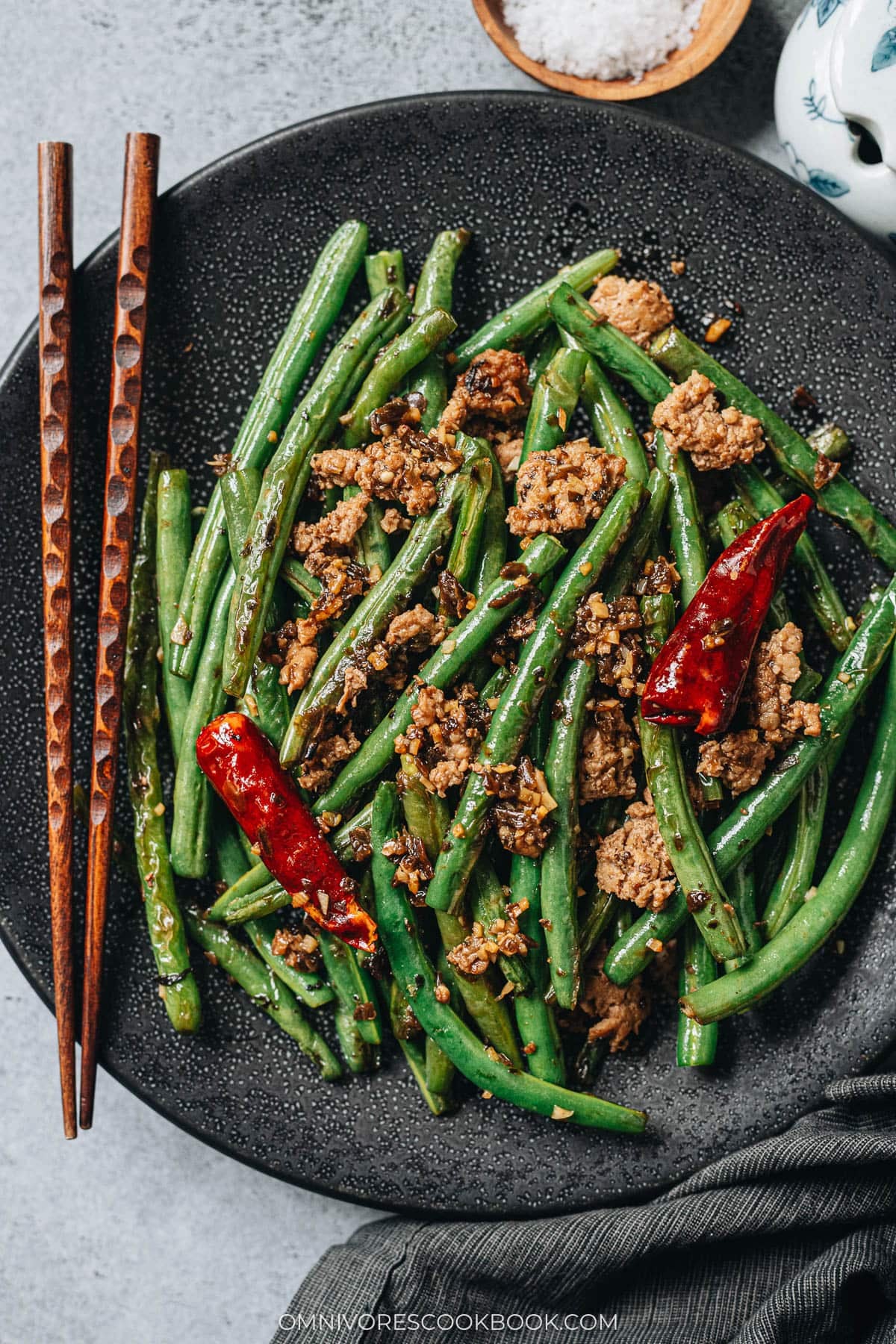
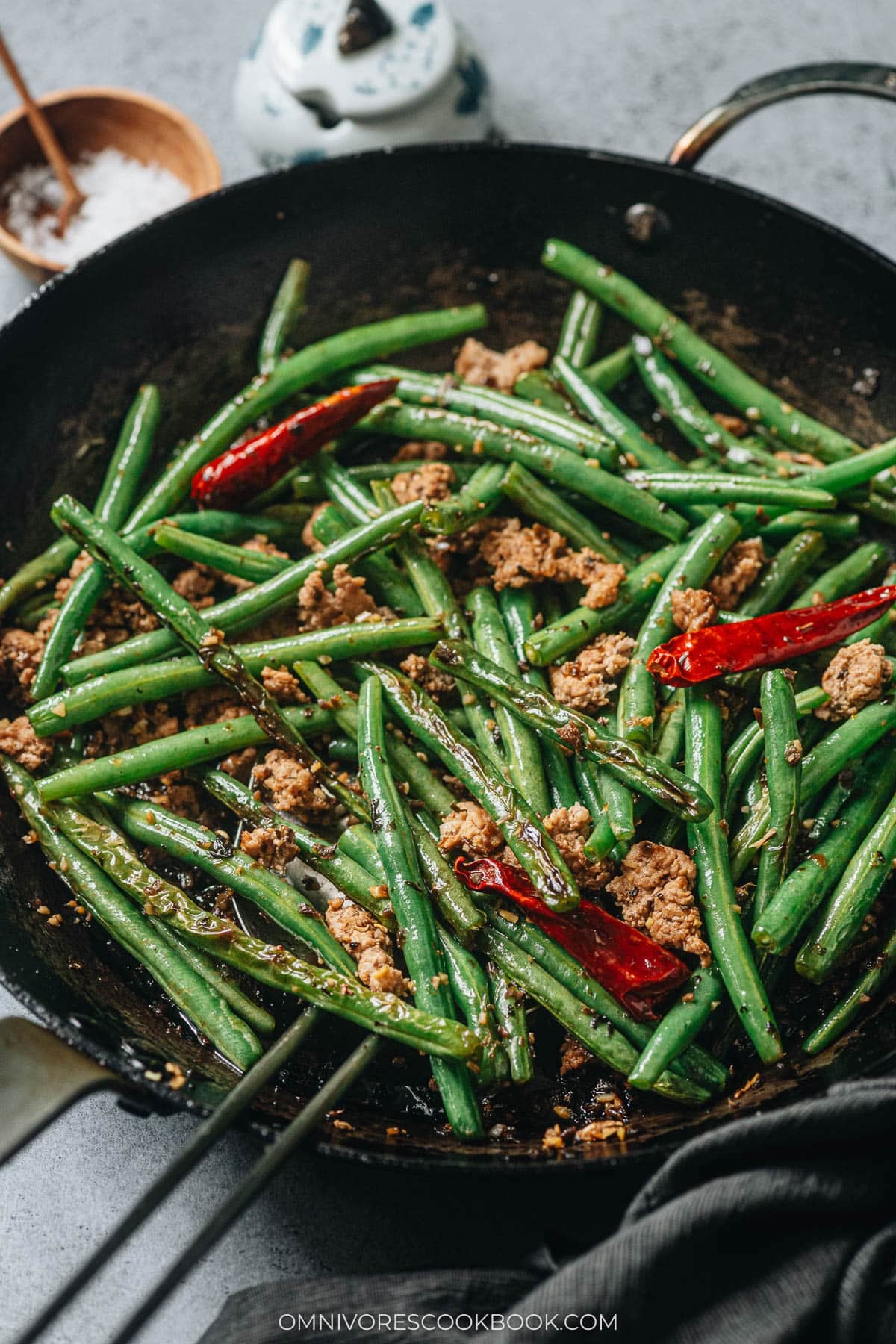
The culinary significance of Gan Bian Si Ji Dou lies not merely in its ingredients, but in the specific application of gan bian (干煸), a traditional Chinese dry-frying technique. This method, occupying a middle ground between pan-searing and deep-frying, utilizes minimal oil and extended cooking times to intentionally dehydrate vegetables or meats. The result is a charred, wrinkled surface that readily absorbs subsequent aromatics and sauces without requiring heavy, liquid-based gravies. Food historians note that this technique evolved as an efficient way to concentrate flavors in seasonal produce, transforming fresh market vegetables into deeply savory, shelf-stable preparations suited for preservation and transport before refrigeration became ubiquitous.
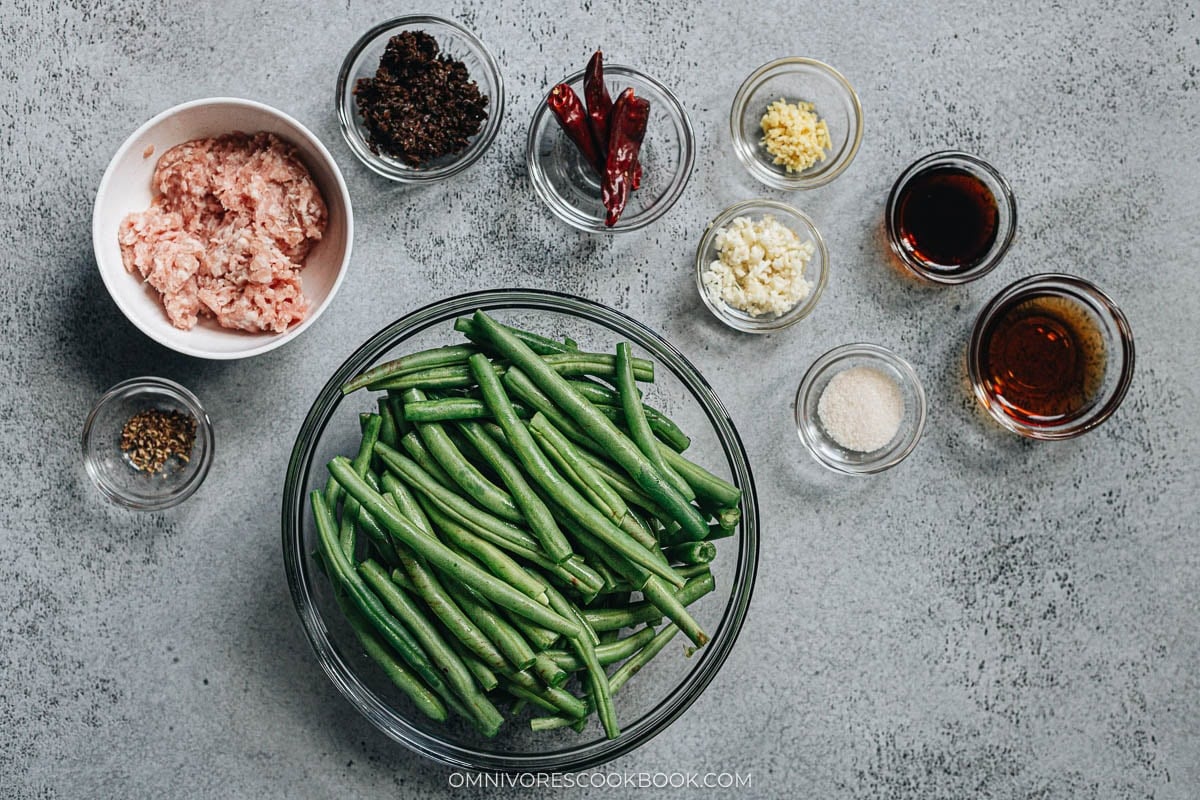
Central to the dish’s authentic restaurant-style profile is Sui Mi Ya Cai (碎米芽菜), a specialized variety of fermented pickled mustard greens originating from Yibin in China’s Sichuan province. The production of Sui Mi Ya Cai is a labor-intensive craft involving hand-harvesting, slicing, air-drying, and a rigorous multi-stage fermentation process that spans several months. The greens are initially packed in ceramic pots with salt for up to half a year, subsequently boiled with brown sugar, dried again, and finally resealed with star anise and Sichuan peppercorns. This meticulous aging process imparts a concentrated umami depth and subtle sweetness that defines regional Sichuan gastronomy. Culinary experts emphasize that while alternative ingredients—such as finely minced shiitake mushrooms or fermented black beans—can substitute for Sui Mi Ya Cai in vegetarian adaptations, the preserved mustard green remains the undisputed benchmark for authenticity.
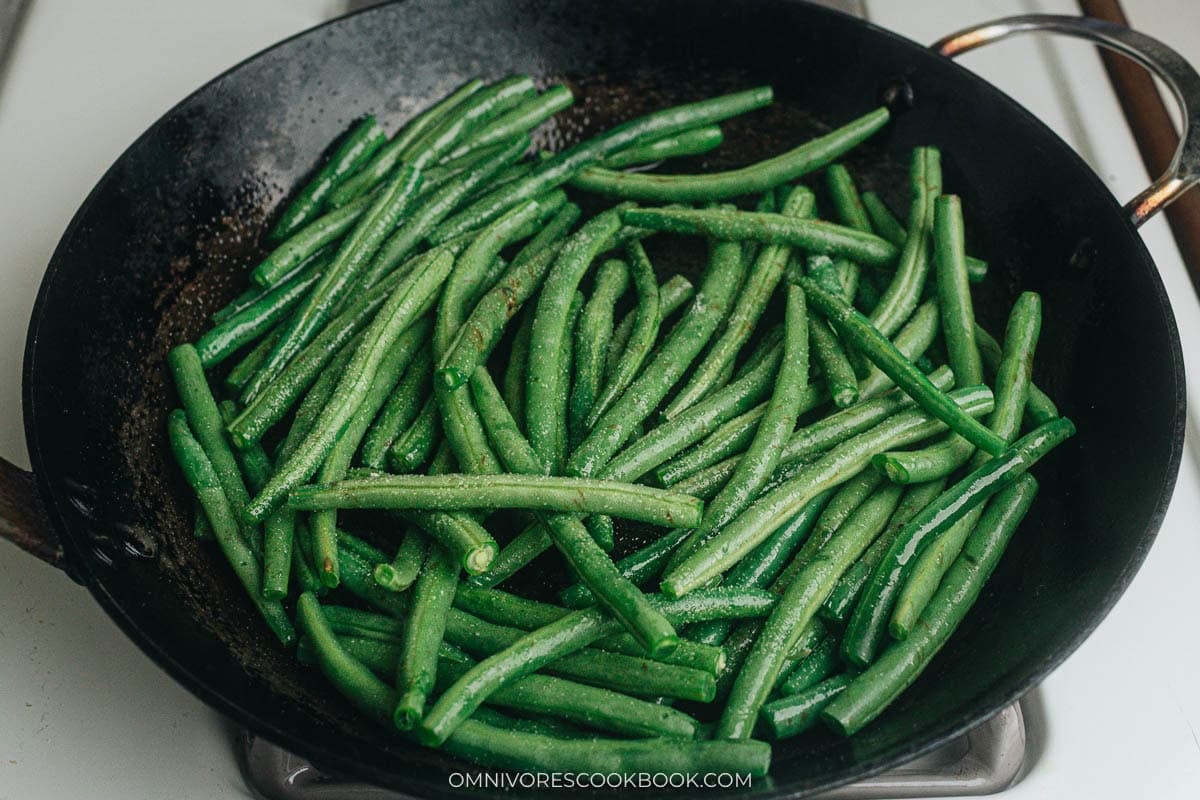
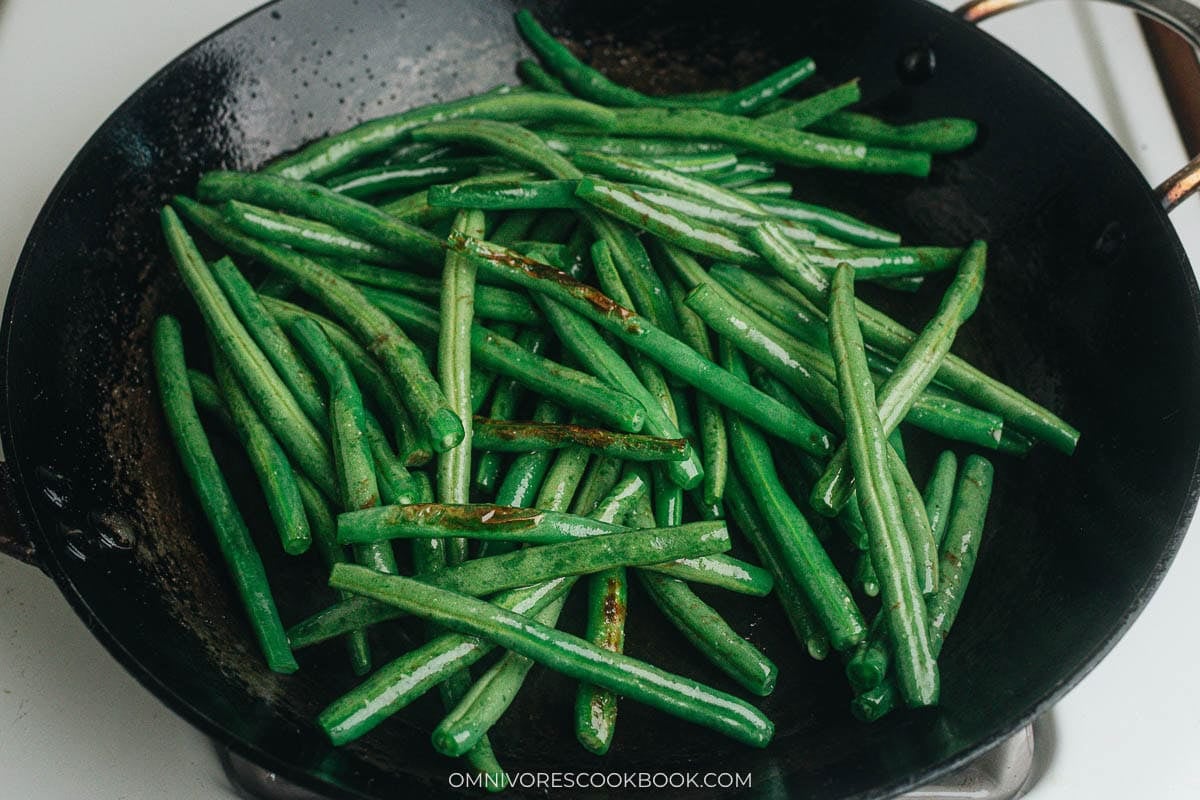
The preparation timeline for home-cooked dry-fried green beans typically requires approximately 30 minutes from start to finish, making it a viable weeknight meal component as well as an intricate side dish for festive gatherings. The process begins with the careful selection of slender, firm green beans, free of bulging seeds, which are patted thoroughly dry to prevent hazardous oil splattering. In a preheated nonstick skillet with a modest amount of neutral oil, the beans are arranged in a single layer and subjected to medium-high heat. Rather than relying on a strict clock, successful execution depends on visual cues: cooks monitor the beans for 6 to 8 minutes until light brown, withered patches appear for a crisp-snap texture, or extend the duration to 10 to 12 minutes for a softer bite.
Once the desired char is achieved, the beans are temporarily set aside while the aromatic foundation is built in the same pan. Ground pork—valued for its savory depth, though easily substituted with minced poultry or omitted entirely for plant-based diets—is sautéed alongside the Sui Mi Ya Cai and ground Sichuan peppercorns. Aromatics including freshly minced ginger, garlic, and whole or broken dried chili peppers are subsequently introduced for a brief window to release their volatile compounds without burning. The charred green beans are then reunited with the pork and spices, deglazed with Shaoxing rice wine, and tossed with light soy sauce and a pinch of sugar until the liquid is fully absorbed.
Culinary analysts and nutritionists observing current home-cooking trends point to dishes like Gan Bian Si Ji Dou as indicative of a broader consumer shift toward vegetable-forward dining that does not sacrifice bold flavors. By utilizing high-heat cooking methods that caramelize natural sugars and concentrate flavors, home kitchens can replicate restaurant-quality experiences without excessive sodium or heavy fats. Furthermore, the adaptability of the recipe—seamlessly transitioning from a traditional meat-based side to a vegan-friendly preparation through simple substitutions—ensures its enduring relevance in contemporary multicultural meal planning, bridging the gap between historical heritage cooking and modern dietary preferences.