When Culinary Tradition Meets Employment Law: The Global Debate Sparked by an Australian Restaurant Dismissal

The intersection of culinary purism and workplace expectations gained international attention following a legal dispute in Australia involving an Italian chef who refused to prepare Hawaiian pizza, citing cultural offense. The case, adjudicated by Australia’s Fair Work Commission, brings to light broader tensions surrounding culinary authenticity, globalized comfort food, and the evolving boundaries of traditional recipes across international markets.
Main Facts of the Dismissal Case
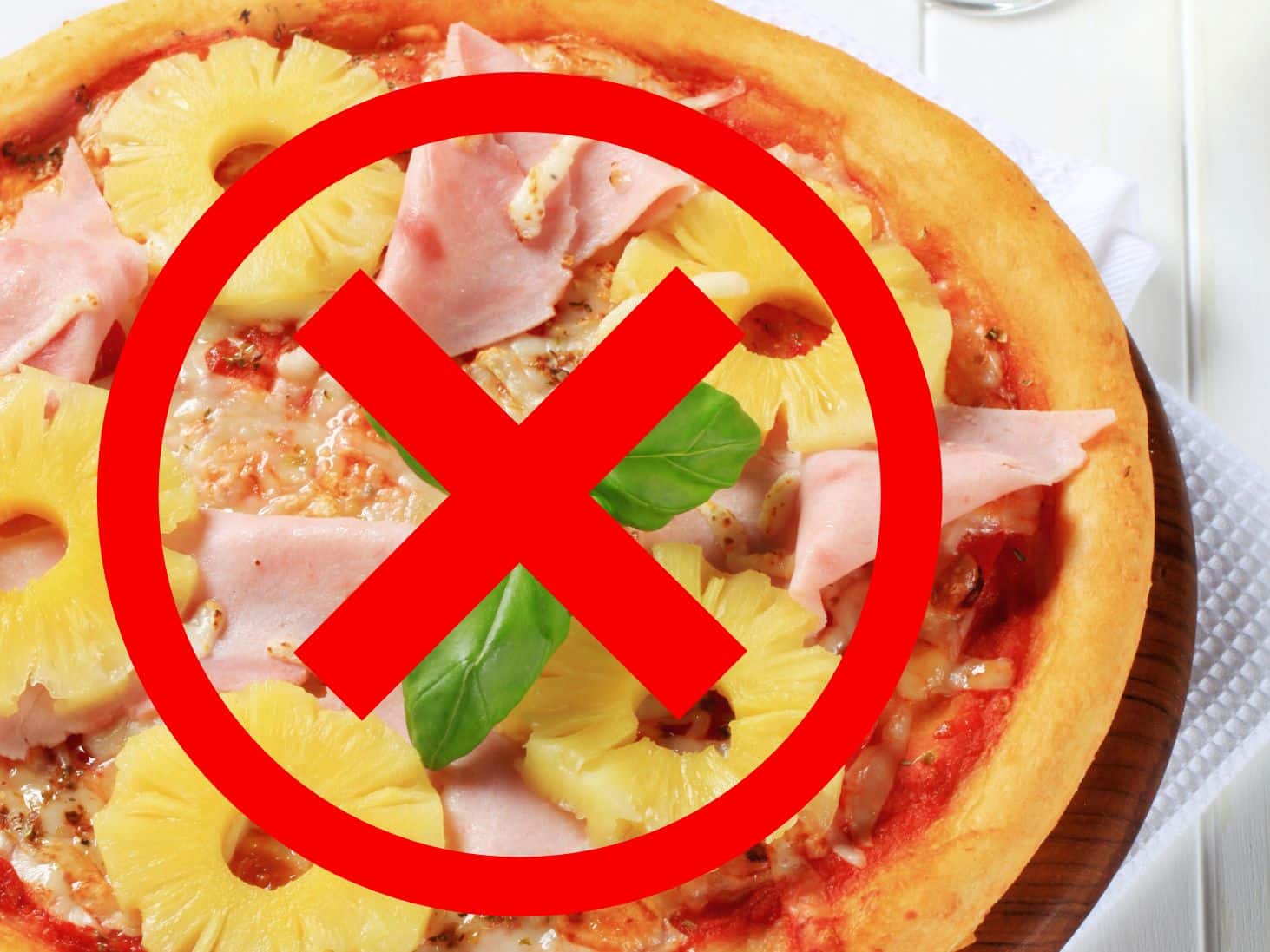
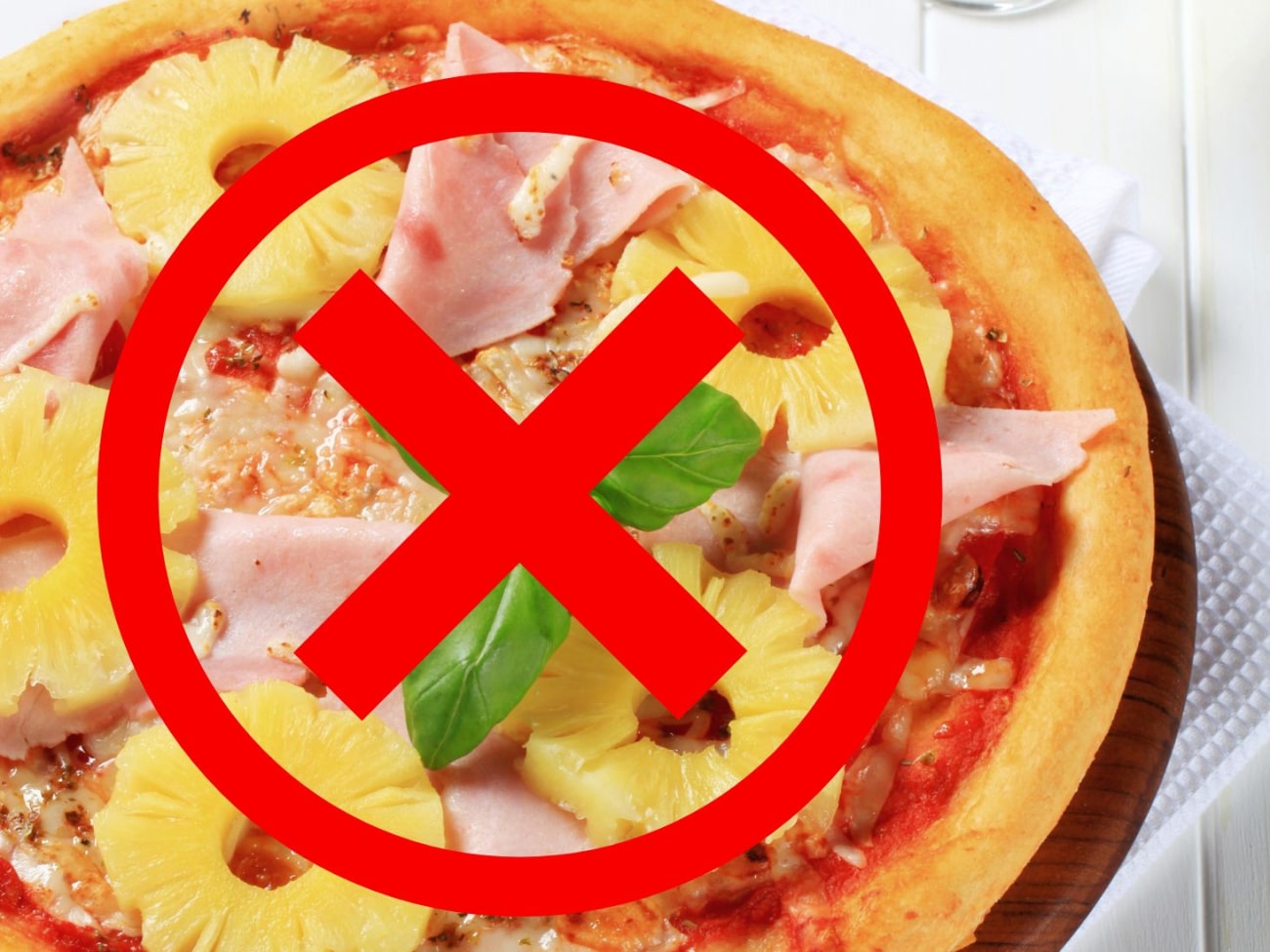
The dispute centers on Davide Tamburella, an Italian-born chef formerly employed at La Costa, a restaurant in Brisbane, Australia. In May 2026, Tamburella was terminated from his position after declining to add ham and pineapple to pizzas ordered for a private function. According to records submitted to the Fair Work Commission, this incident marked the third time in four years that the chef had explicitly refused to prepare the controversial topping combination, which he viewed as a direct affront to Italian culinary heritage.
While the refusal to top pizzas with pineapple became a central talking point in media coverage, restaurant management maintained that the termination was multifactorial. Owner Elliot Ingram noted that the disagreement over pizza ingredients compounded existing grievances regarding workplace conduct and communication.
Legal Chronology and Administrative Outcomes
The timeline of the dispute progressed through standard labor review channels before reaching a formal conclusion in late 2026:
- May 2026: Davide Tamburella is dismissed from his position at La Costa restaurant in Brisbane.
- Mid-2026: Tamburella files a wrongful dismissal claim with Australia’s Fair Work Commission, citing cultural objections and unfair termination practices.
- November 3, 2026: The Fair Work Commission issues its formal decision, rejecting Tamburella’s application primarily on procedural grounds because the filing was submitted past the statutory deadline.
Because the dismissal application was dismissed due to procedural delays, the commission did not issue a definitive ruling on whether a chef’s cultural objection to specific ingredients constitutes a valid legal ground for termination. Nonetheless, the case ignited a worldwide discussion regarding the elasticity of culinary traditions.
Global Variations: Pushing Beyond Pineapple
While pineapple remains a frequent lightning rod for culinary debate, international pizza menus feature numerous toppings that deviate significantly from traditional Italian standards. These variations demonstrate how local cultures adapt the Italian export to suit regional palates.
Sweden: Curry, Banana, and Béarnaise
Swedish pizzerias are particularly notable for combining disparate ingredients. At Varbergs Pizzeria, located south of Gothenburg, the Africana pizza features a combination of ham, pineapple, banana, and curry powder. Market data indicates that these flavors are far from fringe novelties. A 2026 survey of Swedish adults revealed that 27 percent favor banana as a pizza topping, while 53 percent accept or enjoy pineapple. Additionally, among demographics aged 18 to 29, half express a preference for French fries on pizza, and one-third regularly dip their crusts in béarnaise sauce.

Japan: Potato, Corn, and Double Mayonnaise
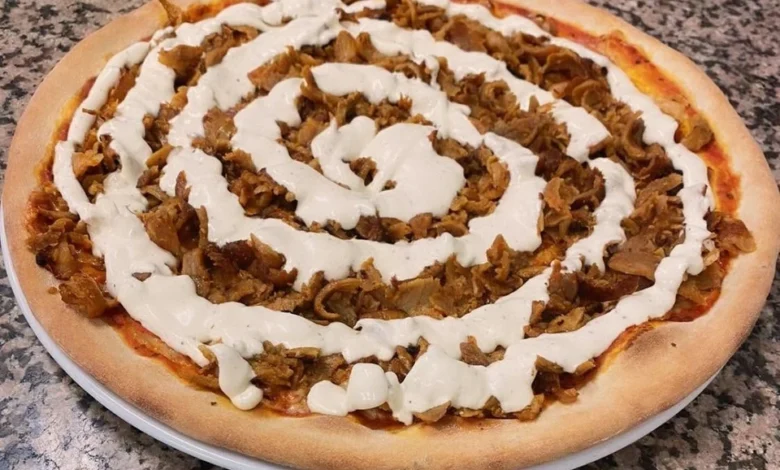
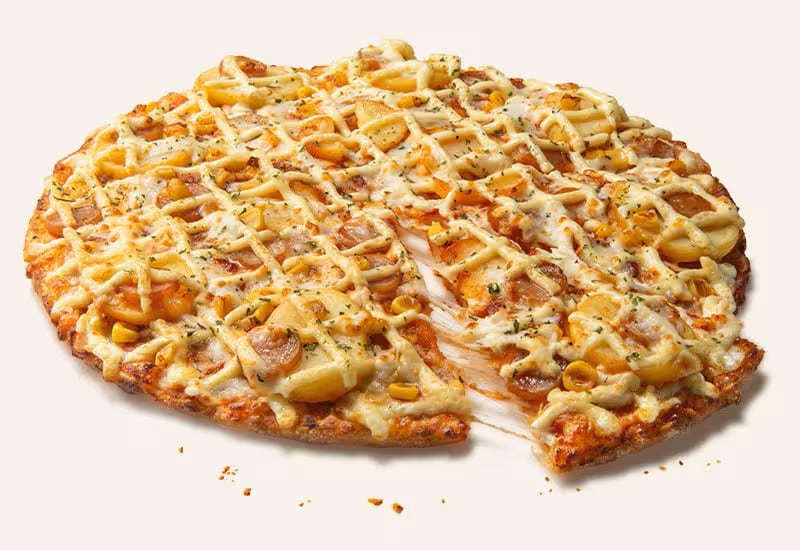
In Japan, major international and domestic chains adapt recipes to align with local comfort-food preferences. Domino’s Japan features the Mayo Jaga, a pizza topped with sliced potatoes, pork sausage, corn, tomato sauce, and a double serving of mayonnaise. In published consumer popularity rankings for 2024, the Mayo Jaga secured seventh place, confirming its widespread commercial success despite its divergence from classic Neapolitan formulas.
Brazil and the United States: Complete Meals on a Crust
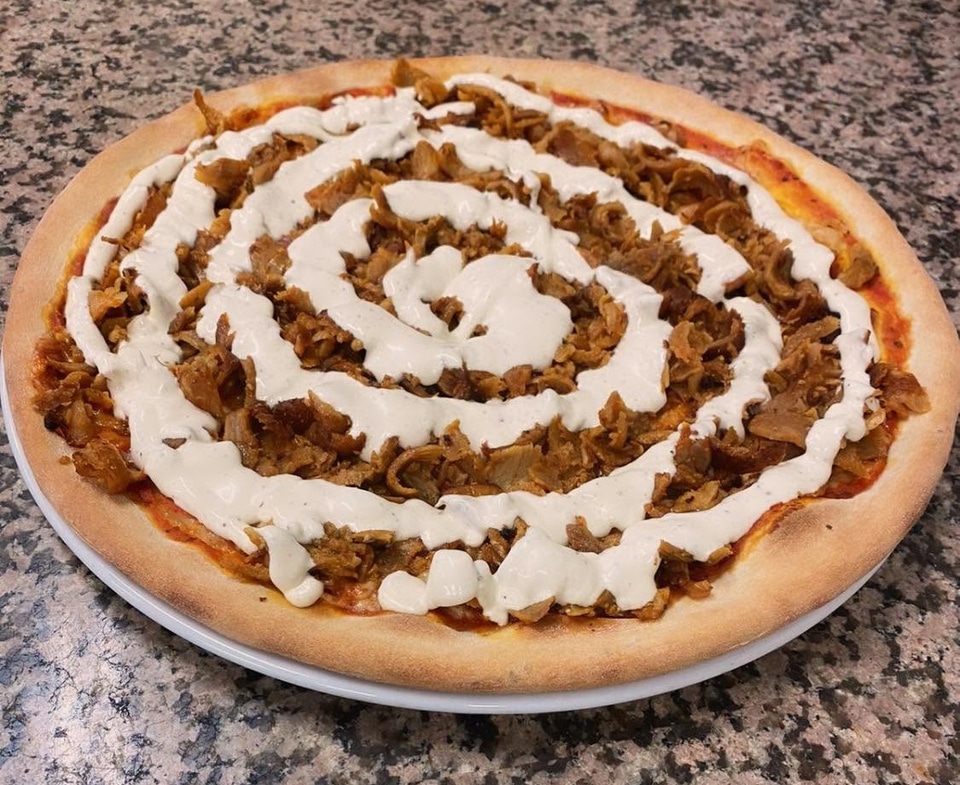
In Brazil, restaurants such as Caleche offer beef stroganoff pizza, combining tomato sauce, mozzarella, beef stroganoff, batata palha (crisp potato sticks), and olives, effectively integrating an entire hot dinner onto a baked dough base. Meanwhile, in the United States, variations such as barbecue chicken pizza—featuring smoked Gouda, barbecue sauce, red onions, and cilantro—and taco pizzas—topped with refried beans, seasoned beef, lettuce, and taco chips—represent well-established culinary categories that prioritize textural and flavor contrast over adherence to Mediterranean norms.
Internal Italian Paradoxes and Regional Surprises
Public perception often assumes that Italy maintains a uniform, unyielding stance against culinary experimentation. However, domestic Italian dining culture exhibits its own localized exceptions and evolving trends.
Within Italy, variations such as the pizza Americana—featuring French fries and sliced hot dogs—frequently appear on menus and remain popular among children. Furthermore, in the coastal city of Pesaro, the traditional pizza Rossini features hard-boiled eggs and mayonnaise. The local tourism office actively promotes the dish, which is celebrated during dedicated regional festivals.
High-profile Italian chefs have also begun reevaluating historically taboo ingredients. In early 2024, prominent Neapolitan pizza maker Gino Sorbillo introduced a gourmet version of pineapple pizza, utilizing pre-roasted pineapple, smoked provola, basil, and alternative cheeses on a tomato-free base. Sorbillo argued that ingredients should be evaluated based on technique and flavor pairing rather than categorical rejection. Data from a 2024 YouGov survey reflected this internal nuance, indicating that while 54 percent of Italian respondents had never tasted Hawaiian pizza and declined to try it, 31 percent either had experienced it or expressed willingness to order it.
Analysis of Implications for the Hospitality Industry
The La Costa dismissal case and the broader discourse surrounding global pizza variations highlight ongoing tensions within the modern hospitality industry. As culinary traditions globalize, chefs, restaurateurs, and diners frequently negotiate the line between authentic heritage and commercial adaptation.
From an operational perspective, kitchen staff and management must navigate alignment on menu execution and brand identity. While culinary professionals often maintain deep personal convictions regarding the integrity of their craft, commercial kitchens must balance these artistic principles with consumer demand, menu diversity, and operational policies.
Ultimately, the debate sparked by the Brisbane dismissal illustrates that while recipes possess historical roots, food culture remains dynamic, continually reshaped by cross-cultural exchange and regional adaptation.