As the United States approaches the late November holiday season, a growing segment of home cooks and hosts are reporting a marked shift in traditional culinary expectations. While Thanksgiving has historically been defined by the roasting of whole turkeys, heavy side dishes, and long-standing cultural rituals, recent consumer data and social commentary suggest a burgeoning trend toward "Thanksgiving rebellion"—a movement characterized by the abandonment of traditional menus in favor of more contemporary, manageable, and personalized dining experiences.
The Evolution of the Thanksgiving Menu
The traditional Thanksgiving dinner—centered on a large turkey, stuffing, mashed potatoes, and cranberry sauce—is rooted in mid-20th-century domestic norms that prioritized labor-intensive preparation and large-scale gatherings. However, demographic shifts and changes in household sizes have prompted a re-evaluation of these standards. Culinary professionals are noting that many hosts are increasingly opting for "centerpiece proteins" that require less oven time and offer more consistent results than the standard 15-to-20-pound bird.
Alternative options gaining traction in 2026 include braised beef short ribs, which allow for advanced preparation, and high-heat roasted chicken dishes, which offer a faster, more efficient alternative to the traditional turkey. The appeal of these dishes lies in their ability to be scaled easily for groups of 20 to 30 people without the logistical burden of handling a large carcass or managing multiple oven temperatures for several hours. This pivot reflects a broader culinary trend toward quality over tradition, where the pressure to perform a specific cultural ritual is being replaced by a desire for a relaxed, high-quality social environment.
Changing Consumer Preferences and Culinary Trends
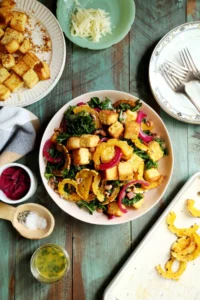
Data from the retail and hospitality sectors indicate that shoppers are moving away from the "all-or-nothing" approach to holiday side dishes. Traditional staples such as canned green bean casserole and overly sweetened candied yams are experiencing a decline in popularity among younger demographics, who are increasingly prioritizing fresh, seasonal produce. Dishes such as shaved Brussels sprout salads with citrus vinaigrettes or high-quality, vegetable-forward sides are becoming the new standard for the modern table.
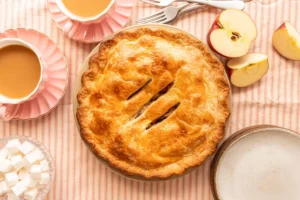
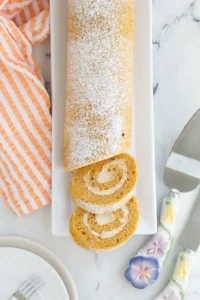
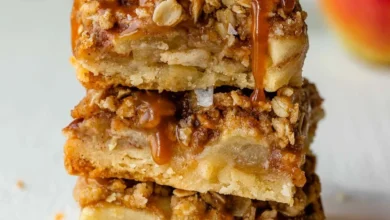
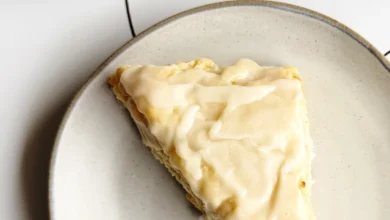
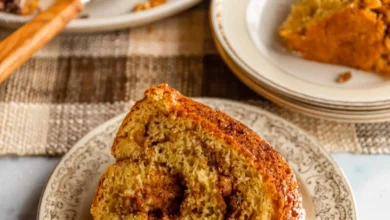
The dessert landscape is also shifting. While pumpkin pie remains a retail powerhouse, there is a measurable increase in interest regarding non-traditional desserts like Burnt Chocolate Basque Cheesecake or spiced variations of tiramisu. These choices suggest a move toward more indulgent, globally inspired comfort foods that contrast with the more restrained, spice-heavy profiles of classic autumnal desserts.
The Intersection of Lifestyle and Retail
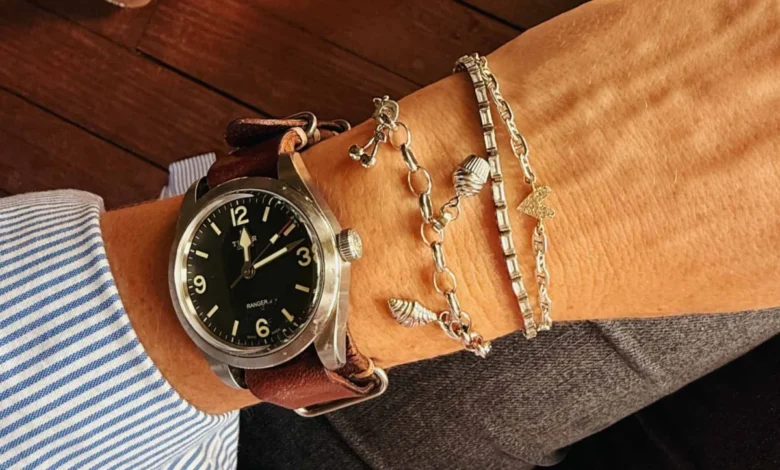
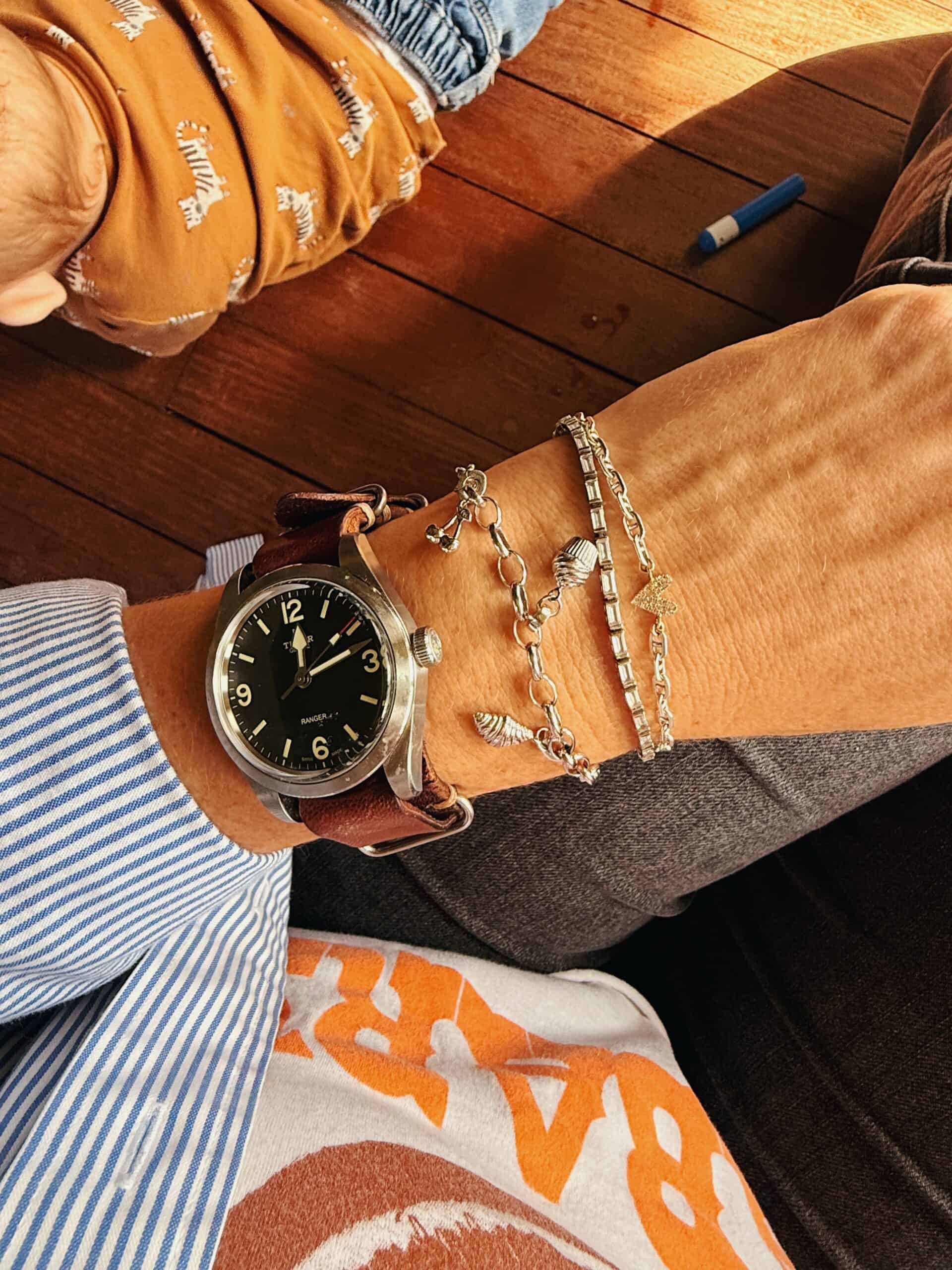
Beyond the kitchen, the holiday season is serving as a catalyst for a fusion of fashion and artisan retail. The "charm bracelet" trend, specifically those featuring culinary motifs, has seen a resurgence in interest as consumers seek sentimental, high-quality accessories. Collaborations between specialized jewelry designers and noted culinary figures—such as the recent partnerships involving baking-themed charms—highlight a growing market for items that celebrate the "home-baker" identity.
This retail behavior is part of a larger trend where consumers are curating their personal style to bridge the gap between casual comfort and intentional aesthetic choices. For example, the pairing of washable silk skirts with repurposed vintage graphic tees has become a popular stylistic choice for the 2026 holiday season. This "high-low" fashion approach mirrors the culinary trend of mixing elevated, time-intensive dishes with casual, accessible hosting styles.
Chronology of Holiday Stress and Adaptation
The lead-up to Thanksgiving is traditionally marked by a timeline of escalating pressure. In early November, hosts typically begin menu planning, followed by a mid-month period of grocery acquisition and inventory management. The week of the holiday is historically defined by "thaw-time" logistics, where the turkey must be safely defrosted, followed by the "prep-day" (usually the Wednesday before the holiday).
This year, however, the timeline is being disrupted by a wave of "pre-emptive simplification." Many households are choosing to bypass the traditional Wednesday-through-Thursday preparation cycle entirely. By selecting dishes that can be cooked a day or two in advance or that require minimal day-of maintenance, hosts are reclaiming the holiday as a period of social interaction rather than domestic labor.
Expert Analysis and Societal Implications
Sociologists and lifestyle experts suggest that this "rebellion" is a logical response to the modern pace of life. As family structures become more varied—often involving smaller units or non-traditional social circles—the pressure to uphold rigid, large-scale culinary standards is dissipating. The shift is not necessarily a rejection of the holiday itself, but a rejection of the "performative domesticity" that often accompanies it.
Furthermore, the rise of digital platforms, including platforms like Substack, has allowed for a more nuanced discourse on the emotional labor of the holidays. Articles focusing on managing the psychological impact of seasonal transitions—such as dealing with the early darkness of November and the expectations of family gatherings—are gaining significant readership. This suggests that individuals are increasingly seeking out community and validation regarding their desire to modify or reject established holiday norms.

The Role of Gift Giving in Modern Traditions
The commercial aspect of the holiday, particularly the stocking stuffer culture, is also undergoing a transformation. The expectation that gift guides should offer "useful and surprising" items rather than mass-produced filler is becoming the new gold standard. Retail analysts point out that stocking stuffers are increasingly viewed as a venue for personal expression rather than just a collection of small gifts.
The focus has moved toward items that reflect the recipient’s specific hobbies or personality—whether it be culinary, fashion-oriented, or hobby-specific. This shift toward "intentional gifting" reflects a broader trend in consumer behavior where value is placed on utility and the narrative behind the object.
Conclusion: A Shift in Holiday Philosophy
As we look toward the remainder of the 2026 holiday season, it is clear that the definition of a "successful" celebration is being rewritten. The resistance to traditional Thanksgiving rituals is not an act of cynicism, but rather an evolution in how individuals choose to prioritize their time, energy, and resources. By moving toward more flexible menus, prioritizing personal style, and seeking out content that validates the reality of modern domesticity, hosts are creating a more sustainable and enjoyable holiday experience.
The broader implication for the food and retail industries is significant: the market must adapt to a consumer who is increasingly comfortable with "good enough" in favor of "perfect," and who values individual authenticity over the pressure to replicate a standardized historical experience. Whether through a simple change in the main course or a more deliberate approach to gift-giving, the trend suggests that the future of the holidays will be defined by the freedom to choose what resonates most on a personal level.