The Ultimate 20-Minute Xinjiang-Inspired Beef Fried Rice Recipe That Elevates Quick Weeknight Dinners

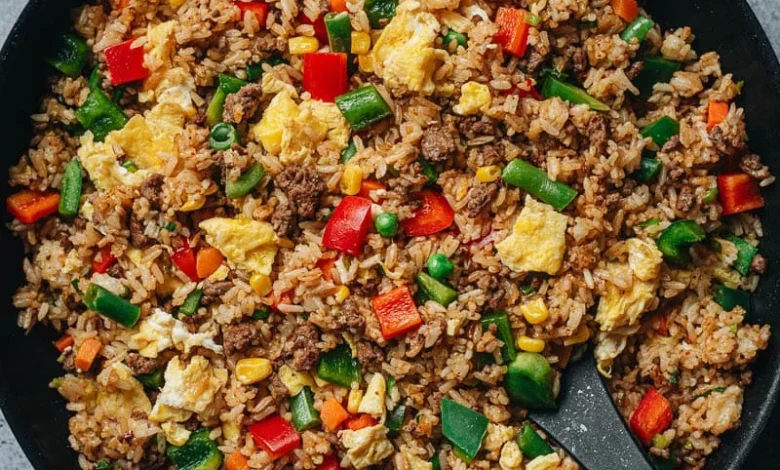
Culinary traditions surrounding fried rice have long anchored domestic cooking across East Asia, transforming humble leftovers into dynamic, high-velocity meals. Among the countless regional adaptations found in home kitchens and professional settings alike, a newly popularized home-cooking formula marries the deeply comforting mechanics of traditional fried rice with the distinct, aromatic flavor profile of China’s northwestern Xinjiang region. Requiring less than twenty minutes from preparation to plate, this skillet-based dish leverages ground beef, fragrant cumin, and chili flakes to deliver a bold sensory experience that defies the typical blandness often associated with emergency weeknight cooking.
Historical Context and Regional Culinary Fusion
Fried rice occupies a foundational space in Chinese domestic gastronomy, born out of economic necessity and the mandate to minimize food waste. Historically, households utilized day-old, chilled grains that would otherwise spoil, combining them with whatever seasonal vegetables, proteins, and aromatics were readily available. While southern and eastern variants of fried rice—such as the classic Yang Zhou or delicate egg-and-scallop variations—frequently rely on subtle umami notes derived from Shaoxing wine, light soy sauce, and scallions, northern and western provinces introduce entirely different spice architectures.
Xinjiang cuisine, heavily influenced by Silk Road trade routes, is globally renowned for its heavy reliance on cumin, chili peppers, onions, and lamb or beef. By importing these characteristic warming spices into a standard wok or skillet application, contemporary home cooks are bridging the gap between traditional Cantonese-style stir-frying and the robust, savory profiles typical of northwestern Chinese street food. Culinary historians note that this cross-regional hybridization reflects modern globalized food culture, where home cooks increasingly experiment with localized adjustments to classic staples without sacrificing speed or accessibility.
The Mechanics of Ingredients: Why Ground Beef and Chilled Rice Matter
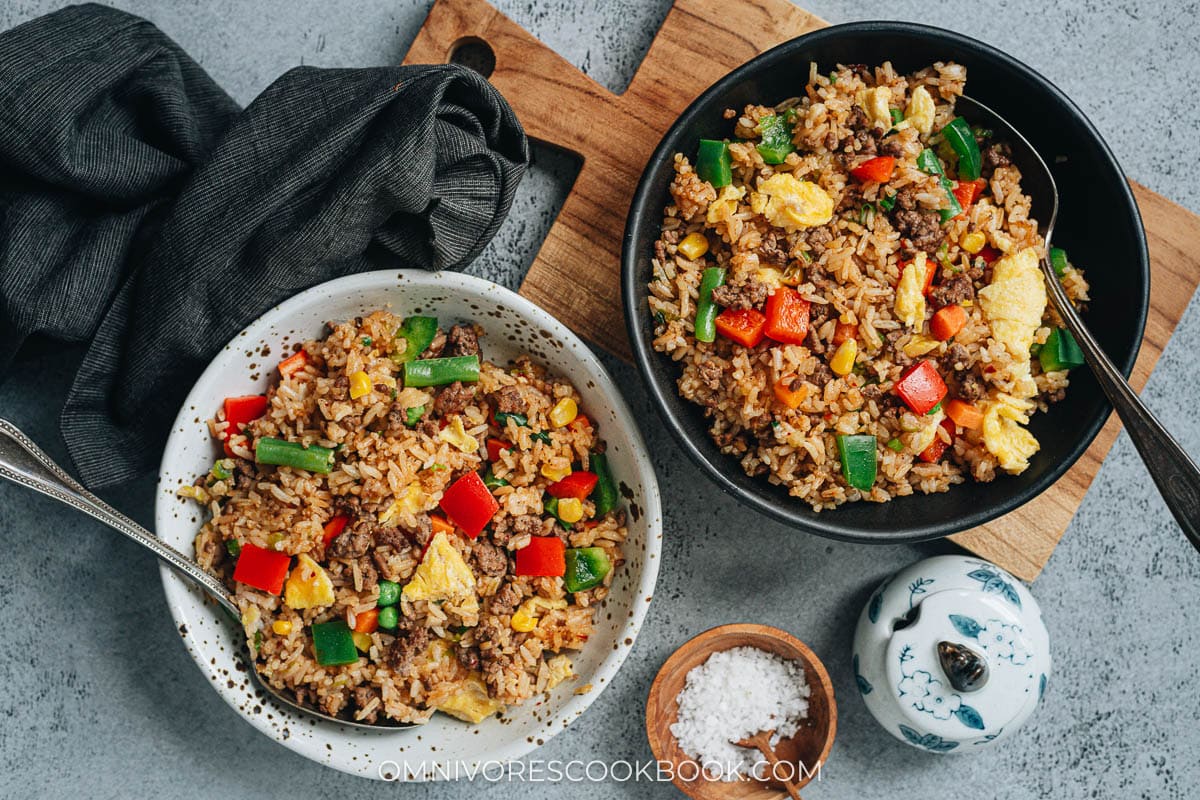
Achieving professional results in a home kitchen requires a strict adherence to ingredient science, particularly regarding meat selection and starch management. While sliced or diced cuts of beef offer a visually striking presentation, experienced culinary developers strongly advocate for ground beef in high-heat skillet applications. Ground meat distributes fat and flavor evenly across every grain of rice, while its irregular distribution creates contrasting textures. By intentionally leaving larger clumps of meat intact during the searing process, cooks achieve bite-sized morsels that mimic the satisfying mouthfeel of a gourmet burger.
Simultaneously, the foundational element of any successful fried rice remains the rice itself. Culinary science dictates that freshly steamed rice contains high moisture content and gelatinized starches that cause individual grains to rupture and clump together into a gummy paste when introduced to a hot pan. Conversely, overnight or chilled rice undergoes a process of retrogradation, where starches recrystallize and expel moisture, leaving the grains firm, dry, and easily separable.
For home cooks lacking advance preparation, food scientists and recipe developers recommend an accelerated chilling method: spreading freshly steamed jasmine or medium-grain rice thinly across a plate or baking sheet to rapidly dissipate heat before transferring it to a refrigeration unit. This temporary cooling period replicates the structural integrity of day-old rice, ensuring that the final dish achieves optimal individual grain separation rather than an undesirable sticky consistency.
Cookware Selection and Thermal Dynamics

The debate between traditional carbon steel woks and modern non-stick skillets remains central to home stir-fry methodology. Standard residential kitchen appliances—whether electric coil, smooth glass-ceramic, or low-BTU gas burners—often lack the thermal output of commercial restaurant ranges, making it difficult to generate authentic "wok hei" (the complex, smoky aroma imparted by high-heat vaporization of fats).
To compensate for these thermal limitations, culinary experts recommend utilizing large, wide-surface vessels such as a 12-inch carbon steel pan or a heavy-duty non-stick skillet. A carbon steel pan, once properly seasoned, allows for exceptional heat retention and enables the rice to develop a prized, savory char. However, because starchy grains have a natural tendency to adhere to metallic surfaces, non-stick alternatives provide a forgiving environment for cooks using minimal oil.
Regardless of the cookware chosen, the overarching principle governing superior fried rice production contradicts conventional culinary advice: minimize active stirring. Culinary analysts emphasize that allowing the rice and protein mixture to remain undisturbed in contact with the heated pan for measured intervals is essential for developing the deep, caramelized crust that elevates the dish from simple sustenance to gourmet comfort food.
Nutritional Profile and Dietary Adaptability
From a nutritional standpoint, the Xinjiang-inspired beef fried rice offers a balanced macronutrient distribution suitable for various dietary needs. Standard nutritional calculations for a single serving of the dish indicate approximately 426 kilocalories, driven by 61.7 grams of carbohydrates derived from the grain base, 13.6 grams of protein from the beef and eggs, and 13.4 grams of total fat. The inclusion of dietary fiber from fresh peppers and aromatics contributes to a rounded nutritional profile, while the recipe’s inherent flexibility allows for seamless adaptations—such as utilizing tamari in place of standard soy sauce to accommodate gluten-free dietary requirements.

Broader Economic and Lifestyle Implications
The surge in popularity of rapid, single-skillet fusion dishes highlights broader shifts in contemporary consumer lifestyles. As urban populations face compressed schedules and rising dining-out costs, home-cooking trends increasingly prioritize efficiency, minimal cleanup, and pantry-friendly ingredients. Recipes that require minimal active preparation time while delivering complex, restaurant-quality flavor profiles serve as an essential tool for modern household management.
Furthermore, the adaptability of fried rice for meal-prep containers has driven its viral reach across digital culinary platforms. Because the dish reheats exceptionally well without significant degradation in texture or taste, it addresses the growing consumer demand for sustainable, batch-cooked lunches and dinners.
Industry Analysis and Future Outlook
Food trend analysts project that regional Chinese flavor profiles—moving beyond standard Americanized iterations toward authentic localized cuisines like Xinjiang, Sichuan, and Hunan—will continue to dominate domestic cooking trends. As consumers become more adventurous in their spice selections, incorporating foundational spices like cumin and chili into familiar western formats represents a low-barrier entry point for global flavor exploration.

Ultimately, the enduring appeal of dishes
like the Xinjiang-style beef fried rice lies in their perfect synthesis of practicality and sensory reward. By respecting foundational culinary techniques—such as proper starch management and thermal control—home cooks can successfully replicate complex international flavors within minutes, ensuring that humble leftovers remain a cornerstone of creative domestic gastronomy.