Evolution of No-Knead Baking Methods
The concept of no-knead bread, which relies on long fermentation times or specific hydration ratios to develop gluten structures, has evolved significantly since the early 2000s. Originally popularized by bakers such as Jim Lahey of the Sullivan Street Bakery, the technique was designed to mimic the qualities of professional hearth-baked breads in a home kitchen. By utilizing a heavy, lidded vessel like a Dutch oven, bakers can trap steam during the initial phase of the bake, which facilitates optimal rise and creates a crisp, caramelized exterior.

The application of this technique to enriched doughs—such as those required for cinnamon-infused breads—represents a shift toward more accessible, plant-based home cooking. Traditional brioche or sweet yeast breads often require extensive kneading to incorporate fats and sugars; however, modern, simplified methods allow for the creation of similar, albeit slightly different, structures through patience and precise ingredient ratios.

Technical Overview and Ingredient Analysis
The preparation of vegan cinnamon bread hinges on the chemistry of leavening agents and the selection of suitable plant-based binders. The core composition typically includes:

- All-Purpose Flour: Serving as the structural foundation, the protein content of standard flour is sufficient for this hydration level.
- Instant Yeast: The primary leavening agent that facilitates the rapid production of carbon dioxide.
- Vegan Fats: Usually provided by plant-based butter or oils, these ingredients are critical for the soft, tender crumb characteristic of the bread.
- Maple Syrup: Beyond providing sweetness, maple syrup acts as a moisture-retaining agent, which is vital in vegan recipes to compensate for the absence of egg-based proteins.
- Cinnamon-Sugar Mixture: The inclusion of a high-density sugar swirl creates the aesthetic and flavor profile associated with the product.
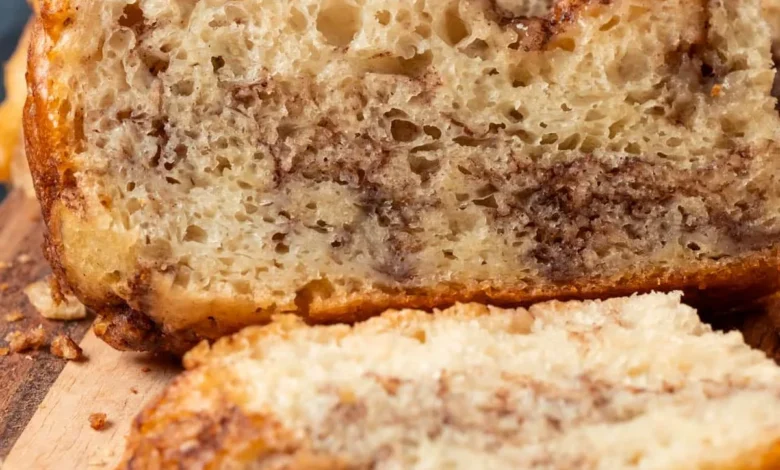
The process of constructing the "swirl" involves layering the dough with the cinnamon-sugar mixture, then using a tool like a skewer to marble the components. This technique ensures the flavor profile is distributed throughout the loaf rather than remaining strictly at the surface.

The Role of the Dutch Oven in Modern Baking
The Dutch oven serves as an essential tool in this recipe, functioning as a portable bread oven. In professional baking, commercial ovens are equipped with steam injection systems to ensure a glossy, thin crust. In a domestic environment, the Dutch oven achieves this by containing the moisture released by the dough as it heats up. This moisture prevents the crust from setting prematurely, allowing the bread to reach its maximum volume during the oven spring. Once the lid is removed toward the end of the baking cycle, the intense dry heat allows the exterior to brown and achieve the characteristic "sticky" crust that is highly desired in sweet breads.

Market Context and Consumer Demand
The rise of the vegan baking category is part of a broader trend toward plant-based consumption in Western markets. According to data from industry analysts such as the Plant Based Foods Association, the market for vegan bakery products has seen consistent year-over-year growth. Consumers are increasingly seeking products that mirror traditional recipes without the use of animal derivatives like dairy, eggs, or honey.

This recipe addresses a specific segment of the market that prioritizes "scratch cooking" but is constrained by time or technical skill. By removing the kneading step, the barrier to entry for novice bakers is significantly lowered. Furthermore, the ability to produce a high-quality, artisanal-style product at home aligns with the "DIY" consumer trend that surged during the global shifts in work and lifestyle patterns observed since 2020.

Storing, Preserving, and Nutritional Considerations
As with most artisanal breads produced without preservatives or emulsifiers, the shelf life of vegan cinnamon bread is relatively short, typically lasting three days before the texture degrades significantly. The moisture content, while beneficial for texture, makes the bread susceptible to staling.

Nutritional profiles for this type of bread generally hover around 170–180 calories per serving, depending on the ratio of sugar and fat used in the swirl. Because these breads are typically consumed as breakfast or dessert items, the carbohydrate content is the primary nutritional driver. Expert culinary advice consistently points to freezing as the most effective method for long-term storage. When sliced prior to freezing, the bread can be toasted directly from a frozen state, which effectively restores the crispness of the exterior while maintaining the softness of the interior crumb.

Broader Implications for Home Baking
The mainstreaming of no-knead vegan recipes signals a change in how culinary skills are transmitted. In previous generations, the mastery of bread-making was associated with the physical technique of kneading—a tactile skill that required years of practice to perfect. Today, the focus has shifted toward ingredient knowledge and the understanding of hydration and temperature.

The success of this specific recipe—and others like it—demonstrates that the culinary industry is moving toward "low-effort, high-reward" methodologies. As food costs fluctuate, the ability to bake high-quality items at home provides both an economic and a lifestyle benefit. Furthermore, the inclusion of vegan recipes in mainstream culinary publications reflects a normalization of plant-based diets, moving them from a niche lifestyle choice to a standard component of home cooking repertoires.

Summary of Best Practices
For those engaging with this method, professional bakers emphasize the following protocols to ensure consistency:

- Temperature Control: Using water at the appropriate temperature (typically lukewarm) is essential to activate the yeast without killing it.
- Precision in Layering: When creating the cinnamon swirl, the distribution of the mixture must be uniform to prevent "pockets" of raw sugar that could impede the structural integrity of the bread.
- Cooling Period: Allowing the bread to cool completely before slicing is critical. The residual steam trapped inside the loaf continues the cooking process after it is removed from the heat; cutting too early can lead to a gummy texture.
By following these technical guidelines, home bakers can achieve consistent results, effectively bridging the gap between professional-grade bakery products and the convenience of home-based food preparation. As the category continues to evolve, further innovations in gluten-free applications and alternative flour blends are expected, likely expanding the accessibility of these traditional flavors to an even wider demographic of consumers with varying dietary requirements.