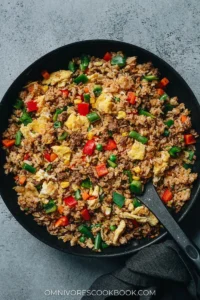
The post-holiday culinary landscape is routinely defined by the management of surplus provisions, chief among them being large cured holiday hams. In response to the annual challenge of repurposing bulk festive meats, culinary experts and home economists have increasingly championed fast, one-skillet fusion dishes that bypass traditional restaurant equipment like industrial woks. Among these, ham and pineapple fried rice has emerged as an efficient, highly practical solution for transforming day-old staples into a nutritionally balanced, flavor-forward weeknight dinner.
Culinary Background and Post-Holiday Food Management

The practice of transforming holiday leftovers into entirely distinct dishes is deeply rooted in both frugal kitchen management and modern culinary innovation. Following major winter celebrations such as Christmas, households frequently find themselves with substantial quantities of cured proteins. While traditional preparations like glazed ham or roasted roasts are central to holiday tables, their prolonged consumption can lead to culinary fatigue.
Food waste researchers note that the weeks immediately following major holidays historically see a sharp spike in discarded household food items, with large cuts of meat comprising a significant percentage. To combat this waste, home cooks have turned to versatile global pantry concepts—such as Vietnamese banh mi, spiced noodle soups, and East Asian-style fried rice dishes—to extend the lifecycle of holiday ingredients. Fried rice, by design, serves as an ideal vehicle for surplus items, readily absorbing diced proteins, aromatic vegetables, and leftover starches.
The Science of Superior Fried Rice Without a Wok
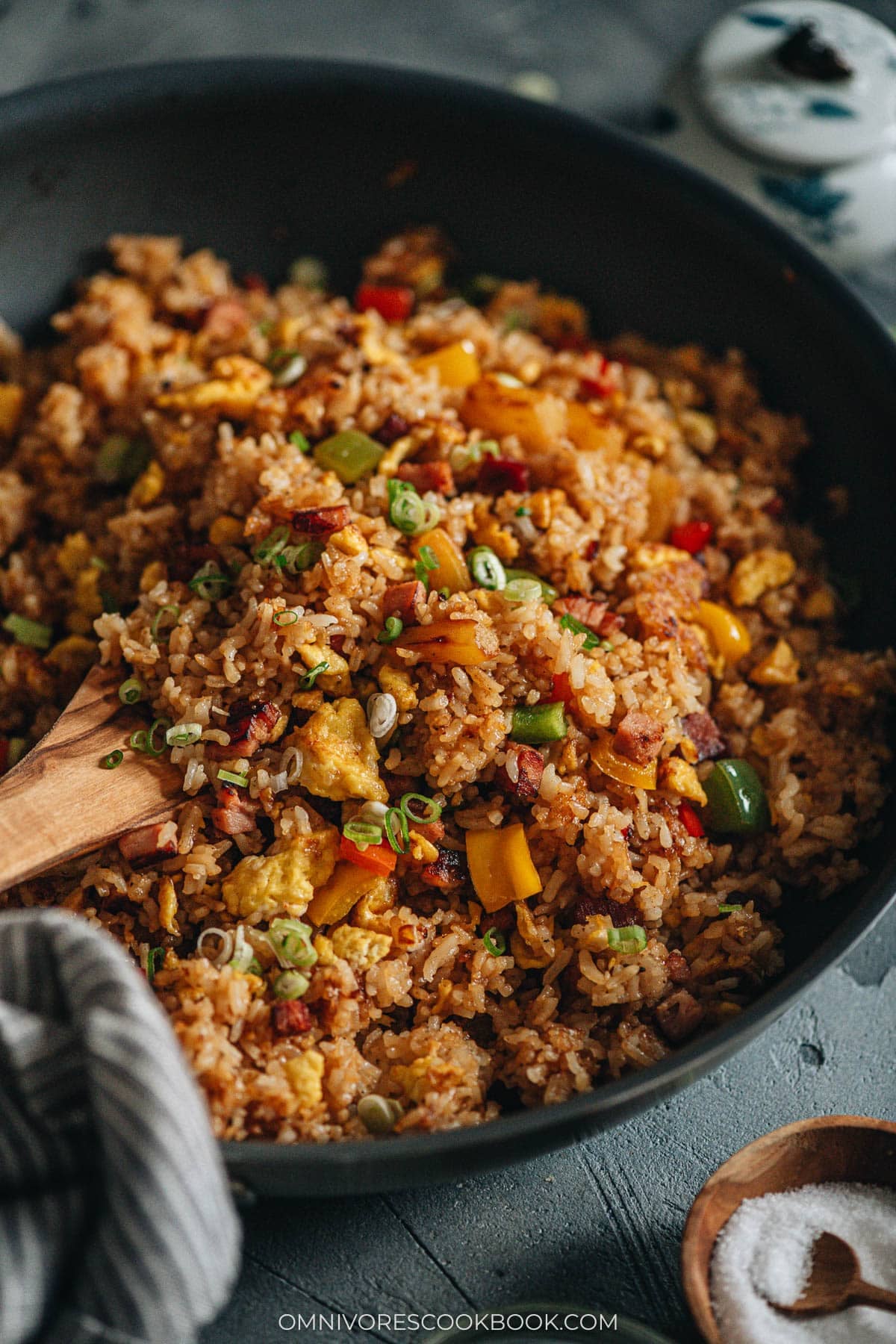
A common misconception among home cooks is that exceptional fried rice requires the intense BTU output of a commercial restaurant burner and a traditional cast-iron wok. However, professional culinary analysis demonstrates that home kitchens can achieve superior texture and caramelization through proper temperature control and equipment selection.
The cornerstone of successful fried rice is the moisture content of the starch. Freshly cooked rice retains high levels of internal moisture, which causes the grains to rupture and clump together when introduced to heat, resulting in a mushy or gummy texture. To circumvent this, standard protocol dictates using long-grain rice cooked up to 24 hours in advance and chilled thoroughly in a refrigerator. This overnight dehydration process allows the starch molecules to retrogradely set, ensuring individual grains remain firm and separate during the searing process.
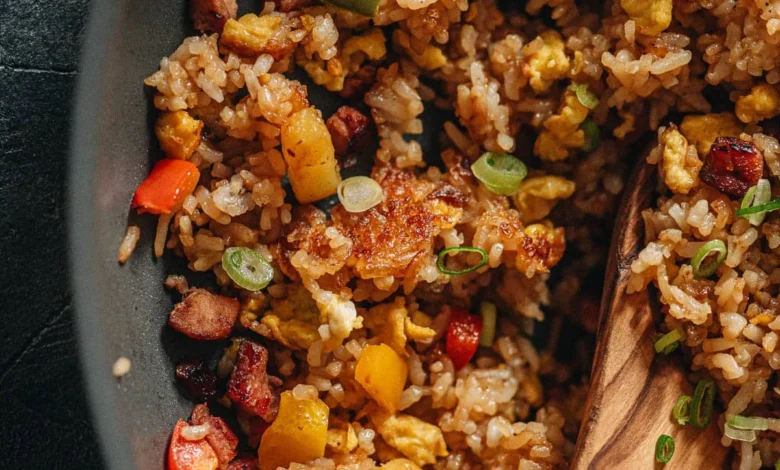
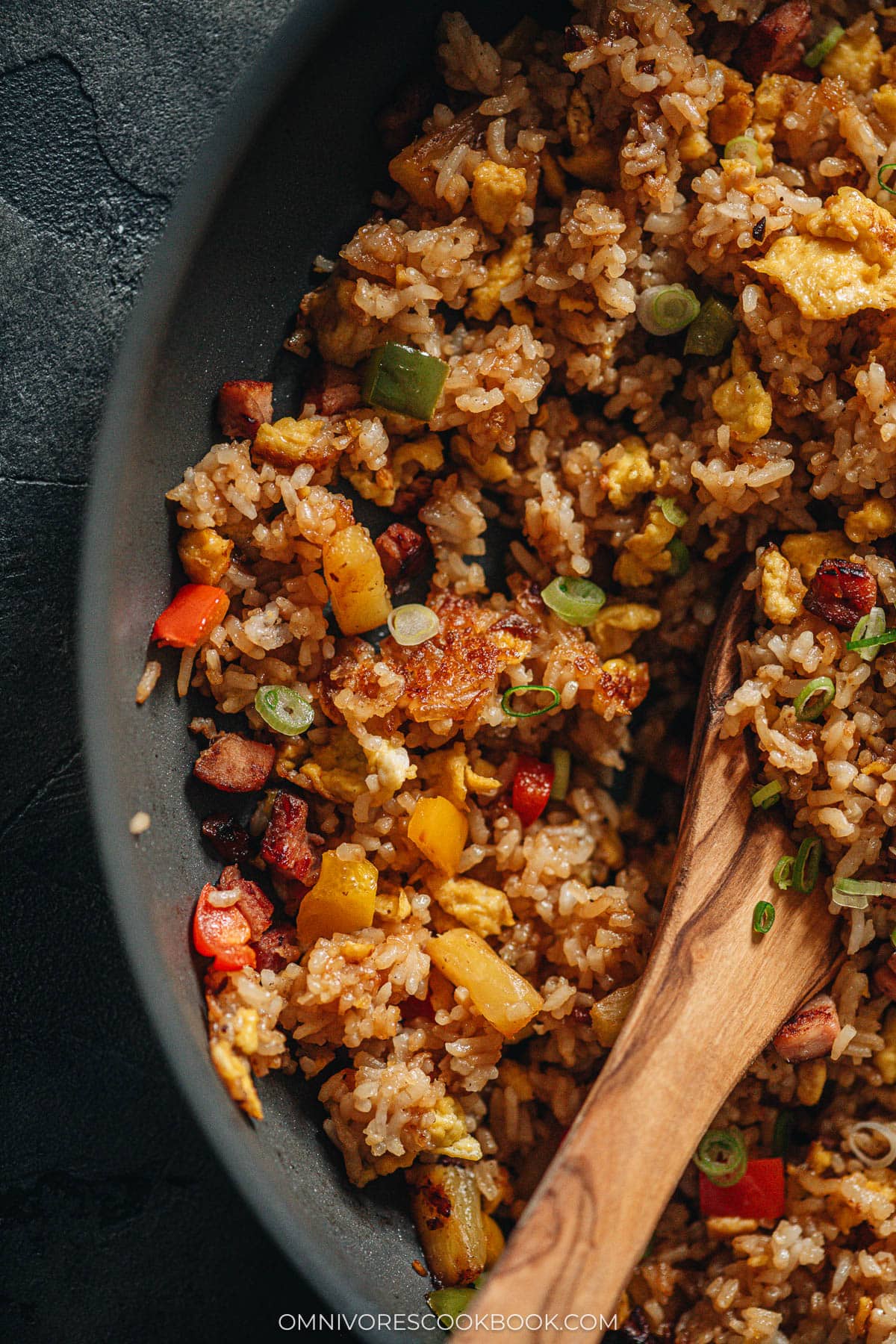
Furthermore, culinary technicians advise substituting round-bottomed woks with wide, heavy-bottomed nonstick skillets on standard domestic ranges. Because home stove burners lack the thermal radius of commercial restaurant setups, a wide skillet maximizes surface-to-heat contact. This allows the rice to form a lightly toasted, golden crust without adhering to the pan’s surface, eliminating the need for excessive oil that can weigh down the dish.
Chronological Preparation Method and Technical Execution
Achieving optimal flavor balance in a ham and pineapple fried rice dish relies on a precise, multi-step chronology that prevents ingredient overcrowding and soggy textures.
-
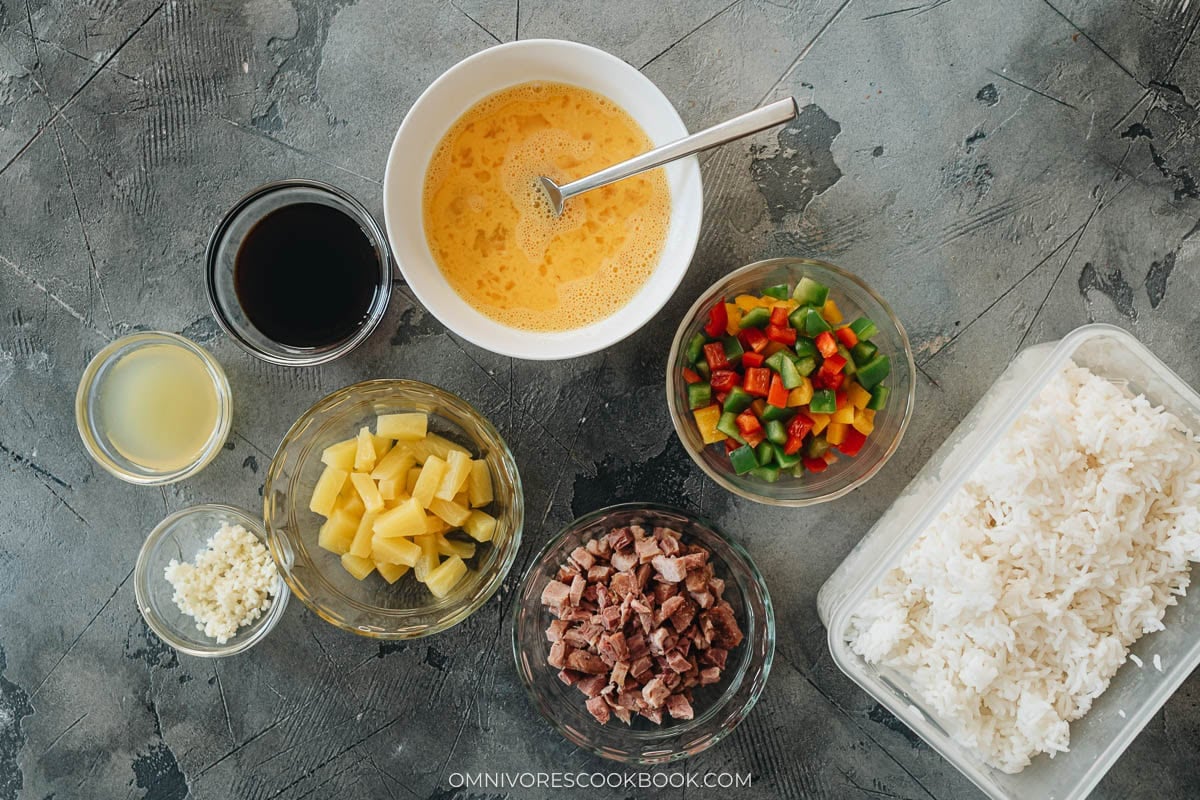
Flavor Infusion and Sauce Preparation: The process begins by whisking light soy sauce with a measured amount of canned pineapple juice. This mixture provides both the necessary salinity and natural fruit acidity required to cut through the rich, salty profile of cured ham.
-
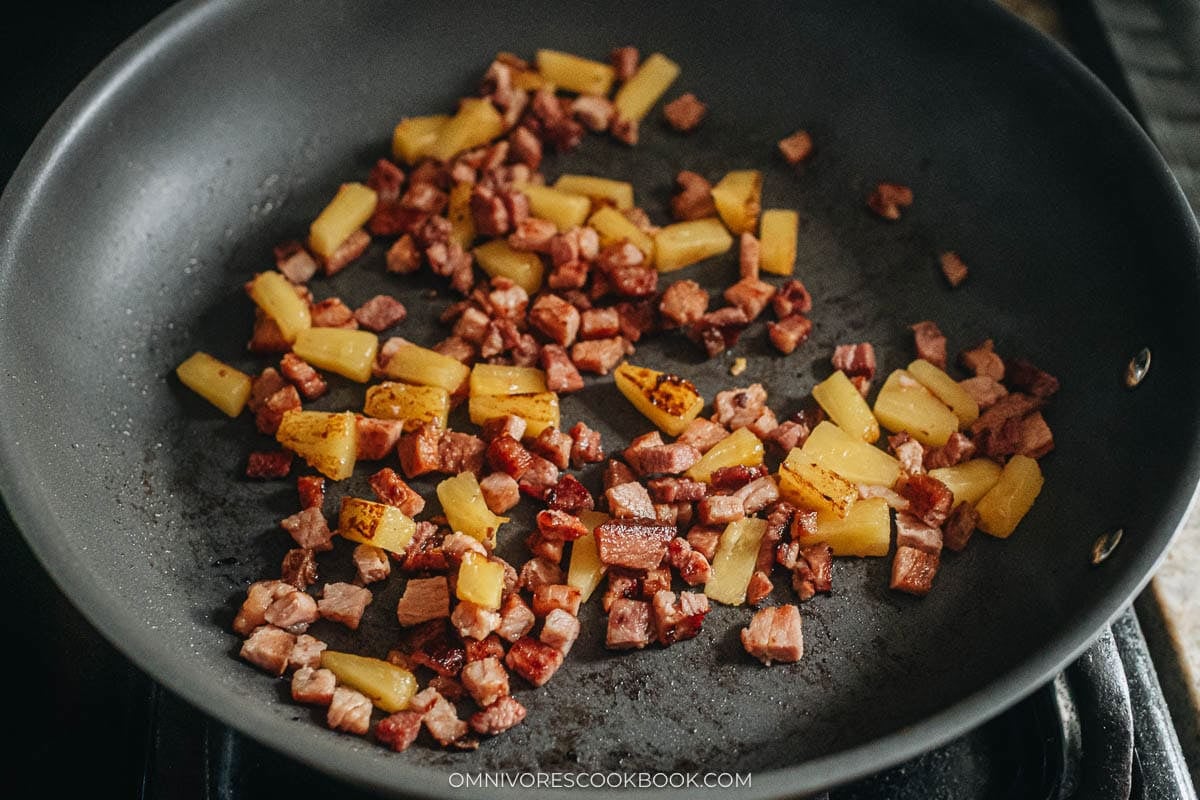
Protein and Fruit Caramelization: Diced cured ham and small pineapple chunks are introduced to a preheated skillet containing a small amount of neutral oil over medium-high heat. Searing these components for two to three minutes caramelizes the natural sugars in the pineapple while rendering the exterior edges of the ham crisp. Diced bell peppers are added briefly for texture and color before the entire solid mixture is temporarily removed from the pan.
-
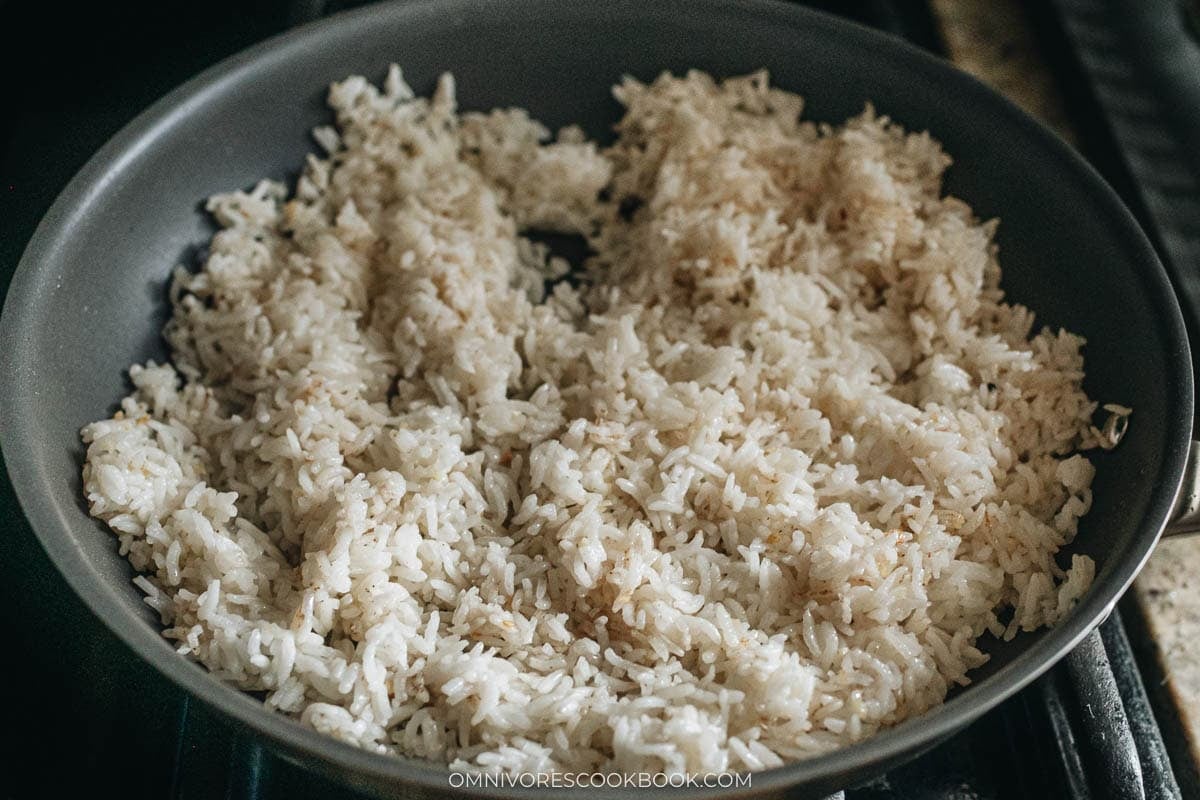
Starch Toasting: Fresh oil and minced garlic are briefly bloomed in the cleared skillet to release aromatic compounds. Chilled, day-old long-grain rice is then added and aggressively broken down with a spatula, followed by periods of undisturbed resting to allow the grains to toast and shed residual moisture.
-
Protein Integration and Emulsification: Eggs are scrambled separately on one side of the pan to form large, tender curds before being folded into the rice. A central well is then cleared in the skillet to receive the soy sauce and pineapple juice mixture. Allowing this liquid to simmer and reduce momentarily in the center before blending ensures the moisture cooks off entirely, preventing the dish from becoming waterlogged. Finally, the reserved ham, pineapple, and pepper mixture is folded back into the skillet to unify the flavors just prior to service.
Nutritional Profile and Dietary Adaptability
From a nutritional standpoint, a standard single-serving portion of this homestyle fried rice provides a balanced macronutrient distribution. Laboratory and nutritional database analysis indicates an average per-serving breakdown of approximately 388 kilocalories, 44.8 grams of carbohydrates, 14.2 grams of protein, and 16.7 grams of fat.
Because the recipe relies primarily on naturally gluten-free components—assuming the utilization of certified gluten-free tamari or light soy sauce—it accommodates specific dietary restrictions without sacrificing flavor complexity. The inclusion of eggs provides complete biological proteins, while the pineapple and bell peppers supply essential dietary fiber, vitamin C, and micronutrients, elevating the dish beyond a simple comfort food into a well-rounded meal.
Broader Economic and Household Implications
The rising popularity of specialized leftover recipes reflects broader economic and cultural shifts toward resourceful domestic management. Food economists point out that inflation and fluctuating grocery prices have prompted consumers to seek creative methods for maximizing household food budgets. Utilizing holiday surplus items not only reduces immediate grocery expenditures but also aligns with global sustainability initiatives aimed at minimizing consumer-level food waste.
Industry analysts suggest that content focusing on practical, quick-turnaround utilization of holiday ingredients will continue to see high engagement across digital publishing platforms. As consumers balance busy post-holiday schedules with the desire for fresh, home-cooked meals, streamlined recipes that bridge the gap between restaurant-quality taste and pantry-clearing efficiency remain an essential staple of modern home cooking.