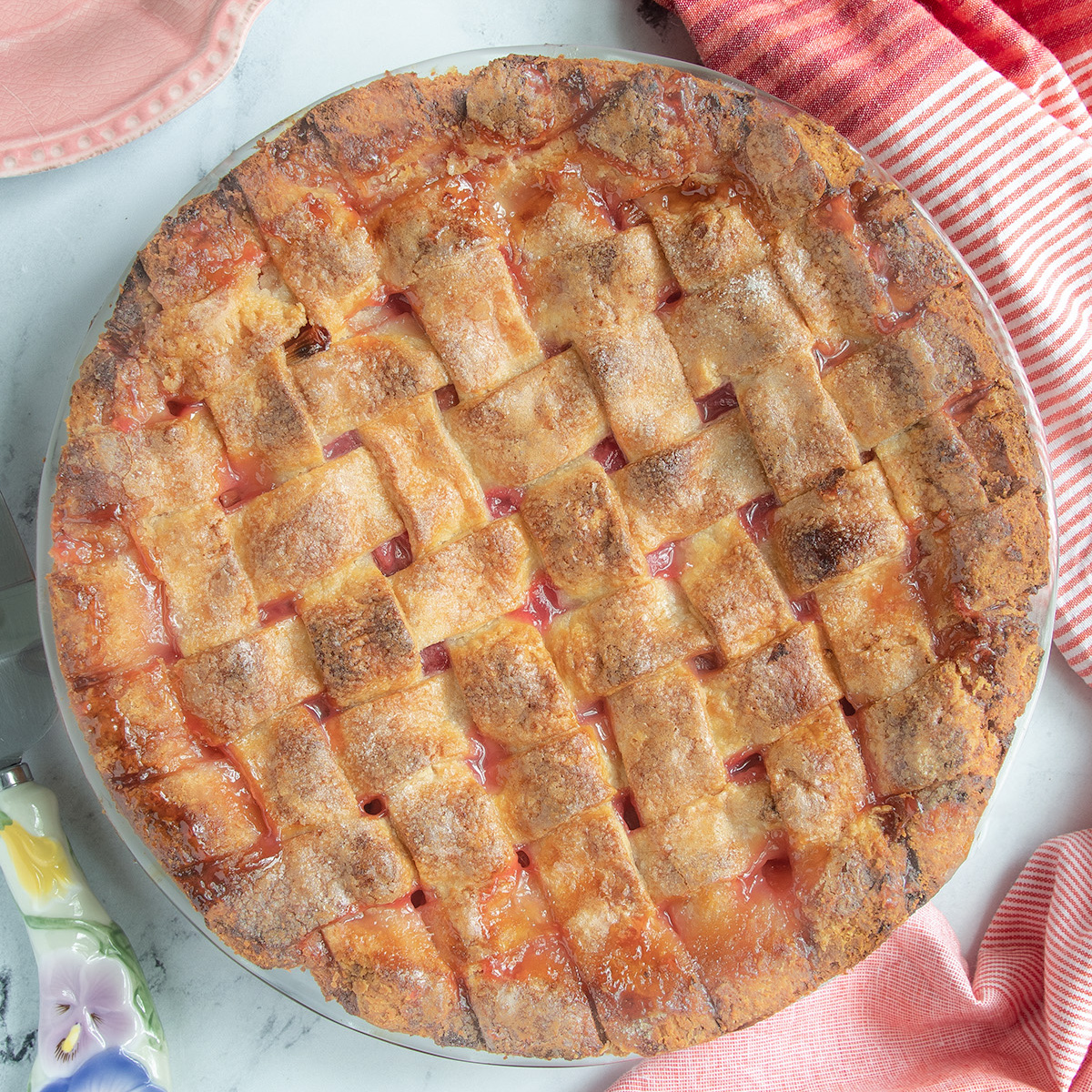
The pursuit of the perfect pie crust remains a hallmark of culinary excellence, representing a delicate equilibrium between chemistry, temperature control, and physical technique. While many home bakers and pastry professionals utilize a hybrid approach—often incorporating vegetable shortening to guarantee ease of handling—the all-butter pie crust stands as the gold standard for flavor, color, and texture. This article examines the specialized two-stage incorporation method, the thermodynamic requirements for success, and the implications of ingredient selection on the final pastry product.
The Evolution of Pie Crust Chemistry
Historically, the inclusion of animal fats like lard or modern hydrogenated shortenings in pie dough was driven by a desire for stability. Shortenings possess a higher melting point than butter, which prevents the fat from softening during the rolling process. This makes the dough significantly more pliable and less prone to tearing. However, as culinary preferences have shifted toward natural, high-fat dairy, the all-butter crust has gained prominence.
The primary challenge of an all-butter crust lies in its milk solids and moisture content. Butter is approximately 80 to 82 percent fat, with the remainder composed of water and milk proteins. When exposed to oven heat, these milk solids undergo the Maillard reaction, resulting in a distinct, deep golden-brown hue and a complex, nutty flavor profile that shortening cannot replicate.
The Two-Stage Incorporation Methodology
To mitigate the inherent difficulties of working with pure butter—which is notoriously brittle when cold and greasy when warm—pastry chefs have developed a two-stage incorporation process.
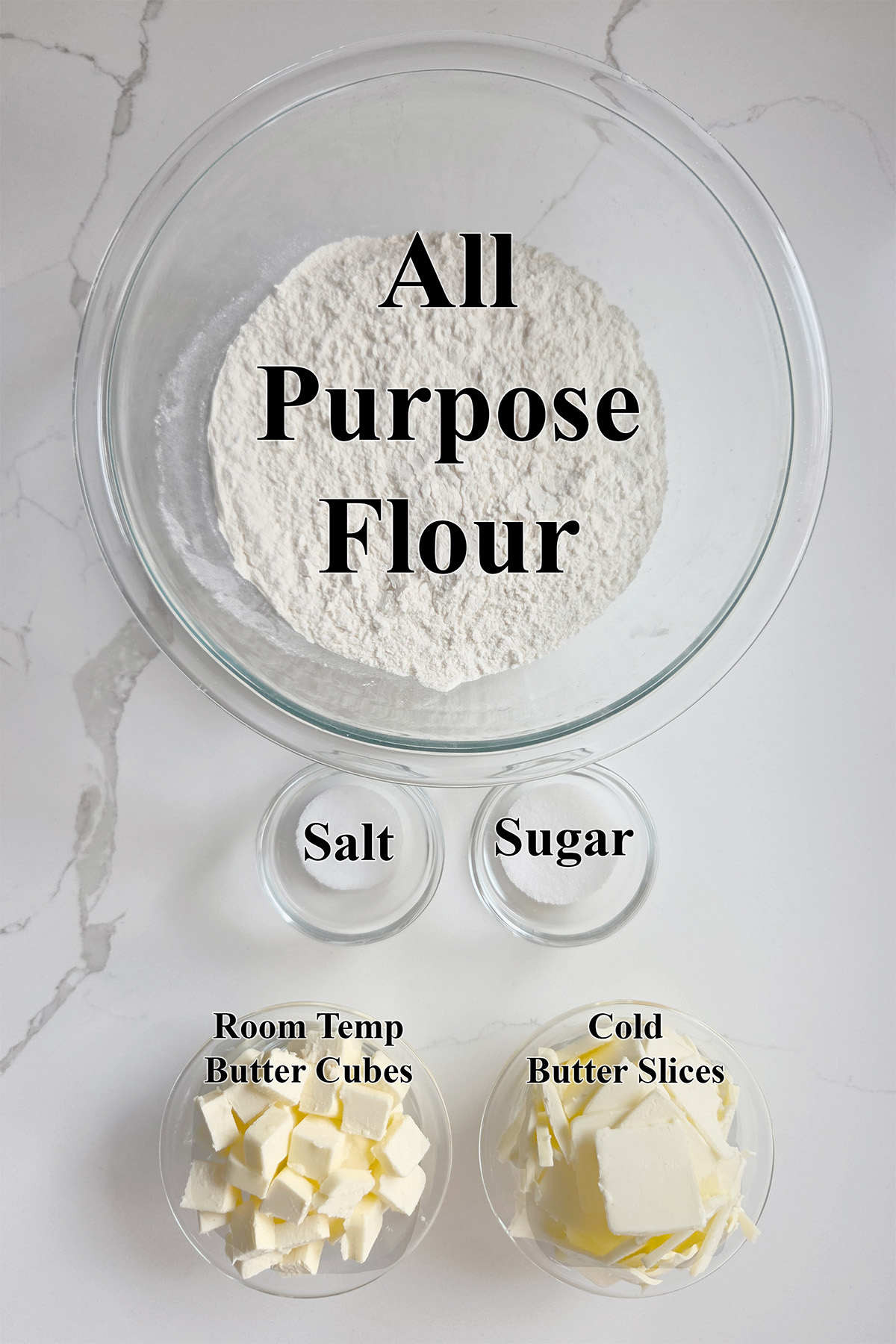
- Initial Dispersion (Room Temperature Butter): In the first stage, a portion of the butter is incorporated at room temperature. This fat coats the flour proteins (glutenin and gliadin) before they can fully hydrate. By creating a hydrophobic barrier around these proteins, the baker effectively limits the development of gluten, ensuring the final crust remains tender rather than chewy or tough.
- Structural Flaking (Cold Butter): The second stage involves the addition of chilled, solid butter pieces. These pieces are not fully incorporated; rather, they are folded into the dough. During the baking process, the water within these cold butter pockets turns to steam, physically pushing the layers of dough apart. This mechanical action creates the signature "laminated" flakes associated with high-end pastry.
Chronology of Preparation and Temperature Management
Achieving professional results requires a disciplined timeline. The preparation of this crust is a study in thermal regulation, typically requiring a minimum of two hours of inactive cooling time.
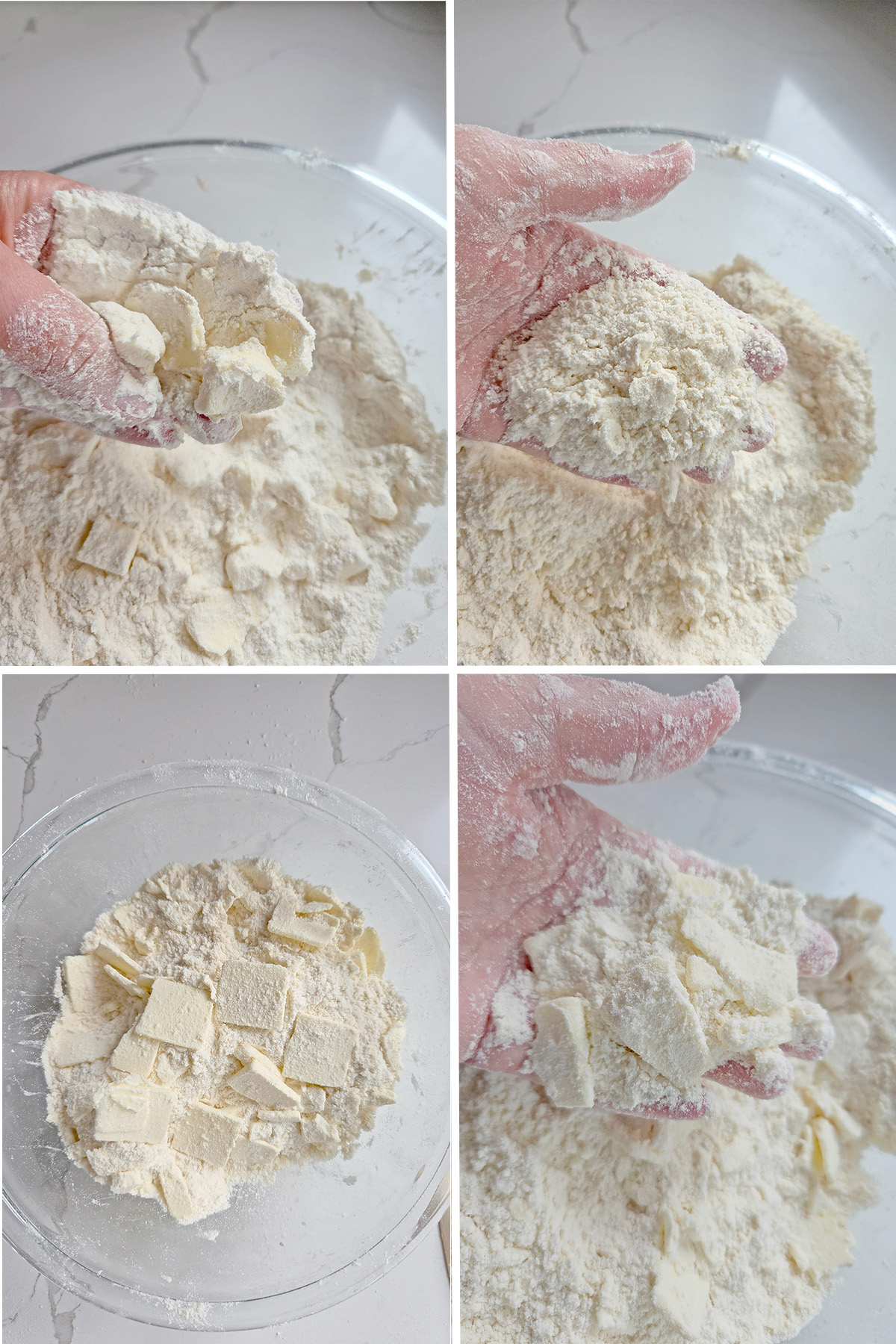
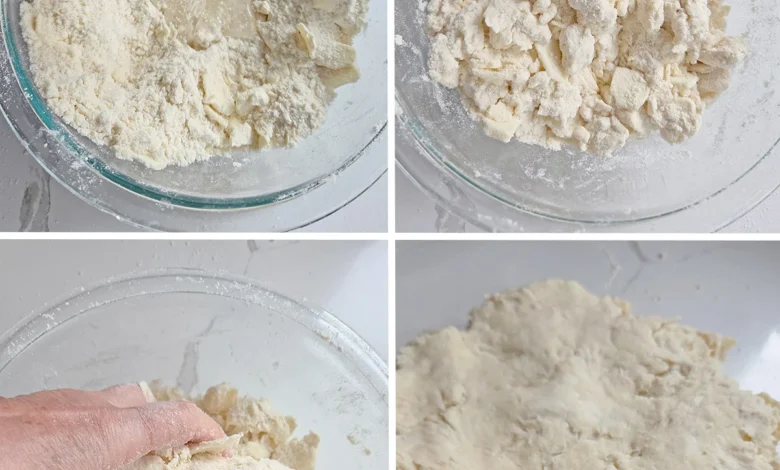
- Initial Mixing (0–20 minutes): The dry ingredients are combined with the initial room-temperature fat. The goal is to achieve a texture resembling coarse meal.
- The Second Addition (5 minutes): Cold butter slices are added and lightly tossed to maintain their structural integrity.
- Hydration (5 minutes): Ice-cold water is introduced. The dough should remain "shaggy" at this stage; over-mixing at this point is the primary cause of tough crusts.
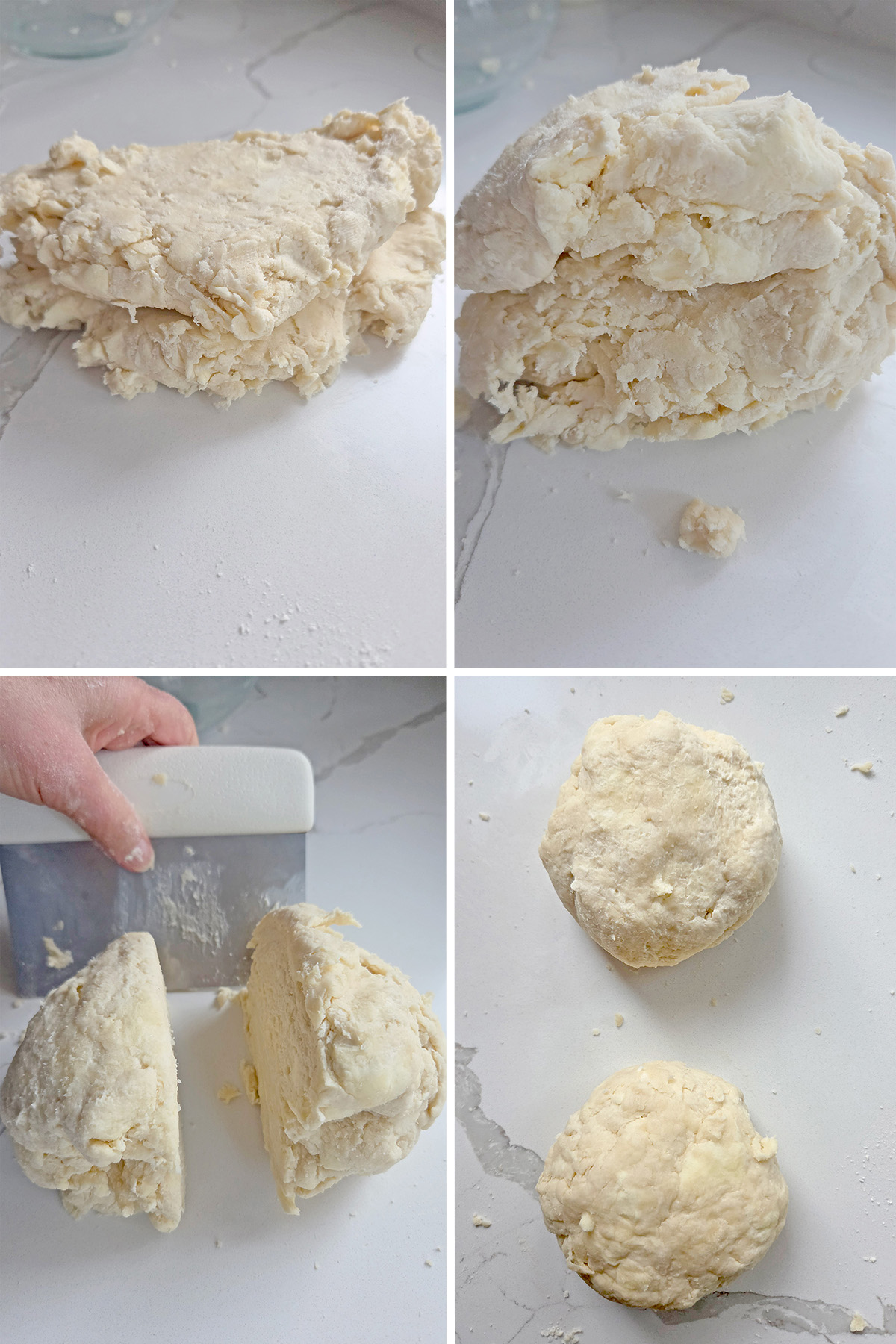
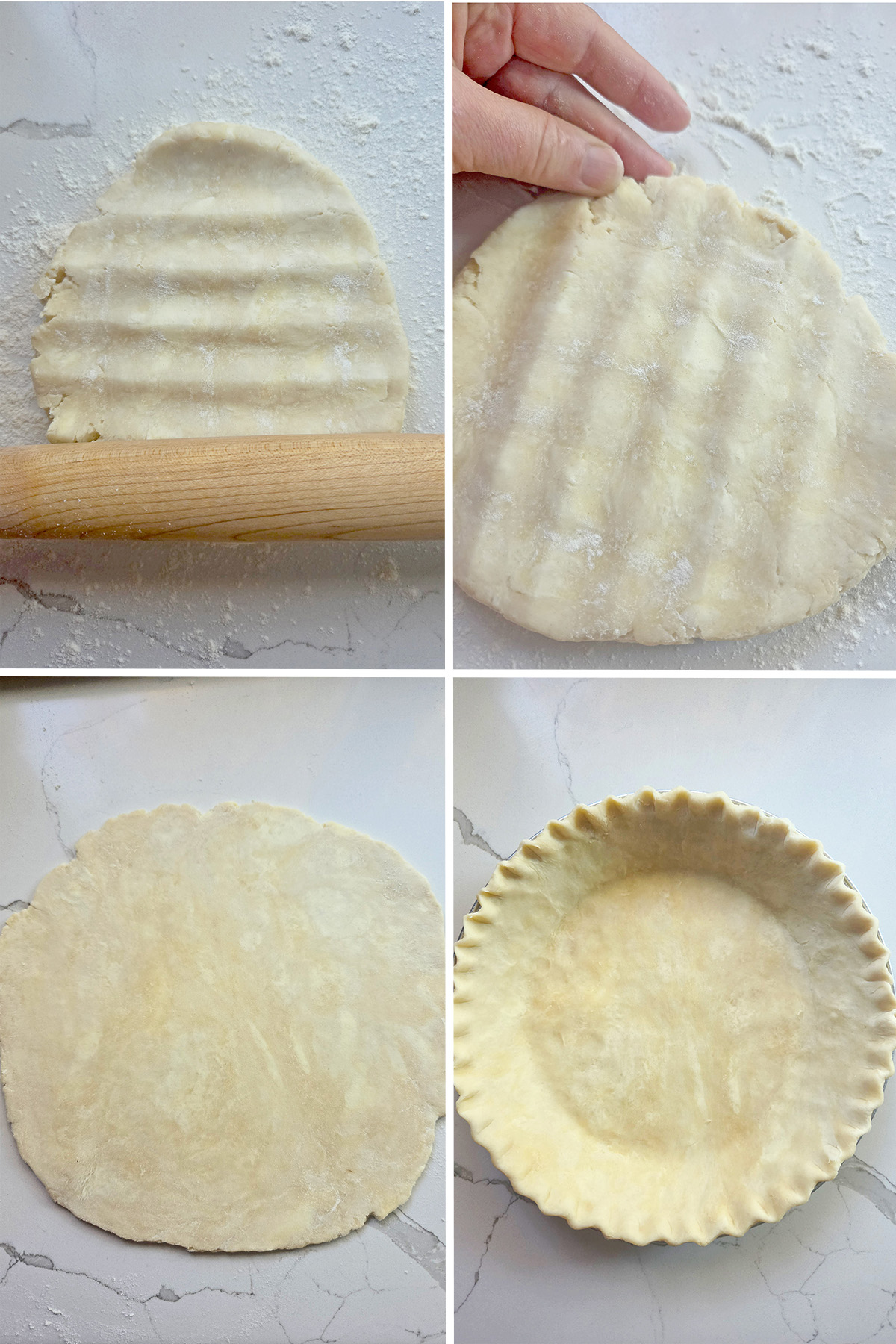
- Resting Period (2 hours): This is the most critical phase. The dough must be refrigerated to allow the gluten network to relax and the fats to re-solidify. Failure to allow this rest period leads to immediate shrinkage when the dough is exposed to the high heat of the oven.
Comparative Analysis: Butter vs. Shortening
A controlled study comparing all-butter crusts against shortening-butter blends reveals specific, measurable differences in performance and sensory output.
- Flavor Profile: The all-butter variant displays a marked increase in dairy complexity. Sensory panels consistently rate the all-butter crust as superior in "richness" and "aromatic quality."
- Textural Analysis: Shortening-based crusts exhibit a "melt-in-the-mouth" quality due to the specific melting point of the fats used. Conversely, all-butter crusts provide a more pronounced "snap" and a crisp, chewy finish, which many bakers argue provides better structural support for heavy fruit fillings.
- Browning Efficiency: Due to the aforementioned Maillard reaction, all-butter crusts reach a deep golden color at lower temperatures and shorter durations compared to shortening blends, which can sometimes appear pale even when fully cooked.
Troubleshooting Common Culinary Failures
In professional kitchens, the two most common complaints regarding all-butter crusts are excessive shrinkage and lack of flakiness.
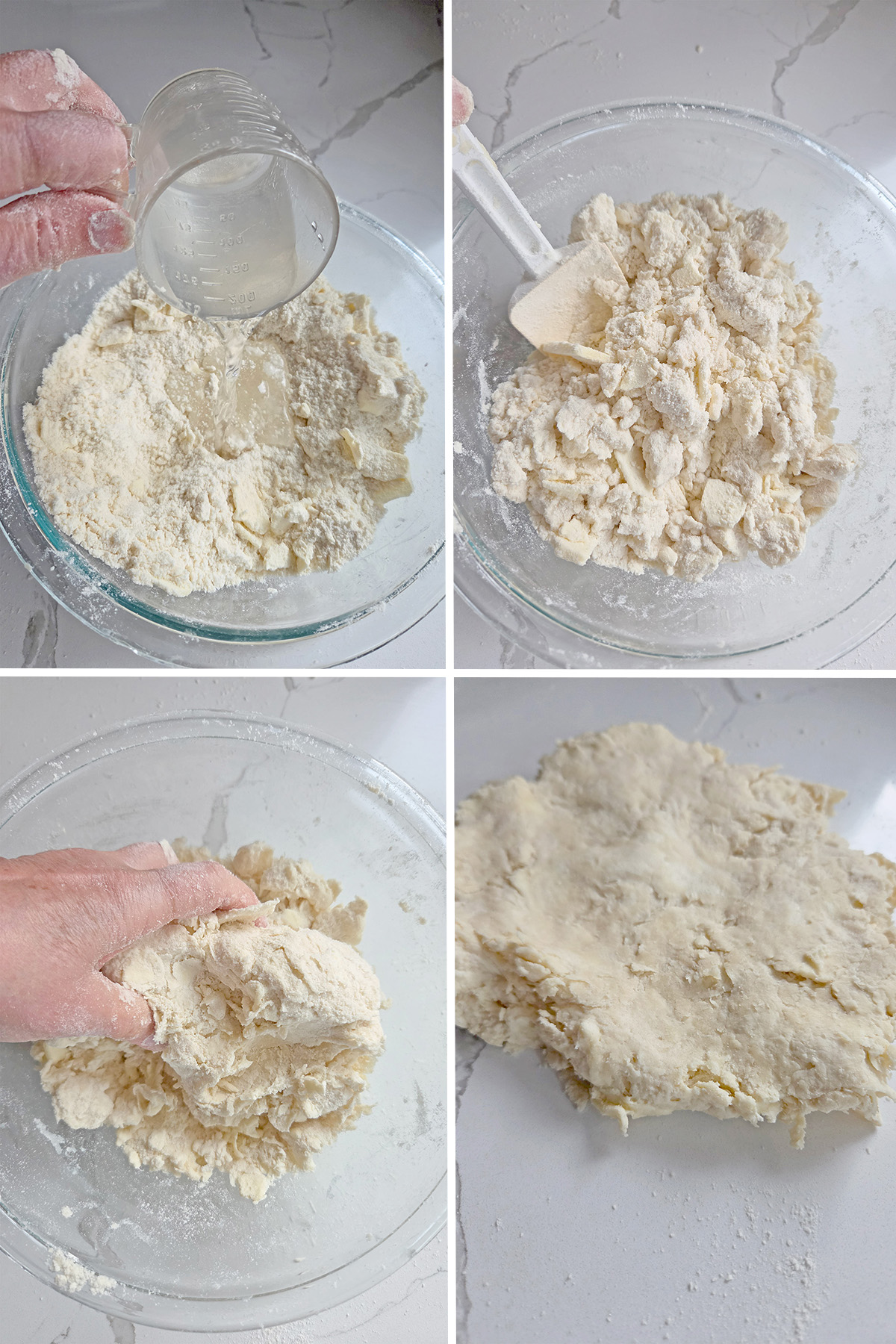
Shrinkage is almost exclusively a result of gluten tension. When dough is kneaded or rolled with excessive force, the gluten strands become "tight." If the dough is not given adequate resting time, these strands snap back like rubber bands the moment they are heated. To prevent this, practitioners are advised to use a "press and fold" technique rather than a traditional kneading motion.
Loss of flakiness is usually a result of thermal mismanagement. If the butter is handled with warm hands or if the ambient temperature of the kitchen is too high, the butter melts into the flour prematurely. Once the fat is absorbed into the flour, it can no longer create the steam-pockets required for layers. The use of ice-cold water and consistent reliance on refrigeration between steps are mandatory safeguards.
The Impact of Ingredients on Final Yield
The choice of flour also plays a role in the structural success of the crust. A pastry flour with a lower protein content (typically 7 to 9 percent) is often preferred over high-protein bread flour, as it produces less gluten. When measuring, the "dip and sweep" method—dipping the measuring cup into the flour and leveling it off—is the standard industry recommendation to prevent over-packing, which can lead to a dense, unpalatable dough.
Broader Implications for Holiday Baking
As consumer interest in artisanal and scratch-made goods grows, the technical mastery of the all-butter crust has transitioned from a professional skill to a highly valued home-baking attribute. Data from industry suppliers suggests that during peak holiday periods, such as the fourth quarter of the year, demand for high-fat-content European-style butter spikes, correlating with a resurgence in traditional, high-quality pie production.
The shift toward this ingredient-focused approach represents a broader trend in gastronomy: the rejection of highly processed, shelf-stable fats in favor of ingredients that offer both superior taste and a clearer supply chain. While the all-butter pie crust demands higher technical proficiency and a greater investment of time, the consensus among culinary experts is that the resulting product offers a sensory experience that justifies the labor.
Ultimately, the mastery of the all-butter crust is not merely about following a recipe, but about respecting the physics of the ingredients. By maintaining the integrity of the cold butter and allowing the gluten to rest, the baker transitions from merely preparing a dessert to executing a precise chemical process. As techniques continue to be refined, the all-butter crust remains the definitive benchmark for those who view pastry as an intersection of science and art.