The Ultimate Guide to 23 French and French-Inspired Desserts for Your Holiday Celebrations

The culinary traditions of France have long set the global standard for pastry arts and holiday confectionery. As autumn transitions into the winter holiday season, home cooks and professional pastry chefs alike turn to time-honored French techniques to elevate their festive dining tables. From the rich, comforting apple tarts of Normandy to the sophisticated architecture of a multi-layered Opera cake, French desserts offer a unique blend of technical precision and comforting flavors well-suited for Thanksgiving, Christmas, and New Year gatherings.
While French patisserie possesses a reputation for intimidating complexity, contemporary baking trends emphasize that many classic French recipes are remarkably accessible to the home cook. Culinary historians note that French holiday baking is deeply rooted in regional diversity, utilizing local agricultural products such as apples, dairy, nuts, and seasonal brandies to create desserts that balance indulgence with refinement.
The Historical Evolution of French Holiday Patisserie
The heritage of French holiday desserts dates back centuries, evolving from rustic hearth-baked goods to the elaborate showpieces seen in modern pastry shops. During the Middle Ages, sweets were primarily reserved for nobility and religious festivals. The introduction of refined techniques during the Renaissance—and the subsequent codification of French gastronomy in the 19th century by figures like Antonin Carême and Auguste Escoffier—transformed holiday baking into an artistic discipline.
Today, French holiday desserts are categorized by their regional origins and seasonal utility. For instance, the northern and coastal regions heavily favor apple- and dairy-based tarts, while festive centerpieces like the bûche de Noël (Yule log) draw upon ancient winter solstice traditions adapted into modern sponge cakes and buttercreams.

Fruit-Forward Tarts and Autumnal Classics
Apples and pears occupy a central role in French autumn and winter baking, offering a tart, fresh contrast to the heavy creams and chocolates typically associated with the holidays.
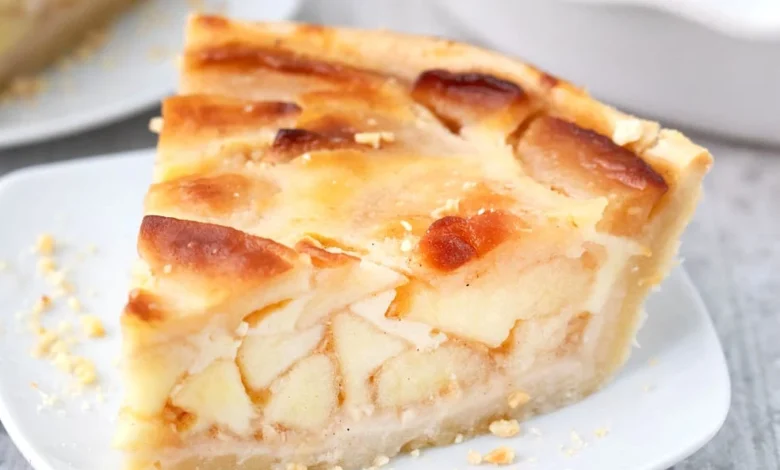
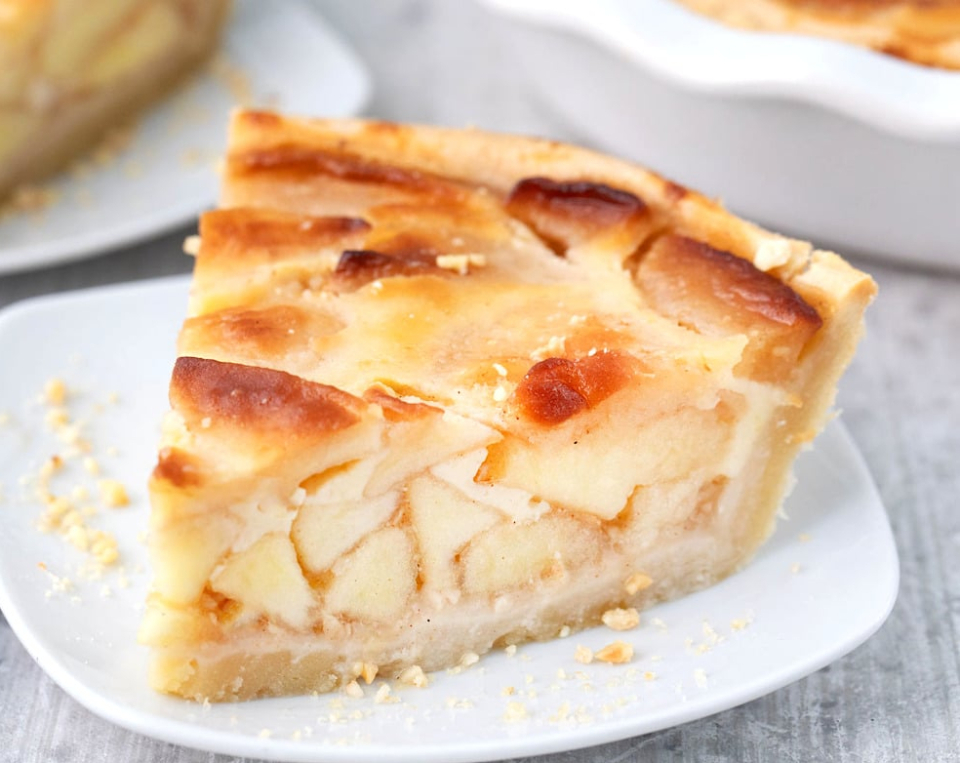
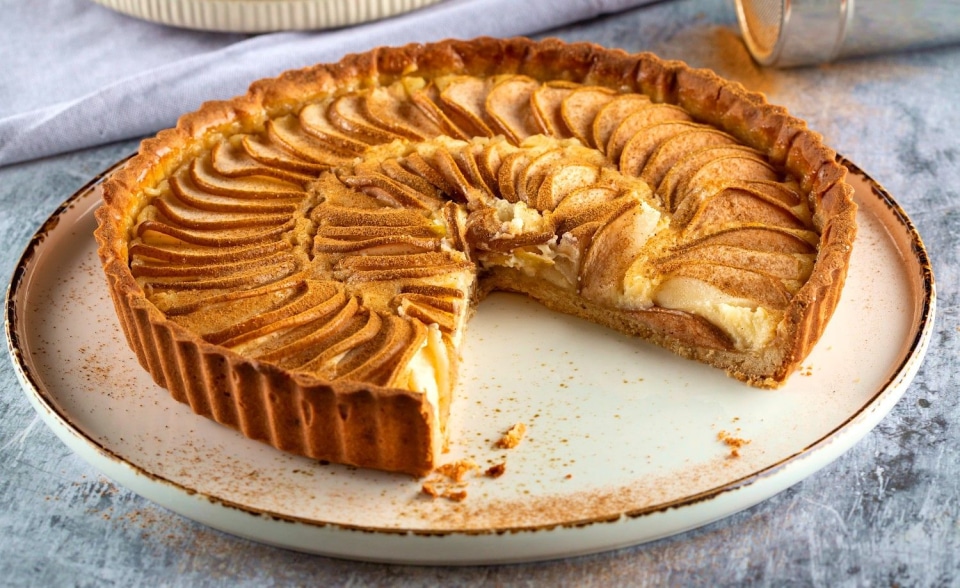
The Normandy Apple Tart (Tarte Normande) serves as a sophisticated alternative to traditional American apple pie. Originating from the northwestern region of France renowned for its dairy and orchards, this tart features a crisp pastry crust filled with a rich egg and cream custard, sliced apples, and a definitive splash of Calvados, the local apple brandy. Culinary analysts note a steady rise in the popularity of European-style fruit tarts at North American holiday tables, driven by consumer demand for desserts that feel lighter and less cloying than traditional heavily sugared pies.
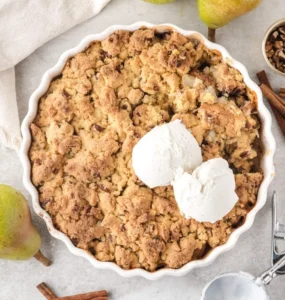
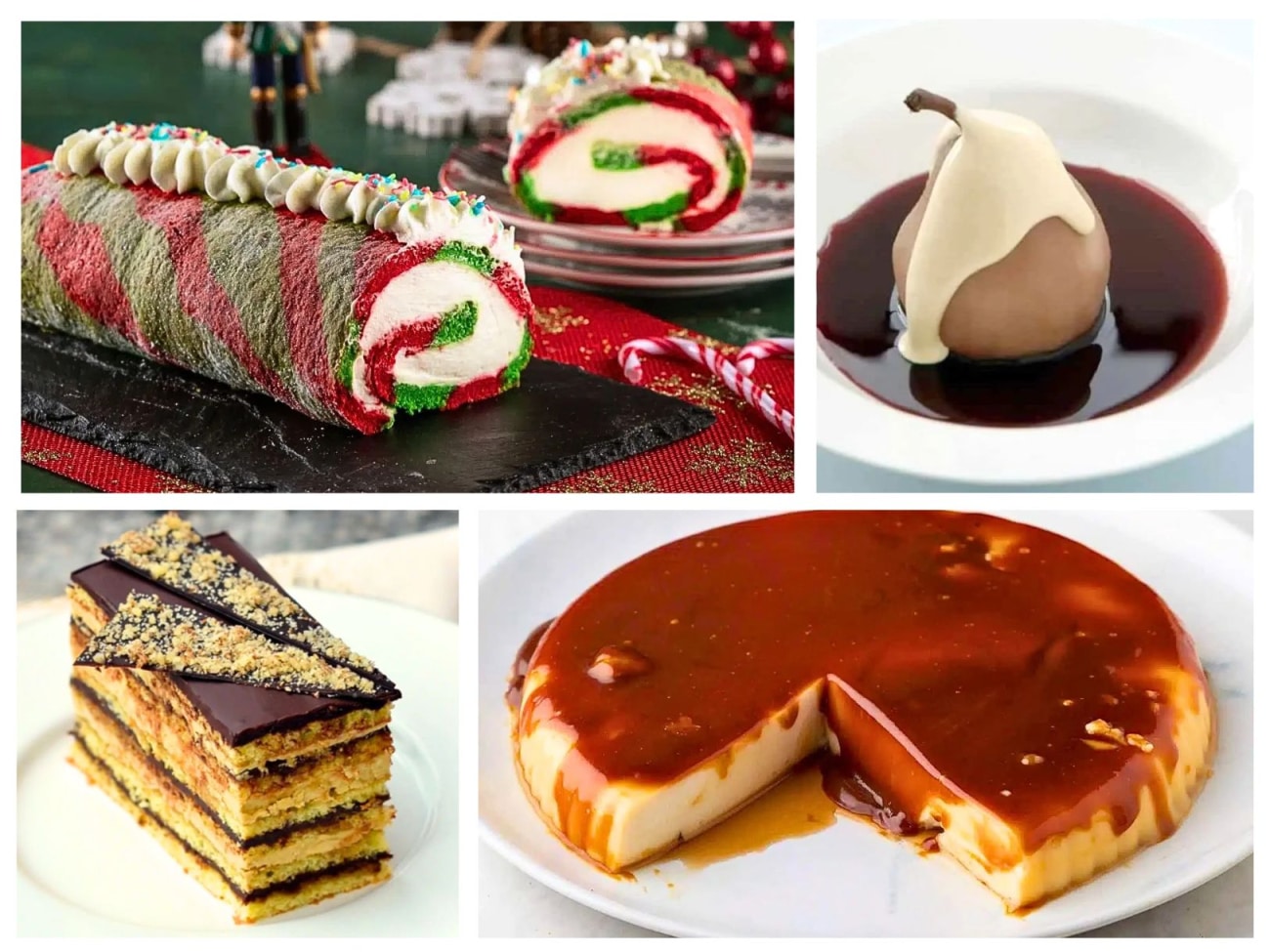
Similarly, the Apple Tarte Tatin provides an exercise in culinary history. Created by accident in the late 19th century at the Hôtel Tatin in Lamotte-Beuvron, this upside-down pastry caramelizes apples in butter and sugar before a pastry crust is placed on top and baked. The dramatic inversion upon serving creates a glossy, caramelized finish that makes it a perennial favorite for festive centerpieces. For a more rustic presentation, variations featuring pears paired with cream cheese fillings offer a comforting, textured alternative.

Showstopping Centerpieces: Yule Logs and Multi-Layered Cakes
For Christmas dinner, no French table is complete without a showpiece dessert designed to capture the visual spirit of the season.

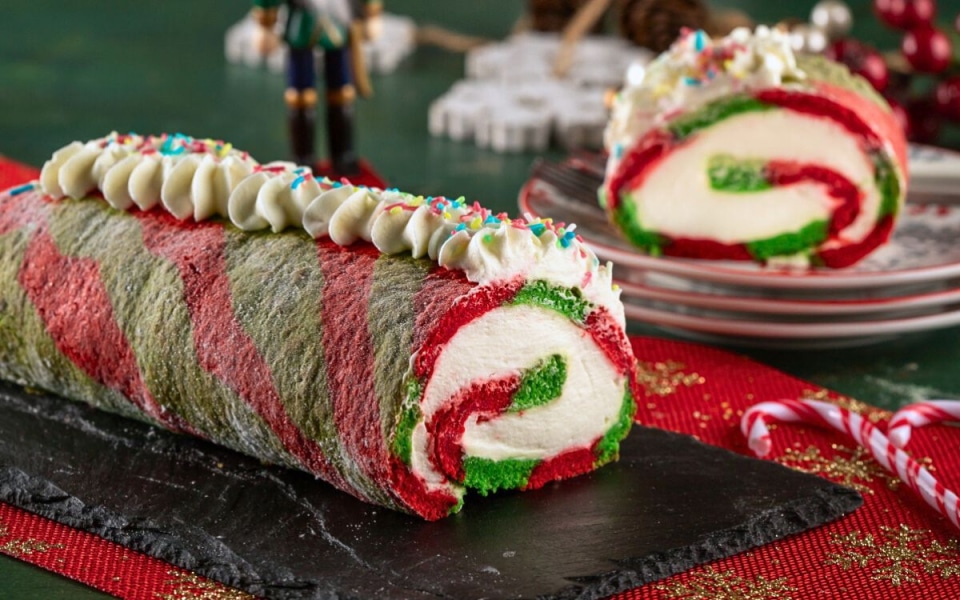
The bûche de Noël, or Yule log, remains the quintessential French Christmas dessert. Historically symbolizing the large wooden logs burned during the winter solstice to welcome the return of the sun, the modern culinary interpretation translates this tradition into a rolled sponge cake decorated to resemble woodland bark. Contemporary pastry chefs frequently experiment with the traditional format—incorporating vibrant color palettes, mascarpone and sour cherry fillings, or rich chocolate ganaches. According to hospitality industry data, sales of specialty holiday yule logs at artisanal bakeries consistently peak during the final two weeks of December.
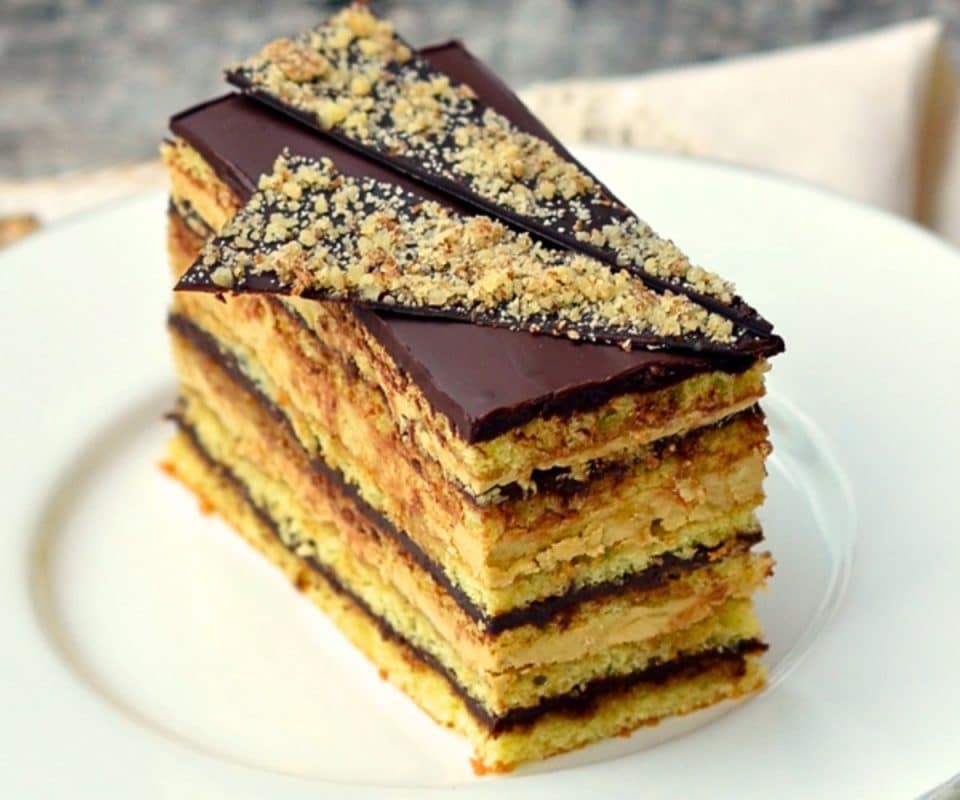
For those seeking an even greater technical challenge, the Opera Cake (Gâteau Opéra) represents the pinnacle of French pastry craftsmanship. Comprising alternating layers of almond sponge cake (joconde) soaked in coffee syrup, coffee buttercream, and dark chocolate ganache, the cake requires meticulous assembly. Named in honor of the Palais Garnier opera house in Paris, it remains a symbol of sophisticated holiday hospitality.
Custards, Mousses, and Refined Confections
France’s mastery of dairy is perhaps best showcased through its extensive repertoire of custards and whipped preparations.

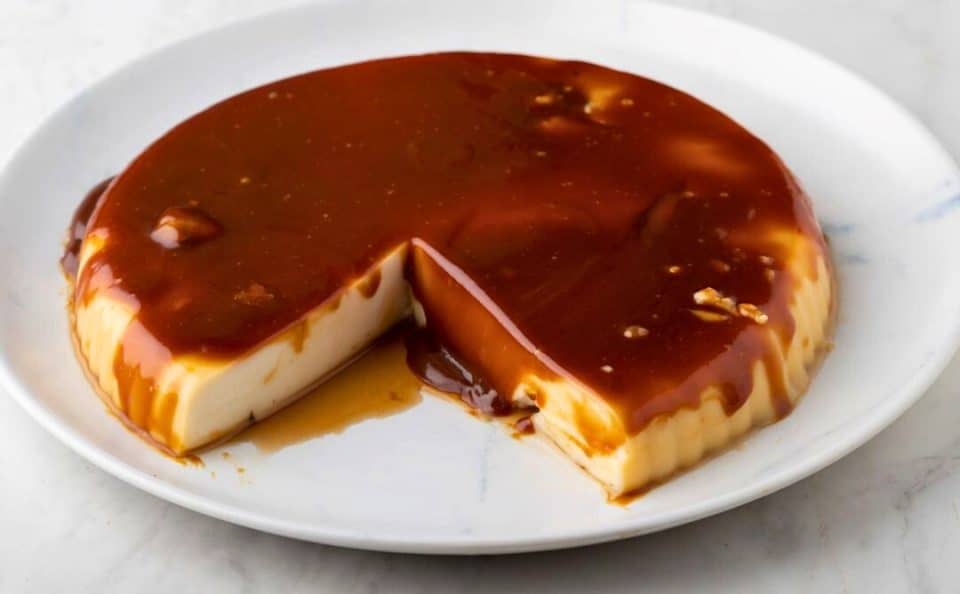
Crème brûlée, characterized by its contrasting textures of a cool, silky vanilla custard beneath a hard, torched sugar crust, continues to be a staple of French dining. Food safety and preparation analyses indicate that crème brûlée’s enduring popularity in home kitchens is largely due to its make-ahead convenience; the custards can be prepared days in advance, requiring only a brief application of heat to caramelize the sugar just prior to service.
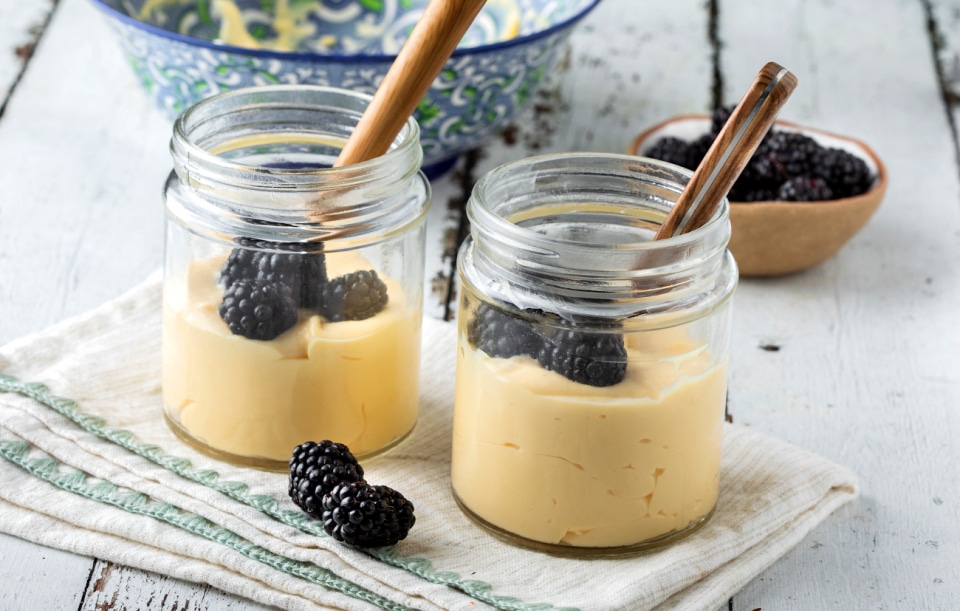
Chocolate mousse, another cornerstone of French gastronomy, achieves its characteristic airy texture through the careful folding of whipped egg whites and cream into melted chocolate. When paired with seasonal citrus, such as fresh orange segments, or spiced speculoos biscuits, the dessert bridges the gap between everyday indulgence and holiday festivity.

Other notable traditional items include canelés from Bordeaux—small, fluted pastries featuring a deeply caramelized exterior and a tender, custardy interior flavored with rum and vanilla—and Madeleines, which offer a delicate, shell-shaped cake ideal for holiday tea service or post-dinner dining.
Economic and Cultural Implications of French Holiday Baking
The global appreciation for French pastry techniques has significant economic implications for the culinary and hospitality sectors. Specialty baking ingredient suppliers report substantial spikes in sales of high-fat European-style butter, specialty chocolates, and vanilla beans during the fourth quarter of the year. Culinary schools and online cooking platforms likewise note increased enrollment in pastry courses as home bakers seek to master techniques such as tempering chocolate, whipping sabayons, and executing the delicate rise of a chocolate soufflé.
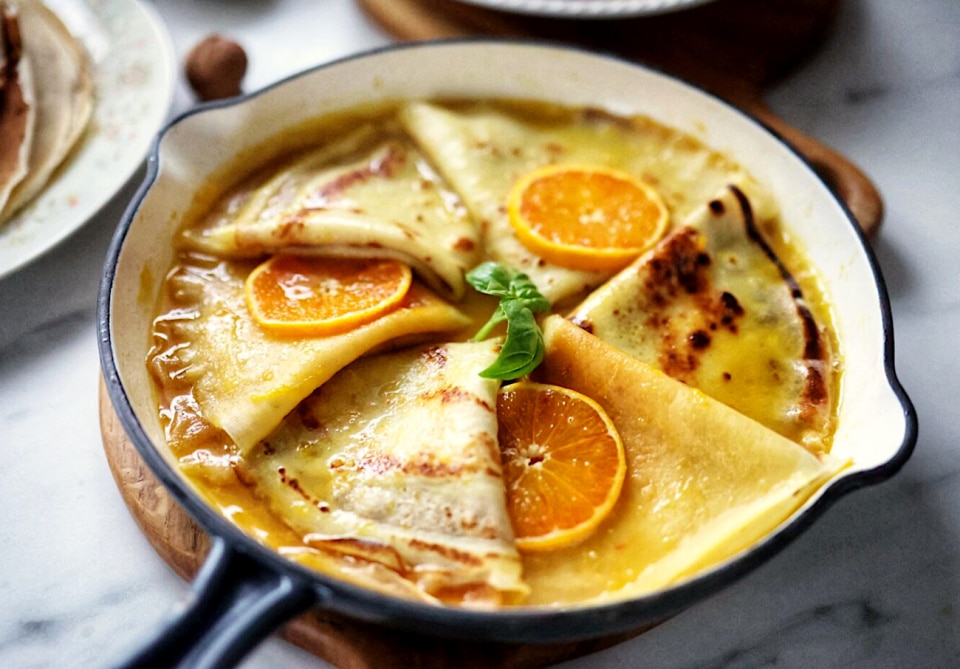
Industry experts emphasize that the appeal of French holiday desserts lies not merely in their aesthetic presentation, but in their ability to transform a standard family meal into a formal celebration. As home cooks continue to seek elevated culinary experiences, the integration of French patisserie into domestic holiday celebrations reflects a broader cultural appreciation for craftsmanship, tradition, and shared indulgence.