Chinese Shrimp And Tofu Soup
Chinese Shrimp and Tofu Soup: A Nutrient-Rich and Flavorful Culinary Exploration
Chinese shrimp and tofu soup, a staple in many Chinese households and a popular item on restaurant menus, offers a delightful intersection of delicate flavors, satisfying textures, and significant nutritional benefits. This dish, often referred to by various regional names such as "Xia Ren Dou Fu Tang" (虾仁豆腐汤) in Mandarin, is far more than just a simple broth. It’s a testament to the Chinese culinary philosophy of balancing ingredients for both taste and well-being, showcasing the complementary nature of tender shrimp and silken tofu. The soup’s appeal lies in its adaptability; while a foundational recipe exists, variations abound, incorporating a spectrum of vegetables, aromatics, and even different types of tofu, allowing for a personalized and consistently satisfying culinary experience. Understanding the nuances of its preparation and the individual contributions of its core components is key to appreciating this seemingly simple yet profoundly satisfying dish.
The foundational elements of Chinese shrimp and tofu soup are precisely that: foundational. Shrimp, a lean protein source, provides a delicate sweetness and a tender, slightly firm texture that readily absorbs the surrounding flavors. The quality of the shrimp is paramount; fresh, plump shrimp, often medium to large in size, will yield the best results. They are typically shelled and deveined, with some recipes advocating for marinating them briefly in a mixture of cornstarch, Shaoxing wine, and a pinch of salt and white pepper to enhance their tenderness and impart subtle savory notes. This marination step is crucial for achieving that characteristic melt-in-your-mouth quality. Tofu, the other star of the show, brings its own unique attributes. Silken or soft tofu is most commonly used due to its incredibly smooth, custard-like texture. Its neutral flavor profile makes it an excellent canvas for the broth and other ingredients to shine. When gently added to the simmering soup, it breaks down slightly, contributing a creamy richness to the broth without becoming mushy, provided it’s handled with care. The contrast between the yielding tofu and the slightly firmer shrimp is a textural hallmark of this soup.
Beyond the core duo, the broth is the soul of any Chinese soup, and in this case, it’s a delicate yet flavorful base. A well-executed broth for shrimp and tofu soup is typically light, clear, and infused with umami. Chicken or vegetable stock forms the usual foundation, offering a subtle savory depth. However, the magic truly happens with the aromatics and seasonings. Fresh ginger, thinly sliced or julienned, is indispensable, its pungent warmth cutting through any potential richness and adding a refreshing zest. Garlic, minced, contributes its characteristic pungent aroma and flavor. While not always present in every regional variation, scallions (green onions) are often incorporated, both for their mild oniony bite and for their vibrant green hue when used as a garnish. The seasoning is typically straightforward but precise: a splash of Shaoxing wine (Chinese rice wine) introduces a subtle complexity and helps to meld the flavors, while soy sauce or tamari provides saltiness and a hint of umami. White pepper, with its distinct aroma and milder heat than black pepper, offers a gentle warmth that complements the seafood and tofu without overpowering them. A touch of sesame oil, added towards the end of cooking or as a final drizzle, imparts its characteristic nutty aroma and luxurious mouthfeel, elevating the overall sensory experience.
The construction of this soup often involves a specific order of operations to ensure optimal texture and flavor development. Typically, the aromatics – ginger and garlic – are gently sautéed in a touch of oil until fragrant, releasing their essential oils into the pan. This initial step is crucial for building the flavor base. The stock is then added and brought to a gentle simmer. Once the broth is simmering, the marinated shrimp are introduced. Due to their rapid cooking time, shrimp are usually added towards the end of the simmering process, often just a few minutes before serving, to prevent them from becoming tough and rubbery. Simultaneously, the tofu, carefully cubed or gently broken into bite-sized pieces, is added. It’s important to stir the soup very gently after adding the tofu to avoid breaking it down too much. The cornstarch slurry – a mixture of cornstarch and water – is then gradually whisked into the simmering soup. This slurry serves to thicken the broth slightly, giving it a more luxurious consistency and allowing the flavors to cling to the ingredients. The cornstarch slurry should be added in small increments, stirring continuously, until the desired thickness is achieved. Over-thickening can result in a gummy texture, so careful observation is key. Finally, the seasonings – Shaoxing wine, soy sauce, and white pepper – are adjusted to taste.
The nutritional profile of Chinese shrimp and tofu soup is a significant contributing factor to its enduring popularity, aligning perfectly with contemporary health-conscious dietary trends. Shrimp are a powerhouse of lean protein, essential for muscle repair and growth, and are remarkably low in calories and fat. They are also a good source of selenium, an important antioxidant, as well as vitamin B12, crucial for nerve function and red blood cell formation. Tofu, derived from soybeans, offers a complete plant-based protein, containing all nine essential amino acids. It is rich in isoflavones, which have been linked to various health benefits, including potential protection against certain cancers and improved bone health. Tofu also provides calcium and iron, especially when made with calcium sulfate, a common coagulant. The combination of shrimp and tofu creates a well-rounded protein intake, making the soup a satisfying and satiating meal or a light yet nourishing appetizer. Furthermore, the broth itself, when made with a good quality stock and a variety of vegetables, can contribute valuable vitamins, minerals, and hydration. The low fat content, especially when minimal oil is used in preparation, makes it a suitable choice for those managing their weight or seeking heart-healthy options.
Variations and enhancements to the basic Chinese shrimp and tofu soup are virtually limitless, reflecting the adaptability of Chinese cuisine. The inclusion of vegetables adds both nutritional complexity and textural interest. Common additions include thinly sliced carrots for sweetness and vibrant color, tender snow peas or sugar snap peas for a fresh crunch, and finely chopped bok choy or spinach for added greens and nutrients. Mushrooms, such as shiitake or enoki, can impart a deep, earthy umami flavor. For those seeking a more robust soup, a small amount of lean ground pork can be added, typically browned before the aromatics. Some regional variations might incorporate a touch of chili for a gentle heat, or a sprinkle of cilantro for a burst of fresh herbaceousness. The type of tofu can also be varied; while silken tofu is preferred for its melt-in-your-mouth quality, firm or extra-firm tofu can be used if a firmer texture is desired, though it will not contribute the same creamy richness to the broth. The broth itself can be enhanced with the addition of dried shiitake mushrooms simmered for an extended period to extract their deep flavor, or even a small piece of dried kombu (seaweed) for an extra layer of oceanic umami. The garnishes are also a key area for customization. While scallions are a classic, a sprinkle of toasted sesame seeds can add a nutty crunch, or a few strands of julienned ginger can provide an extra aromatic punch. The key to successful variation lies in understanding how each ingredient contributes to the overall balance of flavor and texture, ensuring that no single element overpowers the delicate harmony of the dish.
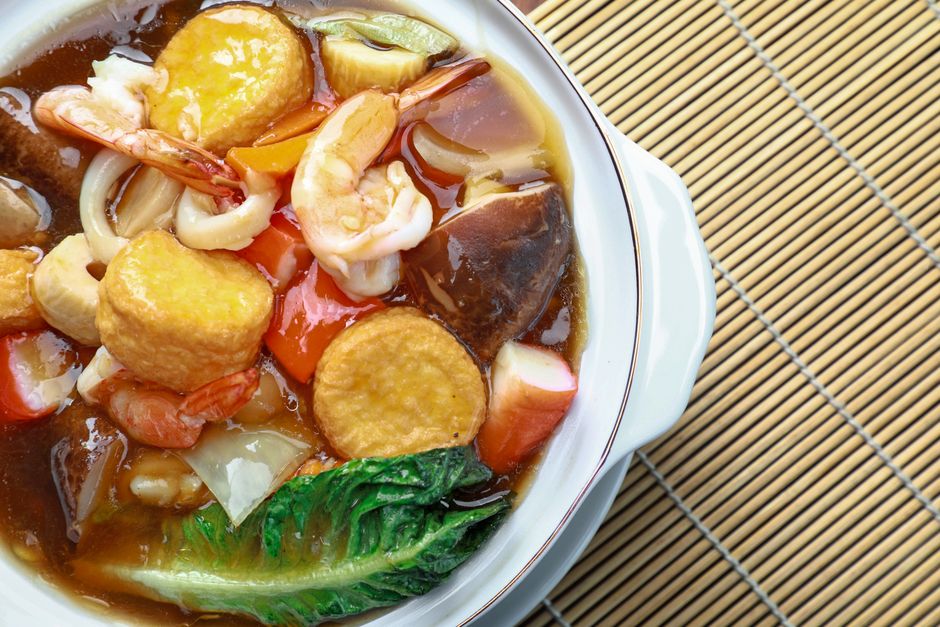
The culinary significance and global appeal of Chinese shrimp and tofu soup extend beyond its immediate nutritional and gustatory merits. It represents a gateway into the broader world of Chinese soups, which are often considered medicinal or restorative in nature. The emphasis on using fresh, seasonal ingredients and the careful consideration of their energetic properties (as per traditional Chinese medicine principles, though not explicitly stated in this recipe) contribute to its perception as a wholesome and nourishing dish. The simplicity of its preparation, once mastered, makes it an accessible dish for home cooks of all skill levels, fostering a connection to traditional Chinese culinary practices. Its popularity in Chinese restaurants worldwide is a testament to its universal appeal, transcending cultural boundaries and resonating with diverse palates. The adaptability of the recipe allows it to be tailored to individual preferences and dietary needs, further cementing its status as a beloved and enduring culinary creation. The visual appeal, with its delicate interplay of white tofu, pink shrimp, and vibrant green garnishes, adds to its overall attractiveness, making it a delightful addition to any meal.
In conclusion, Chinese shrimp and tofu soup stands as a remarkable example of how simple ingredients, expertly combined, can yield a dish of profound depth and satisfaction. Its delicate balance of flavors, contrasting textures, and substantial nutritional benefits make it a cornerstone of Chinese home cooking and a celebrated offering in culinary traditions globally. From the succulent sweetness of the shrimp to the silken embrace of the tofu, all enveloped in a subtly seasoned, aromatic broth, this soup is a testament to the artistry and efficacy of Chinese culinary wisdom. The ease with which it can be customized further solidifies its place as a versatile and enduring dish, consistently delivering nourishment and delight with every spoonful.