Recipe 7399 Tres Leches Milk Cake
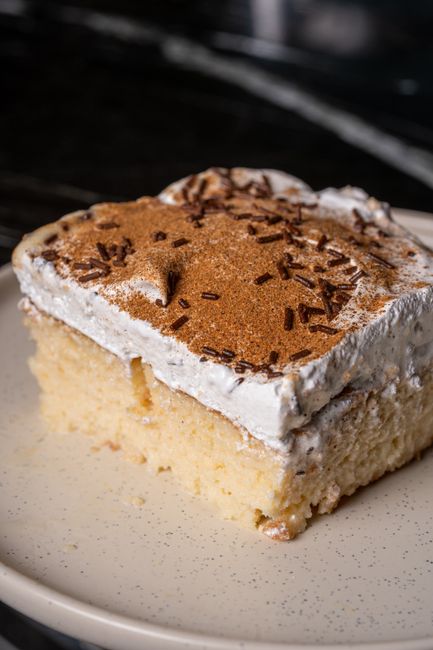
7399 Tres Leches Milk Cake: An In-Depth Culinary Exploration
Recipe 7399, the Tres Leches Milk Cake, represents a pinnacle of dessert artistry, a rich, decadent, and surprisingly moist confection that has captivated palates worldwide. This sponge cake, soaked in a trio of milks, offers an unparalleled textural experience and a symphony of sweet, creamy flavors. The fundamental appeal of tres leches lies in its inherent simplicity juxtaposed with its luxurious outcome. It’s a dessert that transcends cultural boundaries, celebrated in Latin American kitchens and beyond for its comforting yet sophisticated profile. Understanding the nuances of this recipe, from ingredient selection to baking techniques, is crucial for achieving its signature perfection. The "tres leches" itself translates to "three milks," and this is the defining characteristic that sets this cake apart. These milks – evaporated milk, condensed milk, and heavy cream – are combined and infused into the porous structure of a baked sponge cake, creating a dessert that is simultaneously airy and impossibly moist. This article will delve deep into the intricacies of recipe 7399, providing comprehensive guidance for both novice and experienced bakers seeking to master this beloved dessert.
The foundation of recipe 7399 is a perfectly baked sponge cake. This isn’t just any cake; it requires a light, airy crumb that will readily absorb the luscious milk mixture without becoming soggy or dense. The ideal sponge for tres leches is typically a génoise or a slightly modified version thereof. The key to a successful sponge lies in its leavening, which primarily comes from the mechanical incorporation of air into the eggs. Many recipes, including 7399, emphasize beating eggs, often whole eggs or yolks and whites separately, to a pale, thick ribbon stage. This aeration is paramount. Flour, usually a low-protein cake flour, is then gently folded in to avoid deflating the air pockets. The fat content in a traditional sponge is minimal, which contributes to its lightness and ability to soak up liquids effectively. Over-mixing the flour will develop gluten, resulting in a tougher, denser cake, which is undesirable for this application. Baking time and temperature are also critical. The cake should be baked until a toothpick inserted into the center comes out clean, indicating it’s fully cooked but not overbaked. An overbaked sponge will be dry and less receptive to the milk soak, compromising the final texture. The thickness of the cake layer is also a consideration; a moderately thick cake, typically around 1.5 to 2 inches, provides ample surface area for milk absorption without becoming unwieldy.
The heart of recipe 7399, and indeed any tres leches cake, is the eponymous "three milks" mixture. This liquid gold is what transforms a simple sponge into a culinary marvel. The three components, evaporated milk, sweetened condensed milk, and heavy cream, each play a vital role in achieving the desired flavor and texture. Evaporated milk, a concentrated and sterilized milk with a slightly caramelized, nutty flavor, provides a depth that regular milk cannot replicate. Sweetened condensed milk, a thick, syrupy liquid with an intensely sweet and creamy profile, contributes sweetness and a rich mouthfeel. The high sugar content also helps to prevent the milk from freezing into ice crystals if the cake is stored in the freezer. Heavy cream, with its high fat content, adds a luxurious richness and silken texture to the soak. Some variations of recipe 7399 might include a touch of vanilla extract or a pinch of cinnamon in the milk mixture to enhance the aromatic complexity. The ratio of these three milks is crucial. Too little and the cake will be dry; too much and it can become overly saturated and fall apart. The milks are typically whisked together until thoroughly combined, ensuring a homogenous mixture ready to be poured over the cooled cake.
The absorption process is where the magic of recipe 7399 truly unfolds. Once the sponge cake has cooled completely – this is vital to prevent the milk from "cooking" and potentially curdling – the milk mixture is poured evenly over the entire surface of the cake. It’s often beneficial to prick the cake all over with a fork or skewer before pouring the milk. This creates numerous small holes, allowing the liquid to penetrate deeply and evenly into the cake layers. The process is usually done in stages. A portion of the milk is poured, allowed to soak in, and then more is added until all the liquid is absorbed. This gradual absorption prevents the cake from becoming waterlogged on the surface while ensuring the interior is thoroughly saturated. The cake is then typically refrigerated for several hours, ideally overnight. This resting period is not merely for chilling; it’s essential for the milks to fully meld with the cake, allowing the flavors to deepen and the texture to become uniformly moist and tender. The cold temperature also firms up the cake, making it easier to slice and serve.
Toppings are an integral part of the complete tres leches experience as outlined in recipe 7399. While the cake itself is a triumph, a well-chosen topping elevates it to new heights. The most traditional and popular topping is whipped cream. Made from heavy cream and often sweetened with a touch of powdered sugar, it provides a light, airy contrast to the dense, milky cake. The subtle sweetness of the whipped cream complements the rich sweetness of the tres leches without overpowering it. Some chefs and home bakers opt for a meringue topping, either a French or Italian meringue, which offers a more stable and glossy finish with a delightful crispness that yields to a soft, marshmallow-like interior upon biting. For those seeking a more pronounced flavor profile, a topping of fresh berries, such as strawberries, raspberries, or blueberries, can add a refreshing tartness and vibrant color. A sprinkle of cinnamon over the whipped cream or meringue is a classic finishing touch that adds warmth and aromatic depth, echoing the flavors often found in the milk soak itself. Some modern interpretations might introduce variations like a caramel drizzle or a chocolate ganache, offering a more decadent and indulgent twist on the classic. The key is to select a topping that enhances, rather than detracts from, the core flavors and textures of the tres leches cake.
The precise measurements and ingredient quality for recipe 7399 are non-negotiable for optimal results. For the cake itself, using a good quality cake flour will yield a more tender crumb than all-purpose flour. The eggs should be at room temperature, as they whip to a greater volume when warm. Similarly, all dairy ingredients for the milk soak should be cold, which aids in maintaining their individual integrity before combining. Sweetened condensed milk is available in various brands, and while most are comparable, some bakers have brand preferences for the exact level of sweetness and viscosity. Evaporated milk, too, comes in different fat percentages; whole milk evaporated milk is generally preferred for its richer flavor. Heavy cream should have a minimum of 36% butterfat to ensure it whips properly and adds sufficient richness. The quality of vanilla extract also matters; pure vanilla extract will provide a more nuanced flavor than artificial vanillin. Understanding the function of each ingredient allows for informed substitutions or adjustments if necessary, though for recipe 7399, adhering closely to the specified ingredients is highly recommended for a first attempt.
Troubleshooting common issues with recipe 7399 is crucial for achieving consistently excellent results. One common problem is a dry cake, which can stem from overbaking the sponge or not allowing sufficient time for the milk soak. Ensuring the cake is not baked beyond the "clean toothpick" stage and allowing for the full overnight refrigeration period are vital to combat dryness. Conversely, a cake that is too wet or falls apart might be due to over-soaking, using a cake that is too thin, or pouring too much milk mixture at once. Gradual pouring and adequate chilling time can prevent this. A cake that fails to rise properly is usually a sign of overmixing the flour or improperly aerated eggs. Gentle folding of dry ingredients and ensuring eggs are whipped to the ribbon stage are key preventative measures. If the milk soak appears to be separating or curdling, it could be due to pouring warm milk onto a warm cake, or the quality of the dairy ingredients. Always use chilled dairy and ensure the cake is completely cooled. The texture of the tres leches should be consistently moist throughout, with no dry patches or overly soggy areas. Achieving this delicate balance requires attention to detail at every stage of the process.
The culinary significance of recipe 7399 extends beyond its deliciousness. It’s a dessert that embodies comfort and celebration. Its rich, creamy profile makes it a popular choice for birthdays, holidays, and gatherings. The inherent simplicity of its preparation, once the techniques are mastered, makes it accessible for home bakers looking to impress. The ability to customize the topping allows for individual expression, making each tres leches cake unique. In many cultures, tres leches is more than just a dessert; it’s a symbol of hospitality and shared joy. The act of preparing and sharing this cake often carries with it a sense of tradition and familial connection. The recipe’s enduring popularity is a testament to its irresistible taste and textural appeal, a harmonious blend of airy sponge and velvety milk infusion that consistently satisfies.
For those seeking to delve deeper into recipe 7399, exploring variations can be a rewarding endeavor. While the classic three milks are the standard, some recipes might incorporate a touch of rum or a liqueur like Kahlua into the milk soak for an adult twist. The sponge cake itself can be infused with citrus zest, such as lime or orange, to add a bright counterpoint to the richness. Some bakers experiment with different types of sponges, like a chiffon cake for an even lighter texture, though careful adjustment of the milk soak might be necessary. The topping possibilities are nearly endless, from delicate fruit mousses to decadent chocolate shavings. However, for those new to this recipe, it is highly recommended to start with the classic version to fully appreciate its inherent perfection. Mastering the fundamentals of recipe 7399 provides a solid foundation for exploring these more adventurous variations. The core principles of a well-baked sponge and a balanced milk soak remain paramount, regardless of any embellishments.
In conclusion, recipe 7399, the Tres Leches Milk Cake, stands as a testament to the power of simple ingredients combined with precise technique to create an extraordinary dessert. From the airy lightness of the sponge to the luxuriously moist embrace of the three milks, every element contributes to its unparalleled appeal. Understanding the role of each component – the aeration of the eggs, the gentle folding of flour, the specific qualities of evaporated milk, condensed milk, and heavy cream, and the crucial resting period – is key to unlocking its full potential. While common challenges can arise, diligent attention to detail and adherence to established methods will guide any baker towards success. Recipe 7399 is more than just a collection of ingredients; it’s an experience, a culinary journey that culminates in a dessert celebrated for its comforting sweetness and its ability to bring people together. Mastering this recipe is a rewarding achievement, offering a delightful and impressive dessert for any occasion.