
Cream Cheese Bars I

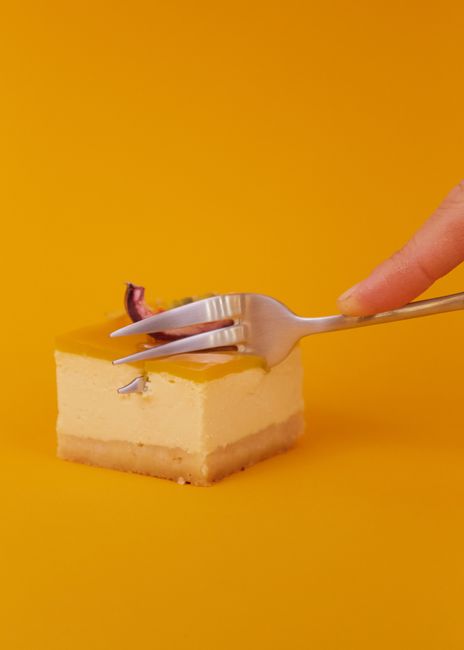
The Ultimate Guide to Cream Cheese Bars: From Classic to Creative Recipes and Baking Mastery
Cream cheese bars, a beloved baked good, offer a delightful duality: the rich, tangy creaminess of a cheesecake married with the comforting, crumbly texture of a bar cookie. This approachable dessert transcends special occasions, easily fitting into weeknight treats or potluck contributions. Their versatility is a significant factor in their enduring popularity. Beyond the archetypal vanilla-flecked bar, the canvas of cream cheese is ripe for countless flavor injections, crust variations, and topping embellishments, making it a endlessly adaptable treat for any palate or culinary inspiration. Understanding the fundamental components of a successful cream cheese bar is key to both replicating classic perfection and innovating with confidence.
The foundation of nearly all cream cheese bars rests on a carefully balanced combination of ingredients designed to achieve that signature dense yet yielding texture and nuanced flavor. The star, of course, is cream cheese. Opt for full-fat, block-style cream cheese for the most superior results. Lower-fat versions or spreadable cream cheese from a tub can introduce too much moisture, leading to a less stable and potentially greasy bar. Room temperature cream cheese is non-negotiable. Cold cream cheese will result in lumps and an uneven batter, requiring overmixing which can toughen the final product. The fat content in full-fat cream cheese contributes to a luxurious mouthfeel and rich flavor that is central to the appeal of these bars. When softened, it emulsifies smoothly with other ingredients, creating a homogenous batter that bakes into a uniformly creamy texture.
Sweeteners play a crucial role, with granulated sugar being the most common. It not only provides sweetness but also contributes to tenderness and browning. The amount of sugar can be adjusted to suit individual preferences, but significantly altering it can impact the texture and stability of the bars. Eggs are binders, providing structure and richness. Like the cream cheese, eggs should be at room temperature to ensure they incorporate seamlessly into the batter, preventing a curdled appearance and promoting a smooth, consistent texture. Over-whipping eggs can introduce too much air, which might cause the bars to puff excessively during baking and then collapse, resulting in a less dense, more cake-like texture. Vanilla extract is the quintessential flavor enhancer, rounding out the tang of the cream cheese and adding a warm aroma. Other extracts, like almond or lemon, can be used to introduce subtle flavor variations. A touch of salt is also essential for balancing sweetness and intensifying other flavors.
The crust is another critical element that defines a cream cheese bar. The most classic crust is a simple shortbread-style base made from flour, sugar, and butter. This provides a sweet, slightly crumbly counterpoint to the creamy filling. The butter in the crust should be cold and cut into the dry ingredients until the mixture resembles coarse crumbs. This technique, known as "cutting in," develops a flaky texture by coating the flour particles with fat, preventing excessive gluten development. Overworking the crust dough can lead to tough bars. For a slightly richer and more decadent crust, some recipes incorporate cream cheese or an egg yolk into the crust mixture. Graham cracker crusts are another popular and incredibly easy option, offering a sweet, spiced flavor profile. The crumbs are typically mixed with melted butter and a touch of sugar before being pressed into the pan. Other innovative crust options include crushed cookies (like Oreos or shortbread cookies), nuts (ground almonds or pecans), or even oats for a heartier texture. The key to a successful crust, regardless of its composition, is to press it firmly and evenly into the baking pan to create a stable base that won’t crumble when the bars are cut.
Baking cream cheese bars requires careful attention to temperature and time to achieve the perfect set. Overbaking will result in dry, rubbery bars, while underbaking will leave them too soft and unset. The edges of the bars should be set and lightly golden, while the center may still have a slight jiggle. This jiggle indicates that the bars will continue to set as they cool. A water bath, while more commonly associated with cheesecakes, can also be beneficial for cream cheese bars, especially larger, denser ones. It helps to create a more even baking environment, preventing the edges from overcooking before the center is done and minimizing the risk of cracks. However, for typical bar recipes, this is often omitted for simplicity. Cooling is just as important as baking. Allow the bars to cool in the pan on a wire rack for at least 30 minutes before attempting to cut them. This allows them to firm up sufficiently. For the cleanest cuts, chilling the bars in the refrigerator for at least a couple of hours, or even overnight, is highly recommended.
The beauty of cream cheese bars lies in their boundless potential for flavor customization. The classic vanilla-sweet cream cheese bar is a perennial favorite, but venturing beyond this simple rendition opens a world of delicious possibilities. Fruit flavors are an obvious and popular choice. Swirling in fruit purees like raspberry, strawberry, or blueberry before baking creates beautiful marbled patterns and bursts of fruity tartness. Baked berries, either fresh or thawed frozen berries, can be scattered over the cream cheese mixture for pockets of intense fruit flavor and texture. Lemon or lime zest offers a bright, citrusy counterpoint to the rich cream cheese, a refreshing option particularly during warmer months. Chocolate lovers can rejoice with variations like chocolate chip cream cheese bars, where chocolate chips are folded into the filling or sprinkled on top. A double chocolate version, with a chocolate crust and chocolate chips, is decadence personified. For a more sophisticated twist, consider adding cocoa powder to the filling or swirl in melted chocolate for a brownie-cheesecake hybrid. Coffee or espresso powder can be incorporated for a mocha-inspired bar, while a touch of cinnamon or nutmeg can lend a warm, comforting spice.
Nutella, peanut butter, or caramel can be swirled into the cream cheese filling, creating rich, indulgent flavor combinations. Layering the cream cheese filling over a brownie base or a cookie dough base creates layered delights that offer a textural contrast and a complex flavor profile. Toppings can elevate cream cheese bars to new heights. A simple dusting of powdered sugar is elegant and classic. A drizzle of chocolate ganache, caramel sauce, or fruit coulis adds visual appeal and an extra layer of flavor. Toasted nuts, shredded coconut, or even a sprinkle of sea salt can provide textural interest and a delightful savory element. For seasonal celebrations, consider themed toppings: festive sprinkles for holidays, candied cranberries for Christmas, or fresh berries and mint for summer gatherings.
When it comes to baking cream cheese bars, precision and patience are key. Always preheat your oven thoroughly to ensure even baking. Lining your baking pan with parchment paper, leaving an overhang on the sides, makes lifting the cooled bars out of the pan significantly easier, preventing breakage and ensuring clean presentation. For bars with distinct layers, such as a crust, filling, and topping, allowing each layer to set appropriately before adding the next can be crucial. For instance, if baking a brownie base before adding the cream cheese layer, ensure the brownie is mostly set but still slightly underbaked to avoid a dry foundation. Similarly, when adding a topping like a fruit compote or ganache, it’s often best to apply it to cooled or mostly cooled bars to prevent melting or excessive spreading.
Troubleshooting common issues can improve your cream cheese bar baking success rate. If your bars are too soft and won’t set, it’s often due to insufficient baking time, an oven temperature that was too low, or an excess of moisture in the ingredients (e.g., using tub cream cheese or not draining excess liquid from fruit). Conversely, if your bars are dry and crumbly, they may have been overbaked, or the ratio of dry to wet ingredients was off. Cracks on the surface can occur from overmixing the filling, overbaking, or a sudden temperature change during cooling. To avoid these, ensure all ingredients are at room temperature, mix the filling just until combined, and cool the bars gradually.
Storage of cream cheese bars is also an important consideration. Due to their dairy content, they should be stored in an airtight container in the refrigerator. They can typically be kept for 3-4 days. For longer storage, they can be frozen. Wrap individual bars tightly in plastic wrap, then in aluminum foil, or place them in a freezer-safe container. Thaw frozen bars overnight in the refrigerator before serving. The freezer-friendly nature of cream cheese bars makes them an excellent make-ahead option for parties or busy weeks.
The enduring appeal of cream cheese bars is rooted in their accessibility, adaptability, and undeniable deliciousness. Whether you’re a novice baker seeking a straightforward yet impressive dessert or an experienced baker looking to experiment with new flavor combinations, cream cheese bars offer a rewarding and consistently satisfying baking endeavor. From the simple elegance of a classic vanilla bar to the complex indulgence of a layered chocolate caramel creation, the humble cream cheese bar continues to captivate taste buds and solidify its place as a cherished baked good in kitchens worldwide. Mastering the basic techniques and understanding the role of each ingredient will empower bakers to create consistently perfect cream cheese bars and to confidently explore the vast landscape of flavor possibilities.


