Irish Soda Bread And Whiskey Butter
Irish Soda Bread and Whiskey Butter: A Culinary Pairing for the Ages
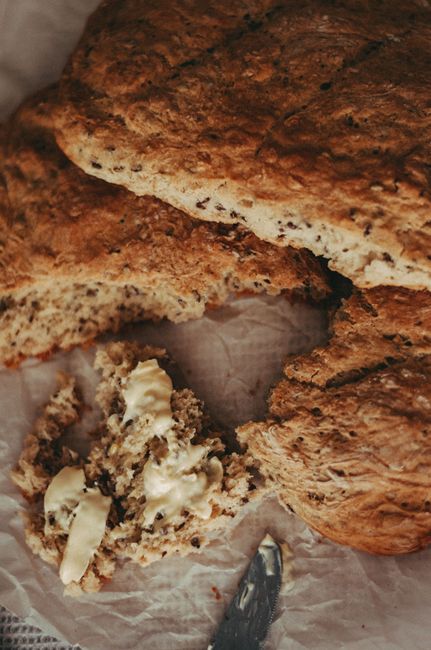
Irish soda bread, a staple of Irish cuisine, offers a deeply satisfying texture and a subtly tangy flavor. Its creation is remarkably straightforward, relying on the leavening power of baking soda rather than yeast, a historical necessity in a land where yeast could be scarce or expensive. The fundamental ingredients are four: flour, baking soda, salt, and buttermilk. The beauty of soda bread lies in its simplicity and the resultant hearty crumb, perfect for accompanying robust flavors. Traditionally, it’s baked in a round loaf, often scored with a cross on top. This cross, beyond its aesthetic appeal, is believed by some to ward off evil spirits, while others suggest it aids in even baking, allowing heat to penetrate the dense interior. The texture is dense yet tender, with a slightly chewy crust that yields to a soft, slightly moist interior. The tang comes from the buttermilk, which reacts with the baking soda to produce carbon dioxide gas, causing the bread to rise. The absence of yeast fermentation means soda bread doesn’t develop the complex aromas of yeasted breads, but it possesses its own unique character – wholesome, comforting, and fundamentally Irish. It’s a bread born of necessity and resourcefulness, embodying the spirit of Irish home baking. The flour most commonly used is all-purpose or a mix of all-purpose and whole wheat, contributing to the bread’s rustic charm and nutritional value. The salt enhances the flavors, and the baking soda, when combined with the acidic buttermilk, creates the characteristic rise and tender crumb. The mixing process is crucial: overmixing develops the gluten too much, leading to a tough loaf. A light, quick hand is key to achieving the ideal texture. The dough is typically brought together just until it forms a cohesive mass, then shaped and baked immediately to capture the leavening action. The result is a bread that is both rustic and refined, a testament to simple ingredients and time-honored techniques.
Whiskey butter, a luxurious accompaniment to Irish soda bread, elevates the humble loaf into something truly special. This rich, creamy spread harmonizes with the bread’s inherent flavors, adding a decadent sweetness and a warming hint of Irish whiskey. The preparation is deceptively simple, involving high-quality butter, a touch of sugar or honey for sweetness, and a generous pour of Irish whiskey. The whiskey not only imparts its distinctive flavor but also adds a subtle complexity and depth that rounds out the richness of the butter. The alcohol content mellows during mixing, leaving behind the nuanced notes of the spirit – perhaps hints of fruit, spice, or oak, depending on the whiskey chosen. The butter itself should be unsalted and at room temperature to ensure it creams easily. The sweetness balances the whiskey’s sharpness and complements the subtle tang of the soda bread. Honey offers a more complex, floral sweetness than granulated sugar, but both are viable options. The key is to incorporate the whiskey gradually, allowing it to emulsify with the butter and sugar, creating a smooth, spreadable consistency. The resulting whiskey butter is not just a condiment; it’s an experience. It melts into the warm soda bread, creating pockets of luscious flavor that are both comforting and sophisticated. It’s a perfect example of how simple, high-quality ingredients, when combined thoughtfully, can create something extraordinary. The ratio of butter to whiskey and sweetener can be adjusted to personal preference. Some prefer a bolder whiskey flavor, while others favor a more subtle hint. The texture should be creamy and spreadable, not greasy. Allowing the mixture to sit and meld allows the flavors to deepen, making it even more delicious. This buttery delight is a testament to the power of simple pairings and the enduring appeal of Irish culinary traditions.
The synergy between Irish soda bread and whiskey butter is a cornerstone of their enduring appeal. The bread, with its sturdy structure and subtle tang, acts as the perfect canvas for the rich, flavorful butter. The slightly coarse texture of the bread provides a satisfying contrast to the smooth, creamy butter. The tang of the buttermilk in the bread cuts through the richness of the butter, preventing it from becoming cloying. Conversely, the sweetness and warmth of the whiskey butter complement the earthy, wholesome notes of the soda bread. It’s a textural and flavor dance that is both comforting and exciting. Imagine a warm slice of soda bread, still faintly steaming, generously slathered with golden whiskey butter. As the butter begins to melt into the warm crumb, the aroma of the whiskey is released, a tantalizing prelude to the first bite. The initial crunch of the crust gives way to the soft, yielding interior, which is then enveloped by the luscious, sweet, and slightly boozy embrace of the whiskey butter. Each mouthful is a complex interplay of textures and tastes – the hearty bread, the creamy butter, the sweet undertones, and the warming whisper of whiskey. This pairing is more than just food; it’s an experience rooted in Irish hospitality and tradition. It’s the kind of food that fosters conversation, warms the soul, and makes any gathering feel special. Whether served for breakfast, as an afternoon snack, or as part of a larger meal, this iconic duo never fails to impress. The simplicity of the components belies the depth of satisfaction they provide. It’s a testament to the power of well-chosen ingredients and the magic that happens when they come together.
The historical context of Irish soda bread’s development significantly influences its recipe and its place in culinary history. The introduction of baking soda as a leavening agent in the mid-19th century revolutionized baking in Ireland. Before this, most bread was leavened with yeast, which required time to ferment and was not always readily available. Factors such as the expense of yeast, the vagaries of its availability, and the rapid pace of modern life contributed to a need for quicker, more accessible baking methods. Baking soda, a readily available chemical leavener, offered an immediate solution. Its reaction with acidic ingredients, most notably buttermilk, produced carbon dioxide gas, causing the dough to rise rapidly without the need for proofing. This made it possible for home bakers to produce fresh bread with minimal time and effort, a significant advantage in a society where resources and time were often limited. Buttermilk, a byproduct of butter making, was abundant in Irish households and its natural acidity was the perfect complement to baking soda. This economical and efficient method of bread production cemented soda bread’s place as a staple. The traditional cross scored on top of the loaf is thought to have originated from this era, with practical reasons like aiding even cooking and mystical beliefs about warding off evil spirits both cited as possible explanations. The rustic, unpretentious nature of soda bread reflects this history of resourcefulness and practicality. It’s a bread that speaks of the kitchen hearth, of family, and of making do with what is available. It’s a testament to Irish resilience and ingenuity in the face of economic challenges. The evolution of soda bread has seen variations emerge, including the addition of raisins, currants, or caraway seeds for sweetness and flavor, but the core four ingredients remain the heart of the classic recipe.
The evolution of whiskey butter is also intertwined with the culinary landscape of Ireland. Butter has always been a central component of the Irish diet, with the country renowned for its high-quality dairy products. The addition of whiskey to butter is a more recent, yet equally significant, development. It reflects a growing appreciation for sophisticated flavor pairings and a desire to incorporate traditional Irish spirits into everyday culinary experiences. While not as historically ingrained as soda bread, whiskey butter has become a beloved accompaniment, celebrated for its ability to enhance the flavors of baked goods. The choice of whiskey is crucial. Irish whiskeys, known for their smooth, often triple-distilled character, are particularly well-suited. Varieties with notes of honey, fruit, and spice can add layers of complexity to the butter. The process of creaming the butter with whiskey and sweetener allows the alcohol to mellow and the flavors to meld, creating a harmonious spread. This practice of infusing butter with spirits or other flavorings is not unique to Ireland, but the specific combination of Irish whiskey and Irish butter holds a special resonance. It’s a culinary expression of national pride and a celebration of iconic Irish products. The popularity of whiskey butter has grown alongside the resurgence of interest in Irish whiskey and the rise of artisan food production. It’s a luxurious treat that transforms a simple slice of bread into a gourmet delight, showcasing the potential for innovation within traditional culinary frameworks. The embrace of whiskey butter signifies a willingness to build upon established traditions, creating new avenues for enjoyment and appreciation.
The nutritional aspects of Irish soda bread, while generally positive, are worth considering. As a bread made primarily from flour, it provides carbohydrates, a primary source of energy. Whole wheat flour, if used in part, will increase the fiber content, which is beneficial for digestion and can contribute to a feeling of fullness. Baking soda itself is a mineral, but its contribution to the overall nutritional profile is minimal. The absence of yeast means it lacks the B vitamins often produced during yeast fermentation, but it still contains inherent nutrients from the flour. Buttermilk contributes calcium and protein, as well as probiotics if it’s live culture buttermilk, which can be beneficial for gut health. The calorie count will vary depending on the size of the loaf and the specific recipe, but it’s generally considered a hearty and filling bread. Compared to highly processed breads, soda bread is a more wholesome choice due to its simpler ingredient list and lack of artificial additives. The preparation method, involving minimal kneading, also tends to result in a bread that is easier to digest for some individuals. When paired with whiskey butter, the nutritional profile shifts. Butter is high in saturated fat and calories, while whiskey contributes calories from alcohol. Therefore, while delicious, whiskey butter is best enjoyed in moderation as a treat. The overall balance of nutrients can be considered from the perspective of a traditional Irish diet, where hearty breads and dairy products were staples, providing sustenance for physically demanding lives. Understanding these nutritional components allows for a more informed appreciation of this classic pairing.
The versatility of Irish soda bread extends beyond its traditional role as a breakfast item. Its dense texture and slightly savory flavor make it an excellent base for a variety of culinary applications. It can be sliced and toasted, providing a delightful crunch. Toasted soda bread can be served with a wide array of toppings, from savory options like smoked salmon, cream cheese, and chives, to sweet choices like jams, honey, or fruit compotes. Its sturdiness also makes it ideal for serving alongside hearty stews and soups, soaking up the rich broths without disintegrating. Consider a thick slice of soda bread alongside a traditional Irish lamb stew or a creamy seafood chowder; the bread acts as a perfect absorbent and textural counterpoint. Beyond its function as a vehicle for butter, soda bread can also be incorporated into other dishes. Crumbled and toasted, it can be used as a breadcrumb topping for gratins or casseroles, adding a unique flavor and texture. In some recipes, stale soda bread can be cubed and used to create a savory bread pudding, a comforting and flavorful dish. The simplicity of the base recipe allows for endless customization. Adding herbs like rosemary or thyme can introduce an aromatic dimension, while incorporating cheese can create a savory, cheesy loaf. Even a simple sprinkle of poppy or sesame seeds on top can add visual appeal and a subtle nutty flavor. The enduring appeal of Irish soda bread lies not only in its history and tradition but also in its inherent adaptability to modern palates and culinary trends. Its ability to serve as both a humble staple and a canvas for creative flavor combinations ensures its continued relevance in kitchens around the world.
The cultural significance of Irish soda bread and whiskey butter cannot be overstated. These dishes are more than just food; they are edible embodiments of Irish identity and hospitality. Soda bread, born out of necessity and resourcefulness, represents the resilience and ingenuity of the Irish people. It is a symbol of home, family, and tradition, evoking memories of kitchens filled with the comforting aroma of freshly baked bread. The act of sharing soda bread is an act of welcome, a gesture of generosity that is deeply ingrained in Irish culture. Whiskey butter, while a more contemporary addition, taps into the rich heritage of Irish whiskey production. It represents a celebration of Ireland’s iconic spirits and a desire to incorporate them into the fabric of everyday life. The pairing of these two items is a testament to the art of simple pleasures, highlighting how humble ingredients, when brought together with care and intention, can create something truly magical. This culinary duo is often associated with special occasions, holidays, and gatherings, but its appeal is also in its ability to elevate ordinary moments into something memorable. Whether served at a festive celebration or as a comforting treat on a quiet afternoon, Irish soda bread and whiskey butter offer a taste of Ireland’s rich culinary heritage and its enduring spirit of warmth and hospitality. They are a reminder that some of the most profound culinary experiences are found in the simplest of pairings, rooted in tradition and executed with love. The shared experience of enjoying this duo fosters connection and reinforces cultural bonds, making it a culinary tradition that continues to thrive and evolve.