
Recipes 2426 BeefTomatoandOkraStew

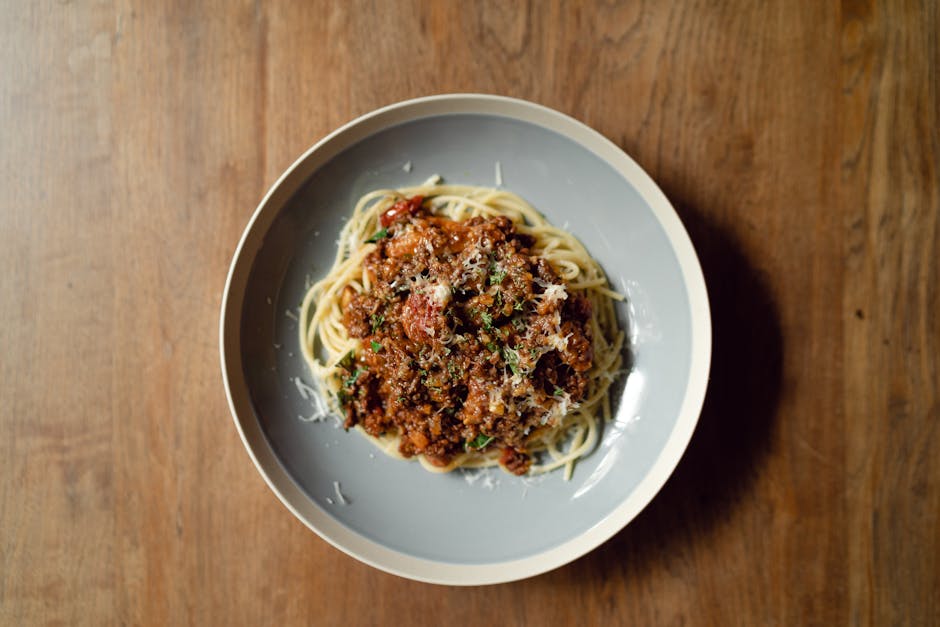
2426 Beef, Tomato, and Okra Stew: A Deep Dive into a Flavorful and Nutritious Dish
The 2426 Beef, Tomato, and Okra Stew, a robust and satisfying culinary creation, offers a compelling blend of tender beef, vibrant tomatoes, and the subtly mucilaginous okra, all simmered into a harmonious and deeply flavorful stew. This dish is more than just a meal; it’s a testament to the power of simple ingredients transformed through patient cooking into something truly exceptional. Its inherent versatility makes it a cornerstone in various regional cuisines, particularly those that embrace hearty, slow-cooked meals. Understanding the nuances of preparing this stew, from ingredient selection to cooking techniques, is key to unlocking its full potential. The foundation of this stew lies in the quality of its primary components. For the beef, cuts like chuck roast, brisket, or even short ribs are ideal. These cuts, rich in connective tissue, break down beautifully during slow cooking, resulting in meltingly tender morsels that infuse the broth with immense depth of flavor. The marbling within these cuts contributes to both tenderness and a richer taste profile. When selecting beef, aim for pieces that are well-marbled and free from excessive sinew. Cubing the beef into roughly 1-inch pieces ensures consistent cooking and allows for optimal surface area for browning, a crucial step in developing complex flavors. The browning process, achieved through searing the beef in hot oil or rendered fat, creates the Maillard reaction, a chemical process responsible for the characteristic savory notes and appealing brown crust on the meat. This initial caramelization is the bedrock upon which the stew’s flavor profile is built. Overcrowding the pan during browning will lead to steaming rather than searing, resulting in pale, unappetizing meat and a less flavorful stew. Therefore, working in batches is a non-negotiable step for achieving superior results.
Tomatoes, the vibrant acidic counterpoint to the richness of the beef, play a pivotal role in the 2426 Beef, Tomato, and Okra Stew. The choice of tomatoes can significantly influence the final taste and texture. Canned diced tomatoes, particularly fire-roasted varieties, offer a concentrated tomato flavor and a pleasant smokiness that complements the beef exceptionally well. Their convenience makes them a popular choice for busy cooks. Fresh tomatoes, when in season and at their peak ripeness, can also be used, though they may require a longer simmering time to break down and release their juices. Ripe beefsteak tomatoes or Roma tomatoes are excellent options for their meaty texture and lower water content. The acidity of the tomatoes not only brightens the overall flavor but also aids in tenderizing the beef as it cooks. The tomato base provides a liquid medium for the stew to simmer in, forming a rich sauce that coats the beef and other ingredients. The interplay between the savory beef and the tangy, slightly sweet tomatoes is a defining characteristic of this dish. Some recipes might also incorporate tomato paste, a concentrated form of tomatoes, to deepen the umami notes and further enhance the stew’s richness. A small amount of tomato paste, browned alongside the aromatics, can impart a significant flavor boost without overwhelming the tomato base.
Okra, often a polarizing ingredient due to its natural mucilage, which can lead to a slimy texture if not handled correctly, is a star player in the 2426 Beef, Tomato, and Okra Stew. When prepared properly, okra adds a unique textural element and a subtle earthy flavor that pairs wonderfully with beef and tomatoes. The key to mitigating okra’s sliminess lies in how it’s incorporated into the stew. Okra is best added towards the latter half of the cooking process. This prevents it from overcooking and releasing excessive mucilage. Cutting the okra into bite-sized pieces, typically ½-inch rounds or chunks, is also important. Some cooks prefer to lightly sauté or even fry the okra before adding it to the stew, which can help to seal in its moisture and reduce sliminess. Alternatively, adding a small amount of acid, such as lemon juice or vinegar, during the cooking process can also help to break down the mucilage. When cooked, okra becomes tender and slightly chewy, providing a pleasing contrast to the soft beef. Its mild flavor is a fantastic vehicle for absorbing the rich stewing liquid, making it an integral part of the overall culinary experience. For those apprehensive about okra’s texture, understanding these preparation techniques is paramount to enjoying its contributions to the stew.
The aromatic foundation of the 2426 Beef, Tomato, and Okra Stew is typically built upon a mirepoix of onions, carrots, and celery, though variations exist. Onions, whether yellow, white, or even red, provide a sweet and pungent base. Sautéing them until translucent or even lightly caramelized is crucial for developing their full flavor potential. Garlic, minced or crushed, adds a pungent warmth that complements the other aromatics. Carrots contribute sweetness and a slight earthiness, while celery offers a subtle peppery note and a tender crunch. These vegetables are usually sautéed in the same pot after the beef has been browned, utilizing the fond (browned bits) left in the pan to build further flavor. Herbs and spices are essential for elevating the stew from good to great. Bay leaves lend a subtle herbal complexity, while thyme, rosemary, or a blend of dried herbs like Italian seasoning can add herbaceous depth. Paprika, either sweet or smoked, contributes color and a mild peppery flavor. Black pepper, freshly ground for optimal pungency, is a universal seasoning. For those seeking a bit of heat, a pinch of red pepper flakes or a diced jalapeño can be incorporated with the aromatics. The careful layering of these aromatics and spices creates a complex flavor profile that evolves throughout the cooking process.
The cooking liquid for the 2426 Beef, Tomato, and Okra Stew is as important as its solid components. Beef broth or stock is the most common choice, providing a savory liquid that enriches the stew. Low-sodium varieties are recommended to allow for better control over the overall saltiness of the dish. For an even richer flavor, a combination of beef broth and red wine can be used. The red wine adds tannins and a sophisticated depth that complements the beef beautifully. The alcohol content evaporates during cooking, leaving behind a complex flavor. Water can be used in a pinch, but it will result in a less flavorful broth. The liquid should be sufficient to mostly cover the ingredients, allowing for gentle simmering and tenderization. The exact amount will depend on the size of the pot and the desired consistency of the stew. Thickeners are sometimes employed to achieve a desirable viscosity. This can include a flour-based roux, cornstarch slurry, or simply allowing the stew to simmer uncovered for a period to reduce the liquid and concentrate the flavors. The goal is a stew that is thick enough to coat the back of a spoon but not so thick that it becomes gloopy.
The cooking method for the 2426 Beef, Tomato, and Okra Stew typically involves slow simmering. After the initial browning of the beef and sautéing of the aromatics, all ingredients are combined in a heavy-bottomed pot, such as a Dutch oven. The liquid is added, and the stew is brought to a gentle simmer. The pot is then covered, and the stew is allowed to cook for an extended period, usually 1.5 to 3 hours, depending on the cut of beef and the desired tenderness. This low and slow cooking process allows the connective tissues in the beef to break down, rendering it exceptionally tender. The flavors meld and deepen over time, creating a harmonious and complex dish. Many recipes recommend braising the stew in the oven, which provides a more consistent and even heat distribution compared to stovetop simmering, further contributing to tender meat and a well-developed sauce. Alternatively, a slow cooker can be employed for a hands-off approach, requiring a similar cooking time but with less active monitoring. The choice of cooking vessel and method can influence the final texture and flavor, but the principle of slow, moist heat remains consistent for achieving optimal results in this stew.
Serving the 2426 Beef, Tomato, and Okra Stew is an opportunity to enhance its already considerable appeal. It is often served piping hot, its rich aroma filling the kitchen. Traditional accompaniments include mashed potatoes, rice, or crusty bread, all of which are perfect for soaking up the flavorful broth. A dollop of sour cream or a sprinkle of fresh parsley can add a refreshing contrast and a pop of color. For those who enjoy a bit of heat, a side of hot sauce or a sprinkle of chili powder can be offered. The stew’s inherent heartiness makes it a complete meal on its own, but its versatility allows for creative additions and pairings. Some regional variations might incorporate other vegetables like bell peppers, peas, or corn, further diversifying the texture and flavor profile. Garnishes play a significant role in presenting the stew appealingly. A scattering of fresh herbs, such as chopped cilantro or chives, can brighten the dish visually and aromatically. The visual appeal of the stew, with its rich, deep color and varied textures, is a testament to the careful preparation and quality of ingredients.
The nutritional profile of the 2426 Beef, Tomato, and Okra Stew is also noteworthy. It’s a good source of protein from the beef, essential for muscle repair and growth. Tomatoes contribute vitamins A and C, as well as antioxidants like lycopene. Okra provides dietary fiber, contributing to digestive health, and is a source of vitamins K and C, as well as magnesium and folate. The inclusion of vegetables like onions and carrots adds further vitamins, minerals, and fiber. While the stew can be rich due to the beef, careful preparation, such as trimming excess fat from the beef and using lean cuts, can contribute to a more balanced nutritional offering. The slow cooking process also helps to retain many of the nutrients in the ingredients. When considering its place in a balanced diet, the 2426 Beef, Tomato, and Okra Stew stands out as a flavorful and nutrient-dense option, particularly when enjoyed in moderation and complemented by other healthy foods. Its ability to satisfy hunger and provide essential nutrients makes it a valuable addition to any culinary repertoire, offering a comforting and wholesome meal that appeals to a wide range of palates. The layered flavors and satisfying textures make it a dish that can be revisited time and again, with each preparation offering a slightly unique, yet consistently delicious, experience.


