
Black Eyed Peas With Pork And Greens

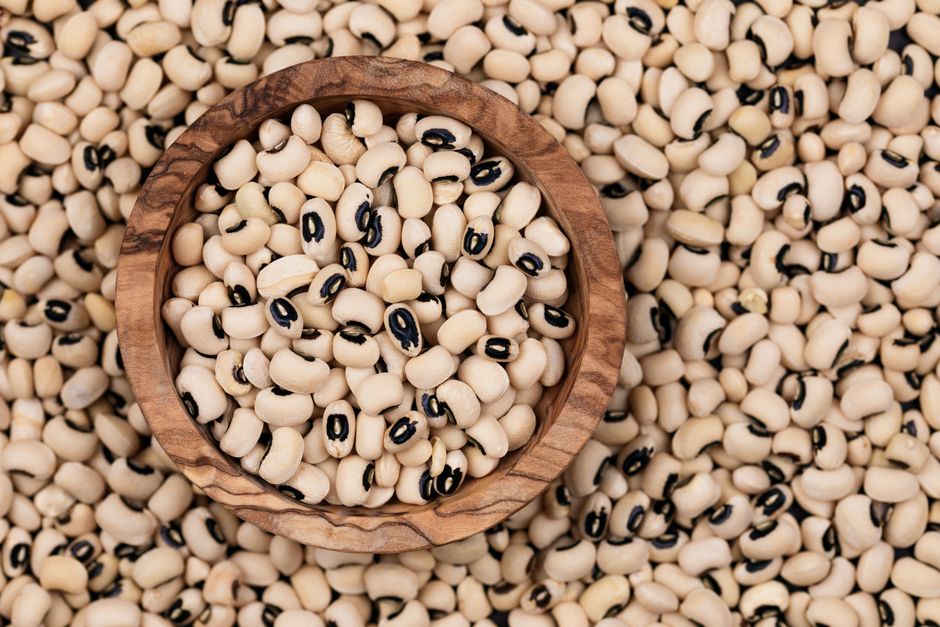
Black Eyed Peas with Pork and Greens: A Culinary Cornerstone of Southern Comfort and Nutrition
Black eyed peas with pork and greens is a dish that transcends mere sustenance; it is a cultural icon, a symbol of Southern heritage, and a surprisingly potent source of essential nutrients. This seemingly humble assemblage of ingredients – tender black eyed peas, savory pork, and nutrient-dense greens – forms the foundation of a comforting and nourishing meal deeply ingrained in the culinary traditions of the American South. Its appeal lies not only in its rich, satisfying flavor profile but also in its historical significance and its remarkable nutritional density, making it a relevant and valuable addition to any modern diet, particularly for those seeking both flavor and functional benefits. The preparation, while often steeped in tradition, also offers a canvas for culinary creativity, allowing for variations that cater to diverse palates and dietary needs, all while retaining the core essence of this beloved dish.
The historical roots of black eyed peas with pork and greens are as rich and complex as its flavor. While the origins of the black eyed pea itself can be traced back to West Africa, its prominence in the American South is intrinsically linked to the history of slavery. Enslaved Africans brought with them not only their culinary knowledge but also the staple crops they cultivated, including the black eyed pea. Initially, these legumes were a vital and accessible source of protein and sustenance for the enslaved population, often prepared simply with whatever pork scraps or seasonings were available. Over time, as the dish became more widespread, it evolved, incorporating various cuts of pork – from salt pork and ham hocks to bacon and smoked sausage – and a wider array of leafy greens like collards, mustard, or turnip greens. The addition of pork was not merely for flavor; it also provided crucial fat and protein, essential for a balanced diet in a time of scarcity. The enduring popularity of this dish speaks to its adaptability and its ability to provide deeply satisfying nourishment using readily available ingredients, a testament to the ingenuity and resilience of those who first prepared it. Its continued presence on tables across the South, from casual family dinners to celebratory feasts, underscores its deep cultural resonance and its position as a beloved culinary heirloom.
Nutritionally, black eyed peas with pork and greens is a powerhouse. Black eyed peas, the star legume, are an exceptional source of plant-based protein, making them a valuable component for vegetarians and vegans, or for anyone looking to reduce their meat consumption without sacrificing protein intake. They are also incredibly rich in dietary fiber, both soluble and insoluble. This fiber content is crucial for digestive health, promoting regularity, and contributing to a feeling of fullness, which can aid in weight management. Furthermore, the soluble fiber in black eyed peas has been shown to help regulate blood sugar levels by slowing down the absorption of glucose, making them a smart choice for individuals managing diabetes or seeking to prevent it. Beyond fiber and protein, black eyed peas are packed with essential micronutrients. They are a significant source of folate (vitamin B9), critical for cell growth and DNA formation, and particularly important during pregnancy. They also provide substantial amounts of iron, vital for oxygen transport in the blood and preventing anemia, as well as manganese, a mineral that plays a role in bone health and metabolism. Potassium is another key mineral found in black eyed peas, essential for maintaining healthy blood pressure and fluid balance. The peas also offer smaller but still beneficial amounts of zinc, magnesium, and B vitamins.
The addition of pork, while contributing to the dish’s iconic flavor, also adds a significant nutritional dimension. Pork is a complete protein, providing all the essential amino acids the body needs. Different cuts of pork will offer varying nutritional profiles. Fattier cuts, like ham hocks or salt pork, contribute more saturated fat and calories but also lend a distinctive depth of flavor and richness. Leaner cuts of pork, such as pork loin or shoulder, offer a more favorable fat-to-protein ratio and are still excellent sources of B vitamins, particularly niacin (B3), thiamine (B1), and vitamin B6, which are crucial for energy metabolism and nervous system function. Pork is also a good source of selenium, an antioxidant mineral that plays a role in thyroid function and immune health, and zinc, which is important for immune function, wound healing, and cell growth. The way the pork is prepared – whether smoked, cured, or fresh – will also influence its nutritional contribution. For instance, cured pork products like bacon or ham hocks will contain added sodium, which is a consideration for those monitoring their intake.
The greens, typically collard, mustard, or turnip greens, elevate the nutritional value of the dish to extraordinary levels. These leafy vegetables are nutritional superstars, often referred to as "superfoods" for good reason. They are exceptionally low in calories but incredibly dense in vitamins and minerals. Collard greens, a Southern staple, are an outstanding source of vitamins K, A, and C. Vitamin K is essential for blood clotting and bone health. Vitamin A, in the form of beta-carotene, is vital for vision, immune function, and skin health. Vitamin C is a potent antioxidant that supports the immune system and aids in collagen production. Mustard and turnip greens are also packed with these same vitamins, along with a robust profile of minerals. They are particularly rich in calcium, an important mineral for bone strength, and magnesium, which is involved in over 300 biochemical reactions in the body, including muscle and nerve function. Like black eyed peas, these greens are also a good source of iron, folate, and potassium, further enhancing the dish’s micronutrient density. Furthermore, the unique compounds found in cruciferous vegetables like mustard and turnip greens, such as glucosinolates, are being studied for their potential anti-cancer properties. The fiber content of these greens also contributes to digestive health and satiety.
The synergistic nutritional impact of combining these three components is remarkable. The plant-based protein and fiber from the black eyed peas, complemented by the complete protein and essential vitamins from the pork, and then amplified by the vitamin, mineral, and antioxidant richness of the greens, creates a meal that is both deeply satisfying and profoundly nourishing. It’s a prime example of how traditional foodways often developed around principles of balanced nutrition, even if not explicitly understood as such at the time. The combination provides sustained energy release due to the fiber content, supports muscle health and repair with its protein profile, and contributes to overall well-being through its extensive vitamin and mineral offering.
Preparing black eyed peas with pork and greens is a culinary ritual for many, steeped in tradition and regional variation. The process typically begins with soaking dried black eyed peas to reduce cooking time and improve digestibility. The pork component is often the flavor base. Smoked ham hocks are a popular choice, providing a deep, smoky flavor and rendered fat that infuses the peas and greens. Salt pork or a piece of fatback can also be used, rendering their richness into the cooking liquid. For a lighter flavor, bacon or smoked sausage can be incorporated. The peas are simmered in water or broth with the pork until tender. The greens are usually added towards the end of the cooking process, allowing them to wilt and soften while retaining their vibrant color and nutrients. They are often chopped or torn into bite-sized pieces. Seasonings are crucial and vary widely. Common additions include onion, garlic, a bay leaf, and a splash of vinegar. The vinegar is a key ingredient, providing a bright counterpoint to the richness of the pork and peas, and also aiding in the tenderization of the greens. Some cooks add a pinch of red pepper flakes for a touch of heat. The cooking liquid, often referred to as "pot liquor," is highly prized for its concentrated flavor and nutrients, and is sometimes served separately as a flavorful broth.
Variations on the classic theme are abundant. Some recipes call for a roux to thicken the pot liquor, creating a richer, gravy-like consistency. Others might incorporate a touch of sweetness with a spoonful of molasses or brown sugar. For those seeking a leaner option, chicken broth can be used instead of pork fat for cooking, and lean cuts of pork or even smoked turkey or chicken can be substituted. The choice of greens also allows for personalization. While collards are the most traditional, mustard greens offer a sharper, spicier flavor, and turnip greens, with their slightly bitter profile, can be equally delicious. Some regions might incorporate a bit of diced bell pepper or celery into the initial sauté of aromatics.
The serving of black eyed peas with pork and greens is as important as its preparation. It is traditionally served as a main course, often accompanied by cornbread, a staple of Southern cuisine that perfectly complements the savory, hearty nature of the dish. The cornbread, with its slightly crumbly texture and subtle sweetness, acts as a perfect vehicle for soaking up the flavorful pot liquor. Other common accompaniments include a side of rice, particularly white rice, which provides a neutral base to highlight the complex flavors of the main dish, or perhaps a dollop of hot sauce for those who enjoy an extra kick. In some families, it’s a complete meal on its own, its density and nutritional completeness providing ample satisfaction.
Beyond its culinary and nutritional merits, black eyed peas with pork and greens holds significant cultural weight. It is a dish often associated with good luck, particularly when eaten on New Year’s Day. The tradition of eating black eyed peas on January 1st is believed to have originated from a combination of West African and American traditions. In many African cultures, peas and beans were considered symbols of wealth and prosperity, as they were legumes that could sustain a population through lean times. During the Civil War, Union troops often raided Confederate food supplies, leaving behind less desirable staples like black eyed peas. Consequently, black eyed peas became a food of necessity for many Southern civilians, and after the war, eating them on New Year’s Day was seen as a way to celebrate the abundance and good fortune of surviving difficult times. The coins often placed in the pot of cooking peas on New Year’s Day further reinforce the association with wealth and good luck. This tradition, while often viewed as a superstition, highlights the deep cultural embedding of this dish and its connection to hope and prosperity.
In conclusion, black eyed peas with pork and greens is far more than a simple recipe; it is a testament to culinary history, a nutritional powerhouse, and a deeply resonant cultural symbol. Its enduring appeal lies in its ability to deliver profound flavor and satisfying comfort, all while providing a wealth of essential nutrients. From its origins in the resilience of enslaved Africans to its current status as a beloved Southern comfort food, this dish continues to nourish bodies and connect generations. Its adaptability in preparation and the diversity of its greens and pork components ensure its continued relevance in a modern culinary landscape, offering a healthy, delicious, and historically rich option for any table. The balanced combination of plant-based protein and fiber, animal protein and essential vitamins, and the nutrient density of leafy greens makes it an exemplary model of how traditional cuisines can offer optimal nutrition.


