
Ukrainian Red Borscht Soup

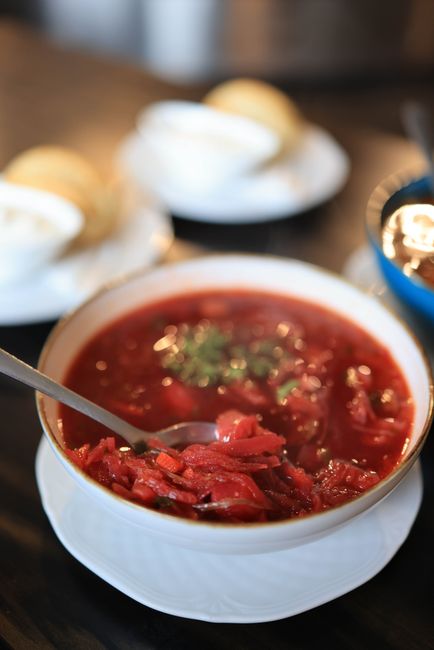
Ukrainian Red Borscht: A Deep Dive into the Hearty Beetroot Soup
Ukrainian red borscht is more than just a soup; it’s a culinary cornerstone, a national emblem, and a vibrant representation of Ukrainian heritage. This hearty, flavourful dish, primarily defined by its ruby-red hue derived from beets, boasts a complex and deeply satisfying taste profile. Its origins are ancient, with evidence suggesting its existence in Eastern Slavic lands for centuries. The name "borscht" itself is thought to originate from the Old East Slavic word for hogweed, a plant historically used as a primary ingredient before beets became more prevalent. Over time, the recipe evolved, incorporating a wider array of vegetables and meats, solidifying its place as a beloved staple across Ukraine and beyond. Understanding Ukrainian red borscht involves exploring its core ingredients, the nuanced cooking process, regional variations, and its profound cultural significance.
At the heart of authentic Ukrainian red borscht lies the beetroot. These earthy, sweet root vegetables are responsible for the soup’s iconic colour and foundational flavour. Typically, raw beets are grated or julienned, and their vibrant juice is released during the cooking process, infusing the entire broth with a rich, crimson pigment. Beyond beets, a typical borscht repertoire includes a medley of other vegetables, each contributing its unique texture and taste. Common additions include cabbage (often white cabbage, finely shredded), potatoes (cubed, providing a starchy heartiness), carrots (grated or julienned, adding sweetness and colour), onions (diced, forming an aromatic base), and tomatoes (crushed or pureed, contributing acidity and depth). Bell peppers, particularly red or yellow varieties, are also frequently incorporated, lending a subtle sweetness and a pleasant bite. Garlic is indispensable, providing a pungent aroma and flavour that cuts through the richness.
The broth is another critical element that elevates borscht from a simple vegetable soup to a complex culinary creation. While a vegetable broth can be used, many traditional recipes call for a meat-based broth, most commonly made from beef or pork. Bones from these meats, simmered for extended periods, yield a rich, gelatinous stock that forms the flavourful foundation of the soup. The choice of meat can influence the final taste and mouthfeel; beef tends to produce a more robust flavour, while pork can add a delicate sweetness. Some variations might even include smoked meats or sausages, introducing a smoky undertone that adds another layer of complexity. The cooking process itself is often a slow and deliberate affair, allowing the flavours to meld and deepen over time.
The preparation of Ukrainian red borscht is a multi-step process that demands patience and attention to detail. It typically begins with preparing the meat broth, if using. This involves simmering the meat and bones for several hours, skimming off any impurities to ensure a clear and flavourful stock. Meanwhile, the vegetables are prepared: beets are peeled and grated or julienned, cabbage is shredded, potatoes are cubed, and onions and carrots are finely chopped. A common technique involves sautéing the onions and carrots until softened and fragrant, creating an aromatic base known as a "zazharka" or "smaženina." The beets are often cooked separately or added to the pot at a specific stage to preserve their vibrant colour and distinct flavour. Some cooks will lightly sauté the grated beets with a touch of vinegar or lemon juice to help them retain their redness and add a hint of acidity.
The assembly of borscht typically involves adding the prepared vegetables to the simmering broth in a specific order, depending on their cooking times. Potatoes and cabbage usually go in first, followed by other root vegetables. The "zazharka" is then stirred in, along with the beets. Tomatoes, in crushed or pureed form, are added towards the latter half of the cooking process to provide acidity and deepen the flavour. A crucial step in many borscht recipes is the addition of acid. This can come from tomatoes, vinegar, lemon juice, or even pickled beet brine. The acid plays a vital role in balancing the sweetness of the beets and carrots, preventing the soup from becoming cloying. It also helps to preserve the vibrant red colour of the beets.
Seasoning is paramount in achieving the signature taste of Ukrainian red borscht. Salt and freshly ground black pepper are standard, but the inclusion of herbs like dill and parsley is essential. Dill, with its distinctive fresh and slightly anise-like flavour, is almost universally associated with borscht. It’s often added both during cooking and as a fresh garnish. Bay leaves are frequently included in the broth for their aromatic contribution. Some recipes might incorporate a pinch of sugar to enhance the natural sweetness of the vegetables, though this is a matter of personal preference and regional tradition. The final seasoning adjustment is often made just before serving, ensuring the perfect balance of sweet, savoury, and acidic notes.
The cultural significance of Ukrainian red borscht cannot be overstated. It is a dish that transcends mere sustenance; it is deeply woven into the fabric of Ukrainian identity and social life. For many Ukrainians, borscht evokes powerful memories of home, family gatherings, and cherished traditions. It is a symbol of hospitality, and serving a well-made borscht is a gesture of warmth and welcome. The preparation of borscht is often a communal activity, particularly in rural areas, with generations of women passing down their unique family recipes and techniques. This intergenerational transfer of culinary knowledge reinforces its cultural importance.
Regional variations in Ukrainian red borscht are numerous, reflecting the diverse culinary landscape of the country. While the core ingredients remain largely consistent, specific additions and preparation methods can differ significantly from one region to another. In western Ukraine, for instance, some borscht recipes might include dried mushrooms, adding an umami depth. In other areas, beans (such as kidney beans or white beans) are a common addition, providing extra protein and a creamy texture. Some regions favour a more intensely sour borscht, achieved through a greater proportion of fermented ingredients or longer fermentation periods. The type of meat used can also vary; while beef and pork are most common, some areas might incorporate lamb or even poultry. The consistency of the borscht can also differ, with some preferring a thicker, stew-like consistency and others a more brothy soup.
The presentation and serving of Ukrainian red borscht are as integral to the experience as its preparation. It is almost always served piping hot, a comforting warmth particularly appreciated during the colder months. A dollop of "smetana" (sour cream) is an almost obligatory accompaniment. The cool, creamy tang of the sour cream provides a delightful contrast to the rich, warm soup, adding another layer of flavour and texture. Freshly chopped dill and parsley are commonly sprinkled on top, not just for visual appeal but for their fresh aromatic contribution. Borscht is often served with a side of "pampushky" – small, fluffy garlic rolls, often baked with a garlic and oil mixture, which are perfect for sopping up every last drop of the flavourful broth. Other accompaniments can include rye bread, garlic cloves, or even salo (cured pork fat), further enhancing the hearty, peasant-inspired nature of the dish.
The versatility of Ukrainian red borscht is another factor contributing to its enduring popularity. While it is a substantial meal in itself, it can also be adapted to suit various dietary needs and preferences. Vegetarian and vegan versions are increasingly popular, achieved by using a robust vegetable broth and omitting meat. For those seeking a lighter option, the amount of meat and potatoes can be reduced. The flavour profile can also be adjusted by increasing or decreasing the amount of acid or sweetness, allowing for a personalized culinary experience.
In the realm of SEO, optimizing content about Ukrainian red borscht involves focusing on relevant keywords that potential readers would use to search for information. These include terms like "Ukrainian borscht recipe," "red borscht," "beetroot soup," "traditional borscht," "how to make borscht," "authentic borscht," and "borscht ingredients." Using these keywords naturally throughout the article, particularly in headings, subheadings, and introductory sentences, will improve its visibility in search engine results. Furthermore, incorporating long-tail keywords such as "easy Ukrainian red borscht recipe with beef" or "vegetarian borscht for beginners" can attract a more targeted audience.
The nutritional value of Ukrainian red borscht is also a significant aspect that contributes to its appeal. Beets are rich in essential vitamins and minerals, including folate, manganese, potassium, and vitamin C. They also contain nitrates, which have been linked to improved blood flow and cardiovascular health. The variety of vegetables in borscht provides a wealth of fibre, antioxidants, and other beneficial nutrients. While traditional recipes can be high in sodium due to broths and seasonings, healthier adaptations can be made by using low-sodium broths and controlling salt intake. The protein content from meat, if included, further enhances its nutritional completeness, making it a well-rounded and satisfying meal.
The international recognition and adaptation of borscht speak to its universal appeal. While the Ukrainian version is considered the quintessential red borscht, similar beet-based soups exist in the culinary traditions of neighbouring countries like Poland, Russia, and Belarus. Each variation offers a unique interpretation of this beloved dish, but the common thread of beets and hearty vegetables unites them. This global presence has led to numerous discussions and debates about the "true" origin of borscht, with Ukraine staunchly advocating for its national status. UNESCO has officially recognized the culture of Ukrainian borscht cooking as an Intangible Cultural Heritage of Humanity, a testament to its profound cultural significance.
In conclusion, Ukrainian red borscht is a culinary masterpiece that embodies the heart and soul of Ukrainian cuisine. Its vibrant colour, complex flavours, and deep cultural roots make it a dish worthy of appreciation and exploration. From the careful selection of earthy beets to the slow simmering of flavourful broths, every step in its preparation contributes to its unparalleled taste. Whether enjoyed as a comforting family meal or celebrated on the world stage, Ukrainian red borscht remains an enduring symbol of tradition, hospitality, and the rich culinary heritage of Ukraine. Its SEO-friendly attributes, coupled with its inherent deliciousness and cultural weight, ensure its continued prominence in both culinary discussions and online searches for years to come.


