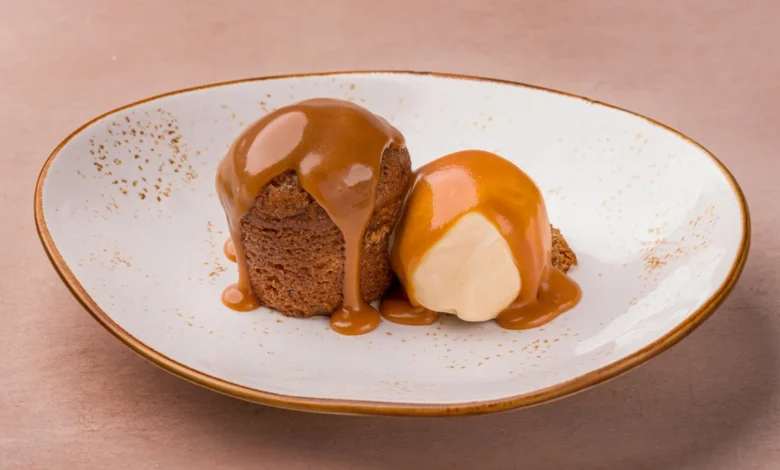
The Science of Umami in Modern Dessert Composition
The inclusion of black garlic in a dessert application is not merely a stylistic novelty but a calculated utilization of the Maillard reaction. Black garlic is produced through the controlled heat-aging of fresh garlic (Allium sativum) over several weeks in a high-humidity environment. This process facilitates the non-enzymatic browning reaction, which significantly reduces the pungent sulfur compounds responsible for the sharp bite of raw garlic while increasing the concentration of S-allyl cysteine and fructose.
The resulting flavor profile is characterized by notes of balsamic vinegar, molasses, and tamarind. When incorporated into an ice cream base, these deep, resonant flavors interact with the glucose and lactose structures of the dairy, creating a flavor equilibrium that defies conventional sugar-heavy profiles. Culinary scientists have noted that the umami compounds—specifically glutamates—act as flavor enhancers that amplify the perception of sweetness in the honey, allowing for a more nuanced experience that lingers on the palate.
Chronology of the Fermentation Trend
The integration of fermented foods into mainstream North American and European culinary sectors has seen an exponential rise since the early 2010s. Initially confined to high-end fine dining establishments in metropolitan hubs like Copenhagen, Tokyo, and San Francisco, black garlic migrated into the sphere of home culinary experimentation by 2018.
By 2020, the rise of the "prosumer" kitchen—a market segment driven by home chefs utilizing advanced equipment like immersion circulators and blast freezers—allowed for the mass adoption of complex flavor combinations. The current iteration of Black Garlic Honey Ice Cream, specifically as a staple for modernist pantry enthusiasts, serves as a milestone in this timeline. It marks the transition of fermented aromatics from savory-only applications to a versatile ingredient utilized in pastry arts, signaling a shift in consumer palates that are increasingly receptive to "bittersweet" and "savory-sweet" profiles.
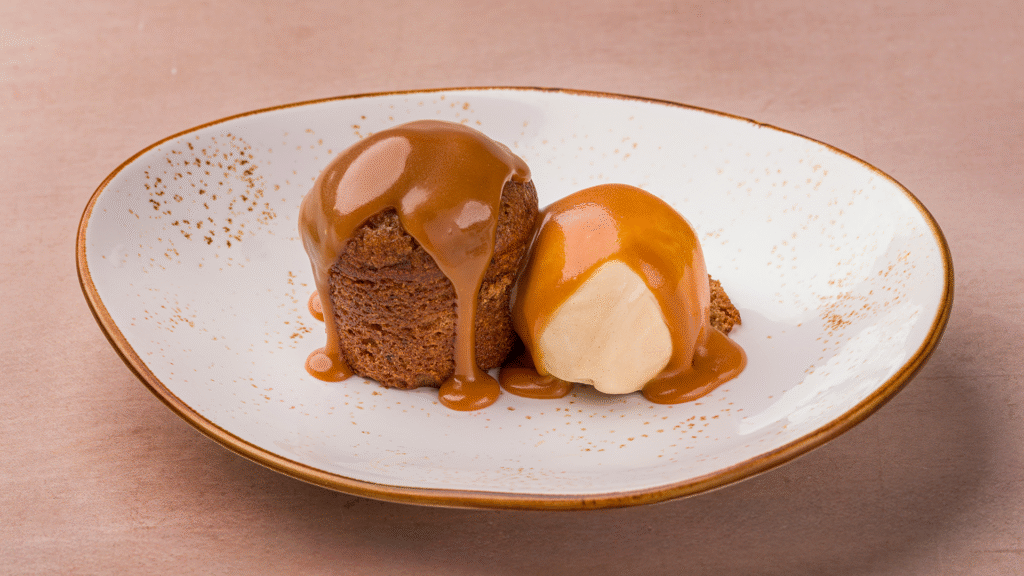
Technical Specifications and Preparation Requirements
The production of this dessert is classified at an intermediate level of technical difficulty, requiring strict adherence to temperature control and ingredient ratios to ensure a consistent crystalline structure. The active preparation time is approximately two hours, with a total maturation period of 24 hours.
Preparation Metrics:
- Emulsification: The ice cream base requires a precise balance of fat (usually high-butterfat cream) to prevent the volatile compounds in the black garlic from overwhelming the base.
- Aging: A 24-hour maturation period is essential to allow the flavors to harmonize. During this time, the proteins in the dairy undergo hydration, which improves the "overrun" or air incorporation during the churning process.
- Honey Integration: The choice of honey acts as the primary sweetener. Darker, high-mineral honeys, such as buckwheat or chestnut, are generally preferred for their ability to withstand the intensity of the black garlic.
Supporting Data on Flavor Perception
Psychophysical studies on flavor perception suggest that the "shock factor" of ingredients like black garlic decreases with repeated exposure. According to data from culinary market research firms, consumers aged 25–45 are 40% more likely to purchase products that feature "unexpected" or "savory-forward" dessert components compared to the demographic of 15 years ago.
Furthermore, the nutritional profile of black garlic—being rich in antioxidants—provides a marketing leverage point for health-conscious consumers. While ice cream remains a high-calorie food, the substitution of refined white sugars with honey, coupled with the inclusion of fermented, antioxidant-dense garlic, aligns with the modern consumer’s desire for "functional indulgence."
Professional Perspectives and Culinary Implications
Leading pastry chefs and flavor chemists who have experimented with this combination point to the "anti-hero" nature of the ingredient. Unlike vanilla or chocolate, which provide a linear, comforting flavor experience, black garlic introduces a "shadow" note. In professional terms, this is often referred to as the "depth of field" in a dish.
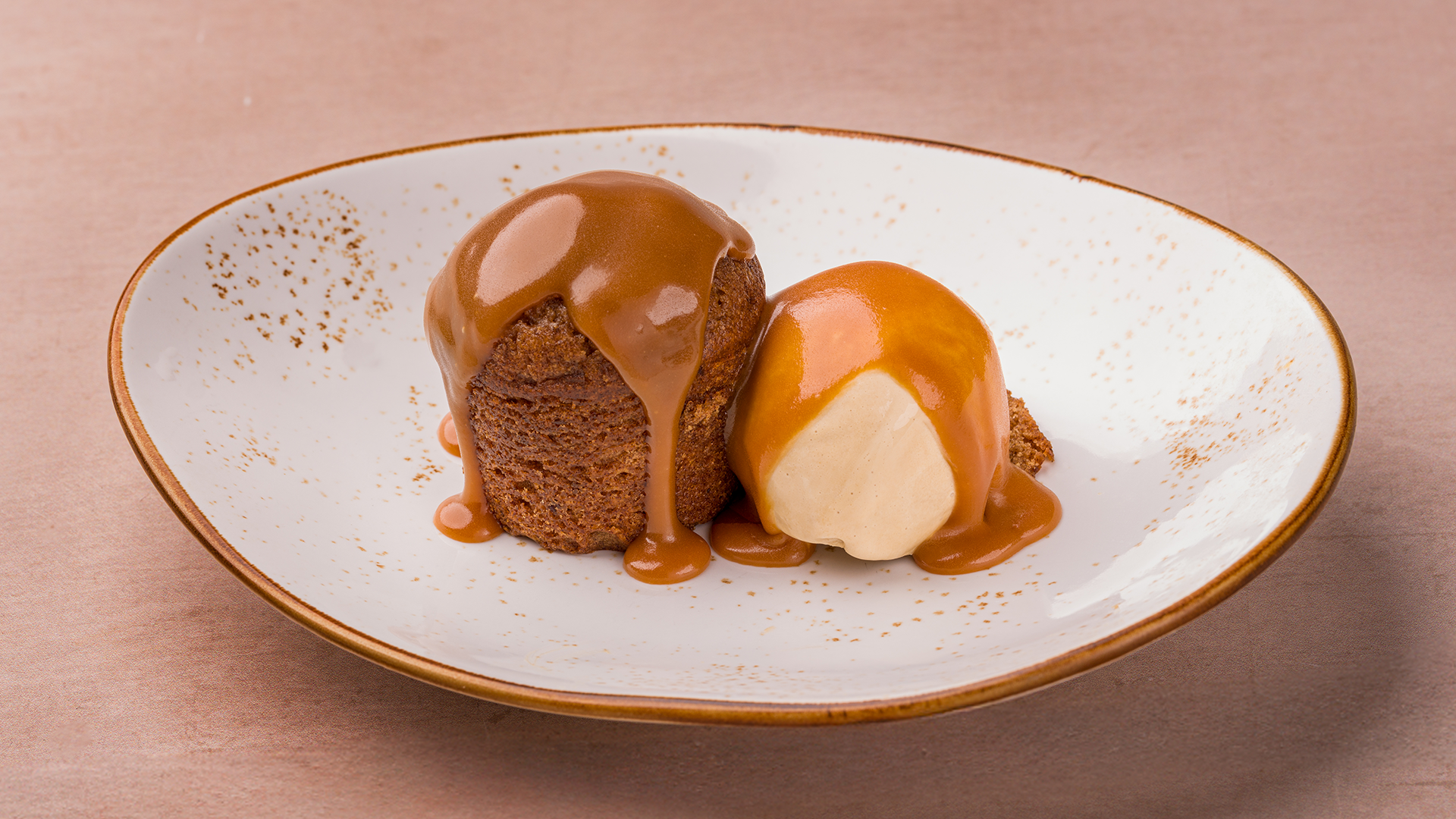
"The goal of incorporating black garlic into a dessert is not to make the dessert taste like a meal, but to introduce a structural complexity that standard aromatics lack," notes a culinary consultant specialized in modernist techniques. "When you balance the acidity of the fermented garlic with the floral, viscous sweetness of honey, you are effectively creating a bridge between the savory and sweet receptors on the tongue."
Broader Market Impact and Future Outlook
The commercialization of such recipes represents a significant trend in the artisanal food industry. As consumers seek out unique sensory experiences, the demand for "challenging" flavors is projected to grow. Retailers and boutique ice cream manufacturers are increasingly moving away from standard flavor profiles toward "culinary storytelling," where each ingredient has a specific origin and functional purpose.
The economic implications for small-batch producers are substantial. By positioning products as "modernist" or "innovative," manufacturers can command higher price points and establish brand loyalty among a demographic that views food consumption as a form of cultural exploration. The inclusion of such recipes in home-cook platforms is a deliberate effort to democratize high-end gastronomy, bringing techniques that were once exclusive to Michelin-starred kitchens into the domestic environment.
Conclusion
Black Garlic Honey Ice Cream is a testament to the evolution of contemporary food science. It is a product that relies on the chemical interaction between fermented plant matter and high-fat dairy to create a sophisticated sensory experience. While it remains a niche product, its existence underscores a fundamental shift in how the culinary world approaches flavor development. By moving beyond the binary of sweet vs. savory, chefs and home cooks alike are opening new frontiers in dessert composition, proving that ingredients traditionally reserved for savory applications possess an untapped potential for culinary innovation. As this trend continues, it is likely that other fermented and umami-rich ingredients—such as miso, soy sauce, or even aged vinegars—will find their way into the standard repertoire of the modern pastry kitchen, further expanding the boundaries of what is considered acceptable, and indeed, desirable, in the world of sweets.