
Category Low Carb Recipes

Unleash Flavor, Not Carbs: Your Ultimate Guide to Delicious Low-Carb Recipes
Embarking on a low-carbohydrate eating journey doesn’t mean sacrificing taste or culinary satisfaction. The realm of low-carb recipes is vast, diverse, and incredibly flavorful, offering a wealth of options that cater to every palate and occasion. This comprehensive guide delves into the core principles of low-carb cooking, explores essential ingredients, and provides a deep dive into various recipe categories, equipping you with the knowledge and inspiration to create mouthwatering meals that support your health goals without compromising on enjoyment.
At its heart, low-carb cooking revolves around prioritizing nutrient-dense, whole foods while significantly reducing intake of refined carbohydrates, sugars, and starchy vegetables. This means a focus on proteins like lean meats, poultry, fish, and eggs, healthy fats found in avocados, nuts, seeds, and olive oil, and an abundance of non-starchy vegetables. The beauty of low-carb recipes lies in their adaptability. Whether you’re a seasoned chef or a kitchen novice, the principles are straightforward, allowing for endless creativity and customization. Understanding macronutrient ratios and the impact of different foods is key. Instead of relying on grains, pasta, or sugary snacks for energy, low-carb diets leverage the body’s ability to efficiently burn fat for fuel. This often leads to improved satiety, stable blood sugar levels, and a more consistent energy flow. The emphasis shifts from volume and starch to flavor, nutrient density, and the satisfying richness of natural ingredients.
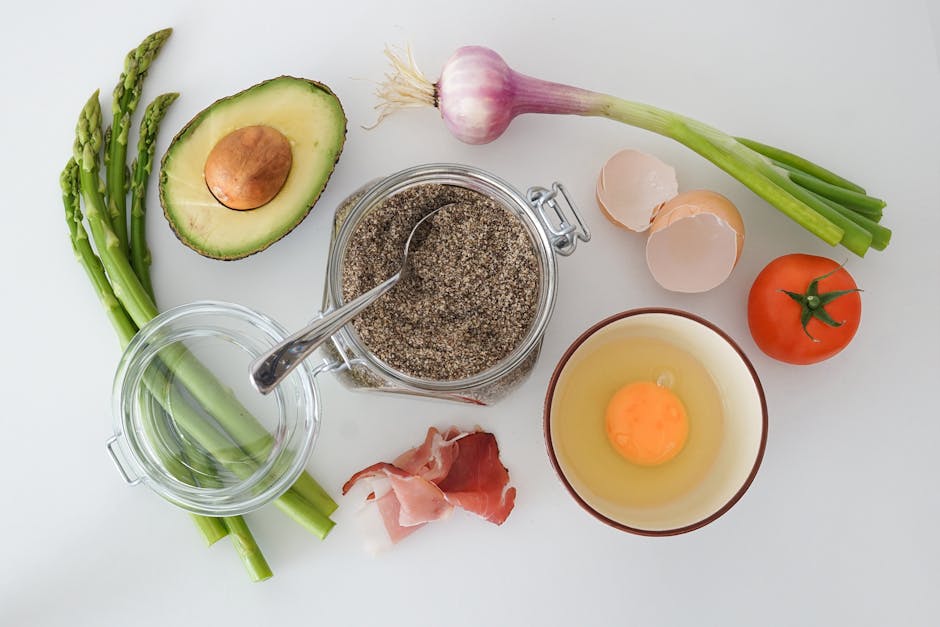
The foundation of any successful low-carb kitchen is a well-stocked pantry. Essential staples include healthy fats like extra virgin olive oil, coconut oil, and avocado oil. Butter, ghee, and lard are also valuable additions for cooking and flavor. Proteins are paramount, so stocking up on quality cuts of meat, poultry, and fish is crucial. Canned fish like tuna and salmon are convenient options. Eggs, in their many forms, are a low-carb powerhouse, offering protein and versatility. Dairy products, in moderation and depending on individual tolerance, can include full-fat cheeses, heavy cream, and unsweetened Greek yogurt. For vegetables, the focus is on non-starchy varieties. Leafy greens such as spinach, kale, and romaine lettuce are fundamental. Cruciferous vegetables like broccoli, cauliflower, Brussels sprouts, and cabbage are excellent choices, providing fiber and essential nutrients. Other low-carb vegetable heroes include zucchini, bell peppers, asparagus, mushrooms, and onions. Flavor enhancers are vital for making low-carb meals exciting. Think herbs and spices like basil, oregano, thyme, rosemary, garlic powder, onion powder, paprika, and chili powder. Condiments like mustard, sugar-free ketchup, and low-carb mayonnaise are also useful. For a touch of sweetness, consider natural, zero-calorie sweeteners like stevia, erythritol, or monk fruit extract. Finally, don’t forget essential pantry items like almond flour, coconut flour, psyllium husk, and xanthan gum, which are invaluable for creating low-carb baked goods and thickening sauces.
The world of low-carb recipes can be broadly categorized, offering a structured approach to meal planning and discovery. These categories often reflect meal types, primary ingredients, or specific dietary needs within the low-carb spectrum. Understanding these classifications can help you quickly find what you’re looking for, whether it’s a quick weeknight dinner, a decadent dessert, or a plant-based option.
Breakfasts: Fueling Your Morning the Low-Carb Way
Mornings on a low-carb diet are a far cry from sugary cereals or toast. The focus shifts to satiating options that provide sustained energy. Classic egg dishes reign supreme. Scrambled eggs with cheese and spinach, omelets loaded with vegetables and leftover cooked meats, or frittatas baked with a medley of low-carb ingredients are all excellent choices. Beyond eggs, consider avocado toast on low-carb bread or a generous portion of full-fat Greek yogurt topped with berries and nuts. Breakfast bowls featuring sautéed vegetables and a protein source, such as sausage or bacon, offer a savory start. For those seeking convenience, make-ahead options like mini quiches or breakfast muffins can be prepared on the weekend and enjoyed throughout the week. The key is to incorporate protein and healthy fats to promote satiety and prevent mid-morning cravings. Think about textures and flavors: the richness of avocado, the creamy indulgence of cheese, the crispness of bacon, and the freshness of herbs.
Lunch Recipes: Portable, Satisfying, and Carb-Conscious
Lunch often needs to be portable and easy to prepare, especially for busy workdays. Salads are a low-carb staple, but they go beyond mere lettuce. Build vibrant salads with a base of mixed greens, adding grilled chicken, salmon, steak, or hard-boiled eggs as your protein. Load them up with a variety of non-starchy vegetables like cucumbers, bell peppers, cherry tomatoes, and avocado. Healthy fats can come from a creamy avocado-based dressing or a sprinkle of nuts and seeds. Leftovers from dinner can also be excellent lunch options, making meal prep even more efficient. Wraps are easily adaptable; use large lettuce leaves like romaine or butter lettuce as your wrap, filled with your favorite deli meats, cheese, and crunchy vegetables. Soups and stews, when made with a broth base and packed with vegetables and protein, are also fantastic lunch choices, offering warmth and comfort. Consider a creamy broccoli cheddar soup or a hearty beef stew with plenty of low-carb vegetables. Mason jar salads offer a convenient and visually appealing way to layer ingredients, keeping them fresh until lunchtime.
Dinner Recipes: Hearty, Flavorful, and Family-Friendly
Dinner is often the main event, and low-carb recipes offer an abundance of delicious and satisfying options. Protein takes center stage, whether it’s a perfectly grilled steak, pan-seared salmon, roasted chicken, or flavorful pork chops. The accompaniments are where the magic of low-carb cooking truly shines. Instead of mashed potatoes or rice, explore the versatility of cauliflower. Cauliflower rice can be steamed, roasted, or sautéed to mimic the texture of rice. Cauliflower mash, a creamy and satisfying alternative to mashed potatoes, is achieved by steaming cauliflower until tender and then blending it with butter, cream, and seasonings. Roasted vegetables are another cornerstone of low-carb dinners. Brussels sprouts, asparagus, broccoli, and bell peppers, when tossed with olive oil, herbs, and spices and roasted to perfection, become incredibly flavorful and appealing. Stir-fries are easily adapted by using a protein of choice and a generous amount of low-carb vegetables, served over cauliflower rice. Casseroles and bakes can be made low-carb by using creamy sauces based on heavy cream or cheese and incorporating plenty of vegetables and protein. Think about creamy chicken bakes with broccoli or a layered zucchini and meat casserole. The key to satisfying low-carb dinners is focusing on high-quality ingredients, bold flavors, and creative substitutions for traditional high-carb components.
Appetizers and Snacks: Guilt-Free Nibbling
Maintaining a low-carb lifestyle doesn’t mean avoiding snacks. In fact, strategically chosen low-carb snacks can help manage hunger between meals and prevent overeating. Dips and spreads are excellent choices. Guacamole, a creamy and nutrient-rich avocado-based dip, is perfect for dipping vegetable sticks like celery, cucumber, and bell peppers. Cream cheese-based dips, often infused with herbs and spices, are also popular. Deviled eggs are a classic low-carb appetizer and snack. Caprese skewers, featuring cherry tomatoes, mozzarella balls, and fresh basil drizzled with balsamic glaze, offer a refreshing bite. Nuts and seeds are convenient and satiating snacks, providing healthy fats and protein. Opt for unsalted, raw varieties. Cheese and charcuterie boards, featuring a variety of cheeses, cured meats, olives, and nuts, make for an elegant and low-carb grazing experience. Mini bell peppers stuffed with cream cheese and herbs, or bacon-wrapped asparagus, are flavorful and satisfying bites. For those with a sweet craving, a small handful of berries with a dollop of whipped cream or a square of dark chocolate (with a high cocoa content and low sugar) can hit the spot.
Desserts: Indulgent Sweet Treats, Carb-Conscious Style
The notion that low-carb eating means sacrificing desserts is a myth. With a few key ingredient swaps and clever techniques, you can create incredibly delicious and satisfying low-carb desserts. The secret lies in using low-carb sweeteners and alternative flours. Almond flour and coconut flour are the stars of low-carb baking, providing structure and a pleasing texture in cakes, cookies, and muffins. Sugar-free sweeteners like stevia, erythritol, or monk fruit extract replace traditional granulated sugar. Cream-based desserts are naturally low in carbs. Panna cotta, mousse, and cheesecakes are all excellent candidates for low-carb adaptation. Berries, being lower in sugar than many other fruits, are a frequent feature in low-carb desserts, adding natural sweetness and vibrant color. Think mixed berry crumbles with an almond flour topping, or a simple bowl of berries with freshly whipped cream. Chocolate lovers can rejoice with sugar-free chocolate mousse, dark chocolate avocado pudding, or keto-friendly chocolate chip cookies. Fat bombs, small, dense treats often made with coconut oil, butter, cocoa powder, and sweetener, are a popular low-carb indulgence for a quick energy boost and to satisfy a sweet craving. Baking requires precision, so follow low-carb recipes closely, especially when it comes to the balance of sweeteners and fats.
Vegetarian and Vegan Low-Carb Recipes: Plant-Powered and Carb-Controlled
The low-carb lifestyle can be adapted for vegetarian and vegan diets, though it requires careful planning and a focus on specific plant-based protein sources and healthy fats. For vegetarians, eggs and dairy (if consumed) can provide protein. Tofu, tempeh, and seitan are excellent sources of plant-based protein for both vegetarian and vegan diets. However, it’s important to choose lower-carb varieties and prepare them without high-carb marinades or coatings. The emphasis shifts heavily towards non-starchy vegetables, nuts, seeds, and healthy oils. Cauliflower and broccoli become even more versatile, forming the base for many dishes. Portobello mushrooms can be used as "buns" for burgers or as a base for pizzas. Legumes are generally higher in carbs, so they are consumed in very limited quantities, if at all, in stricter low-carb diets. For vegan low-carb recipes, nutritional yeast is a valuable ingredient for adding a cheesy flavor to dishes. Coconut milk and cream provide richness and healthy fats. Avocado is a star ingredient, offering creamy texture and healthy fats. Stir-fries packed with colorful vegetables and tofu, lentil-based soups (in moderation), and hearty vegetable curries made with coconut milk are all possibilities. The challenge lies in ensuring adequate protein and fat intake while keeping carbohydrates low.
Specific Dietary Needs within Low-Carb: Keto, Paleo, and Beyond
The low-carb umbrella encompasses several popular dietary approaches, each with its nuances. Ketogenic (Keto) diets are characterized by very low carbohydrate intake (typically 20-50 grams net carbs per day), moderate protein, and high fat. Keto recipes often focus on ingredients like fatty meats, fish, eggs, butter, cream, avocados, nuts, seeds, and low-carb vegetables. Paleo diets emphasize foods presumed to have been available to Paleolithic humans, meaning they exclude grains, legumes, dairy, refined sugar, and processed foods. While often lower in carbs, Paleo isn’t strictly defined by carbohydrate restriction in the same way as Keto. Paleo low-carb recipes would exclude grains, refined sugars, and processed foods, while prioritizing lean meats, fish, eggs, fruits, vegetables, nuts, and seeds. Understanding these distinctions is crucial when seeking specific recipes. For example, a Keto cheesecake would avoid any added sugar and rely on sweeteners like erythritol or stevia, while a Paleo cheesecake might use a small amount of maple syrup or honey and a different flour base, potentially making it slightly higher in carbs. Always check the carb count of recipes if you are following a specific dietary protocol.
The journey into low-carb recipes is an exciting exploration of flavor and nutrition. By understanding the core principles, stocking your pantry with essential ingredients, and exploring the diverse recipe categories, you can create delicious, satisfying meals that support your health and well-being. The emphasis on whole, unprocessed foods, combined with creative culinary techniques, ensures that a low-carb lifestyle is anything but restrictive. Embrace the abundance of fresh produce, the richness of healthy fats, and the versatility of protein sources to unlock a world of flavor without the carb overload. Experiment, adapt, and discover your new favorite low-carb creations.


