Chile Under the Radar: A New Era for Boutique Terroir and Emerging Wine Regions

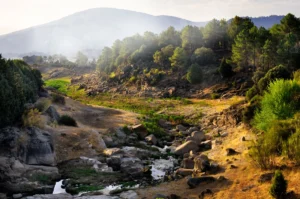
The Chilean wine industry is undergoing a profound metamorphosis. While global markets have long associated the nation with mass-produced, high-volume Cabernet Sauvignon and Carmenère from the Maipo or Rapel valleys, a quiet revolution is taking place in the country’s more remote, rugged, and historically overlooked corners. From the sun-drenched, mineral-rich slopes of the Atacama Desert in the north to the cool, windswept forests of the Bío Bío Valley in the south, a new generation of winemakers is prioritizing site-specific expression over standardization. This shift represents a departure from the "industrial" model of the early 2000s, signaling a move toward a more nuanced, terroir-driven viticulture that emphasizes heritage varieties and extreme microclimates.

A Chronology of Change: From Bulk to Boutique
For decades, the Chilean viticultural narrative was defined by technological adoption and large-scale estate models. However, the turning point for the current "under the radar" movement can be traced back to the mid-2010s. This period marked a grassroots awakening among young winemakers who sought to challenge the hegemony of the Central Valley.
By 2018, the professionalization of these small-scale projects began to coalesce into a recognizable movement. Producers like Maturana Wines and Viñedos de Alcohuaz began gaining international recognition, not for their scale, but for their radical experimentation with soil types and grape varieties that had been largely ignored by the commercial giants. This trend was further bolstered by the 2020 global supply chain disruptions, which forced local producers to focus on domestic resilience and regional identity, ultimately polishing the techniques that would lead to the 2024 and 2025 vintages currently capturing the attention of international critics.

The Geography of Innovation: Key Regions
The current landscape of Chilean wine is best understood through its extreme diversity. The geographical constraints of Chile—a narrow strip of land sandwiched between the Andes Mountains and the Pacific Ocean—provide a natural laboratory for viticulture.
The Atacama and Elqui Valleys
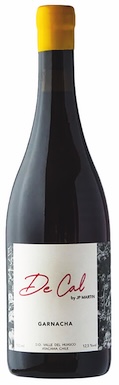
In the northern reaches of Chile, producers such as JP Martin and Viñedos de Alcohuaz are pushing the boundaries of what is possible in arid, high-altitude climates. The Huasco Valley, historically a region for Pisco production, is now yielding Garnacha of startling texture and salinity. The extreme diurnal temperature variation in these northern valleys allows for the retention of acidity, a challenge in the warmer, more traditional growing zones.

The Itata and Bío Bío Valleys
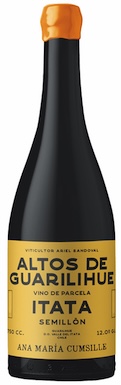
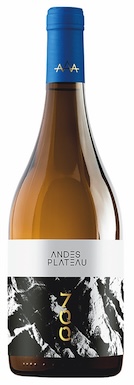
Moving south, the climate shifts dramatically. The Itata and Bío Bío valleys are characterized by ancient soils—often granitic or volcanic—and a reliance on dry-farmed bush vines. Producers like Ana Maria Cumsille and the Andes Plateau project are capitalizing on the inherent freshness of these regions to produce world-class Sémillon and Chardonnay. The "taut" and "tight" profile of these wines reflects a growing consumer demand for precision and elegance over the heavy, oak-driven styles of the past.
Analysis: The Shift Toward Site-Specificity
The current move toward "under the radar" wines is not merely a stylistic preference; it is an economic and ecological necessity. Data from recent harvests indicate that the most successful boutique wineries are those that have embraced "low-intervention" winemaking. By utilizing whole-bunch fermentation and minimal chemical additives, these producers are able to highlight the specific mineral profile of their terroir—whether it be the volcanic influence in Itata or the intense sunshine of the Elqui Valley.
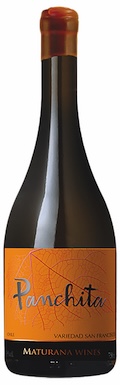
The economic implications are significant. Small-batch, premium-priced wines are allowing family-owned estates to remain competitive against larger conglomerates. By shifting the focus to varieties like the "Panchita" (San Francisco/Negramol) or the historic País grape, these producers are effectively creating a new category of "heritage" Chilean wine that appeals to a sophisticated, younger demographic of collectors who value authenticity over brand recognition.
Profiles in Excellence: Representative Vintages
The 2024 and 2025 vintages have proven to be a watershed moment for these regions. Tasting notes from recent audits reveal a consistent trend: higher acidity, lower alcohol levels, and a distinct lack of heavy extraction.
- Maturana Wines, Panchita Variedad San Francisco (2025): A testament to the preservation of rare varieties. By identifying the grape as synonymous with the Negramol of the Canary Islands, Maturana has provided a historical anchor for the variety, pairing it with an earthy, savory profile that is both complex and approachable.
- JP Martin, De Cal Garnacha (2024): A standout for its structural integrity. The use of whole-bunch pressing has allowed for a textural, saline finish that is increasingly sought after by top-tier sommeliers.
- Andes Plateau, Cota 700 Chardonnay (2024): This wine demonstrates the success of high-altitude viticulture. The "mouthwatering" acidity and peach-skin notes illustrate how elevation can moderate the heat of the Chilean sun to produce a refined, balanced Chardonnay.
Official Responses and Industry Outlook
While large, corporate-owned wineries remain the backbone of Chile’s export economy, the influence of the "boutique" sector is disproportionate to its volume. Industry bodies, including Wines of Chile, have begun to integrate these smaller, artisanal producers into their international marketing strategies. This pivot acknowledges that the future of Chilean wine branding lies in "premiumization"—the process of moving away from the "value for money" reputation toward a "value for quality" identity.
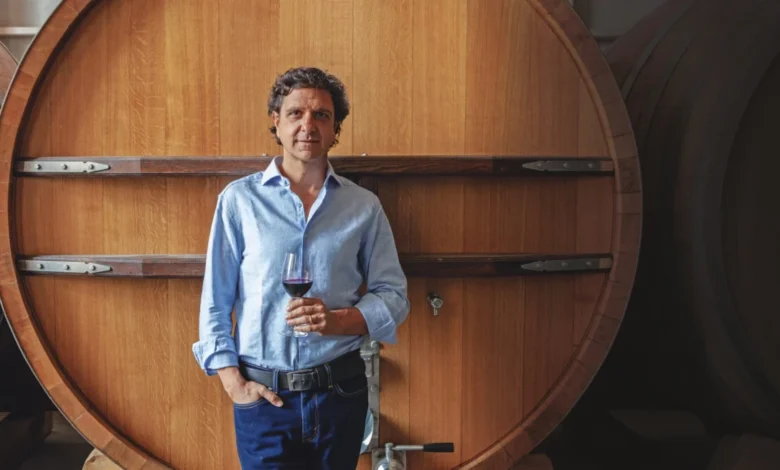
In interviews with producers like José Ignacio Maturana, a common theme emerges: the importance of collaboration over competition. The brotherly synergy observed at Maturana Wines is emblematic of the spirit of this movement, where knowledge-sharing regarding soil management and sustainable farming practices has become the norm.
Broader Implications for Global Wine Markets
The rise of these under-the-radar regions poses a challenge to established wine-producing nations. As climate change continues to impact traditional European regions, the ability of Chilean winemakers to find "cool" sites in a traditionally "warm" country becomes a valuable asset. The expertise gained in managing high-altitude, volcanic, and coastal vineyards provides a roadmap for sustainable viticulture in a warming world.
Furthermore, the emphasis on indigenous and heritage varieties—such as the resurgence of the País grape, once dismissed as a bulk-production variety—shows that Chile is finally coming to terms with its own viticultural history. By elevating these grapes to the level of fine wine, Chile is effectively writing a new chapter that respects its past while firmly looking toward a modern, global future.
Conclusion: A Sustainable Trajectory
The current trajectory for the Chilean wine industry is one of measured, deliberate growth. The 2024-2025 vintages serve as a litmus test for the success of these boutique strategies. As these wines become more accessible to international markets through platforms like Decanter and other premium retailers, the perception of "Chilean quality" is likely to undergo a permanent shift.
For the consumer, this means a wider array of options that defy the generic labels of the past. For the producer, it signifies a transition from a commodity-based business model to one based on the stewardship of the land. As the industry continues to mature, the focus will likely remain on these "under the radar" regions, which, in a few short years, may well become the standard-bearers for Chilean viticulture on the global stage. The lesson from this evolution is clear: in the world of fine wine, the most compelling stories are often found where the map ends and the terrain begins.