Pork carnitas, a cornerstone of traditional Mexican cuisine, have evolved from their historical origins in the state of Michoacán to become a global staple in contemporary gastronomy. Traditionally prepared by braising or simmering pork in lard—a technique known as confit—this method ensured the meat remained succulent during the extensive cooking process. However, modern culinary adaptations have sought to reconcile this traditional flavor profile with contemporary dietary preferences and domestic kitchen limitations. Recent shifts in home cooking methodologies emphasize efficiency and moisture retention, with brining emerging as a primary technique to achieve professional-grade results without the logistical burden of large-scale lard usage.
The transition from lard-based cooking to brine-based preparation represents a significant shift in the culinary management of pork shoulder, the primary cut used for carnitas. By submerging meat in a saline solution, the osmosis process facilitates the absorption of water and salt into the muscle fibers. This chemical alteration allows the protein to withstand the prolonged, low-temperature exposure of oven-roasting without succumbing to the dryness often associated with leaner cuts or accelerated cooking methods.
The Evolution of Culinary Techniques for Carnitas
Historically, the preparation of carnitas was a communal and labor-intensive affair. The process required the rendering of significant quantities of lard, which served as both the cooking medium and a preservative for the pork. While this method remains the gold standard for traditional authenticity, it presents challenges for the modern home cook, including high costs, disposal issues, and the sheer volume of fat required for a standard recipe.
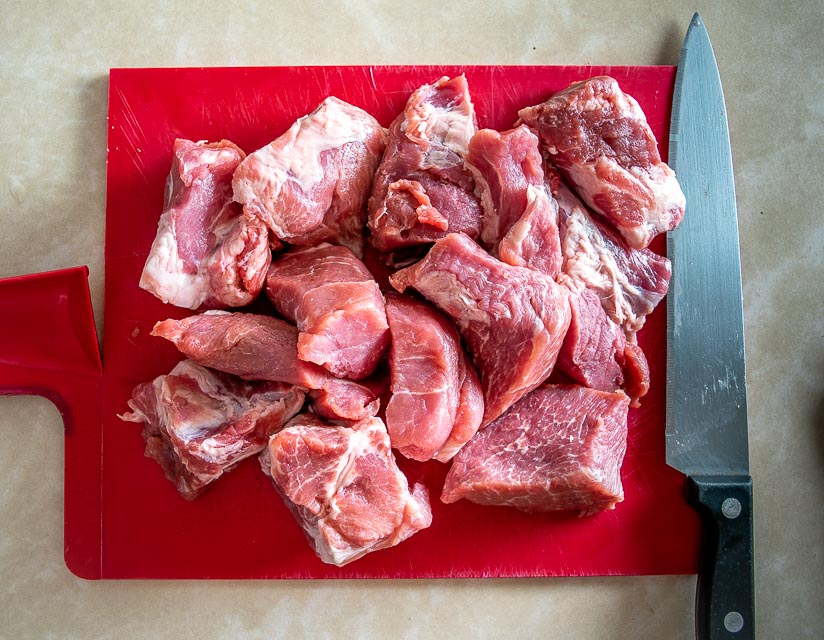
Culinary researchers have noted that the modern "quick-brine" technique—often involving a one-hour immersion for meat cut into two-inch cubes—provides a viable alternative. This method relies on increasing the surface area of the pork to expedite the brining process. While traditional industrial brining might span 12 to 24 hours, the reduction of the pork into smaller segments allows for a significant improvement in flavor and texture within a compressed timeline. This evolution in technique underscores a broader trend in home cooking: the application of scientific principles, such as protein denaturation and osmotic balance, to simplify historically complex preparations.
The Mechanics of Moisture Retention
To understand the efficacy of the brine, one must consider the structural composition of the pork shoulder. Known for its high connective tissue and intramuscular fat content, this cut is ideal for slow cooking; however, if the cooking temperature is not managed correctly or if the internal moisture is lost early in the process, the resulting texture can become stringy or dry.
Scientific analysis of meat preparation indicates that salt is the most critical ingredient in the brining process. When salt interacts with the myofibrillar proteins in the pork, it causes them to partially unravel. This structural change enables the protein to bind more effectively with water molecules, thereby creating a buffer against moisture loss. When the pork is subsequently introduced to an oven set at 300°F (approx. 149°C), the internal moisture is trapped within the meat structure.
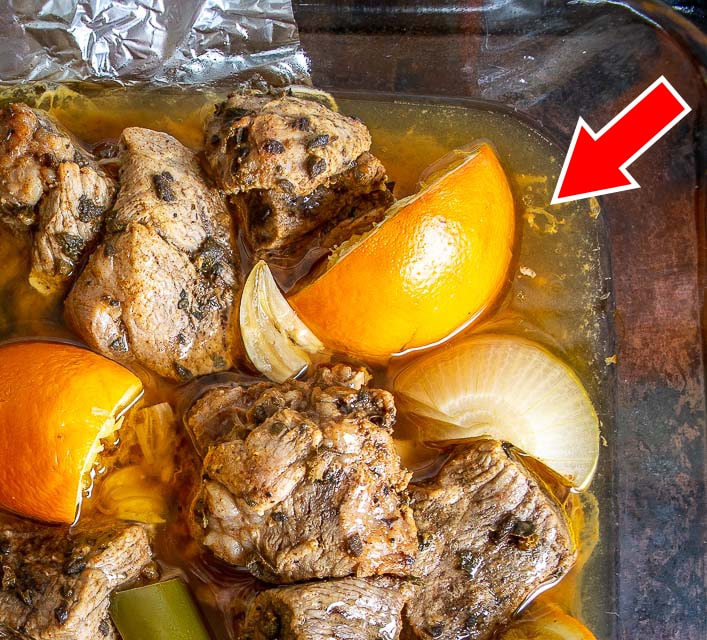
Industry experts often cite that the resting liquid—the byproduct of the rendered fat, citrus juices, and aromatic vegetables—is equally vital to the final quality of the dish. This liquid, which collects at the base of the roasting vessel, acts as an emulsifying agent that can be used to rehydrate the pork after it has been shredded, ensuring a succulent consistency even if the meat is slightly overcooked.
Standardized Preparation Procedures
For those seeking to replicate this dish in a home environment, the standardized procedure involves several distinct phases:
- Preparation and Brining: A two-pound portion of pork shoulder is divided into two-inch cubes. The brine, consisting of a solution of water and salt (typically a ratio of one-half cup of salt per two quarts of water), is applied for a duration of sixty minutes in a refrigerated environment.
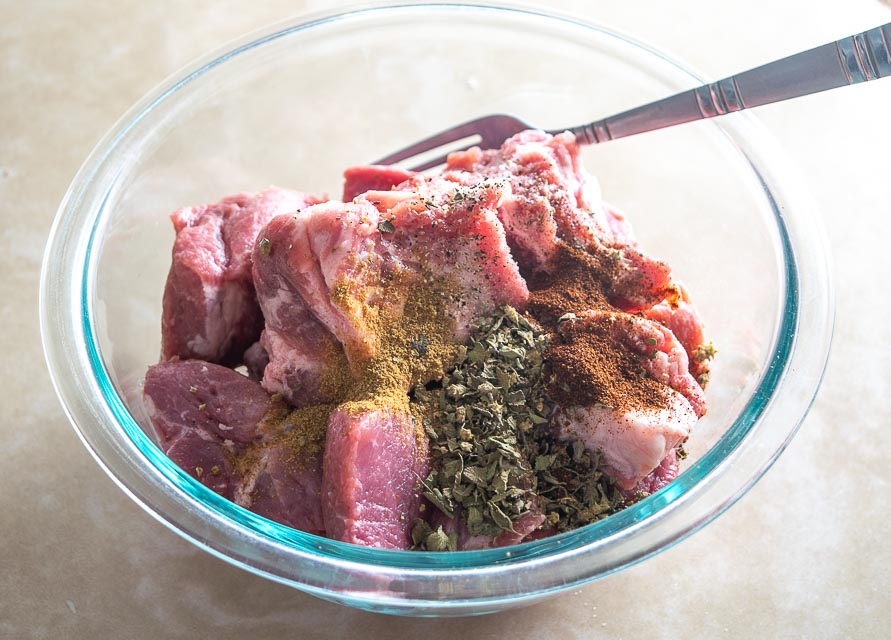
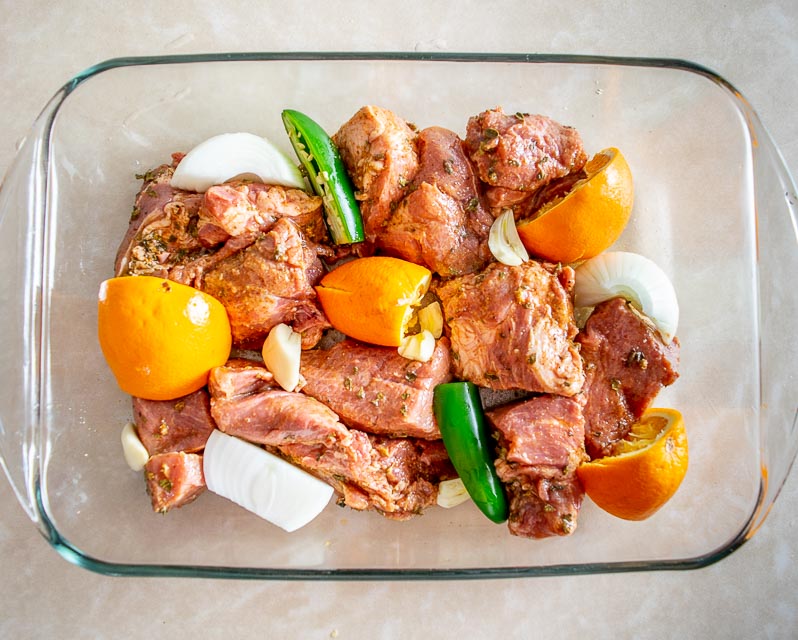
- Seasoning and Aromatics: After the brining process, the pork is patted dry to ensure optimal browning. It is then coated in a mixture of olive oil, cumin, Mexican oregano, and chipotle powder. Aromatic elements, including orange slices, halved onions, jalapeños, and whole garlic cloves, are integrated into the roasting pan to provide a complex flavor base.
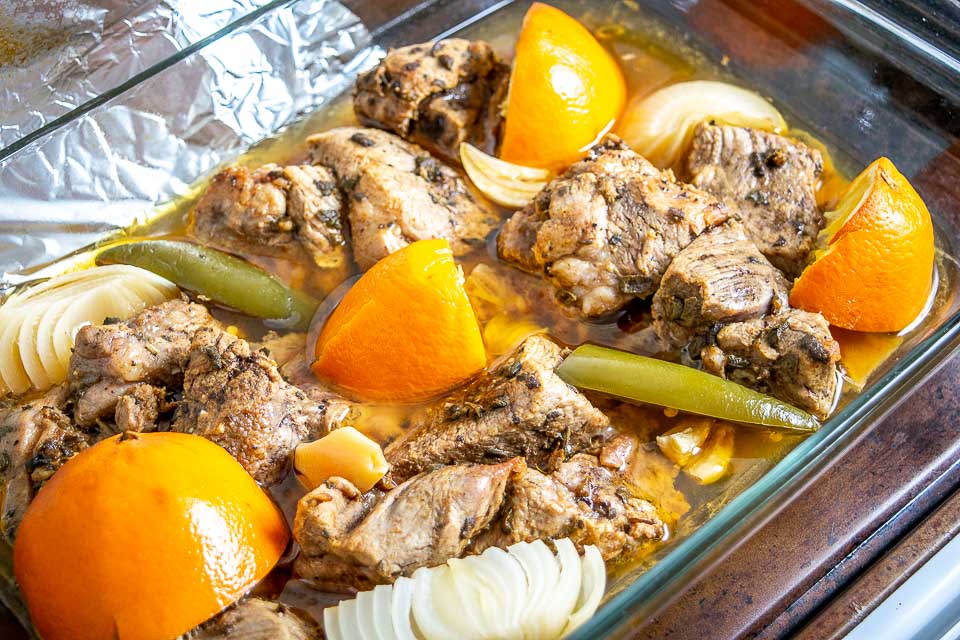
- The Slow-Roast: The dish is covered tightly with aluminum foil to create a pressurized, moisture-rich environment. It is roasted for three hours, or until the collagen has sufficiently broken down to allow the meat to be easily pierced by a fork.
- Crisping and Finishing: The final, essential step involves the broiler. By removing the lid and increasing the heat, the surface of the meat undergoes the Maillard reaction, producing the characteristic crisp edges that define high-quality carnitas. The reserved resting liquid is often drizzled over the finished product to maintain a balance of texture and flavor intensity.
Broader Culinary Impact and Serving Traditions
The versatility of carnitas has allowed the dish to transcend its original context, moving from a regional specialty to a central component of various global culinary applications. The integration of salsa verde—a vibrant sauce made from roasted tomatillos, serrano peppers, onions, and cilantro—is considered the traditional accompaniment. The acidity of the tomatillos and the heat of the serrano peppers provide a necessary contrast to the richness of the pork, a balance that is essential in Mexican gastronomy.
Beyond the traditional taco, the application of carnitas in burritos, bowls, and even soup-based variations highlights the ingredient’s adaptability. The trend of "crisping" the corn tortillas in a dry skillet before service is also gaining traction, as it adds a structural contrast that enhances the overall sensory experience of the meal.
Analysis of Dietary and Economic Considerations
From an economic perspective, the pork shoulder remains one of the most cost-effective proteins available to the average consumer. Its high yield and ability to be stretched across multiple meals—whether through repurposing leftovers or batch cooking—make it a staple for household food management.
From a nutritional standpoint, the transition from heavy lard-based cooking to oven-roasting represents a move toward lower caloric density. While carnitas remains a protein-heavy, indulgent dish, the reduction of excess rendered fat at the serving stage allows for greater control over individual intake. Furthermore, the use of fresh, whole ingredients like citrus and chilies provides essential vitamins and antioxidants that are often lacking in processed convenience foods.
Conclusion and Future Outlook
The endurance of the carnitas recipe in the modern culinary landscape serves as a testament to the balance between traditional flavor profiles and modern efficiency. By utilizing scientific techniques such as short-term brining and precise temperature control, home cooks can achieve results that are comparable to those found in professional kitchens.
As food technology continues to influence home cooking, it is likely that further refinements to this classic dish will emerge, particularly regarding the use of sous-vide methods or precision pressure cooking. However, the core elements of the dish—the slow-cooked, seasoned pork shoulder and the deliberate contrast of crispy edges and tender meat—will remain the defining characteristics of authentic carnitas. Whether served in a traditional taco with a sharp salsa verde or incorporated into modern fusion dishes, the carnitas recipe remains a significant example of how foundational culinary skills continue to provide immense value in the contemporary kitchen.