Egg And Hash Brown Casserole
The Ultimate Egg and Hash Brown Casserole: A Complete Guide for Breakfast, Brunch, and Beyond
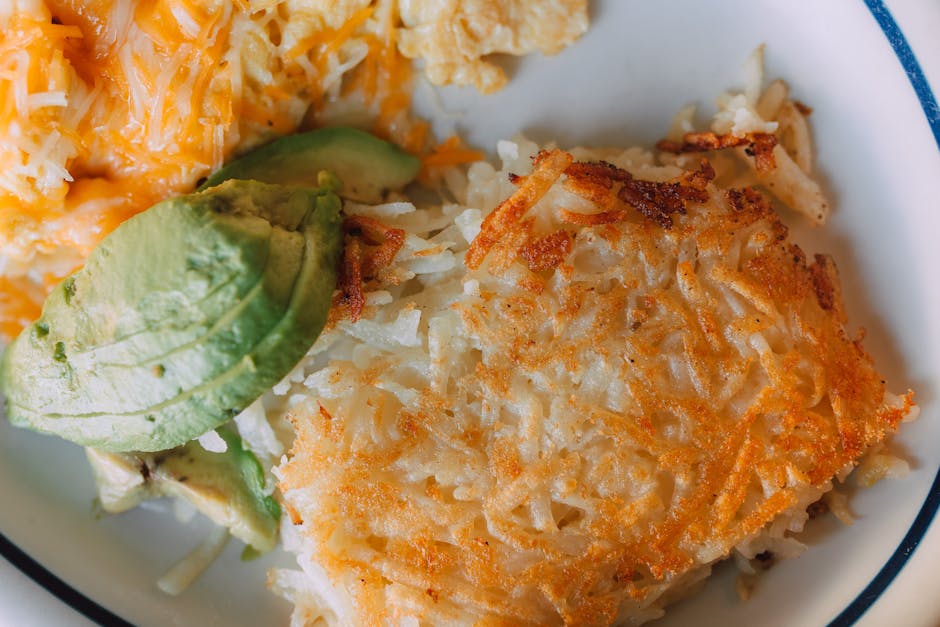
The egg and hash brown casserole stands as a cornerstone of hearty, satisfying meals, seamlessly transitioning from a comforting breakfast to a crowd-pleasing brunch or a surprisingly simple weeknight dinner. Its appeal lies in its inherent versatility, allowing for endless customization to suit individual palates and dietary needs. At its core, this dish is a harmonious marriage of fluffy scrambled eggs, crispy hash browns, and a rich, creamy binder, often enhanced with savory additions like cheese, meats, and vegetables. The beauty of a casserole, by definition, is its baked nature, which allows flavors to meld and deepen, creating a cohesive and deeply flavorful experience. This comprehensive guide will delve into every aspect of creating the perfect egg and hash brown casserole, from foundational techniques to advanced variations, ensuring you possess the knowledge to master this beloved dish.
The fundamental structure of an egg and hash brown casserole typically involves layering or mixing key components before baking. The hash browns, providing the textural foundation, can be utilized in various forms. Frozen shredded hash browns are the most common and convenient option, offering a good balance of crispiness and ease of preparation. However, home fries, made from diced and pan-fried potatoes, can also be incorporated for a more rustic texture and deeper potato flavor. The eggs, when combined with a dairy element like milk, cream, or sour cream, create the custardy binder that holds the casserole together and lends a luxurious richness. Cheese is an almost indispensable ingredient, adding a salty, tangy, and gooey dimension that elevates the overall flavor profile. Common cheese choices include cheddar, Monterey Jack, Swiss, or a blend of several varieties, each contributing a distinct character. Beyond these core elements, the possibilities for additions are vast, ranging from breakfast meats like bacon, sausage, or ham to a vibrant array of vegetables such as onions, bell peppers, spinach, mushrooms, and jalapeños.
To achieve optimal results with your egg and hash brown casserole, understanding the preparation of each component is crucial. For the hash browns, if using frozen, it’s often beneficial to pre-cook them slightly to enhance crispiness. This can be done by spreading them on a baking sheet and baking them at a moderate temperature (around 400°F or 200°C) for 10-15 minutes until they begin to brown. This initial bake helps to remove excess moisture, preventing a soggy bottom layer in the final casserole. Alternatively, you can pan-fry them in a skillet with a bit of oil until they achieve a golden-brown hue. If using homemade diced potatoes, ensure they are cooked until tender but not mushy before assembling the casserole.
The eggs should be whisked thoroughly with your chosen liquid dairy. The ratio of eggs to liquid is important for achieving the desired consistency. Too much liquid can result in a watery casserole, while too little can make it dense and rubbery. A common starting point is one large egg per ¼ cup of milk or cream. Seasoning the egg mixture with salt, pepper, and any desired herbs or spices at this stage is vital for infusing flavor throughout the entire dish.
When it comes to assembling the casserole, there are two primary approaches: layered and mixed. In a layered casserole, the hash browns form the base, followed by any pre-cooked meats or vegetables, and then the egg mixture is poured over the top. Cheese is often sprinkled between layers and on top. This method can provide distinct textural elements, with the hash browns on the bottom potentially becoming extra crispy. The mixed approach involves combining all the ingredients – hash browns, beaten eggs, dairy, cheese, and any additions – in a large bowl before transferring the mixture to the baking dish. This ensures a more uniform distribution of flavors and ingredients throughout the casserole. Both methods are effective, and the choice often comes down to personal preference and desired visual appeal.
The baking process is where the magic truly happens, allowing the disparate elements to coalesce into a unified, delicious dish. A standard baking temperature for egg and hash brown casseroles is typically between 350°F and 375°F (175°C to 190°C). The baking time will vary depending on the size and depth of your casserole dish and the specific ingredients used, but generally ranges from 30 to 60 minutes. The casserole is done when the eggs are fully set, the hash browns are golden brown and crispy, and the cheese is melted and bubbly. A good indicator that the eggs are cooked through is when a knife inserted into the center comes out clean. Overbaking can lead to dry eggs and overcooked, tough potatoes, so it’s essential to keep an eye on it during the final stages of baking. Covering the casserole with foil for the first part of the baking time can help to ensure the eggs cook evenly without the top browning too quickly. You can remove the foil for the last 10-15 minutes to achieve that desirable golden-brown finish.
Customization is where the egg and hash brown casserole truly shines. For a classic breakfast rendition, consider adding crumbled cooked bacon or breakfast sausage, sautéed onions, and a generous amount of shredded cheddar cheese. Bell peppers, diced and sautéed, add a touch of sweetness and vibrant color. For a spicier kick, incorporate finely chopped jalapeños or a pinch of red pepper flakes into the egg mixture.
Brunch occasions call for a slightly more sophisticated approach. Consider adding sautéed mushrooms, spinach, and Gruyere cheese for a more complex flavor profile. Smoked ham or diced pancetta can also elevate the dish. For a lighter, healthier option, prioritize lean proteins like turkey sausage or plant-based alternatives, and load up on a variety of vegetables such as broccoli florets, cherry tomatoes, and asparagus. Using a lower-fat milk or a combination of milk and Greek yogurt can also reduce the overall fat content.
For a weeknight dinner that’s both comforting and convenient, think about incorporating ingredients that are already on hand. Leftover roasted chicken or pulled pork can be shredded and added to the casserole. Black beans and corn, along with a sprinkle of cumin and chili powder, can transform the dish into a Tex-Mex inspired meal, especially when topped with salsa and sour cream after baking. Artichoke hearts and feta cheese offer a Mediterranean flair, while sundried tomatoes and basil can lean towards Italian flavors.
When it comes to selecting the right baking dish, a 9×13 inch casserole dish is the standard size for most recipes, accommodating a family-sized portion. For smaller gatherings or individual servings, smaller ceramic ramekins or an 8×8 inch dish can be utilized, adjusting baking times accordingly. Ensure your baking dish is oven-safe and has sufficient depth to contain all the ingredients without overflowing.
Proper storage and reheating are also important considerations for maximizing the enjoyment of your egg and hash brown casserole. Once cooled, the casserole can be tightly covered with plastic wrap or aluminum foil and stored in the refrigerator for up to 3-4 days. Reheating can be done in the oven or microwave. For oven reheating, place a portion of the casserole in a preheated oven at 350°F (175°C) until heated through, typically 15-20 minutes. Microwaving is a faster option, but can sometimes lead to a slightly less crispy texture. Cover the portion with a paper towel to prevent splattering. Freezing is also an option for longer-term storage. Allow the casserole to cool completely, then portion it into airtight containers or wrap tightly. Frozen casseroles can be stored for up to 2-3 months. Thaw overnight in the refrigerator before reheating.
Troubleshooting common issues can help you refine your egg and hash brown casserole technique. If your casserole is too watery, it’s likely due to excess moisture in the hash browns or an imbalance in the egg-to-liquid ratio. Ensure hash browns are well-drained or pre-baked to reduce moisture, and consider using slightly less liquid in your egg mixture next time. If the hash browns are soggy, try pre-baking them or pan-frying them for longer to achieve a crispier texture. A rubbery egg layer often indicates overbaking. Keep a close watch on the casserole during the final stages and remove it as soon as the eggs are set. Blandness is usually a result of insufficient seasoning. Don’t be shy with salt, pepper, and other herbs and spices. Tasting and adjusting the seasoning of your egg mixture before pouring it over the other ingredients is crucial.
The nutritional profile of an egg and hash brown casserole can vary significantly based on the ingredients chosen. The eggs provide a good source of protein, vitamins, and minerals. Hash browns, while primarily carbohydrates, can also offer some potassium and fiber. The additions of meats, cheeses, and vegetables will further influence the macronutrient and micronutrient content. For a healthier emphasis, focus on lean proteins, plenty of vegetables, and moderate amounts of cheese. Whole grain hash browns, if available, can also increase the fiber content.
In conclusion, the egg and hash brown casserole is a remarkably adaptable dish that offers a satisfying and delicious experience for any meal occasion. By understanding the fundamental techniques of preparing the hash browns, eggs, and binder, and by embracing the endless possibilities for customization, you can create a signature casserole that perfectly suits your tastes and dietary preferences. From simple breakfasts to elegant brunches and convenient weeknight dinners, this versatile baked dish is sure to become a beloved staple in your culinary repertoire. Experiment with different flavor combinations, master the art of baking, and enjoy the comforting goodness of a well-made egg and hash brown casserole.