
Hearty Split Pea Soup A Family Recipe Reinvented For Modern Tables
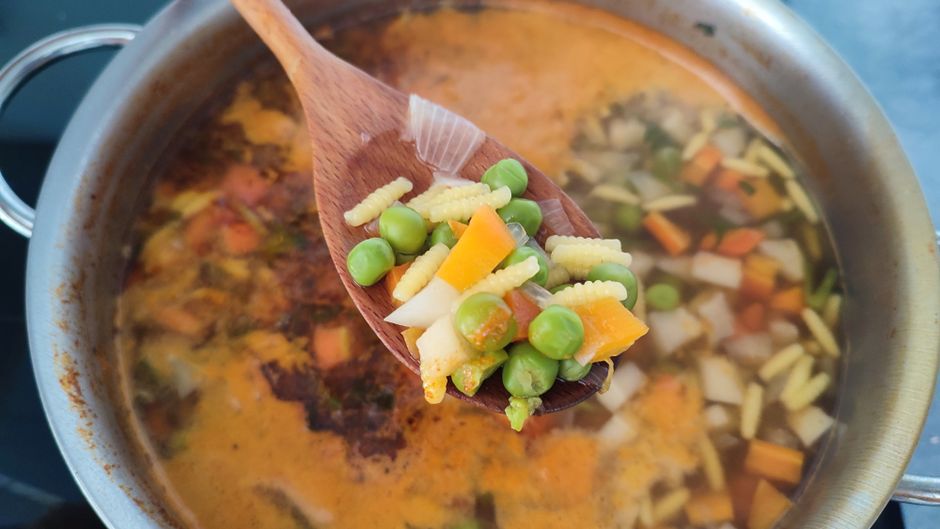
Hearty Split Pea Soup: A Family Recipe Reimagined for Modern Tables
The humble split pea soup, a cornerstone of comfort food for generations, often conjures images of slow-simmered pots and distinctly rustic flavors. While the soul-warming essence of this dish remains timeless, contemporary palates and dietary preferences demand an evolution. This reinvented split pea soup recipe honors its heritage while embracing modern culinary techniques and ingredient considerations, delivering a dish that is both deeply satisfying and remarkably accessible for today’s busy families and discerning home cooks. The core of split pea soup lies in its simplicity: dried split peas, broth, and aromatics. However, unlocking its full potential involves strategic ingredient selection, thoughtful preparation, and a keen understanding of flavor development. Gone are the days of a one-note, overly salty broth. This modern iteration emphasizes vibrant, fresh ingredients, controlled seasoning, and a refined texture that appeals to a wider audience, proving that even the most traditional dishes can be revitalized. The foundation of any truly great split pea soup is the quality of the split peas themselves. While any brand will technically work, opting for fresh, vibrant green split peas will yield a soup with a brighter color and a cleaner, less starchy flavor. Older peas can become dusty and take significantly longer to soften, leading to a less desirable texture. The cooking process itself is where much of the magic happens. While traditionally simmered for hours on the stovetop, modern advancements and ingredient preparation can significantly reduce cooking time without sacrificing depth of flavor. Soaking the split peas overnight is a crucial first step. This not only reduces cooking time but also aids in their digestion, making the final soup more palatable for some individuals. Rinsing the soaked peas thoroughly removes any residual dust or debris and ensures a clean start to the cooking process.
The aromatic base is where the first layer of reinvention truly takes hold. Instead of a straightforward mirepoix of onion, carrot, and celery, this recipe introduces a more nuanced and complex flavor profile. Shallots, with their delicate sweetness and subtle garlic notes, replace a portion of the onion, offering a more refined aromatic foundation. Leeks, the often-overlooked cousin of the onion, add a sweet, mild onion flavor and a creamy texture when sautéed, contributing to the soup’s luxurious mouthfeel. The celery remains, of course, providing its signature fresh, slightly bitter counterpoint, but it’s crucial to sauté these aromatics until they are softened and translucent, releasing their full aromatic potential before adding the peas. This caramelization, even at a low heat, builds a crucial layer of sweetness and depth that a quickly sautéed mirepoix simply cannot achieve. The fat used for sautéing is another point of consideration. While bacon or ham hocks are traditional, they can contribute an overwhelming amount of salt and fat, often masking the delicate flavors of the peas and vegetables. For this modern interpretation, we opt for a high-quality olive oil, allowing the natural flavors of the aromatics and peas to shine. A small amount of smoked paprika can be added during the sautéing process to impart a subtle smoky undertone without the heaviness of cured meats, offering a sophisticated nod to the soup’s heritage.
The broth is the lifeblood of any soup, and for split pea soup, its quality directly impacts the final outcome. While chicken or vegetable broth can be used, a homemade or high-quality low-sodium chicken broth is highly recommended. This provides a richer, more complex flavor base than water alone, and the low-sodium option allows for greater control over the final saltiness of the soup. The traditional inclusion of ham in split pea soup often contributes a salty, savory element. To achieve a similar umami depth without relying solely on cured meats, we introduce a secret ingredient: dried shiitake mushrooms. These add an incredible depth of savory flavor and a subtle earthiness that complements the split peas beautifully. The mushrooms are added whole to the broth and simmered, then removed and finely diced to be added back into the soup, providing both a rich broth and delightful textural elements. Another modern enhancement is the strategic use of herbs. While bay leaves are a classic, incorporating fresh thyme and a sprig of rosemary during the simmering process adds a fragrant complexity that elevates the soup beyond its humble origins. These herbs release their volatile oils slowly, infusing the broth with their aromatic essence.
The simmering process is where the split peas transform from hard, dried legumes into a creamy, luxurious soup. The key is to maintain a gentle simmer, not a rolling boil. A vigorous boil can break down the peas too quickly and unevenly, resulting in a gummy texture. The goal is a consistent, gentle bubbling that allows the peas to soften gradually and release their starches, thickening the soup naturally. Stirring periodically is essential to prevent sticking and ensure even cooking. The cooking time will vary depending on the age and type of split peas, but typically ranges from 45 minutes to 1.5 hours after the initial bring to a boil. The soup is ready when the peas are completely tender and have broken down significantly, creating a creamy consistency. This is the point where the reinvention really takes flight. Instead of simply mashing the soup to desired consistency, we introduce a blend of textures. A portion of the soup can be carefully removed and blended using an immersion blender or a regular blender until smooth, creating a velvety base. The remaining portion is left largely intact, allowing for the delightful chewiness of the softened peas and the tender pieces of vegetables. This duality of textures – creamy smooth with pleasingly soft pea fragments – is a hallmark of this modern interpretation, appealing to those who appreciate both refined smoothness and satisfying substance.
Seasoning is paramount, and for this recipe, it’s a delicate dance. The initial broth and aromatics provide a foundational flavor, but the final seasoning needs to be adjusted to taste. Instead of relying on the saltiness of ham, we use sea salt and freshly ground black pepper, added incrementally throughout the cooking process and especially at the end. A splash of white wine vinegar or apple cider vinegar added in the final stages brightens the soup, cutting through the richness and awakening the flavors. This acidity is a game-changer, transforming a potentially one-dimensional soup into something far more complex and engaging. A pinch of red pepper flakes can be added for a subtle, warming heat that complements the sweetness of the peas and aromatics. The removal of the bay leaf and rosemary sprig before blending or serving is a small but important detail that ensures a pleasant eating experience.
Garnishes, often an afterthought, are elevated in this modern rendition to add both visual appeal and bursts of fresh flavor. Traditional garnishes like croutons are still welcome, but we also introduce more vibrant options. A drizzle of high-quality extra virgin olive oil adds a final sheen and a fruity note. Freshly chopped parsley or chives offer a bright, herbaceous counterpoint. For a touch of creamy indulgence, a dollop of plain Greek yogurt or sour cream can be swirled in, adding a cool, tangy contrast to the warm, hearty soup. Crispy fried shallots, a more sophisticated take on crispy onions, provide a delightful crunch and an intensified sweet onion flavor. A sprinkle of toasted pumpkin seeds or sunflower seeds can offer a nutty crunch and additional protein. These garnishes are not merely decorative; they are integral components that enhance the overall flavor and textural experience of the soup, transforming it from a simple comfort food into a sophisticated and satisfying meal.
The versatility of this reinvented split pea soup is another key aspect that makes it a perfect fit for modern tables. It can be served as a light lunch with a crusty bread, a hearty appetizer, or a substantial main course. For a more complete meal, consider pairing it with a simple green salad or a grilled cheese sandwich. The recipe can be easily adapted to suit dietary needs. For a vegetarian or vegan version, simply omit the chicken broth and replace it with a rich vegetable broth, and skip any meat-based garnishes. The flavor profile remains robust and satisfying without the meat. The slow-simmering nature of the soup means it can be made ahead of time, making it an ideal option for meal prepping. The flavors actually deepen and meld overnight, making it even more delicious the next day. Reheating is best done gently on the stovetop, adding a splash of broth or water if it has become too thick.
The process of reinventing a family recipe is not about discarding tradition but about understanding its essence and adapting it to contemporary realities. This hearty split pea soup, with its focus on fresh ingredients, nuanced aromatics, controlled seasoning, and thoughtful textural contrasts, honors the comforting spirit of its origins while presenting a dish that is both exciting and accessible for today’s discerning palates. It’s a testament to the fact that even the most cherished comfort foods can be reimagined to suit the demands of modern life, proving that family recipes are not static artifacts but evolving culinary narratives that can be passed down and cherished for generations to come, adapting and thriving with each new iteration. The depth of flavor achieved through slow sautéing of aromatics, the subtle smokiness from paprika, the umami boost from shiitake mushrooms, and the brightening effect of vinegar all contribute to a soup that is far more than the sum of its parts. It’s a culinary journey that begins with familiar ingredients but culminates in a surprisingly sophisticated and deeply satisfying experience. This is split pea soup, elevated, revitalized, and ready to grace modern tables with its enduring warmth and comfort, proving that tradition and innovation can indeed simmer together harmoniously.