
Low Carb Meatloaf With Pork Rinds

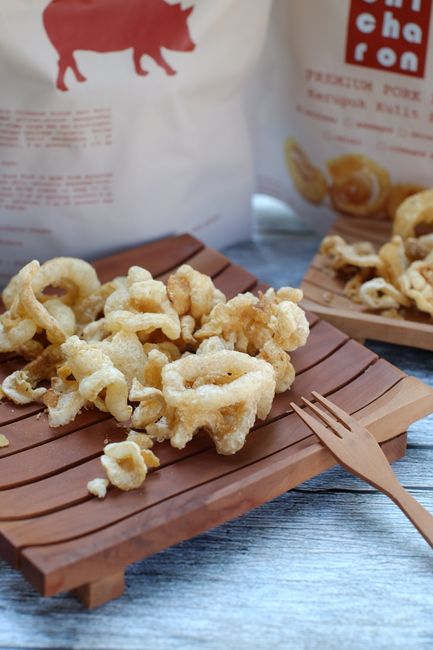
The Ultimate Low Carb Meatloaf with Pork Rinds: A Flavorful and Filling Keto Staple
This low carb meatloaf recipe offers a delicious and satisfying alternative to traditional, breadcrumb-laden versions, making it a perfect fit for ketogenic and low carbohydrate lifestyles. By replacing breadcrumbs with finely ground pork rinds, we achieve a remarkable depth of flavor and a delightfully tender yet firm texture. This recipe is not only a weeknight dinner winner but also an excellent option for meal prep, offering versatility and convenience without sacrificing taste or nutritional goals. We’ll explore the science behind why pork rinds are such an effective binder, delve into ingredient selection for optimal flavor and texture, and provide detailed instructions for preparation and cooking, along with tips for customization and serving. Understanding the role of each component is key to mastering this low carb classic, ensuring a consistently delicious outcome that satisfies even the most discerning palate.
The Magic of Pork Rinds as a Binder in Low Carb Meatloaf
The cornerstone of this low carb meatloaf’s success lies in the ingenious substitution of traditional breadcrumbs with finely ground pork rinds. In standard meatloaf, breadcrumbs serve a dual purpose: they absorb excess moisture, preventing a greasy and dense final product, and they act as a binder, holding the mixture together during cooking. Pork rinds, when processed into a fine meal, effectively replicate these functions with significant advantages for low carb eaters.
Nutritionally, pork rinds are virtually carbohydrate-free, making them an ideal ingredient for those adhering to ketogenic or low carbohydrate diets. This eliminates the carb load associated with conventional breadcrumbs, allowing for greater flexibility in daily macronutrient targets. Beyond the carbohydrate advantage, pork rinds contribute a unique and desirable flavor profile. They impart a subtle savory, almost smoky undertone that complements the richness of the ground meat. This inherent flavor can reduce the reliance on additional seasonings, though it certainly doesn’t preclude their use.
The texture of ground pork rinds is crucial. When finely ground, they possess a porous structure that effectively absorbs moisture, similar to breadcrumbs, but without the starchy components. This absorption is key to achieving a meatloaf that is moist and flavorful, rather than dry or crumbly. Furthermore, the ground pork rinds contribute to the overall structure and binding of the meatloaf. As the meatloaf bakes, the fat rendered from the meat and the pork rinds interacts, creating a cohesive matrix that holds the loaf together. Unlike flour or starches, which can sometimes lead to a gummy texture, pork rinds contribute to a more desirable, slightly chewy bite.
The process of grinding pork rinds is straightforward. Commercially available pork rinds can be pulsed in a food processor or blender until they reach a fine, breadcrumb-like consistency. It’s important to avoid over-processing them into a paste; the goal is a granular texture. The flavor of pork rinds can vary slightly depending on the brand and seasoning, so it’s advisable to use unseasoned or lightly seasoned pork rinds as a base and then adjust other seasonings accordingly. This control over flavor allows for greater customization of the final meatloaf.
Selecting the Ideal Meats for Flavor and Texture
The foundation of any good meatloaf, low carb or otherwise, is the quality and combination of meats used. For a truly exceptional low carb meatloaf with pork rinds, a blend of ground meats offers the most desirable balance of flavor, moisture, and texture. While ground beef is a staple, incorporating pork and sometimes even veal can elevate the dish significantly.
Ground beef, particularly a blend with 80/20 or 85/15 lean-to-fat ratio, provides essential richness and flavor. The fat content is crucial for a moist and tender meatloaf; leaner blends can result in a dry and less palatable outcome. Using a combination of ground chuck, which has excellent marbling, and ground sirloin can offer a well-rounded beef flavor.
Adding ground pork introduces an additional layer of savory depth and moisture. Pork has a slightly sweeter profile than beef and its fat content contributes significantly to the overall succulence of the meatloaf. A ratio of approximately 50% beef to 50% pork is a popular and highly effective starting point. Alternatively, a ratio of 60% beef to 40% pork also yields excellent results, with the beef dominating the primary flavor profile.
For an even more refined texture and a subtle, delicate flavor, consider incorporating a smaller percentage of ground veal. Veal is naturally tender and has a milder taste that can complement the stronger flavors of beef and pork. If using veal, a ratio of 50% beef, 40% pork, and 10% veal can create a remarkably smooth and luxurious meatloaf. However, for simplicity and accessibility, a simple beef and pork blend is perfectly adequate and incredibly delicious.
The choice of grind also matters. A medium grind for all the meats will provide a good balance between holding its shape and still having a pleasant chew. Avoid pre-packaged pre-mixed grinds if possible, as their fat content and grind size can be inconsistent. Purchasing individual cuts of meat and having them ground by your butcher, or grinding them yourself, offers greater control.
Beyond the meat, the binder, which in this case is the pork rind meal, plays a crucial role in the texture. The fat from the meats will render during baking, and the pork rinds will absorb this, helping to bind everything together and prevent the loaf from falling apart. The quality of the pork rinds themselves, as discussed, is also a factor in the overall flavor contribution.
Seasoning Strategies for Maximum Flavor Impact
While the meat and pork rinds provide the foundational flavor, judicious seasoning is essential to elevate this low carb meatloaf to culinary greatness. The goal is to enhance the inherent savory notes of the meats and the subtle undertones of the pork rinds without overwhelming them.
Onion and garlic are foundational aromatics for almost any savory dish, and meatloaf is no exception. Finely minced or grated onion and garlic provide a pungent sweetness and depth. For a keto-friendly approach, consider sautéing the onions and garlic in butter or bacon fat until softened and slightly caramelized before adding them to the meat mixture. This process mellows their harshness and brings out their natural sugars, adding a richer, more complex flavor without adding carbs. Freshly minced garlic is preferred for its potent flavor, but garlic powder can be used in a pinch, though it tends to be less vibrant.
Eggs are indispensable binders in meatloaf. They not only help to hold the mixture together but also contribute to the moisture and richness of the final product. Two large eggs are typically sufficient for a standard-sized meatloaf. Ensure the eggs are at room temperature for easier incorporation into the meat mixture.
Umami-rich ingredients are key to boosting the savory character of the meatloaf. Worcestershire sauce, though it contains a small amount of sugar, is used in such small quantities that it generally doesn’t significantly impact macronutrient counts for most low carb dieters. Its complex blend of fermented ingredients provides a deep, savory, and slightly tangy flavor that is a classic meatloaf component. Alternatively, a few dashes of liquid aminos or coconut aminos can provide a similar umami boost with even fewer carbohydrates.
Herbs and spices play a vital role in creating a well-rounded flavor profile. Dried Italian herbs, a blend of oregano, basil, thyme, and rosemary, work wonderfully with ground meats. A tablespoon or two of this blend will impart a fragrant and herbaceous quality. Freshly chopped parsley adds brightness and a touch of herbaceous freshness. Black pepper, freshly ground, is essential for a little warmth and bite. For those who enjoy a bit of heat, a pinch of red pepper flakes can be added, or a dash of hot sauce can be incorporated into the mixture or used as a glaze.
A touch of sweetness, even in a low carb context, can balance the savory notes. Sugar-free ketchup is a readily available and excellent option for creating a classic meatloaf glaze. Alternatively, a homemade glaze can be concocted using sugar-free tomato paste, a touch of apple cider vinegar for tang, and your preferred low-carb sweetener. This glaze, brushed on top during the latter stages of baking, caramelizes beautifully and adds a tangy, slightly sweet finish that is characteristic of traditional meatloaf.
The amount of salt is critical and should be adjusted to personal preference and the saltiness of any pre-seasoned ingredients used. Start with a moderate amount and taste the raw meat mixture (before adding eggs and binders, if concerned about raw egg consumption, or taste a small cooked portion if possible). Remember that the flavors will intensify during baking.
Detailed Preparation and Cooking Instructions
Crafting the perfect low carb meatloaf with pork rinds involves a meticulous approach to preparation and cooking, ensuring a cohesive, flavorful, and beautifully textured result.
Ingredients:
- 2 lbs ground meat blend (e.g., 1 lb ground beef, 1 lb ground pork)
- 1 cup finely ground pork rinds (about 2-3 oz of whole pork rinds pulsed in a food processor)
- 1/2 medium onion, finely minced or grated
- 2-3 cloves garlic, minced
- 2 large eggs, lightly beaten
- 2 tablespoons Worcestershire sauce (or liquid aminos/coconut aminos for stricter keto)
- 1 tablespoon dried Italian seasoning
- 1/2 teaspoon black pepper
- 1 teaspoon salt (or to taste)
- Optional: 1/4 cup fresh parsley, chopped
For the Glaze (Optional):
- 1/4 cup sugar-free ketchup
- 1 tablespoon apple cider vinegar
- 1 teaspoon Dijon mustard
- 1 teaspoon low-carb sweetener (erythritol, monk fruit, etc.)
Instructions:
- Preheat Oven and Prepare Pan: Preheat your oven to 375°F (190°C). Line a baking sheet with parchment paper or aluminum foil for easy cleanup, or use a loaf pan. If using a loaf pan, lightly grease it.
- Prepare Pork Rind Meal: If you haven’t already, grind your pork rinds in a food processor or blender until they resemble fine breadcrumbs. Measure out 1 cup.
- Sauté Aromatics (Optional but Recommended): In a small skillet, melt 1 tablespoon of butter or bacon fat over medium heat. Add the finely minced onion and cook until softened and translucent, about 5-7 minutes. Add the minced garlic and cook for another minute until fragrant. Let cool slightly.
- Combine Ingredients: In a large mixing bowl, gently combine the ground meats, ground pork rind meal, cooled sautéed onion and garlic (or raw if skipping sautéing), lightly beaten eggs, Worcestershire sauce, dried Italian seasoning, black pepper, salt, and chopped parsley (if using).
- Mix Gently: Use your hands to gently mix all the ingredients until just combined. Crucially, avoid overmixing. Overmixing can develop the proteins in the meat too much, leading to a tough and dense meatloaf. The goal is to distribute the ingredients evenly without compacting the mixture excessively.
- Shape the Meatloaf: Transfer the meat mixture to the prepared baking sheet or loaf pan. If using a baking sheet, shape the mixture into a freeform loaf, about 8-9 inches long and 4 inches wide. If using a loaf pan, press the mixture evenly into the pan.
- Prepare the Glaze (If Using): In a small bowl, whisk together the sugar-free ketchup, apple cider vinegar, Dijon mustard, and low-carb sweetener until well combined.
- Bake the Meatloaf: Place the meatloaf in the preheated oven.
- For Freeform Loaf on Baking Sheet: Bake for 45-55 minutes.
- For Loaf Pan: Bake for 50-60 minutes.
- Apply Glaze: During the last 15-20 minutes of baking, carefully brush the prepared glaze over the top and sides of the meatloaf. This will allow the glaze to caramelize and form a delicious crust.
- Check for Doneness: The meatloaf is done when an instant-read thermometer inserted into the center registers an internal temperature of 160°F (71°C). The juices should also run clear.
- Rest and Serve: Once cooked, remove the meatloaf from the oven and let it rest for 10-15 minutes before slicing. This resting period is crucial as it allows the juices to redistribute throughout the meat, resulting in a more tender and flavorful final product.
Customization and Serving Suggestions for Your Keto Meatloaf
The beauty of this low carb meatloaf with pork rinds lies not only in its inherent deliciousness but also in its remarkable versatility, allowing for endless customization and pairing with a wide array of keto-friendly side dishes.
Flavor Variations:
- Smoky Chipotle: Add 1-2 teaspoons of chipotle powder and a dash of liquid smoke to the meat mixture for a smoky, spicy kick.
- Mushroom Lover’s: Sauté finely chopped mushrooms (cremini or shiitake) with the onions and garlic. Mushrooms add an extra layer of umami and moisture.
- Bacon Wrapped: For an indulgent treat, wrap the shaped meatloaf in strips of bacon before baking. This adds incredible flavor and moisture, ensuring a delightfully crispy exterior.
- Italian Sausage Twist: Substitute 1/2 lb of the ground pork with mild or hot Italian sausage for a distinctly Italian flavor profile. Be mindful of the salt and spice content of the sausage when seasoning.
- Cheese Filled: Press a block of cheese (cheddar, mozzarella, or pepper jack) into the center of the meatloaf before shaping and baking. This creates a molten cheese surprise with every slice.
Serving Suggestions:
The low carb meatloaf pairs exceptionally well with classic comfort food sides that are also keto-friendly.
- Cauliflower Mash: A creamy and satisfying alternative to mashed potatoes, cauliflower mash is a quintessential keto side dish. Enhance it with butter, cream cheese, sour cream, and chives for added flavor.
- Roasted Broccoli or Asparagus: Simple, healthy, and delicious, roasted green vegetables offer a fresh counterpoint to the richness of the meatloaf. Toss with olive oil, salt, pepper, and garlic powder before roasting.
- Green Bean Almondine: Sautéed green beans with toasted slivered almonds and a touch of butter offer a delightful crunch and subtle nuttiness.
- Creamed Spinach: A rich and decadent side that complements the meatloaf beautifully. Use heavy cream, cream cheese, and Parmesan for an indulgent version.
- Keto Coleslaw: A creamy, tangy coleslaw made with mayonnaise, vinegar, and your favorite keto-friendly sweetener provides a refreshing contrast.
- Side Salad with a Vinaigrette: A simple mixed green salad with a light, homemade vinaigrette adds freshness and a healthy dose of greens.
Meal Prep and Storage:
This low carb meatloaf is an excellent candidate for meal prepping. Once cooled, slice the meatloaf and store individual portions in airtight containers in the refrigerator for up to 3-4 days. It reheats beautifully in the oven, microwave, or on the stovetop. For longer storage, the cooled meatloaf can be tightly wrapped in plastic wrap and then aluminum foil and frozen for up to 2-3 months. Thaw overnight in the refrigerator before reheating.
The inherent stability of the pork rind binder makes it robust for reheating, and the flavors tend to meld and deepen over time, making leftovers often just as, if not more, delicious than the initial serving. This makes it an ideal option for busy individuals and families seeking convenient yet healthy meal solutions.
Conclusion: A Keto Kitchen Essential
The low carb meatloaf with pork rinds transcends its status as a mere recipe; it represents a foundational element for any low carbohydrate or ketogenic kitchen. Its adaptability, superior texture, and satisfying flavor profile make it a go-to for weeknight dinners, meal prep, and even gatherings. By understanding the science behind pork rinds as a binder, thoughtfully selecting meats, and mastering the art of seasoning, you unlock the potential for consistently delicious results. This recipe is a testament to the fact that restrictive diets do not necessitate a sacrifice in culinary enjoyment. Embrace this keto staple, experiment with the suggested variations, and discover the enduring appeal of a truly well-executed meatloaf, reimagined for a healthier lifestyle. Its role as a versatile, protein-rich, and flavor-packed dish solidifies its place as an indispensable component of a successful low carb eating plan.


