
Mouth Watering Stuffed Mushrooms

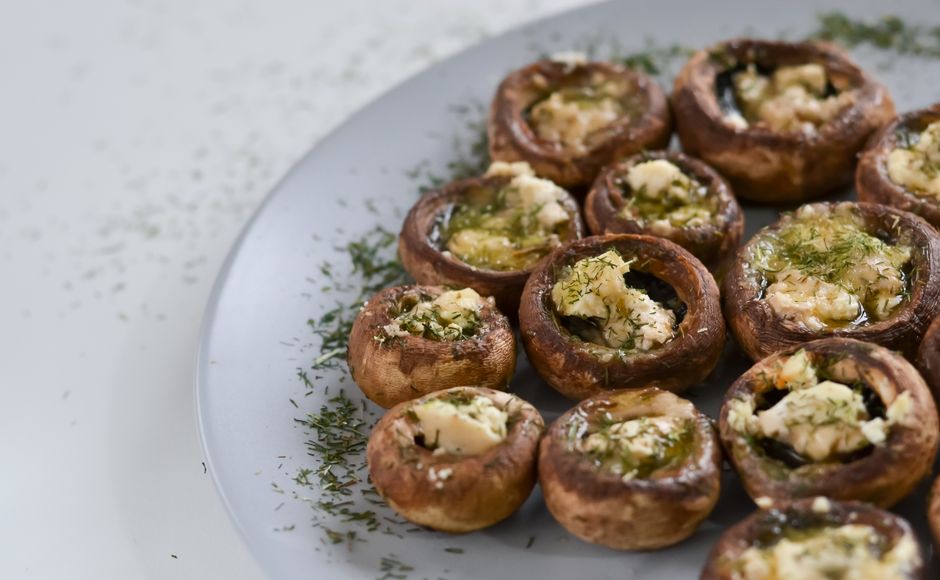
Mouthwatering Stuffed Mushrooms: A Culinary Deep Dive for Food Enthusiasts
Stuffed mushrooms represent a classic appetizer, a versatile side dish, and a satisfying vegetarian main course. Their appeal lies in the inherent deliciousness of a tender mushroom cap cradling a flavorful, often creamy, filling. The inherent earthiness of the mushroom acts as a perfect edible vessel, capable of absorbing and complementing a vast array of ingredients. This article will explore the nuances of creating truly mouthwatering stuffed mushrooms, covering everything from ingredient selection and preparation to diverse filling ideas and presentation techniques. We’ll delve into the science behind achieving optimal texture and flavor, providing a comprehensive guide for home cooks seeking to elevate this beloved dish.
The foundation of any exceptional stuffed mushroom is the mushroom itself. While button mushrooms (Agaricus bisporum) are the most common and readily available choice, other varieties offer distinct textures and flavors. Cremini (baby bellas) are a slightly more mature version of button mushrooms, possessing a richer, earthier taste and a firmer texture. Portobello mushrooms, the largest variety of Agaricus bisporum, are ideal for larger, more substantial stuffed mushrooms, often served as a meatless main. Shiitake mushrooms, with their deeply savory umami flavor and slightly chewy texture, can add a sophisticated twist. Oyster mushrooms, with their delicate, almost seafood-like flavor and feathery appearance, offer a lighter, more elegant option. When selecting mushrooms, look for plump, firm specimens with smooth, unblemished caps. Avoid those that appear slimy, bruised, or have a strong, unpleasant odor. For stuffing, larger mushrooms are generally preferred to accommodate a generous amount of filling and provide a satisfying bite.
Preparing the mushrooms is a crucial step. The stems of the mushrooms should be gently twisted or cut off. These stems, particularly from cremini and portobello mushrooms, are often packed with flavor and can be finely chopped and incorporated into the stuffing, minimizing food waste. The gills, located on the underside of the mushroom cap, can be left intact or gently scraped out. Scraping out the gills creates a deeper cavity for the filling and can prevent a slightly bitter taste some people associate with them. A small spoon or a melon baller works well for this purpose. After cleaning the mushrooms – a gentle wipe with a damp paper towel is sufficient; avoid soaking them in water as they can become waterlogged and mushy – they are typically blanched or par-cooked. This pre-cooking step ensures the mushrooms release some of their moisture and soften slightly, resulting in a more tender final product and preventing the mushroom from releasing too much liquid into the filling during baking. Blanching can be achieved by briefly boiling the mushroom caps in salted water for 1-2 minutes, then immediately plunging them into an ice bath to stop the cooking process. Alternatively, they can be steamed for 3-5 minutes. This step also allows for better absorption of marinades if you choose to marinate your mushroom caps before stuffing.
The heart of a mouthwatering stuffed mushroom is its filling. The possibilities are virtually endless, catering to diverse palates and dietary preferences. A classic and enduring favorite is the cream cheese and herb filling. This typically involves softened cream cheese blended with finely chopped garlic, shallots, fresh herbs like parsley, chives, and thyme, and a pinch of salt and pepper. Toasted breadcrumbs or panko add a delightful textural contrast, providing a satisfying crunch. Another popular option leans towards a savory, Italian-inspired filling. This often incorporates sautéed onions, garlic, and mushrooms stems, finely chopped. Additions like cooked Italian sausage, pancetta, or prosciutto introduce a rich, meaty depth. Parmesan cheese, mozzarella, and Italian seasonings like oregano and basil further enhance the flavor profile. For a vegetarian or vegan option, consider a lentil or quinoa-based filling. Cooked lentils or quinoa can be mixed with sautéed vegetables such as spinach, bell peppers, and zucchini, bound together with vegetable broth or a cashew cream sauce. Nutritional yeast can add a cheesy, umami flavor to vegan versions.
The role of fat and binder is paramount in achieving a cohesive and palatable filling. Cream cheese, mascarpone, ricotta, or even a béchamel sauce can provide a luxurious, creamy base. For a lighter option, Greek yogurt or silken tofu can be used as binders. The fat content contributes to the richness and mouthfeel of the filling, ensuring it doesn’t dry out during baking. When adding cheeses, consider their melting properties. Gruyère, fontina, and Monterey Jack offer excellent meltability and a nutty or mild flavor that complements mushrooms well. Harder cheeses like Parmesan and Pecorino Romano add sharp, salty notes. The binder, whether it’s cream cheese, egg, or breadcrumbs, is essential for holding the filling together within the mushroom cap. Too little binder can result in a crumbly, falling-apart filling, while too much can make it dense and heavy.
Seasoning is where individual culinary artistry truly shines. Beyond salt and pepper, consider the power of aromatics. Garlic, in its various forms – fresh minced, roasted, or powdered – is almost a mandatory component. Shallots offer a milder, sweeter onion flavor than regular onions, making them an excellent choice for more delicate fillings. Fresh herbs are indispensable for adding brightness and complexity. Parsley brings a fresh, slightly peppery note, while chives offer a delicate oniony flavor. Thyme and rosemary provide more robust, woodsy notes that pair beautifully with earthy mushrooms. For a touch of heat, a pinch of red pepper flakes or a dash of your favorite hot sauce can elevate the filling. Umami boosters like soy sauce, Worcestershire sauce, or even a touch of Marmite can add incredible depth of flavor, particularly in vegetarian or vegan fillings. Don’t be afraid to experiment with spices like smoked paprika for a subtle smoky note or cumin for an earthy warmth.
The textural elements of the filling are just as important as the flavors. Toasted breadcrumbs, panko, or even crushed nuts like walnuts or almonds provide a delightful crunch that contrasts with the soft mushroom cap and creamy filling. Cooked grains like rice or farro can add substance and a chewy texture. Finely chopped vegetables, such as water chestnuts or celery, can introduce a refreshing crispness. The key is to achieve a balance of textures that keeps each bite interesting and satisfying.
Assembling the stuffed mushrooms requires a delicate touch. Once the mushroom caps are prepared and the filling is ready, generously spoon or pipe the filling into each mushroom cap. Avoid overfilling, as this can lead to the filling spilling out during baking. For a visually appealing presentation, ensure the filling is neatly mounded within the cap, perhaps topped with a sprinkle of extra cheese, fresh herbs, or breadcrumbs. Some recipes call for adding a drizzle of olive oil or a pat of butter on top of the stuffed mushrooms before baking to promote browning and add richness.
Baking stuffed mushrooms is a process that requires careful temperature and timing to achieve optimal results. Typically, stuffed mushrooms are baked in a preheated oven at around 375-400°F (190-200°C). The baking time will vary depending on the size of the mushrooms and the density of the filling, but generally ranges from 15 to 25 minutes. The goal is to heat the filling through, melt any cheese, and soften the mushroom cap to a tender, yielding consistency. Overbaking can lead to dry mushrooms and a burnt filling, while underbaking will result in undercooked mushrooms that are still firm and potentially watery. It’s advisable to keep an eye on them during the final stages of baking, especially if you’ve topped them with breadcrumbs, which can brown quickly. A good indicator of doneness is when the mushroom caps are tender and easily pierced with a fork, and the filling is bubbly and lightly golden.
Presentation is the final flourish that transforms simple stuffed mushrooms into an impressive appetizer or side dish. Arrange the baked stuffed mushrooms on a serving platter. A sprinkle of fresh chopped parsley, chives, or microgreens adds a vibrant pop of color and a hint of freshness. A drizzle of balsamic glaze or a dollop of sour cream or crème fraîche can add another layer of flavor and visual appeal. For larger portobello mushrooms, they can be served individually as a main course, perhaps alongside a fresh salad or roasted vegetables. The visual appeal is enhanced by the distinct shape of the mushroom cap cradling the enticing filling.
Beyond the classic preparations, consider innovative variations. For a spicy kick, incorporate finely chopped jalapeños or a swirl of sriracha into your filling. For a touch of sweetness, a tablespoon of fig jam or caramelized onions can add an unexpected dimension. Truffle oil, drizzled sparingly over the finished product, can elevate the earthy flavors to new heights. For a seafood-inspired version, finely chopped shrimp or crab meat can be folded into a creamy filling. The possibilities for creative fillings are truly limitless, encouraging experimentation and personalization.
Stuffed mushrooms are a testament to the power of simple ingredients transformed through thoughtful preparation and creative flavor combinations. The earthy canvas of the mushroom cap, combined with a rich, savory, or even subtly sweet filling, creates a culinary experience that is both comforting and sophisticated. By understanding the fundamental principles of mushroom selection, preparation, filling composition, and baking, home cooks can consistently produce mouthwatering stuffed mushrooms that are sure to impress. The versatility of this dish ensures its continued popularity across a wide range of dining occasions, from casual gatherings to more formal events. Mastering the art of the stuffed mushroom is a rewarding culinary endeavor that consistently delivers delicious results.


