
Nagasari A Deep Dive Into Indonesias Beloved Traditional Banana And Rice Flour Delight
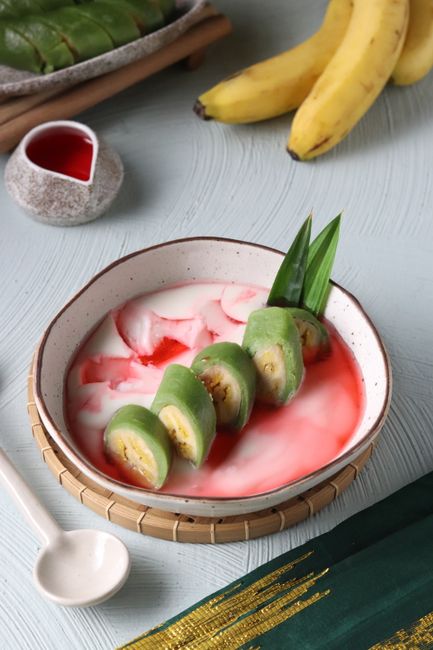
Nagasari: A Deep Dive into Indonesia’s Beloved Traditional Banana and Rice Flour Delight
Nagasari, a quintessential Indonesian steamed cake, derives its name and essence from the harmonious combination of finely milled rice flour, coconut milk, and, crucially, a ripe banana. This deceptively simple dessert, often found gracing the tables of homes and the bustling stalls of traditional markets across the archipelago, represents more than just a sweet treat. It embodies a culinary heritage, a testament to the ingenious use of readily available ingredients, and a beloved comfort food enjoyed by generations. The textural symphony of Nagasari – a delicate, yielding crumb infused with the subtle sweetness of banana and the rich creaminess of coconut milk – is achieved through a precise steaming process that transforms humble components into an utterly delightful experience. Its visual appeal, typically wrapped in banana leaves, adds an extra layer of authenticity and aromatic charm. Understanding Nagasari necessitates exploring its core ingredients, the intricate preparation methods, its regional variations, cultural significance, and its enduring popularity in the contemporary Indonesian culinary landscape.
The foundational elements of Nagasari are as straightforward as they are vital to its distinctive character. The primary ingredient is, unequivocally, rice flour. The quality and fineness of the rice flour are paramount. Typically, a medium-fine rice flour is preferred, ensuring a smooth batter that steams into a tender, almost custard-like consistency. Coarser flours can result in a gritty texture, while excessively fine flours might lead to a gummy cake. Sourcing good quality rice flour, often found in Asian grocery stores or specialized spice shops, is the first step towards achieving an authentic Nagasari. The second indispensable component is coconut milk. Freshly squeezed coconut milk, rich with its natural oils and creamy essence, imparts a depth of flavor and moisture that is impossible to replicate with store-bought substitutes. The fat content in the coconut milk directly influences the richness and tenderness of the final product. It is usually simmered with a touch of pandan leaf (screwpine), a fragrant herb ubiquitous in Southeast Asian cuisine, to infuse it with a subtle, alluring aroma. Sugar, typically granulated white sugar, provides the necessary sweetness. The amount can be adjusted to personal preference, but a balanced sweetness is key to complementing, not overpowering, the natural flavors of the banana and coconut. A pinch of salt is almost always included; it acts as a flavor enhancer, subtly balancing the sweetness and bringing out the nuances of the other ingredients. Finally, the star of the show: the banana. Ripe, soft bananas are essential. Varieties like Pisang Kepok (a type of cooking banana that becomes very sweet and soft when ripe), Pisang Raja, or even ripe Pisang Tanduk are commonly used. The riper the banana, the sweeter and more fragrant it will be, contributing significantly to the overall flavor profile of the Nagasari. The banana is usually sliced into thick pieces and placed as a core within the cake.
The preparation of Nagasari, while appearing simple, involves a series of steps that require attention to detail. The process begins with preparing the batter. Rice flour, sugar, and salt are whisked together in a large bowl. Coconut milk, infused with pandan leaf and brought to a gentle simmer, is then gradually poured into the dry ingredients while continuously whisking. This gradual incorporation prevents lumps and ensures a smooth, homogenous batter. Some recipes call for cooking this batter slightly over low heat, stirring constantly, until it thickens to a porridge-like consistency. This pre-cooking step gelatinizes some of the starch in the rice flour, contributing to a firmer yet still tender cake. Other recipes opt for steaming the batter without pre-cooking, relying solely on the steaming process to achieve the desired texture. Once the batter is prepared, the banana element is introduced. Ripe banana slices are typically placed at the center of each banana leaf wrapper. The batter is then poured over the banana, ensuring it is fully enclosed. The amount of batter used is crucial; too little will result in a thin, dry cake, while too much will make it overly dense and gummy. The banana leaves, which serve as both a wrapper and a cooking vessel, are typically softened by wilting them over a low flame or briefly dipping them in hot water. This makes them pliable and easier to fold without tearing. The folding technique is also important, creating a neat parcel that prevents the batter from escaping during steaming. Several methods exist for folding, but the goal is usually a rectangular or triangular shape, secured with toothpicks or by tucking the ends. The prepared parcels are then placed in a steamer. The steamer should be preheated and filled with enough water to sustain the steaming process. The Nagasari parcels are arranged in a single layer to ensure even cooking. Steaming time typically ranges from 20 to 30 minutes, or until the cake is firm to the touch and the batter has solidified. Over-steaming can lead to a dry or rubbery texture, while under-steaming will result in a raw, unplegitimate batter in the center.
Regional variations of Nagasari highlight the diversity within Indonesian cuisine, showcasing local adaptations and ingredient preferences. While the core elements remain consistent, subtle differences in flavorings, accompaniments, and presentation distinguish these regional interpretations. In some parts of Java, for instance, recipes might incorporate a small amount of tapioca flour alongside rice flour to achieve a slightly chewier texture. Other Javanese variations might add a sprinkle of grated coconut on top of the banana slice before pouring the batter, introducing an extra layer of texture and coconut flavor. In Sumatra, particularly in areas with a strong Malay influence, Nagasari might be prepared with a richer coconut milk and a more pronounced sweetness. Some Sumatran versions might even feature the addition of palm sugar (gula merah) to the batter, lending a deeper, caramel-like sweetness and a darker hue. The type of banana used can also vary regionally, depending on what is most readily available. While common varieties are preferred, some areas might utilize local banana cultivars that contribute unique flavor notes. Beyond the batter and banana, the wrapping material itself can sometimes vary. While banana leaves are dominant, in some very specific instances, pandan leaves might be used, although this is less common for the main wrapper and more for flavor infusion during the cooking of the coconut milk. The serving style can also differ. While often enjoyed on its own, some regions might pair Nagasari with a light syrup or a dollop of extra coconut cream. The fundamental principle, however, remains: a steamed rice flour cake with a banana core, enveloped in aromatic leaves.
The cultural significance of Nagasari extends beyond its delicious taste; it is deeply embedded in Indonesian social customs and traditions. Nagasari is a ubiquitous presence at celebrations, religious ceremonies, and communal gatherings. Its affordability and ease of preparation make it an ideal treat for large crowds. It is a staple at birthdays, weddings, Eid al-Fitr (Lebaran), and other significant events, symbolizing togetherness and shared joy. The act of preparing Nagasari is often a communal activity, with families and friends coming together to mix batter, fold leaves, and steam the cakes. This collaborative effort reinforces social bonds and transmits culinary knowledge from one generation to the next. Nagasari is also considered a "kue basah," or a wet cake, a category of traditional Indonesian snacks that are typically soft, moist, and often made with rice flour or glutinous rice. These kue basah are an integral part of Indonesian coffee culture and afternoon tea rituals. The presence of Nagasari at these informal gatherings fosters conversation and connection. Furthermore, the banana leaf wrapper is not merely functional; it is deeply symbolic. The banana plant itself is revered in many Indonesian cultures for its versatility, providing food, shelter, and materials. The use of its leaves in cooking connects the dish to nature and tradition. In a broader sense, Nagasari represents a taste of home and a connection to one’s roots, particularly for Indonesians living abroad. The familiar aroma and texture evoke nostalgic memories and a sense of belonging. Its enduring popularity is a testament to its ability to transcend time and trends, remaining a cherished part of the Indonesian culinary identity.
The enduring popularity of Nagasari in contemporary Indonesia is a testament to its timeless appeal and adaptability. Despite the influx of Western-style pastries and modern culinary trends, Nagasari maintains a firm place in the hearts (and stomachs) of Indonesians. Its accessibility is a key factor. Found in almost every traditional market, street food stall, and even in the frozen sections of modern supermarkets, Nagasari is an everyday indulgence. The rise of social media has also played a role in its continued visibility, with food bloggers and influencers regularly showcasing and promoting this beloved dessert. This has introduced Nagasari to a new generation of consumers and, in some cases, encouraged innovative twists on the traditional recipe. While purists often advocate for the classic preparation, some modern interpretations have emerged, such as adding small pieces of jackfruit to the banana filling or incorporating a hint of pandan extract directly into the batter for a more intense aroma. The fundamental simplicity of Nagasari also makes it an attractive option for home bakers. Recipes are readily available online and in cookbooks, encouraging individuals to recreate this comforting treat in their own kitchens. The use of readily available ingredients further contributes to its widespread appeal. In an era where many seek out natural and wholesome food options, Nagasari, with its primary ingredients of rice flour, coconut milk, and fruit, fits this bill perfectly. Its perceived health benefits, owing to the absence of artificial preservatives and its natural ingredients, also contribute to its sustained popularity. The nostalgic value associated with Nagasari is another powerful driving force behind its enduring appeal. For many, it evokes childhood memories of being served this delightful cake by parents or grandparents, creating a powerful emotional connection that transcends mere taste. This strong sentimental attachment ensures that Nagasari will continue to be a cherished part of Indonesian culinary heritage for years to come.
SEO Keyword Integration: Nagasari, Indonesian traditional cake, banana rice flour cake, steamed banana cake, kue basah, Southeast Asian dessert, coconut milk cake, pandan leaf, Pisang Kepok, Indonesian culinary heritage, traditional markets Indonesia, sweet treats Indonesia, recipes Nagasari, comfort food Indonesia, authentic Indonesian snacks.