
Never Never Fail Pie Pastry

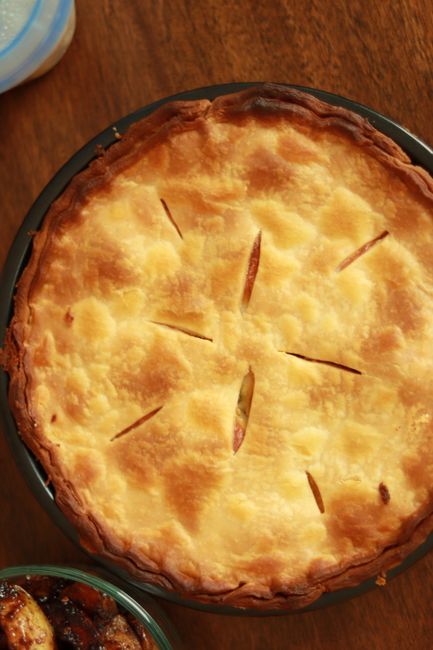
Never Fail Pie Pastry: The Ultimate Guide to Flaky Perfection
Achieving consistently flaky, tender pie pastry can be a culinary Everest for many home bakers. The elusive combination of a crisp exterior, a melt-in-your-mouth interior, and a distinct separation of delicate layers often feels unattainable, leading to dense, tough, or soggy results. This comprehensive guide demystifies the art of never fail pie pastry, breaking down the fundamental principles, essential techniques, and common pitfalls to ensure every pie crust you bake is a testament to flaky perfection. Understanding the science behind pastry creation is paramount. It hinges on the careful interplay of fat, flour, and liquid, and how their interaction is manipulated to create steam and separate gluten strands. The goal is to minimize gluten development while maximizing steam pockets, which are the architects of flakiness.
The foundation of any successful pie pastry lies in the quality and type of fat used. Butter is the undisputed champion for flavor, imparting a rich, nuanced taste that elevates any pie. However, its low melting point can make it challenging to work with, often requiring an ice bath or very cold ingredients to prevent premature melting. Shortening, on the other hand, offers superior flakiness due to its higher melting point and its saturated fat composition, which coats flour particles more effectively, inhibiting gluten formation. It also contributes to a lighter, more tender crust. A common and highly effective strategy is the use of a fat blend, typically combining butter for flavor and shortening for flakiness. This hybrid approach often yields the best of both worlds, delivering exceptional taste and an unparalleled tender, flaky texture. The fat, whether butter, shortening, or a combination, must be kept as cold as possible throughout the entire process. This is not merely a suggestion; it is a critical imperative.
The flour chosen for pie pastry plays a significant role in its final texture. All-purpose flour is the most readily available and works well for most recipes. However, for an even more tender crust, consider using a pastry flour, which has a lower protein content. Lower protein means less gluten development, resulting in a more delicate and tender pastry. If pastry flour is not accessible, you can create a close approximation by removing two tablespoons of flour for every cup of all-purpose flour. The way the flour and fat are combined is equally crucial. The goal is to cut the cold fat into the flour until the mixture resembles coarse crumbs with some pea-sized pieces of fat remaining. These larger pieces are essential for creating steam pockets during baking, which leads to flakiness. Overworking the mixture at this stage will break down the fat too much, hindering the formation of these coveted layers.
The addition of liquid, typically ice water, is where the magic of pastry development truly begins, and also where many bakers falter. The key is to add just enough liquid to bring the dough together without overworking it. Excessive water will activate more gluten, leading to a tough crust. The liquid should be ice cold, as any warmth will begin to melt the fat prematurely, compromising the flaky structure. Start by adding a small amount of water, then gradually increase until the dough just comes together when pressed. It should not be sticky or wet. A light touch and minimal handling are paramount.
The process of bringing the dough together requires a delicate touch. You can use your fingertips, a pastry blender, or even a food processor, but always be mindful of keeping the ingredients cold and minimizing manipulation. When using a food processor, pulse the ingredients in short bursts until the desired crumb consistency is achieved. Avoid processing continuously. The most common mistake is adding too much liquid or overmixing the dough. This develops the gluten in the flour, resulting in a tough, chewy crust. The dough should appear shaggy and loosely cohesive, with visible pieces of fat.
Once the dough has come together, it needs to be chilled. This resting period is non-negotiable for achieving perfect pie pastry. Chilling allows the gluten that has inevitably developed to relax, preventing shrinkage and toughness during baking. It also solidifies the fat, ensuring it remains cold and distinct during the baking process. The dough should be formed into one or two flat discs, wrapped tightly in plastic wrap, and refrigerated for at least 30 minutes, and preferably for an hour or more. Overnight chilling is even beneficial. The colder the dough is when it’s rolled out, the better the chances of a flaky crust.
Rolling out the dough is another critical juncture. Always work on a lightly floured surface, and ensure your rolling pin is also lightly dusted. It’s imperative to work quickly to prevent the dough from warming up. If the dough becomes too soft or sticky, refrigerate it again before continuing. Roll the dough from the center outwards, rotating the dough frequently to ensure an even thickness and to prevent sticking. Avoid stretching or pulling the dough, as this will distort the layers and lead to shrinkage. The aim is to roll it to about 1/8 inch thickness. For a double-crust pie, you will need two circles of dough, one slightly larger than the other for the bottom crust.
The transfer of the rolled-out dough to the pie plate requires a gentle hand. You can carefully drape it over the rolling pin and then unroll it over the plate, or gently fold it in half or quarters and then unfold it in the plate. Press the dough gently into the bottom and sides of the pie plate, ensuring there are no air pockets. Trim any excess dough, leaving about a half-inch overhang. This overhang is crucial for crimping and sealing the edges. The bottom crust of a double-crust pie should be docked, meaning you prick it with a fork several times. This allows steam to escape during baking, preventing the crust from puffing up excessively and becoming soggy.
For a single-crust pie or the bottom crust of a double-crust pie that requires pre-baking (blind baking), it’s essential to use pie weights or dried beans to keep the crust from puffing. Line the docked crust with parchment paper and fill it with the weights. Bake according to recipe instructions, removing the weights for the final few minutes of baking to allow the crust to brown. This technique ensures a crisp bottom crust, preventing a soggy pie, a common ailment of fruit pies.
Crimping the edges of the pie pastry is not just for aesthetics; it also serves to seal the pie and prevent the filling from leaking. There are various methods for crimping, from simple fork-pressed edges to more elaborate decorative designs. Whatever method you choose, ensure the edges are well-sealed. For a double-crust pie, the top crust needs to be placed over the filling. Crimp the edges of the top and bottom crusts together to create a secure seal. Venting the top crust is crucial. Cut slits or decorative shapes in the top crust to allow steam to escape during baking. Without vents, steam will build up inside the pie, leading to a burst crust and potential filling loss.
The baking temperature and duration are critical for achieving a golden-brown, flaky crust. Most pie recipes call for an initial high baking temperature to set the crust quickly and promote flakiness, followed by a slightly lower temperature to cook the filling. This initial blast of heat creates rapid steam from the water within the fat, puffing up the pastry and separating the layers. If the edges of the crust start to brown too quickly, you can shield them with aluminum foil or a pie shield. Overbaking can lead to a dry, brittle crust, while underbaking will result in a pale, doughy bottom. Keep a close eye on the pie during the baking process, noting the color of the crust and the bubbling of the filling.
Troubleshooting common pie pastry problems is a crucial aspect of mastering the technique. A tough crust is often the result of overworking the dough, too much liquid, or insufficient chilling. A soggy bottom crust typically indicates insufficient blind baking, an overly wet filling, or a lack of venting on the top crust. A crust that shrinks excessively is usually due to the dough being too warm when rolled out or insufficient chilling. Understanding these common issues and their causes empowers you to prevent them in future baking endeavors.
Storage of pie pastry dough is also important for its success. Prepared dough can be refrigerated for up to three days or frozen for up to three months. When freezing, wrap the dough discs tightly in plastic wrap and then in a layer of aluminum foil. Thaw frozen dough in the refrigerator overnight before rolling. This preparedness allows you to have perfect pie pastry readily available for any impromptu pie-making occasion.
The never fail pie pastry is not a single recipe, but rather a set of principles and techniques that, when applied diligently, consistently yield exceptional results. It’s about understanding the role of each ingredient and the impact of each step in the process. The fat must remain cold and in distinct pieces. The flour and water must be combined with a minimal amount of mixing. The dough must be chilled adequately before rolling. The rolling and transferring must be done with a gentle touch. And the baking must be done at the correct temperatures and for the appropriate duration. By embracing these fundamentals, you will move beyond the anxiety of pie pastry and confidently create consistently flaky, tender, and delicious crusts that will become the envy of all who taste them. The journey to never fail pie pastry is one of patience, precision, and a deep appreciation for the simple yet profound science of baking. Mastering this foundational skill will open a world of delicious possibilities, from classic apple pies to savory quiches and beyond, each boasting a perfect, flaky foundation.


